
For any investor or trader, the “opening bell” is more than just a symbolic sound; it marks the commencement of liquidity, volatility, and opportunity. While the digital age has made it possible to access financial data 24/7, the actual buying and selling of equities, bonds, and derivatives largely still revolve around the specific operating hours of global exchanges. Understanding these schedules is fundamental to managing a portfolio, executing timely trades, and avoiding the pitfalls of low-liquidity sessions.
In the United States, the primary hubs of equity trading—the New York Stock Exchange (NYSE) and the Nasdaq—operate on a standard schedule that dictates the rhythm of the global financial world. However, the modern market extends far beyond the traditional “9-to-5” window. To truly master the timing of the market, one must understand core sessions, extended-hours trading, and the global relay race of international exchanges.
Understanding Standard Trading Hours: The Core Market Session
The most critical window for any investor is the regular trading session. This is the period when the highest volume of trading occurs, ensuring that bid-ask spreads are narrow and orders can be filled quickly at predictable prices.
The New York Stock Exchange (NYSE) and NASDAQ
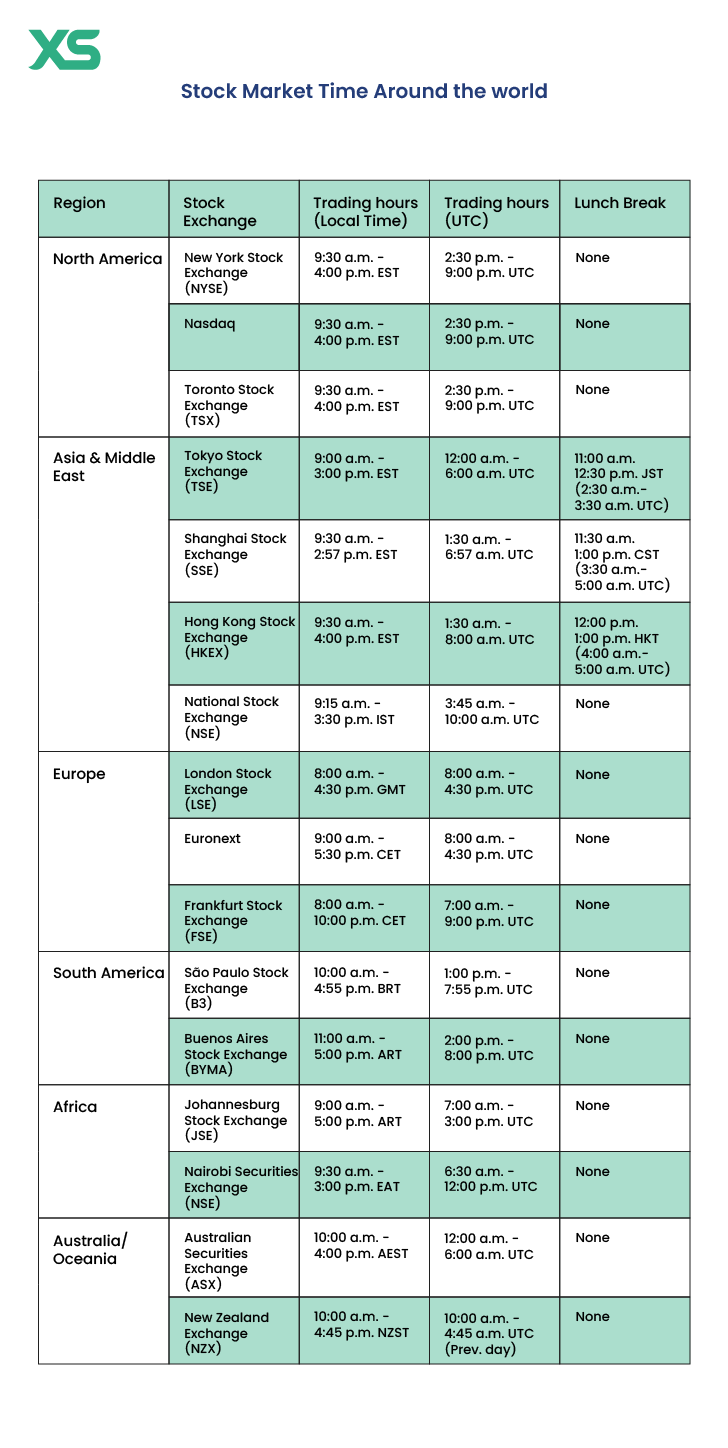
For the major U.S. stock exchanges, the standard trading hours are Monday through Friday, from 9:30 AM to 4:00 PM Eastern Time (ET). Unlike some international markets, U.S. exchanges do not close for lunch breaks. This continuous 6.5-hour block is the most liquid period of the day. Retail investors are generally advised to execute their trades within this window to ensure they are getting the best possible execution price.
Regional Differences and Time Zones
While the exchanges are physically or digitally centered in the New York area, their influence spans every time zone. For a trader in Los Angeles, the market opens at 6:30 AM PT. For those in London, the U.S. open occurs at 2:30 PM GMT. Understanding these conversions is vital for those managing global portfolios. The “open” is particularly significant because it is the point where the market absorbs all the news, earnings reports, and geopolitical events that occurred overnight, often leading to a surge in volume and price swings.
The Role of Market Makers and Liquidity
During standard hours, market makers and institutional high-frequency traders are most active. This participation creates a “deep” market, meaning large blocks of shares can be bought or sold without causing massive, erratic price movements. For personal finance enthusiasts, this is the safest time to trade. Outside of these hours, the market is “thin,” which can lead to significant “slippage”—the difference between the expected price of a trade and the price at which the trade is actually executed.
Beyond the Opening Bell: Pre-Market and After-Hours Trading
The financial markets do not truly sleep. While the core session is 9:30 AM to 4:00 PM, electronic communication networks (ECNs) allow for trading to occur outside these hours. This is known as extended-hours trading, which consists of pre-market and after-hours sessions.
How Extended-Hours Trading Works
The pre-market session in the U.S. typically runs from 4:00 AM to 9:30 AM ET. The after-hours session begins immediately after the closing bell at 4:00 PM and usually continues until 8:00 PM ET. During these times, trades are matched electronically. Many brokerages now offer retail investors access to these sessions, though they were once the exclusive domain of institutional players.
Risks and Rewards of Non-Standard Sessions
Trading in the extended sessions offers the advantage of reacting immediately to news. For example, if a major tech company releases an earnings report at 4:15 PM, the stock price may move violently. An investor with after-hours access can trade on that information immediately rather than waiting for the next morning’s open.
However, the risks are substantial. Volume is significantly lower, which leads to wider bid-ask spreads. A stock that has a spread of $0.01 during the day might have a spread of $0.50 after hours, making it much more expensive to trade. Furthermore, prices in the extended session can be highly deceptive; a stock may surge 5% in the pre-market on low volume, only to crash once the regular session opens and the broader market provides a more “accurate” valuation.
Global Financial Hubs: When Do International Markets Open?

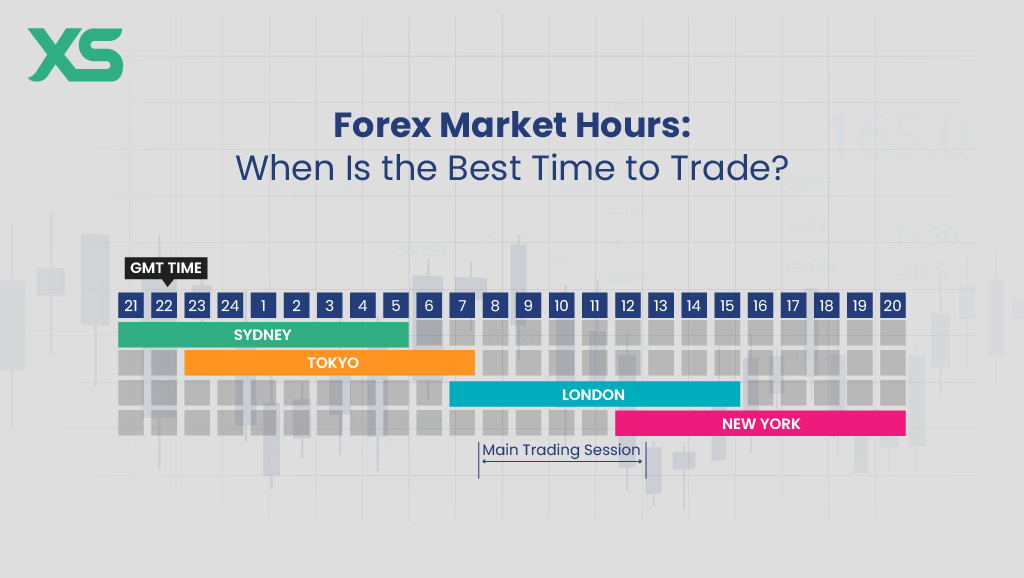
Investing is increasingly a global endeavor. Diversifying a portfolio often means holding assets in European or Asian markets. Because the Earth is divided into time zones, the “market” is technically open somewhere in the world almost 24 hours a day during the work week.
European Markets: The LSE and Euronext
The London Stock Exchange (LSE), one of the world’s oldest and most influential, opens at 8:00 AM and closes at 4:30 PM local time (GMT/BST). Other major European hubs, such as the Euronext Paris and the Frankfurt Stock Exchange (DAX), operate on similar schedules, generally opening at 9:00 AM and closing at 5:30 PM Central European Time. For U.S.-based investors, there is a crucial overlap period in the morning (roughly 9:30 AM to 11:30 AM ET) when both U.S. and European markets are open. This period often sees the highest global volatility and liquidity of the day.
Asian and Pacific Markets: Tokyo, Hong Kong, and Sydney
The trading day effectively begins in the East. The Australian Securities Exchange (ASX) opens at 10:00 AM Sydney time (which is the previous evening in the U.S.). This is followed by the Tokyo Stock Exchange (TSE) in Japan, which opens at 9:00 AM and, notably, takes a lunch break from 11:30 AM to 12:30 PM local time. The Hong Kong Stock Exchange and the Shanghai Stock Exchange follow similar patterns, also observing mid-day breaks. These markets are critical for investors focusing on manufacturing, technology, and emerging market trends.
Market Holidays and Early Closures: Staying Ahead of the Calendar
The market does not operate on every weekday. In the United States, the exchanges observe federal holidays, and it is essential for investors to keep a calendar of these “bank holidays” to avoid confusion when trying to execute trades.
Standard U.S. Market Holidays
The NYSE and Nasdaq are closed on the following days:
-
New Year’s Day
-
Martin Luther King, Jr. Day
-
Presidents’ Day
-
Good Friday
-
Memorial Day
-
Juneteenth National Independence Day
-
Independence Day
-
Labor Day
-
Thanksgiving Day
-
Christmas Day
If a holiday falls on a Saturday, the market usually closes on the preceding Friday. If it falls on a Sunday, the market closes on the following Monday.
Early Close Days and Half-Sessions
In addition to full closures, there are “early close” days. The most famous of these is the day after Thanksgiving (Black Friday) and sometimes Christmas Eve (December 24th). On these days, the market typically closes at 1:00 PM ET. Trading volume on these days is usually very light, as many institutional traders take the day off, leading to “drifting” markets that may not reflect true fundamental value.
Strategic Implications: Why Timing Matters for Your Portfolio
Knowing what time the market opens is about more than just knowing when you can click “buy.” It is about understanding the psychological and mechanical shifts that occur throughout the day.
Volatility at the Open and Close
The first and last 30 minutes of the trading day are often referred to as “amateur hour” and “the professional’s hour,” respectively. The open is volatile because it is the point of price discovery for all the news that happened overnight. The close is significant because institutional investors and mutual funds must often rebalance their positions or fill large orders before the day ends. This “Power Hour” (3:00 PM to 4:00 PM ET) often sees a surge in volume and can dictate the trend for the following day.
The Impact of Economic Reports and Earnings
Most critical economic data—such as the Consumer Price Index (CPI) or Unemployment Reports—are released by the U.S. government at 8:30 AM ET, exactly one hour before the market opens. This allows the pre-market to “digest” the news, though the true reaction is often not seen until the 9:30 AM opening bell. Similarly, most public companies release their earnings results either before the open or after the close to avoid causing chaotic trading halts during the regular session.
Finding Your “Best” Time to Trade
For long-term “buy and hold” investors, the exact time of day may be less important. However, for those looking to optimize their personal finance strategy, avoiding the volatile opening 15 minutes can prevent buying at a daily peak. Conversely, for those interested in active trading or side hustles involving swing trading, the volatility of the open and close provides the price movement necessary to generate profit.
In conclusion, the question of “what time does the market open” serves as the gateway to understanding the broader mechanics of global finance. Whether you are navigating the standard hours of the NYSE, venturing into the pre-market, or tracking the Nikkei in the middle of the night, timing is a tool. By aligning your investment activities with the sessions of highest liquidity and stability, you protect your capital and position yourself for more consistent financial success.
aViewFromTheCave is a participant in the Amazon Services LLC Associates Program, an affiliate advertising program designed to provide a means for sites to earn advertising fees by advertising and linking to Amazon.com. Amazon, the Amazon logo, AmazonSupply, and the AmazonSupply logo are trademarks of Amazon.com, Inc. or its affiliates. As an Amazon Associate we earn affiliate commissions from qualifying purchases.