
Securing capital is often the most significant hurdle for small businesses, whether they’re just starting or looking to expand. While traditional bank loans can be challenging to obtain, the U.S. Small Business Administration (SBA) offers a lifeline through its various loan programs. SBA loans don’t come directly from the government; rather, the SBA guarantees a portion of loans made by commercial lenders, reducing risk for banks and making it easier for small businesses to qualify for financing with more favorable terms.
Understanding how to apply for an SBA loan is a critical skill for any entrepreneur seeking to fuel their business growth. This guide will demystify the process, from understanding the different types of loans available to preparing your application and navigating the lender relationship. By providing a clear roadmap, we aim to empower you to approach the SBA loan application with confidence and a higher probability of success, directly impacting your business’s financial health and future trajectory.
Demystifying SBA Loans: What They Are and Why They Matter
Many entrepreneurs mistakenly believe that applying for an SBA loan means getting money directly from a government agency. In reality, the SBA acts as a guarantor. They partner with banks, credit unions, and other financial institutions, guaranteeing a percentage of the loan. This guarantee reduces the risk for lenders, making them more willing to provide financing to small businesses that might not otherwise meet traditional lending criteria.
Understanding the SBA’s Role and Loan Guarantees
The core function of the SBA in the lending landscape is to stimulate economic growth by ensuring small businesses have access to the capital they need to start, grow, and recover. The SBA doesn’t lend money directly (with a few exceptions, like disaster loans); instead, it sets guidelines for loans and then reduces the risk for approved lenders. If a borrower defaults, the SBA pays the lender a percentage of the outstanding loan balance. This mechanism allows lenders to offer longer repayment terms, lower down payments, and more competitive interest rates than they might otherwise. For a small business owner, this translates into more accessible and affordable financing.
Core Benefits for Small Businesses: Access to Capital and Favorable Terms
The advantages of an SBA-backed loan for a small business are substantial:
-
Lower Down Payments: Often, SBA loans require significantly smaller down payments compared to conventional loans, preserving crucial working capital for the business.
-
Longer Repayment Terms: SBA loans typically come with extended repayment periods, sometimes up to 10 years for working capital and equipment, and 25 years for real estate. This reduces monthly payments, easing cash flow pressure.
-
Competitive Interest Rates: Due to the government guarantee, lenders can offer interest rates that are often lower than those for non-SBA commercial loans.
-
Flexibility in Use of Funds: SBA loans can be used for a wide range of business purposes, including working capital, purchasing inventory, equipment acquisition, real estate purchases, debt refinancing, and even business acquisition.
-
Reduced Collateral Requirements: While collateral is still a factor, the SBA’s guarantee can sometimes compensate for a lack of full collateral, making loans accessible to businesses with fewer hard assets.
These benefits collectively make SBA loans an incredibly attractive option for small businesses that are creditworthy but might not fit the rigid criteria of conventional lending.
Exploring Key SBA Loan Programs: 7(a), 504, and Microloans
The SBA offers several programs, each designed to meet specific business needs. The three most common are the 7(a) loan program, the 504 loan program, and the Microloan program.
-
SBA 7(a) Loan Program: This is the SBA’s most popular and flexible loan program. It offers financial assistance for a vast array of general business purposes, including working capital, purchasing equipment, inventory, furniture, fixtures, supplies, real estate, or even acquiring an existing business. The maximum loan amount for a 7(a) loan is $5 million. Repayment terms vary based on the use of funds: typically up to 10 years for working capital and equipment, and up to 25 years for real estate. It’s often seen as the go-to option for general business financing needs due to its versatility.
-
SBA 504 Loan Program: The 504 program provides long-term, fixed-rate financing for major fixed assets that promote business growth and job creation. It’s primarily used for purchasing or renovating commercial real estate, or acquiring heavy machinery and equipment. A typical 504 project involves three parties: a private sector lender (contributing at least 50%), a Certified Development Company (CDC) funded by a 100% SBA-guaranteed debenture (contributing up to 40%), and the borrower (contributing at least 10%). The maximum SBA portion of a 504 loan is $5 million (up to $5.5 million for manufacturing or specific energy projects). These loans are ideal for businesses looking to expand their physical footprint or significantly upgrade their operational capabilities.
-
SBA Microloan Program: As the name suggests, this program provides very small loans, up to $50,000, primarily for working capital, inventory, supplies, furniture, fixtures, machinery, or equipment. These loans are administered through non-profit community-based organizations that act as intermediaries. These intermediaries also provide business counseling and technical assistance to borrowers, which is a significant added value. Microloans are particularly beneficial for startups, very small businesses, and those in underserved communities who may struggle to access even small amounts of conventional financing.
Choosing the right program depends entirely on your business’s specific needs, the amount of capital required, and the intended use of the funds. A clear understanding of these options is the first step toward a successful application.
The Essential Pre-Application Phase: Laying Your Foundation
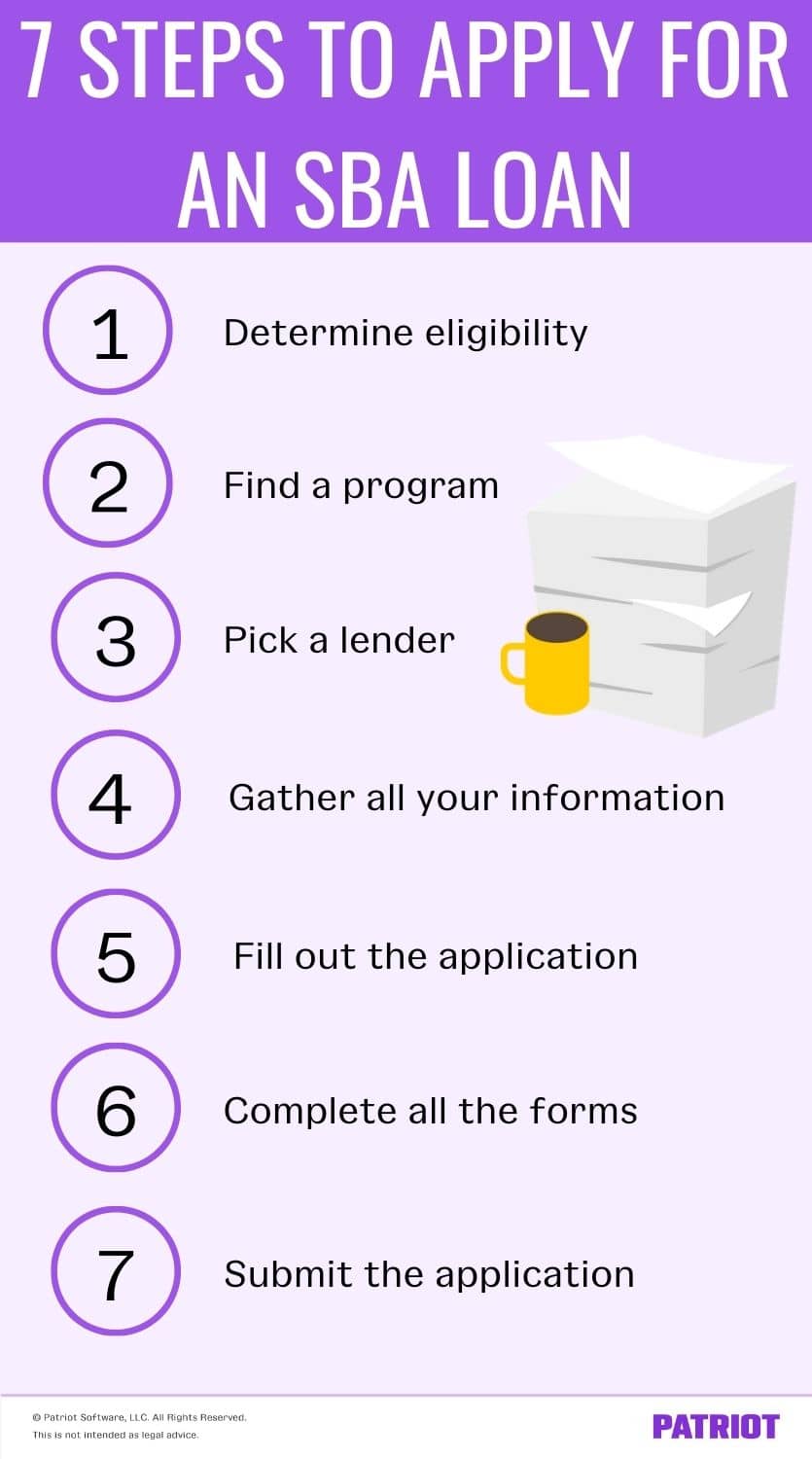
Before you even think about approaching a lender, thorough preparation is paramount. The strength of your application hinges on how well you present your business and its financial health. This pre-application phase is where you gather information, formulate your plans, and ensure you meet the fundamental requirements.
Assessing Your Business Eligibility and Personal Qualifications
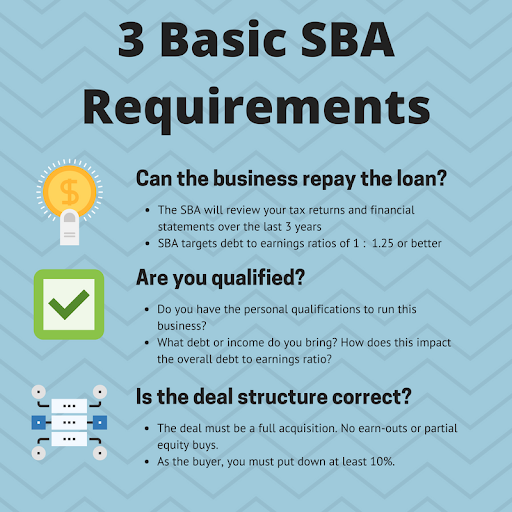
Not every business or individual is eligible for an SBA loan. The SBA has specific criteria designed to ensure the funds go to legitimate small businesses that have a reasonable chance of success and are operated ethically.
-
Business Size: Your business must meet the SBA’s size standards, which vary by industry. Generally, this means an independently owned and operated, for-profit business with a tangible net worth not exceeding $15 million and an average two-year net income after federal taxes not exceeding $5 million.
-
For-Profit Status: The business must be for-profit and operate in the U.S. or its territories.
-
Equity Investment: The business owner must have invested their own equity.
-
Creditworthiness: Both your personal and business credit history will be scrutinized. A good personal credit score (generally 640-680 and above) is usually essential, especially for newer businesses where personal finances are closely tied to the business.
-
Character and Experience: Lenders will assess your character (e.g., no recent bankruptcies or criminal history) and your management experience in the industry.
-
Ability to Repay: This is perhaps the most critical factor. Your business must demonstrate a reasonable ability to repay the loan from its operating cash flow. This is evaluated through historical financial performance and realistic projections.
Understanding these eligibility requirements from the outset can save you significant time and effort. If you fall short in certain areas, addressing them before applying (e.g., improving your credit score) can greatly enhance your chances.
Crafting a Robust Business Plan: Your Blueprint for Success
A comprehensive and well-articulated business plan is the cornerstone of any successful loan application. It serves as your business’s resume, demonstrating to lenders that you have a clear vision, a viable strategy, and a solid understanding of your market.
Your business plan should typically include:
-
Executive Summary: A concise overview of your entire plan, highlighting your business concept, market opportunity, financial projections, and funding request.
-
Company Description: What your business does, its mission, legal structure, and specific goals.
-
Market Analysis: In-depth research on your industry, target market, customer segments, competition, and how you differentiate yourself.
-
Organization and Management: Details about your organizational structure, key management team members, their experience, and their roles.
-
Service or Product Line: A detailed description of what you offer, its benefits, intellectual property, and future development plans.
-
Marketing and Sales Strategy: How you will reach your target customers, promote your offerings, and generate sales.
-
Financial Projections: This is crucial. Include historical financial data (if applicable), and detailed projections for the next 3-5 years, including income statements, cash flow statements, and balance sheets. Explain the assumptions behind your projections.
-
Funding Request: Clearly state how much money you need, what type of loan you’re seeking (e.g., SBA 7(a)), and precisely how you intend to use the funds (e.g., equipment purchase, working capital).
-
Appendices: Any supporting documents like resumes of key personnel, permits, licenses, letters of intent, etc.
A well-researched, realistic, and professionally presented business plan demonstrates your commitment and foresight to potential lenders.
Assembling Your Financial Dossier: What Lenders Need to See
Beyond the business plan, a comprehensive set of financial documents is essential. Lenders will meticulously examine these to assess your business’s current financial health and its capacity for repayment.
Key documents typically include:
-
Personal Financial Statement: A snapshot of your personal assets (cash, investments, real estate) and liabilities (mortgage, credit card debt, car loans).
-
Personal Tax Returns: Federal tax returns for the past 2-3 years for all owners with 20% or more equity.
-
Business Financial Statements:
-
Profit & Loss (Income) Statements: For the past 3 years (if applicable) and a current year-to-date statement.
-
Balance Sheets: For the past 3 years (if applicable) and a current year-to-date statement.
-
Cash Flow Statements: (Often included in P&L and Balance Sheet analysis, but sometimes requested separately).
-
-
Projected Financial Statements: 3-5 years of projected income statements, balance sheets, and cash flow statements, clearly outlining assumptions.
-
Debt Schedule: A list of all existing business debts, including creditor, original amount, current balance, payment amount, and frequency.
-
Proof of Equity Injection: Documentation showing the capital you’ve personally invested into the business.
-
Business Legal Documents: Articles of incorporation, partnership agreements, business licenses, and permits.
-
Resumes: For all owners and key management.
Accuracy, completeness, and organization are paramount. Incomplete or inconsistent financial data can quickly derail an application.
Navigating the Application and Lender Engagement Process
With your foundational documents prepared, the next step is to engage with lenders and formally submit your application. This phase involves finding the right financial partner, understanding their evaluation criteria, and proactively addressing any potential issues.

Finding the Right SBA-Approved Lender: Banks, Credit Unions, and Online Platforms
The SBA doesn’t directly process most loan applications; you apply through an SBA-approved lender. These can include:
-
Large National Banks: Many major banks have dedicated SBA lending departments and are often preferred lenders, meaning they have the authority to make final credit decisions without sending the loan to the SBA for review, which can expedite the process.
-
Community Banks and Credit Unions: These often have a strong local focus and may be more willing to work with smaller businesses or those with unique circumstances, sometimes offering a more personal touch.
-
Non-Bank Lenders and Online Platforms: A growing number of online lenders and specialized non-bank institutions also offer SBA loans, sometimes boasting faster application processes.
It’s crucial to shop around. Different lenders have different appetites for risk, industry specializations, and service levels. Don’t be afraid to consult with a few different institutions to find one that aligns best with your business’s needs and where you feel comfortable building a relationship. Ask about their experience with SBA loans, their typical turnaround times, and any specific requirements they might have.
The Application Submission: Detailing Your Request
Once you’ve chosen a lender, they will guide you through their specific application package. While forms may vary slightly, core elements are universal. You will typically need to complete the SBA Form 1920 (Lender’s Application for Loan Guaranty) and provide all the documents you prepared in the pre-application phase.
Key aspects of the submission include:
-
Loan Proposal: Clearly articulate the specific loan amount requested, the purpose of the funds, and how the loan will benefit your business.
-
Collateral: Detail any assets you are offering as collateral (e.g., real estate, equipment, inventory, accounts receivable).
-
Personal Guarantees: Be prepared for all owners with 20% or more equity to provide a personal guarantee, meaning they are personally liable for the loan if the business defaults. This is a standard SBA requirement.
-
Environmental Review: For real estate loans, an environmental review may be required to ensure the property is free from hazardous materials.
Ensure every question is answered thoroughly and accurately. Any discrepancies or missing information will cause delays and may raise red flags.
Understanding the Lender’s Evaluation: The Five C’s of Credit
Lenders evaluate SBA loan applications based on established credit principles, often referred to as the “Five C’s of Credit”:
-
Character: The borrower’s reputation and integrity, assessed through credit history, personal background, and business history. Lenders want to see a track record of meeting financial obligations.
-
Capacity: The borrower’s ability to repay the loan from the business’s cash flow. This is evaluated through financial statements, projections, and debt service coverage ratios.
-
Capital: The amount of money the borrower has personally invested in the business. A significant owner equity injection demonstrates commitment and reduces the lender’s risk.
-
Collateral: Assets pledged to secure the loan, which the lender can seize if the borrower defaults. While SBA guarantees reduce collateral requirements, lenders still prefer to see sufficient assets.
-
Conditions: The economic conditions of the industry and local market, the purpose of the loan, and the terms of the loan itself. Lenders want to ensure the business operates in a favorable environment.
Understanding these criteria allows you to frame your application in a way that directly addresses the lender’s concerns and highlights your strengths in each area.
Common Application Hurdles and How to Overcome Them
Despite thorough preparation, obstacles can arise during the application process.
-
Incomplete or Inconsistent Documentation: This is a frequent issue. Double-check everything for accuracy and ensure all requested documents are provided. Use a checklist provided by your lender.
-
Weak Business Plan or Financial Projections: If your plan lacks detail, market research, or realistic financial projections, lenders will be hesitant. Be prepared to defend your assumptions and demonstrate a clear path to profitability.
-
Poor Credit History (Personal or Business): While SBA loans are more forgiving than traditional loans, a very low credit score or a history of defaults can be a deal-breaker. If this is an issue, consider taking time to improve your credit before applying.
-
Insufficient Collateral or Equity: If your business lacks hard assets for collateral or you haven’t invested enough of your own capital, the lender may push back. Explore other options like pledging personal assets or finding a co-signer.
-
Lack of Industry Experience: If you’re new to an industry, emphasize any transferable skills or demonstrate a strong advisory board to mitigate this concern.
Being proactive and addressing these potential hurdles head-on with your lender can often lead to solutions or modifications that keep your application on track.
Post-Approval Steps and Maximizing Your SBA Loan Impact
Congratulations! Your SBA loan application has been approved. However, the process isn’t entirely over. The final steps involve closing the loan and, more importantly, effectively managing the funds to ensure your business achieves its intended growth and sustainability.
The Loan Closing Process: Finalizing Your Funding
Once approved, you will enter the loan closing phase. This involves signing a mountain of legal documents, including the loan agreement, promissory notes, collateral agreements, and personal guarantees. It’s crucial to carefully read and understand all terms and conditions before signing. Don’t hesitate to ask your lender for clarification on any aspect you don’t fully grasp.
During closing, you’ll finalize:
-
Interest Rate: Confirm the fixed or variable rate and how it’s calculated.
-
Repayment Schedule: Understand your monthly payment obligations and due dates.
-
Covenants: Be aware of any specific conditions or requirements the lender has set (e.g., maintaining certain financial ratios, providing regular financial reports).
-
Disbursement of Funds: Know when and how the loan proceeds will be released to your business.
This is the final administrative hurdle before the capital is in your hands, so ensure everything is in order.
Responsible Loan Management and Adherence to Terms
Securing an SBA loan is a significant achievement, but responsible management is key to leveraging it for success.
-
Adhere to Payment Schedules: Make all loan payments on time, every time. Late payments can damage your credit score, incur penalties, and strain your relationship with the lender.
-
Utilize Funds as Agreed: Use the loan proceeds strictly for the purposes outlined in your application. Deviating from the agreed-upon use can lead to default or other serious repercussions.
-
Maintain Financial Records: Keep meticulous financial records, as you may be required to submit regular financial statements to your lender, especially if there are financial covenants.
-
Stay in Communication: If you anticipate any financial challenges or opportunities that might impact your ability to repay or the growth of your business, communicate openly and promptly with your lender. They are often willing to work with you if you are transparent.
Diligent loan management not only ensures you avoid default but also builds a positive credit history for future financing needs.
Leveraging Your Capital for Strategic Growth and Sustainability
The ultimate goal of an SBA loan is to provide the capital necessary for your business to thrive. Strategic deployment of these funds is critical.
-
Execute Your Business Plan: Use the funds to implement the strategies outlined in your robust business plan, whether it’s launching a new product, expanding into new markets, or purchasing essential equipment.
-
Invest Wisely: Focus on investments that will generate a return, improve operational efficiency, increase revenue, or strengthen your market position. Avoid frivolous spending.
-
Monitor Performance: Continuously monitor your business’s financial performance against your projections. This allows you to make timely adjustments and ensures you’re on track to repay the loan and achieve your growth objectives.
-
Build a Financial Cushion: While the loan provides capital, also work to build your own internal cash reserves, reducing reliance on external financing for day-to-day operations.
An SBA loan is a powerful tool, but like any tool, its effectiveness depends on how skillfully it is wielded. By managing it responsibly and strategically, you can transform it into a catalyst for substantial and sustainable business growth.
Conclusion
Applying for an SBA loan is a detailed, multi-step process that requires significant preparation and commitment. However, for small business owners seeking favorable financing terms and a viable path to growth, the effort is undeniably worthwhile. By understanding the various loan programs, meticulously preparing your business plan and financial documents, engaging strategically with lenders, and diligently managing the loan post-approval, you significantly increase your chances of success.
The SBA loan is more than just money; it’s a partnership designed to empower small businesses—the backbone of our economy—to innovate, create jobs, and build lasting legacies. Approach the application process with diligence, transparency, and a clear vision for your business’s future, and you will unlock a powerful resource for financial stability and sustained expansion.
aViewFromTheCave is a participant in the Amazon Services LLC Associates Program, an affiliate advertising program designed to provide a means for sites to earn advertising fees by advertising and linking to Amazon.com. Amazon, the Amazon logo, AmazonSupply, and the AmazonSupply logo are trademarks of Amazon.com, Inc. or its affiliates. As an Amazon Associate we earn affiliate commissions from qualifying purchases.