
For any investor, whether a seasoned professional or a curious beginner, the question “what time does the share market open?” is often the first step in a larger journey toward financial literacy. However, the answer is rarely a single number. In the interconnected world of global finance, the “market” is a 24-hour engine driven by different time zones, regional regulations, and specific trading sessions. Understanding these timings is not just about knowing when to place a trade; it is about understanding liquidity, volatility, and the psychological rhythms of the financial world.
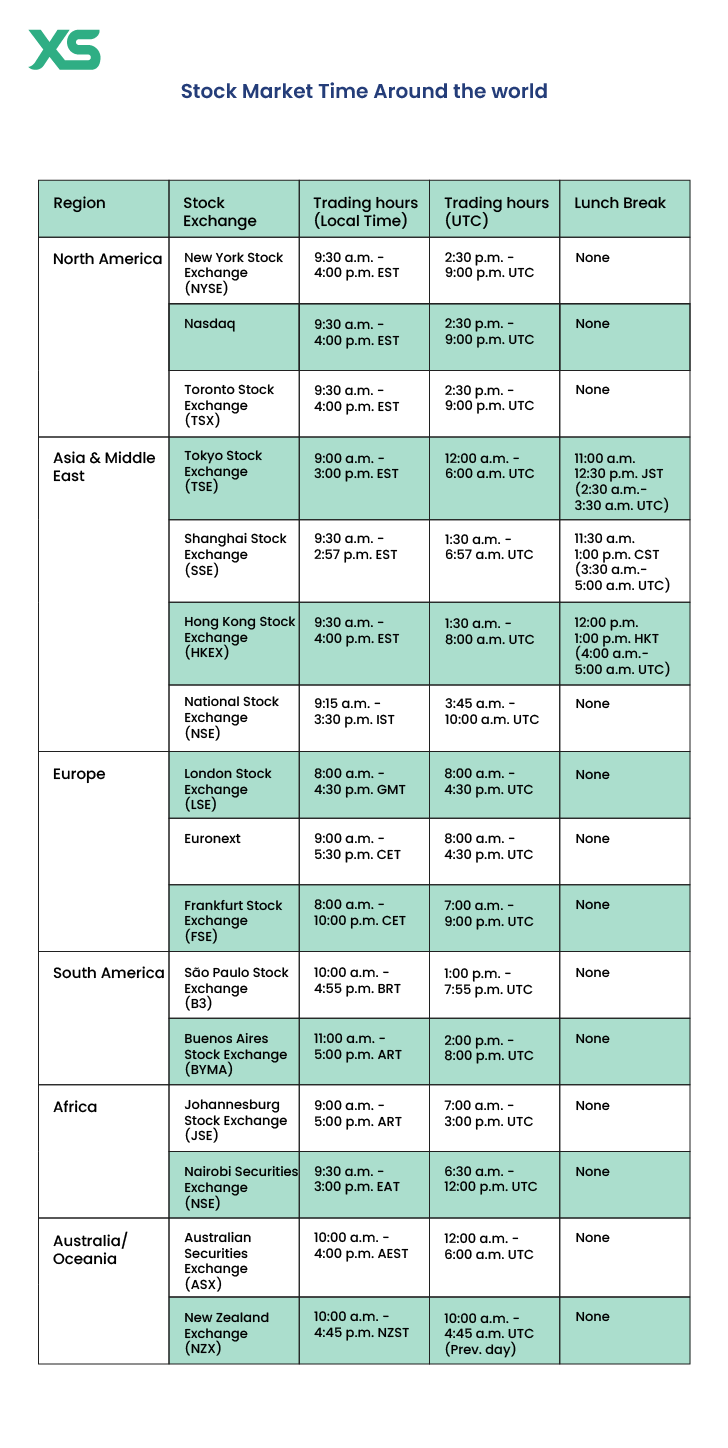
In this guide, we will break down the opening and closing times of major global exchanges, explore the nuances of extended trading sessions, and analyze why timing is one of the most critical variables in your personal finance and investment strategy.
Decoding the Standard Trading Session: Key Global Exchanges
The standard trading session, often referred to as “regular hours,” is when the bulk of retail and institutional trading occurs. During these hours, liquidity—the ease with which you can buy or sell an asset without affecting its price—is at its peak.
The Indian Perspective: NSE and BSE
For investors in the Indian subcontinent, the National Stock Exchange (NSE) and the Bombay Stock Exchange (BSE) follow a synchronized schedule. The regular trading session opens at 9:15 AM IST and closes at 3:30 PM IST, Monday through Friday. However, the day actually begins earlier with a pre-open session from 9:00 AM to 9:15 AM, which is used to stabilize prices and determine the opening rate based on overnight news.
The North American Powerhouses: NYSE and NASDAQ
The New York Stock Exchange (NYSE) and the NASDAQ are the two largest exchanges in the world. Their standard operating hours are from 9:30 AM to 4:00 PM Eastern Time (ET). For global investors, these hours are crucial because the US market often sets the tone for global sentiment. If you are trading from a different time zone, keeping track of Daylight Savings Time changes in the US is vital, as it can shift your local opening time by an hour twice a year.
European and Asian Market Windows
Europe’s markets, such as the London Stock Exchange (LSE), typically open at 8:00 AM and close at 4:30 PM GMT. Meanwhile, Asian markets offer a different rhythm. The Tokyo Stock Exchange (TSE) operates from 9:00 AM to 3:00 PM JST, but with a notable twist: a lunch break. Unlike Western markets, many Asian exchanges pause for an hour or 90 minutes in the middle of the day, a factor that international investors must account for when managing portfolios.
Beyond the Bell: Pre-Market and After-Hours Trading
The “opening bell” is an iconic symbol of the financial markets, but the reality is that digital infrastructure allows for trading well outside these traditional boundaries. This is known as extended-hours trading.
How Pre-Market Sessions Work
Pre-market trading occurs before the official opening bell. In the US, for instance, pre-market trading can start as early as 4:00 AM ET, though the majority of activity happens after 8:00 AM. In India, the pre-open session is a brief 15-minute window. The primary purpose of these sessions is price discovery. If a company releases an earnings report at 6:00 AM, the pre-market session allows the “Money” to react immediately, often leading to significant price gaps when the regular market finally opens.
The Risks and Rewards of After-Hours Trading
After-hours trading occurs after the market closes (e.g., 4:00 PM to 8:00 PM ET in the US). This session is particularly popular for reacting to news that breaks after the closing bell, such as CEO resignations or late-day economic data.
However, investors should be cautious. The “Money” niche emphasizes risk management, and extended hours are notorious for:
- Lower Liquidity: Fewer participants mean it may be harder to execute a trade at your desired price.
- Wider Spreads: The gap between the bid (buy) and ask (sell) price widens, potentially increasing your transaction costs.
- Extreme Volatility: Small trades can cause large price swings due to the lack of volume.
Who Participates in Extended Trading?
Historically, these sessions were the playground of institutional investors and high-net-worth individuals. However, modern brokerage apps have opened these windows to retail investors. While this provides “democratized” access, it requires a higher level of discipline. Professional traders often use “limit orders” exclusively during these times to avoid being caught in a bad price swing.
Why Timing Matters: Volatility and Liquidity Throughout the Day
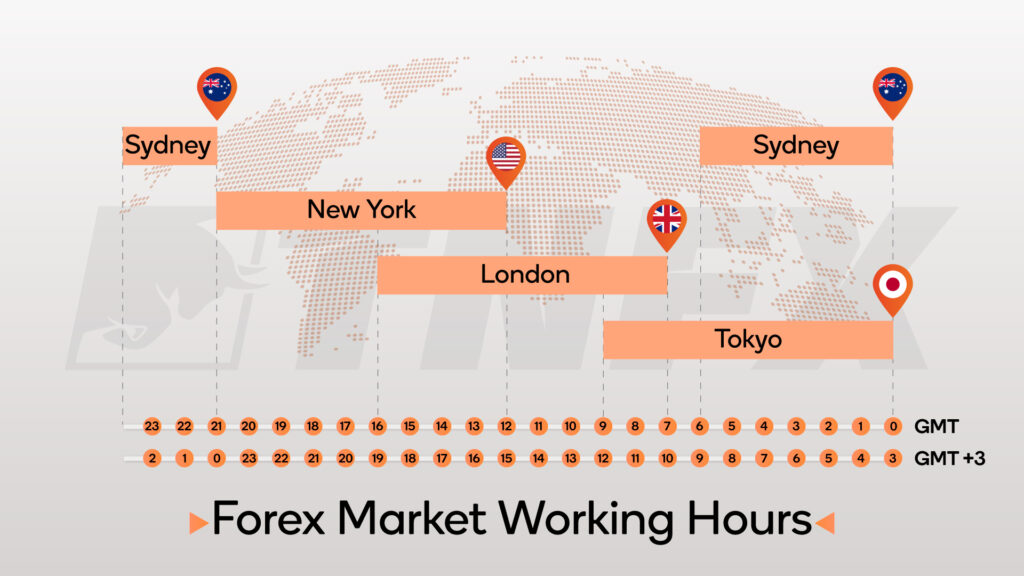
Knowing what time the market opens is only half the battle. Successful investing requires an understanding of how market behavior changes as the clock ticks. The market day is not a uniform block of time; it has a beginning, a middle, and an end, each with distinct characteristics.
The First 30 Minutes: The Golden Window for Day Traders
The first half-hour after the market opens is often the most volatile period of the day. This is when the market “digests” all the news, rumors, and global events that happened while the exchange was closed. For day traders, this volatility is an opportunity to capitalize on rapid price movements. For long-term “buy and hold” investors, however, the opening half-hour can be a dangerous time to execute trades, as prices are still stabilizing.
Lunchtime Lulls and the Afternoon Rally
Between 12:00 PM and 1:30 PM local time, many markets experience a “lunchtime lull.” Volume tends to drop as floor traders and institutional desk managers take breaks. Prices may drift sideways during this period. Activity typically picks back up in the final two hours of the trading day—often called the “Power Hour.” This is when institutional investors rebalance their portfolios and set the stage for the closing price, which is often used as the benchmark for mutual fund valuations.
Closing Auctions and Price Discovery
The final minutes of the trading day involve a complex process called the “closing auction.” This is a mechanism used to find the price that maximizes the number of shares traded, ensuring a “fair” closing price. For many index funds and ETFs, this is the most important time of day, as they aim to match the closing price of the indices they track.
The Global Clock: Investing Across Time Zones
In the modern era, personal finance is no longer localized. A retail investor in Mumbai can easily buy shares of a tech giant in Silicon Valley. This creates a “Sun Never Sets” scenario for the global financial system.
The Concept of the “Sun Never Sets” on Finance
As the US markets close, the Asian markets are preparing to open, followed by Europe. This continuous cycle means that financial news is a 24-hour stream. For those looking to build wealth through international diversification, understanding these overlaps is key. For example, the overlap between the London and New York sessions (typically 8:00 AM to 12:00 PM ET) is the most liquid period in the global foreign exchange (Forex) market and a highly active time for equities.
Managing Currency Fluctuations and Overnight Risks
When you invest in a market that opens while you are asleep, you encounter “overnight risk.” If a global event occurs at 2:00 AM your time, you cannot react until your local broker provides access to that market. Furthermore, currency fluctuations happen 24/5. Even if a stock price remains flat in its home currency, your “Money” value might change based on the strength of your local currency against the dollar, euro, or yen.
Holidays, Weekends, and Special Trading Sessions
The share market does not run every day. Understanding the calendar is just as important as understanding the clock.
Muhurat Trading: A Unique Indian Tradition
In India, the stock market observes a special session called “Muhurat Trading” during the festival of Diwali. Even though it is a holiday, the market opens for a specific one-hour window in the evening. This is considered an auspicious time to invest, and many families start their financial journey by buying a few shares during this hour. It is a rare example of culture and finance blending perfectly.
Dealing with Market Holidays and Early Closures
Every exchange has a list of public and bank holidays where trading is suspended. Additionally, some markets have “early close” days (often the day before a major holiday like Christmas or Independence Day in the US), where the market might shut down at 1:00 PM instead of 4:00 PM. Missing these dates can lead to failed settlement strategies or missed opportunities to hedge a position before a long weekend.

Conclusion: Mastering the Clock for Financial Success
So, what time does the share market open? It opens whenever the first major exchange triggers its morning bell, and it effectively never closes for the global investor. However, for your personal finance journey, the “opening time” is a reminder of the discipline required to succeed.
By understanding the difference between standard hours and extended sessions, recognizing the volatility of the opening bell, and respecting the global nature of time zones, you transition from a passive participant to a strategic investor. Time is money, and in the world of share markets, knowing exactly how to use that time is the ultimate competitive advantage. Whether you are trading at 9:15 AM in Mumbai or 9:30 AM in New York, the goal remains the same: making informed, timely decisions that grow your wealth over the long term.
aViewFromTheCave is a participant in the Amazon Services LLC Associates Program, an affiliate advertising program designed to provide a means for sites to earn advertising fees by advertising and linking to Amazon.com. Amazon, the Amazon logo, AmazonSupply, and the AmazonSupply logo are trademarks of Amazon.com, Inc. or its affiliates. As an Amazon Associate we earn affiliate commissions from qualifying purchases.