
For investors, traders, and financial enthusiasts, the ringing of the bell at the New York Stock Exchange (NYSE) is more than just a tradition; it is a signal that dictates the flow of trillions of dollars in global capital. Understanding exactly what time the NY stock exchange closes, along with the nuances of its operating schedule, is fundamental to navigating the complexities of the financial markets. While the short answer is 4:00 PM Eastern Time (ET), the reality of market hours involves a sophisticated structure of pre-market sessions, after-hours trading, and strategic periods of high volatility that every participant should understand.
Standard Operating Hours of the New York Stock Exchange
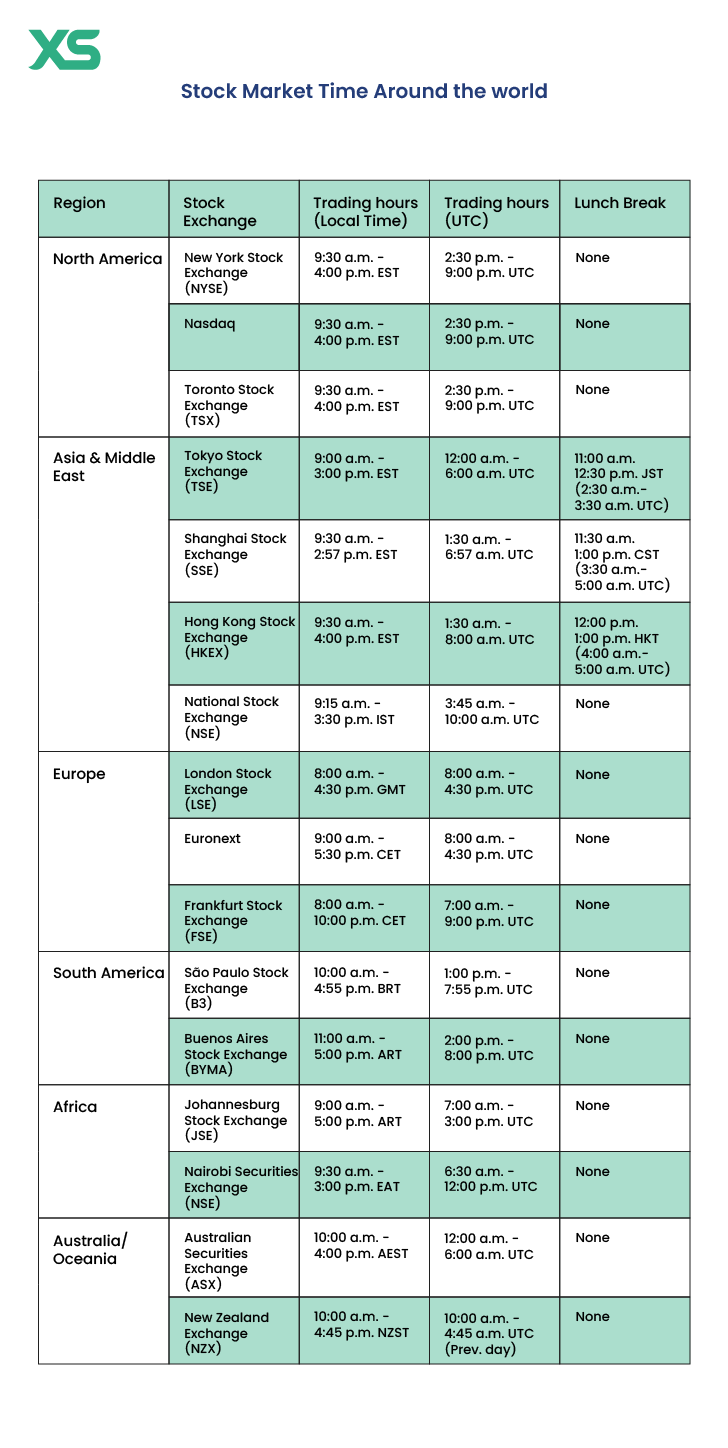
The New York Stock Exchange, located at 11 Wall Street in Lower Manhattan, operates on a primary schedule that serves as the heartbeat of the American economy. For the vast majority of retail investors, the trading day is defined by a narrow window of six and a half hours.
The Core Trading Session
The NYSE is open for core trading from Monday through Friday, starting at 9:30 AM ET and ending promptly at 4:00 PM ET. This window is when the “lit” market is most active, meaning liquidity is at its peak and the gap between the buying price (bid) and the selling price (ask) is typically at its narrowest.
During these hours, institutional investors, hedge funds, and retail traders execute the bulk of their transactions. The 4:00 PM closing time is particularly significant because it marks the point at which the daily closing price of a stock is determined. This “closing print” is used by mutual funds to calculate their Net Asset Value (NAV) and by analysts to chart long-term performance trends.
Weekends and Market Holidays
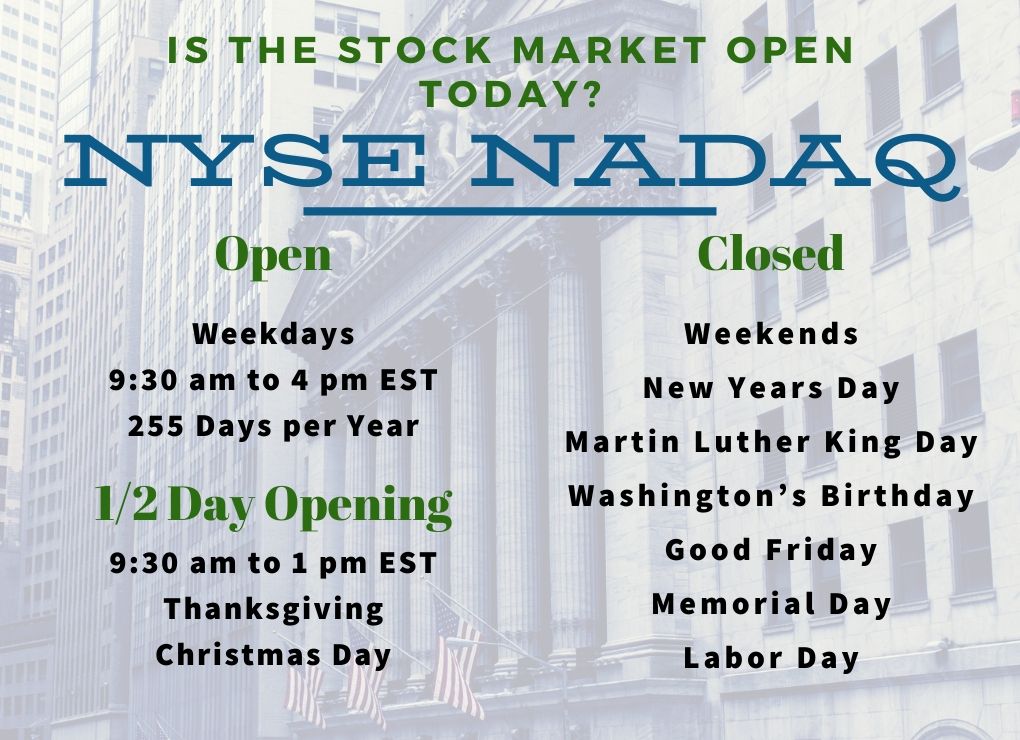
The NYSE remains closed on Saturdays and Sundays. Additionally, the exchange observes several federal and market-specific holidays throughout the year. It is crucial for investors to keep a calendar of these closures, as trading halts can lead to “gap” risks—where the price of a stock opens significantly higher or lower on Monday than it closed on Friday due to news events occurring over the weekend.
Standard market holidays include:
-
New Year’s Day
-
Martin Luther King, Jr. Day
-
Washington’s Birthday (Presidents’ Day)
-
Good Friday
-
Memorial Day
-
Juneteenth National Independence Day
-
Independence Day (July 4th)
-
Labor Day
-
Thanksgiving Day
-
Christmas Day
In some instances, such as the day after Thanksgiving (Black Friday) or Christmas Eve, the market may observe an “early close,” shutting down at 1:00 PM ET.
Extended Hours Trading: The World Beyond 4:00 PM
While the physical floor of the NYSE might quiet down after 4:00 PM, the digital marketplace never truly sleeps. Electronic Communication Networks (ECNs) allow for trading to continue long after the closing bell has rung. This is known as extended-hours trading.
After-Hours Trading Sessions
After-hours trading typically occurs from 4:00 PM to 8:00 PM ET. This session is of particular interest to investors because it is the time when most publicly traded companies release their quarterly earnings reports. When a major company like Apple or Microsoft reports earnings at 4:05 PM, the stock price can experience massive swings within seconds.
However, trading during these hours comes with distinct risks. Liquidity is much lower than during the core session, meaning there are fewer buyers and sellers. This often results in wider bid-ask spreads and extreme price volatility. A stock might drop 5% after hours on a “missed” earnings report, only to recover completely by the 9:30 AM open the following morning once the broader market has had time to digest the news.
Pre-Market Trading Sessions
On the other side of the clock, pre-market trading begins as early as 4:00 AM ET and runs until the official opening at 9:30 AM ET. This early session is often driven by international news, overnight developments in European markets, or early-morning economic data releases from the U.S. government, such as the Consumer Price Index (CPI) or employment reports.
For the average retail investor, pre-market trading is often a spectator sport. While many brokerage platforms now allow retail access to these hours, the low volume makes it a dangerous environment for those without a disciplined strategy and a deep understanding of limit orders.
Why Timing Matters: Strategy and Market Volatility
In the world of finance, when you trade can be just as important as what you trade. The hours of the NYSE are characterized by different “phases” of activity that professional traders exploit for profit.
The Opening and Closing “Power Hours”
The first and last hours of the trading day—9:30 AM to 10:30 AM and 3:00 PM to 4:00 PM—are colloquially known as “Power Hours.” These periods witness the highest volume and volatility.
The opening hour is characterized by the market reacting to overnight news and the execution of “market-on-open” orders. Conversely, the final hour of the day is when institutional investors rebalance their portfolios and day traders close out their positions to avoid “overnight risk.” The final ten minutes before the 4:00 PM close are often the most frantic, as the “Closing Auction” takes place to determine the official final price of each security.
The Mid-Day Lull
Between 12:00 PM and 2:00 PM ET, the market often experiences a “lunchtime lull.” During this period, trading volume typically thins out as floor traders and institutional desk managers take breaks. Prices may drift sideways or exhibit “choppy” behavior. For many professional investors, this is the least favorable time to execute large trades because the lack of liquidity can lead to higher slippage—where the execution price differs significantly from the expected price.
The Impact of Time Zones
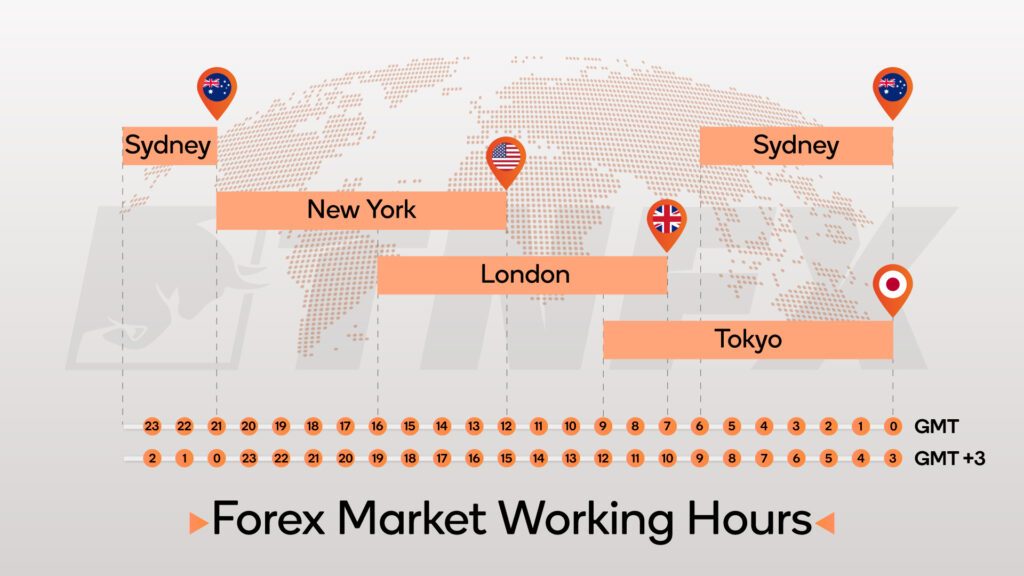
The NYSE operates on Eastern Time, which means a trader in Los Angeles must be at their desk by 6:30 AM local time to catch the opening bell. For global investors in London, the NYSE opens in the mid-afternoon, while for those in Tokyo, the NYSE core session occurs in the middle of the night. This geographic spread ensures that the NY stock exchange remains the focal point of global price discovery, as it overlaps with or follows the close of European markets.
Navigating the Closing Auction and the “MOC” Order
The 4:00 PM close is not just a hard stop; it is a highly choreographed financial event known as the Closing Auction. This process is designed to consolidate all remaining interest in a stock into a single, fair price.
Market-on-Close (MOC) Orders
One of the most powerful tools used by institutional investors is the Market-on-Close (MOC) order. An MOC order instructs the broker to execute the trade as close to the closing price as possible. Because many index funds (like those tracking the S&P 500) must match the closing price to minimize “tracking error,” billions of dollars are funneled into MOC orders every day.
Price Discovery at the Bell
The NYSE uses a centralized auction model for the close. Starting at 3:50 PM ET, the exchange begins publishing “imbalance” information, which tells the market whether there are more buyers or more sellers lined up for the 4:00 PM finish. This transparency allows traders to provide the necessary liquidity to offset the imbalance, ensuring that the final price at 4:00 PM is a true reflection of supply and demand.
Conclusion for the Modern Investor
Knowing that the NY stock exchange closes at 4:00 PM ET is the baseline for participating in the American equity markets. However, the sophisticated investor looks beyond the clock to understand the mechanics of the day. Whether it is the high-stakes volatility of the after-hours earnings season, the strategic importance of the 3:50 PM imbalance reveal, or the necessity of managing trades around market holidays, timing is an integral component of financial success.
By aligning your investment activities with the natural rhythms of the NYSE, you can better manage risk, seek out liquidity, and ensure that your portfolio is positioned to take advantage of the moments when the world’s most important market is at its most active. The closing bell might signal the end of the official day, but in the modern, interconnected world of finance, the opportunity for growth and the need for vigilance remain constant.
aViewFromTheCave is a participant in the Amazon Services LLC Associates Program, an affiliate advertising program designed to provide a means for sites to earn advertising fees by advertising and linking to Amazon.com. Amazon, the Amazon logo, AmazonSupply, and the AmazonSupply logo are trademarks of Amazon.com, Inc. or its affiliates. As an Amazon Associate we earn affiliate commissions from qualifying purchases.