
At its core, business finance is the specialized application of economic principles to the management of money within a corporate or entrepreneurial context. It is the lifeblood of any organization, regardless of its size, industry, or geographical location. While many equate business finance simply with accounting or bookkeeping, it is a far more strategic discipline. It involves the planning, acquisition, and utilization of funds in a way that maximizes the value of the enterprise. Understanding business finance is essential for any entrepreneur, manager, or investor because it dictates the survival, sustainability, and eventual expansion of a commercial entity.

In the modern economic landscape, business finance serves as the framework for decision-making. Every choice a company makes—from hiring a new employee to acquiring a competitor or investing in new technology—carries a financial implication. By mastering the fundamentals of financial management, leaders can navigate market volatility, capitalize on emerging opportunities, and ensure that the organization remains solvent even during downturns.
The Core Pillars of Business Finance
To grasp the full scope of business finance, one must look at the three primary pillars that support financial management: capital budgeting, capital structure, and working capital management. These three areas represent the short-term and long-term financial activities that determine a company’s trajectory.
Capital Budgeting and Investment Decisions
Capital budgeting is the process of identifying, evaluating, and implementing long-term investment opportunities. In this phase, a business decides which projects are worth pursuing based on their potential for future returns. This might include purchasing new machinery, developing a new product line, or expanding into a foreign market.
Financial managers use various tools to assess these opportunities, such as Net Present Value (NPV), Internal Rate of Return (IRR), and the Payback Period. These metrics help determine if the projected cash flows from an investment will exceed the initial costs, adjusted for the time value of money. Successful capital budgeting ensures that a company’s resources are allocated to the most profitable ventures, preventing the waste of precious capital on inefficient projects.
Capital Structure and Financing
Once a business identifies where it wants to invest, it must decide how to pay for those investments. This is the essence of capital structure. A company’s capital structure is the specific mix of debt and equity used to finance its operations and growth.
Debt financing involves borrowing money from external sources, such as banks or bondholders, which must be repaid with interest. Equity financing, on the other hand, involves selling a portion of ownership in the company to investors, often through the issuance of shares. Finding the “optimal” capital structure is a delicate balancing act. Too much debt can lead to financial distress if the company cannot meet its interest obligations, while too much equity can dilute ownership and lead to a higher cost of capital.
Working Capital Management
While capital budgeting looks at the long term, working capital management focuses on the short term. It involves managing the relationship between a company’s current assets (cash, inventory, accounts receivable) and its current liabilities (accounts payable, short-term debt).
The goal of working capital management is to ensure that the company has enough liquidity to meet its day-to-day operational expenses while also maximizing the efficiency of its assets. For example, if a company has too much money tied up in unsold inventory, it may lack the cash needed to pay its suppliers. Conversely, if it collects payments from customers too slowly, its “cash conversion cycle” slows down, potentially stifling growth.
Sources of Funding for Modern Enterprises
Securing capital is often the most significant hurdle for any business. The landscape of business finance offers several avenues for funding, each with its own set of advantages, risks, and requirements.
Debt Financing: Pros and Cons
Debt remains one of the most common ways for businesses to raise capital. Traditional bank loans, lines of credit, and corporate bonds allow businesses to access large sums of money without giving up ownership. The primary advantage of debt is that interest payments are often tax-deductible, which can lower the overall cost of capital. Furthermore, once the debt is repaid, the lender has no further claim on the company’s profits.
However, debt comes with the mandatory obligation of repayment. Regardless of whether the business is profitable or not, interest and principal must be paid. Failure to do so can lead to bankruptcy. For many small businesses and startups, excessive debt can become a “debt trap,” where all incoming revenue is used to service interest rather than being reinvested in growth.
Equity Financing: Trade-offs in Ownership
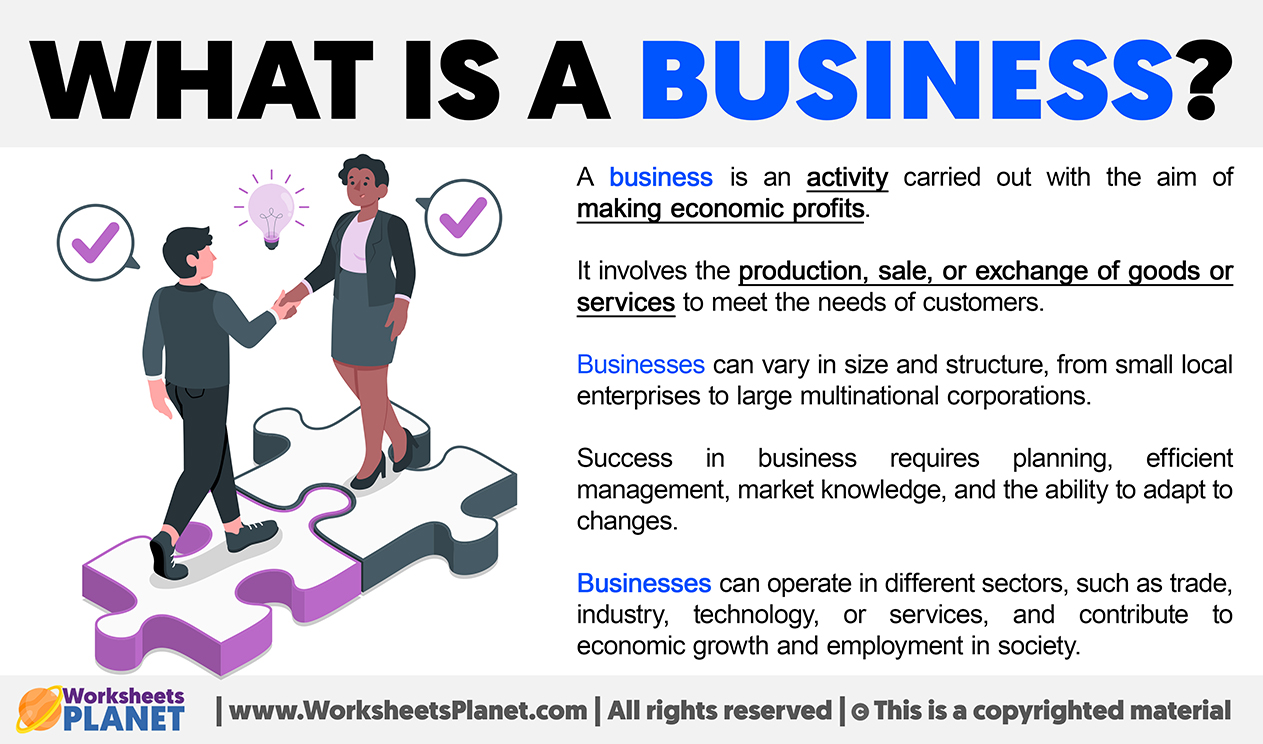
Equity financing is a popular route for high-growth startups and established corporations alike. By bringing in venture capitalists, angel investors, or the general public through an Initial Public Offering (IPO), a company can raise massive amounts of capital without the burden of repayment or interest.
The trade-off is the loss of control. Equity investors become part-owners of the business and often have a say in strategic decisions through a board of directors. Additionally, the original founders must share the company’s future profits with these investors. Despite these drawbacks, equity is often the only viable option for risky ventures that lack the collateral or steady cash flow required for traditional bank loans.
Alternative Funding and Bootstrapping
In the digital age, alternative funding methods have flourished. Crowdfunding platforms allow businesses to raise small amounts of money from a large number of people, often in exchange for early access to products. Peer-to-peer (P2P) lending and invoice factoring are also becoming mainstream, providing faster access to liquidity than traditional banks.
Many entrepreneurs choose “bootstrapping,” which involves funding the business entirely through personal savings and early sales revenue. While bootstrapping limits the speed of growth, it allows the owner to maintain 100% control and ensures the business remains lean and disciplined from the start.
The Role of Financial Technology (FinTech) in Business Management
The integration of technology into finance has revolutionized how businesses operate. FinTech tools have democratized high-level financial management, making sophisticated analysis available even to small business owners.
Automated Accounting and Real-Time Reporting
Gone are the days of manual ledgers and quarterly financial reviews that are outdated by the time they are printed. Modern cloud-based accounting software allows for real-time tracking of income and expenses. These platforms can automate repetitive tasks like invoicing, payroll, and tax compliance, reducing the likelihood of human error.
Real-time reporting gives business owners a “dashboard” view of their financial health. By seeing immediate changes in cash flow or profit margins, managers can make data-driven decisions on the fly. This agility is a significant competitive advantage in fast-moving industries.
Digital Payment Systems and Liquidity
Digital payment processors and mobile banking have drastically shortened the time it takes for a business to receive funds. In the past, waiting for a check to clear could take days or weeks, creating a liquidity gap. Today, instant transfers and integrated payment gateways ensure that money moves at the speed of the internet. This improved velocity of capital allows businesses to reinvest their earnings faster, accelerating the compounding effect of growth.
Financial Planning and Risk Management
No discussion of business finance is complete without addressing the necessity of planning for the future and mitigating potential threats. Financial management is as much about protection as it is about growth.
Forecasting and Budgeting for Long-Term Stability
Financial forecasting involves using historical data and market trends to predict future financial performance. A robust forecast allows a company to anticipate periods of low cash flow and secure financing before a crisis hits. Budgeting, the operational counterpart to forecasting, sets limits on spending and ensures that departments are aligned with the company’s strategic goals. Together, these tools provide a roadmap that prevents “management by crisis.”
Mitigating Market and Credit Risks
Every business faces risks, ranging from currency fluctuations and interest rate hikes to the risk of customers defaulting on their payments (credit risk). Business finance professionals use various hedging strategies and insurance products to protect the company’s bottom line. For instance, a company that exports goods may use forward contracts to lock in exchange rates, ensuring that a sudden drop in a foreign currency doesn’t erase their profit margins.

Building a Sustainable Financial Strategy for Growth
Ultimately, business finance is about building a sustainable engine for value creation. A successful financial strategy does not just focus on the current year’s profits but looks at the long-term viability of the business model. This involves maintaining a healthy “moat” of cash reserves, investing in innovation, and ensuring that the cost of acquiring a customer is significantly lower than the lifetime value that customer provides.
By treating finance as a strategic partner rather than a back-office function, businesses can transform from fragile startups into resilient market leaders. Whether it is through optimizing the capital structure, leveraging the latest FinTech tools, or maintaining a disciplined approach to working capital, the principles of business finance remain the most reliable guide for navigating the complexities of the global economy.
aViewFromTheCave is a participant in the Amazon Services LLC Associates Program, an affiliate advertising program designed to provide a means for sites to earn advertising fees by advertising and linking to Amazon.com. Amazon, the Amazon logo, AmazonSupply, and the AmazonSupply logo are trademarks of Amazon.com, Inc. or its affiliates. As an Amazon Associate we earn affiliate commissions from qualifying purchases.