
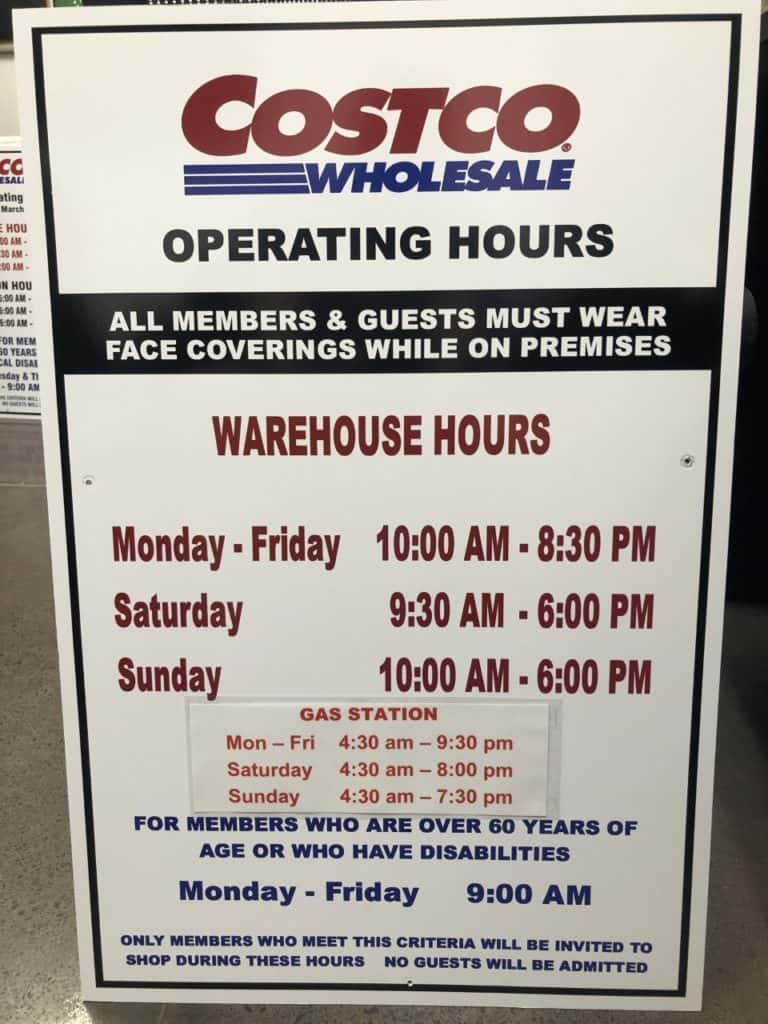
In the modern digital landscape, the query “what time does Costco close today near me” is more than a simple request for information; it is a sophisticated interaction between a user, their hardware, and a complex web of cloud-based algorithms. For the average consumer, the answer appears in milliseconds, providing a definitive closing time and a map pinpointing the nearest warehouse. However, behind this seamless user experience lies a massive technological infrastructure involving geolocation, real-time data synchronization, local SEO optimization, and predictive analytics.
Understanding how these systems work provides a window into the current state of retail technology. As Costco continues to bridge the gap between traditional brick-and-mortar operations and a “digital-first” consumer mindset, the technology that powers the simple act of finding store hours has become a cornerstone of their digital strategy.
The Architecture of Geolocation and Local Search Technology
When a user types a “near me” query into a search engine or the Costco mobile app, a series of technological handshakes occurs. The first step involves determining the user’s precise location. This is achieved through a combination of GPS (Global Positioning System) data, Wi-Fi triangulation, and IP address geocoding.
The Role of Geofencing and Proximity Tech
Modern smartphones utilize Assisted GPS (A-GPS), which speeds up the time-to-first-fix by using cellular network data to supplement satellite signals. When you search for Costco’s closing time, the search engine utilizes your latitude and longitude coordinates to filter a global database of Costco locations down to those within a specific radius—usually between 5 to 20 miles depending on population density.
Furthermore, retailers like Costco use geofencing—a location-based service in which an app or other software uses GPS, RFID, Wi-Fi, or cellular data to trigger a pre-programmed action. When your device enters a “boundary” near a warehouse, the local data for that specific warehouse becomes prioritized in your search results. This ensures that if you are in Seattle, you aren’t accidentally viewing the closing times for a warehouse in San Diego.
Real-Time Data Syncing and API Integration
The accuracy of the information provided depends on the synchronization between Costco’s internal store management systems and external search platforms via APIs (Application Programming Interfaces). Costco manages a vast internal database that tracks holiday hours, special event closures, and seasonal adjustments.
Through Schema.org markup—a standardized language used by webmasters to provide search engines with structured data—Costco’s web developers ensure that bots can instantly identify the “openingHours” property. This structured data is what allows Google, Bing, and DuckDuckGo to display those “Closing Soon” or “Open Now” badges directly in the search results without the user ever having to click on the Costco website. This is known in the tech industry as a “zero-click search,” and it relies heavily on the technical accuracy of the site’s backend metadata.
Costco’s Digital Ecosystem: Beyond the Warehouse Walls
While Costco is historically known for its “treasure hunt” physical shopping experience, its digital ecosystem has seen significant technological upgrades in recent years. The Costco mobile app serves as a primary touchpoint for users seeking store hours, but it also acts as a sophisticated tool for inventory management and member engagement.
The Evolution of the Costco App
The Costco app has evolved from a simple digital membership card to a robust retail assistant. The tech stack behind the app must handle millions of concurrent requests, especially during peak shopping hours or holiday seasons. Utilizing cloud infrastructure—often powered by providers like Microsoft Azure or AWS—Costco can scale its server capacity to ensure that the “warehouse locator” feature remains functional even during high-traffic events like Black Friday.
The app uses “lazy loading” and efficient caching mechanisms to ensure that map data and store hours load instantly. By storing (caching) the store hours on the user’s device during the first search of the day, the app can provide the closing time even if the user temporarily loses internet connectivity while driving to the warehouse.
Inventory and Operational Technology
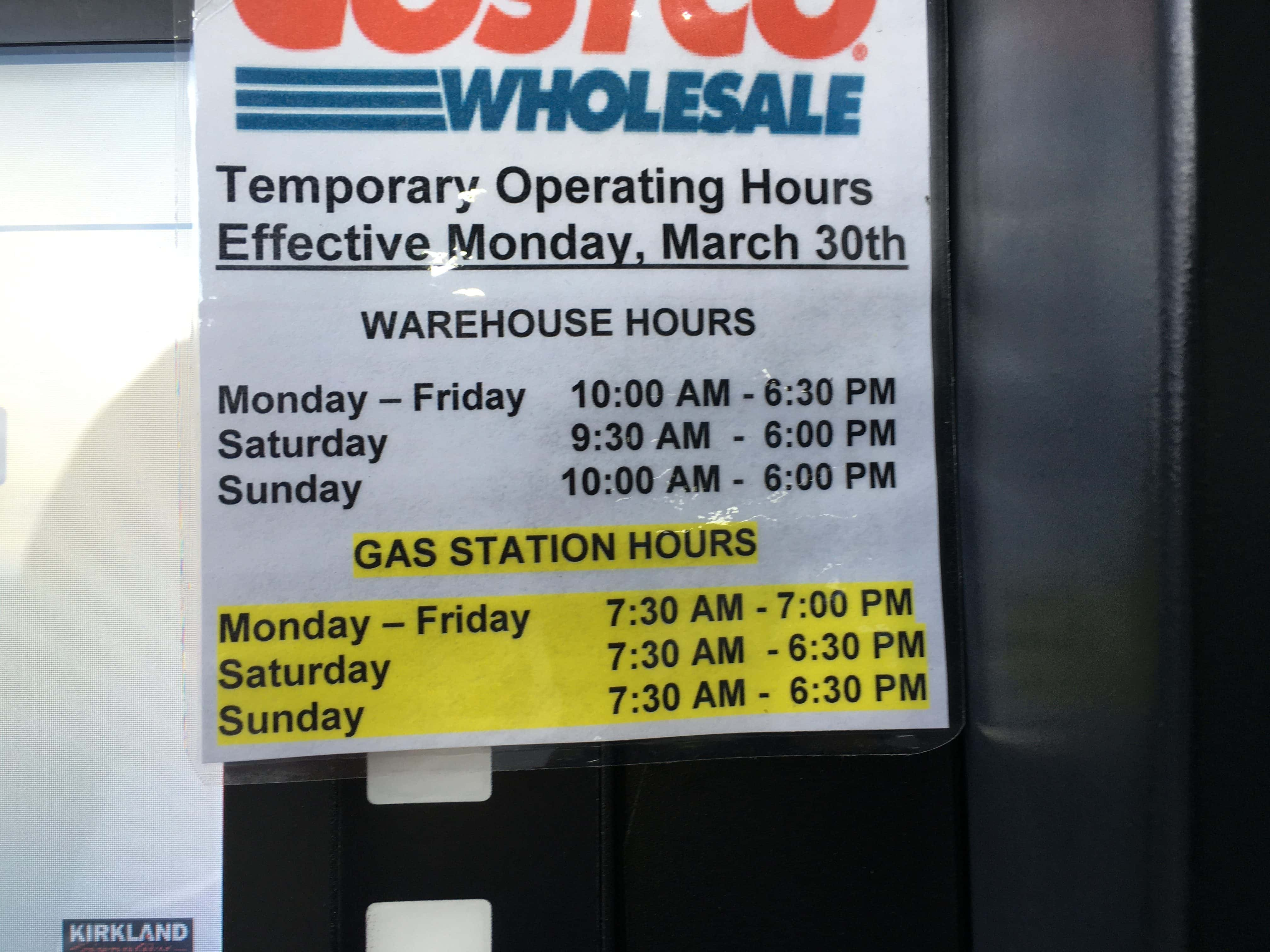
The closing time of a Costco warehouse is not just a policy; it is a data point integrated into the company’s Enterprise Resource Planning (ERP) system. The technology that tracks when a store closes also coordinates with logistics and supply chain software. As the “closing time” approaches, automated systems begin processing the day’s sales data, triggering replenishment orders for the next morning.
In some advanced retail models, IoT (Internet of Things) sensors track foot traffic throughout the day. While Costco maintains standardized hours for brand consistency, the data collected from these sensors helps the corporate office determine if certain regions require extended hours based on high-density shopping patterns detected through heat-mapping technology.
Artificial Intelligence and Predictive Retail Analytics
Artificial Intelligence (AI) is increasingly playing a role in how store hours and “near me” results are presented to the consumer. Search engines now use machine learning to predict when a store will be “busiest,” a feature often seen in the “Popular Times” graph on Google Maps.
Predicting Foot Traffic and Store Load
By analyzing anonymized location history data from millions of users, AI models can predict with high accuracy how crowded a Costco will be two hours before closing. For a member asking “what time does Costco close,” this secondary data is often more valuable than the closing time itself. The technology allows the user to decide if they have enough time to navigate the aisles before the doors lock.
For Costco’s internal tech teams, AI helps in labor optimization. By predicting the “checkout load” in the final hour of operation, management software can suggest the optimal number of registers to keep open, ensuring that the warehouse can efficiently transition from retail operations to nightly restocking.
The Influence of Voice Search and Natural Language Processing
The rise of voice-activated assistants like Alexa, Siri, and Google Assistant has changed the technical requirements for local search. A voice query is fundamentally different from a typed query. When a user asks, “Hey Siri, when does the nearest Costco shut down?” the Natural Language Processing (NLP) engine must parse the intent, identify the brand “Costco,” understand the synonym “shut down” for “close,” and fetch the geolocation-specific data.
To remain competitive in this voice-first environment, Costco must ensure its digital footprint is optimized for “position zero”—the featured snippet that voice assistants read aloud. This requires high-level technical SEO and a clean, accessible digital architecture that voice AI can crawl without friction.
The Future of Hyper-Local Digital Integration
As we look toward the future, the technology behind finding a Costco’s closing time will become even more integrated into the “Smart City” and “Connected Car” ecosystems.
IoT and Vehicle Integration
Modern electric vehicles (EVs) and connected cars are beginning to integrate retail data directly into their dashboard operating systems. Future iterations of this tech could see your car’s navigation system automatically checking the closing time of the Costco along your route. If the system detects that you won’t arrive until 15 minutes before closing, it could suggest an alternative route or notify you of the “last entry” time—all powered by real-time data streaming between the warehouse and the vehicle’s API.
Personalization and Membership Tech
We are also seeing a shift toward personalized store hours. While the physical warehouse has a set schedule, Costco’s digital “e-commerce” warehouse never closes. The integration of “Buy Online, Pick Up in Warehouse” (BOPIS) technology means that the “closing time” is becoming a fluid concept. A user might order an item at 10:00 PM, well after the doors have closed, with the transaction being processed by an automated fulfillment system overnight.
The technology of “near me” is also becoming more personalized. Future versions of the Costco app may use AI to suggest the best time for you to visit based on your historical shopping habits and the real-time occupancy of the warehouse. If the tech knows you typically spend 45 minutes shopping, it might send a push notification at 7:45 PM warning you that the local warehouse closes in 45 minutes, effectively acting as a digital concierge.
Conclusion: The Digital Pulse of the Warehouse
The next time you search for “what time does Costco close today near me,” consider the incredible stack of technology that makes that instant answer possible. From the satellites orbiting the Earth that pinpoint your location to the cloud servers and AI algorithms that predict store traffic, the “simple” act of checking store hours is a testament to the digital transformation of the retail industry.
Costco’s ability to maintain its status as a retail giant depends on this technological backbone. By ensuring that their physical presence is accurately represented in the digital world, they bridge the gap between convenience and the bulk-shopping experience their members love. In a world where time is the ultimate commodity, the tech that tells us exactly how much of it we have left to shop is the most valuable tool in our pockets.
aViewFromTheCave is a participant in the Amazon Services LLC Associates Program, an affiliate advertising program designed to provide a means for sites to earn advertising fees by advertising and linking to Amazon.com. Amazon, the Amazon logo, AmazonSupply, and the AmazonSupply logo are trademarks of Amazon.com, Inc. or its affiliates. As an Amazon Associate we earn affiliate commissions from qualifying purchases.