
For many, a trip to Costco is more than just grocery shopping; it’s an experience, a treasure hunt, and a tangible connection to a brand built on value, bulk, and a unique membership model. The allure of its vast warehouses, stacked high with everything from gourmet food to electronics, is a cornerstone of its brand identity. Naturally, curiosity often leads to the question: where is the biggest Costco? This isn’t merely a geographical query; it’s a window into how Costco leverages scale as a pivotal element of its brand strategy, reinforcing its core promises and cultivating a distinctive market presence.
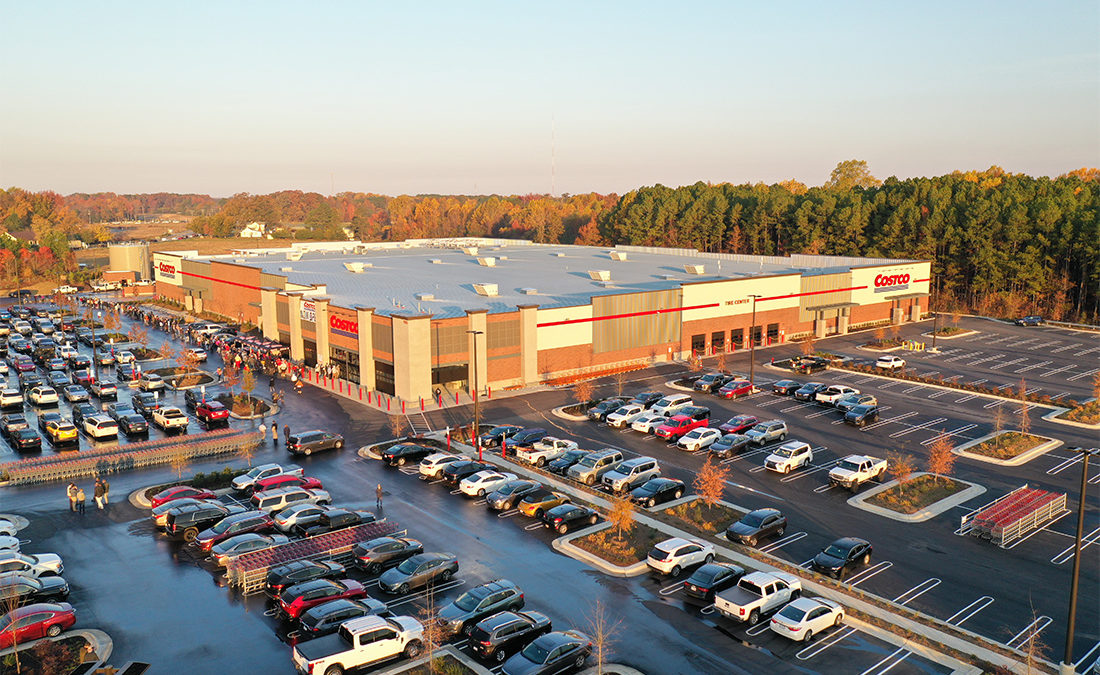
While the title of “biggest Costco” can be debated depending on whether one measures square footage, sales volume, or the sheer breadth of unique offerings, one location consistently emerges in discussions: the Salt Lake City, Utah store. Often cited for its immense physical footprint and comprehensive offerings, this store, among other international giants, serves as a testament to Costco’s commitment to its brand promise. Understanding the “biggest” isn’t just about pinpointing a location; it’s about appreciating how these super-sized outlets embody and amplify the Costco brand, turning a shopping trip into a destination and a membership into a badge of belonging.
The Global Titans: Locating Costco’s Largest Outlets
The concept of “biggest” is subjective in retail, often varying by square footage, annual revenue, or specific product categories. However, when members discuss the largest physical stores, certain locations consistently stand out, serving as flagship examples of Costco’s colossal operational scale and brand commitment. These titans are more than just large buildings; they are physical manifestations of the brand’s expansive vision.
Unveiling the Flagship: Salt Lake City, USA
The Costco Wholesale store in Salt Lake City, Utah, is frequently recognized as one of, if not the, largest Costco locations globally. Spanning an impressive retail floor space that dwarfs most competitors, this particular warehouse is often highlighted for its exceptional variety and capacity. Its sheer scale isn’t accidental; it’s strategically located in a region with significant population density and serves as a major hub for members seeking the full spectrum of Costco’s offerings.
This Salt Lake City behemoth exemplifies the pinnacle of the Costco brand experience. Members navigating its aisles encounter an almost overwhelming selection, from vast palettes of consumer goods to an expanded fresh food section, an extensive bakery, and even specialized departments not found in smaller stores. The rationale behind such a colossal outlet in this region likely stems from a combination of high member penetration, a demographic appreciative of bulk value, and its potential to serve as a regional distribution anchor. For the brand, this store represents a powerful statement of intent: a commitment to offering unparalleled variety and value, physically embodied in a structure designed to impress and serve on a grand scale. It’s a testament to how Costco’s brand strategy leans into the idea that “bigger is better” when it comes to delivering value to its loyal membership.
International Giants: A Glimpse at Overseas Powerhouses
Costco’s global footprint includes numerous impressive warehouses that challenge the notion of a single “biggest” store. Locations in countries like Japan, South Korea, and Canada also boast exceptionally large and high-performing outlets that have become local landmarks. For instance, the Costco in Gyeongsangnam-do, South Korea, or certain stores in metropolitan areas of Japan, are known for their immense size and adaptations to local market demands while still retaining the distinctive Costco brand identity.
These international giants demonstrate Costco’s ability to replicate and scale its unique brand proposition across diverse cultural and economic landscapes. While the product mix might be localized – featuring indigenous brands, fresh produce catering to local palates, and country-specific promotions – the core brand elements remain consistent: the vast, warehouse-style layout, the commitment to bulk value, the membership model, and the efficient, no-frills shopping experience. These stores act as powerful brand ambassadors, signaling Costco’s global reach and its uniform commitment to delivering value, regardless of geographical boundaries. They showcase how the brand maintains a strong, recognizable identity while strategically adapting to cater to the nuances of each international market.
More Than Just Square Footage: Defining “Biggest”
The term “biggest” can be multifaceted. While physical square footage is the most common metric for these discussions, other interpretations exist. A store could be considered “biggest” in terms of its annual sales volume, its regional economic impact, or its unique array of services and specialty departments. For the Costco brand, however, the emphasis on physical scale holds particular significance.
A truly massive physical store directly reinforces Costco’s brand promise of bulk value and vast selection. It creates a palpable sense of abundance and opportunity for members, underscoring the benefits of their membership. The sprawling aisles and towering shelves are visual cues that articulate the brand’s commitment to efficiency and maximizing product availability. This physical grandeur contributes significantly to the “treasure hunt” aspect of the Costco experience – the thrill of discovering unexpected items within an almost limitless inventory. Therefore, while revenue figures are crucial for business finance, the brand relevance of “biggest” predominantly lies in the tangible, awe-inspiring scale that deepens member engagement and solidifies Costco’s unique position in the retail landscape.
The “Biggest” as a Brand Statement: Reinforcing Costco’s Identity
The existence of exceptionally large Costco warehouses is not merely an operational decision; it is a profound brand statement. These super-sized stores serve as physical anchors for Costco’s core identity, communicating its values, promises, and unique approach to retail in a way that resonates deeply with its membership.
Bulk Retail Magnified: The Core Brand Promise
Costco’s brand is synonymous with bulk purchasing and unparalleled value. A “biggest” store amplifies this core promise, transforming it from an abstract concept into a palpable reality. When members walk into a warehouse of immense proportions, stacked high with products, the message is clear: here, quantity meets quality, and value is delivered on an epic scale. The sheer volume of inventory and the vastness of the space visually communicate a commitment to offering the lowest possible prices through economies of scale.
This visual messaging reinforces the brand’s fundamental value proposition. It reassures members that their annual fee provides access to a truly expansive selection and significant savings opportunities that smaller retailers simply cannot match. The experience of navigating vast aisles filled with an astonishing variety of goods, often in multi-packs or large containers, solidifies the perception that Costco is the ultimate destination for smart, economical bulk shopping. This deliberate magnification of the bulk retail experience is a strategic move that entrenches Costco’s brand identity as the definitive leader in warehouse club shopping.
Creating a Destination: The Experiential Aspect
A “biggest” Costco transcends the function of a mere retail outlet; it becomes a destination. For many members, visiting such a store is an event in itself, an outing that extends beyond a quick dash for necessities. This experiential aspect is a powerful, yet often understated, component of Costco’s brand strategy. The sense of discovery, the thrill of the “treasure hunt” for unique or limited-time items, is amplified in a truly vast space. Members are encouraged to explore, to linger, and to uncover new products that contribute to the excitement of each visit.
This transformation from a simple shopping trip to an engaging experience fosters deep member loyalty. People don’t just shop at Costco; they visit Costco. They talk about their finds, their favorite sections, and the unique atmosphere. This word-of-mouth engagement acts as an incredibly potent, organic marketing tool, drawing in new members and reinforcing the value for existing ones. By creating a retail environment that offers more than just products—one that offers an experience—Costco leverages its physical scale to build emotional connections with its brand, making it an indispensable part of its members’ routines and lifestyles.
Operational Prowess and Brand Trust
The successful operation of a super-sized Costco warehouse is a testament to the brand’s formidable logistical capabilities and operational excellence. Managing such an immense inventory, ensuring efficient stock rotation, maintaining cleanliness across vast spaces, and facilitating smooth checkouts for thousands of members daily demands a highly sophisticated operational infrastructure. The seamless execution of these complex processes, particularly in a high-volume environment, speaks volumes about Costco’s internal efficiencies and its commitment to quality service.

This operational prowess indirectly, yet powerfully, builds brand trust. When members witness the smooth functioning of a massive store, it instills confidence in Costco’s ability to consistently deliver on its promises. It signals reliability, competence, and a meticulous attention to detail that extends beyond product selection to the entire shopping journey. This implicit trust is invaluable for a membership-based brand, as members are essentially investing in the promise of a superior and consistent shopping experience. Thus, the “biggest” stores serve not only as retail behemoths but also as shining examples of Costco’s operational might, further solidifying its reputation and enhancing brand loyalty.
Marketing Through Scale: How Size Serves the Brand
In an increasingly competitive retail landscape, differentiation is key. For Costco, the sheer scale of its operations, particularly highlighted by its largest stores, serves as a powerful and often subtle marketing tool. It’s a strategy that builds organic buzz, sets the brand apart, and inherently validates its membership model.
Organic Buzz and Brand Storytelling
The “biggest Costco” is naturally a point of interest, a conversational piece that generates its own publicity. People are inherently curious about superlatives, and a store that pushes the boundaries of retail size becomes an instant talking point. Members share their experiences, recommendations, and even logistical tips for navigating these massive warehouses across social media, forums, and casual conversations. This organic buzz is a highly effective, low-cost marketing strategy that fuels brand awareness and curiosity.
This phenomenon fosters brand storytelling, where each member’s visit to a colossal Costco contributes to a larger narrative about the brand’s impressiveness and unique offerings. The stories might revolve around an unexpected find in an obscure aisle, the sheer volume of a purchase, or the amazement at the store’s scale. These narratives are far more impactful than traditional advertisements, as they are authentic, personal, and come from trusted sources—fellow members. By simply existing on such a grand scale, these stores become inadvertent brand evangelists, generating excitement and reinforcing the aspirational quality of the Costco membership.
Differentiating in a Competitive Landscape
In a market saturated with online retailers, discount stores, and traditional supermarkets, Costco’s scale, epitomized by its largest stores, serves as a significant differentiator. While many retailers are downsizing or focusing solely on e-commerce, Costco boldly embraces the physical, super-sized store model as a core competitive advantage. This distinct approach positions Costco as an experiential shopping destination that cannot be fully replicated online or by smaller competitors.
The ability to offer an unparalleled breadth of products, from fresh produce and deli items to electronics, apparel, and even tires, all under one massive roof, is a unique value proposition. This extensive range, facilitated by large footprints, directly counters the limitations of smaller stores and the fragmented nature of online shopping. By offering a comprehensive, one-stop solution for a vast array of needs, Costco leverages its physical scale to stand out, attract new members, and retain its existing loyal base, positioning itself as a unique and indispensable player in the modern retail ecosystem.
The Membership Model: Scale as a Value Driver
The robust membership model at the heart of Costco’s brand strategy is inextricably linked to its ability to operate super-sized stores. Members pay an annual fee for access to the warehouses and the exclusive deals they contain. The vastness of these stores directly translates into the perceived value of that membership. The ability to house an enormous variety of products at competitive prices, offering significant savings to members who buy in bulk, is fundamentally enabled by the large retail footprint.
Without the expansive space to display and sell such high volumes of diverse goods, the core financial benefits of membership—the access to exceptional value—would be significantly diminished. The “biggest” Costcos are therefore not just large; they are crucial engines that drive the value proposition of the membership itself. They demonstrate to members that their annual investment grants them privileged access to a retail experience that is truly unmatched in its scale, variety, and potential for savings. This symbiotic relationship between physical scale and the membership model is a cornerstone of Costco’s brand success, creating a powerful ecosystem where bigger stores directly contribute to greater member value and loyalty.
Challenges and Strategic Considerations for Super-Sized Stores
While operating the “biggest” stores offers significant brand advantages, it also presents unique challenges that Costco must navigate strategically to maintain its high standards of member experience and community integration. Managing such massive operations requires continuous innovation and a deep understanding of evolving retail landscapes.
Maintaining Member Experience at Scale
One of the primary challenges for super-sized stores is ensuring that the sheer scale doesn’t overwhelm or frustrate members. A vast layout, if not thoughtfully designed, can lead to navigation difficulties, long queues, and a depersonalized shopping experience. Costco addresses this by prioritizing efficient store layouts, clear signage, and a well-trained, ample staff. The strategic placement of popular items, efficient checkout systems, and dedicated member services areas are crucial in ensuring that the “treasure hunt” remains exciting rather than becoming a “frustration hunt.”
Costco’s brand promise includes not just value, but also a certain level of shopping ease and customer service. Maintaining this promise in an environment of immense physical space and high traffic requires meticulous planning and a strong commitment to operational excellence. By focusing on streamlined processes and an engaging store environment, Costco ensures that its largest stores continue to deliver a consistently positive member experience, reinforcing brand loyalty even amidst the challenges of scale.
Local Integration and Community Impact
Establishing and operating a colossal retail outlet has a significant impact on its local community, both economically and socially. While bringing jobs, tax revenue, and convenient shopping options, a super-sized Costco can also pose challenges such as increased traffic, competition for local businesses, and environmental considerations. Costco’s brand reputation is intrinsically linked to its ability to be a good corporate citizen.
Strategic considerations involve active community engagement, traffic management solutions, and responsible land use planning. Building positive relationships with local governments and residents is vital for sustained success. By demonstrating a commitment to local economic development, charitable initiatives, and addressing community concerns proactively, Costco strengthens its brand perception as a responsible and valued member of the communities it serves, even with its imposing physical presence. This careful balancing act ensures that the benefits of a “biggest” store outweigh its potential drawbacks in the eyes of the local populace.

Future of the “Biggest”: Evolving Retail Landscapes
The retail landscape is constantly evolving, with a significant shift towards e-commerce and omnichannel strategies. This raises questions about the enduring relevance and strategic future of the “biggest” physical stores. While online shopping offers convenience, the unique experiential and bulk-value propositions of Costco’s large warehouses suggest they will continue to play a critical role in its brand strategy.
Costco’s approach involves integrating its physical stores with its digital presence. The “biggest” stores can serve as efficient hubs for online order fulfillment, click-and-collect services, and even as showrooms for larger items. The enduring appeal of the physical “treasure hunt,” the immediate gratification of taking home bulk purchases, and the social aspect of shopping with family and friends ensure that the physical store experience remains a powerful differentiator. The future of the “biggest” Costco lies in its adaptability – continuing to offer an unparalleled in-person experience while seamlessly complementing the brand’s expanding digital footprint, proving that even in a digital age, grand physical presence can still be a powerful brand asset.
In conclusion, the question “where is the biggest Costco?” leads us far beyond a simple address. It uncovers the profound ways in which physical scale serves as a cornerstone of Costco’s brand identity. From reinforcing its core promise of bulk value and creating an immersive, destination-like experience, to generating organic buzz and differentiating itself in a crowded market, the “biggest” Costco is a powerful testament to the brand’s strategic vision. These colossal warehouses are not just buildings; they are dynamic symbols of Costco’s commitment to delivering unparalleled value, fostering deep member loyalty, and maintaining a distinctive presence in the global retail arena. They underscore that for Costco, bigger truly is better when it comes to embodying its unique brand promise and securing its enduring appeal.
aViewFromTheCave is a participant in the Amazon Services LLC Associates Program, an affiliate advertising program designed to provide a means for sites to earn advertising fees by advertising and linking to Amazon.com. Amazon, the Amazon logo, AmazonSupply, and the AmazonSupply logo are trademarks of Amazon.com, Inc. or its affiliates. As an Amazon Associate we earn affiliate commissions from qualifying purchases.