
For millions of Americans, payday is the most critical day of the month. Whether you are balancing a mortgage, managing a student loan, or simply trying to stay on top of the weekly grocery bill, the precision of your bank’s deposit schedule matters. Chase, as one of the largest financial institutions in the United States, handles a massive volume of these transactions daily. Understanding exactly when your hard-earned money moves from “pending” to “available” is not just a matter of curiosity; it is a fundamental component of sophisticated personal finance management.
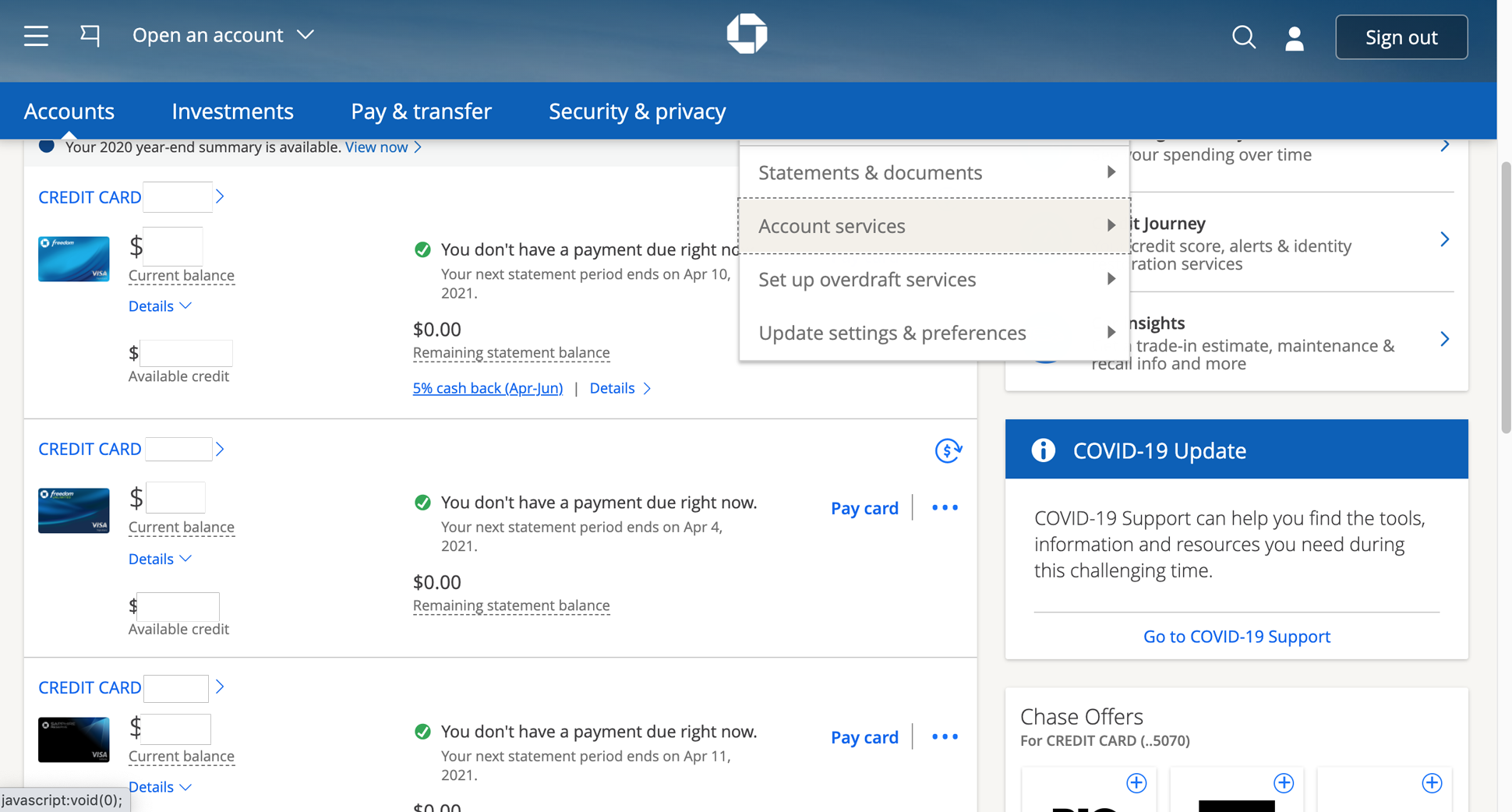
While the digital age has made banking feel instantaneous, the underlying architecture of direct deposits—the Automated Clearing House (ACH) network—operates on specific cycles. This guide explores the timing, mechanics, and strategic considerations of direct deposits at Chase, ensuring you can navigate your financial life with confidence and precision.
The Mechanics of Chase Direct Deposits
The question of “what time” a deposit hits is often answered with a window rather than a specific second. For the vast majority of Chase customers, direct deposits are processed overnight and become available in the early morning hours of the scheduled payday.
The Standard Processing Window
Generally, Chase begins updating account balances to reflect new direct deposits between 3:00 AM and 5:00 AM Eastern Standard Time (EST). However, because Chase operates across multiple time zones, local availability can vary. Many users report seeing their funds as “available” as early as midnight or 1:00 AM in their respective local time zones, provided the employer has initiated the transfer correctly.
It is important to distinguish between “pending” transactions and “available” balances. You may see a deposit listed in your transaction history via the Chase mobile app or website a day or two before the actual payday. This indicates that Chase has received the electronic notification of the incoming funds. However, these funds are typically not available for withdrawal, debit card purchases, or bill payments until the morning of the actual effective date set by your employer.
How the ACH Network Dictates Timing
To understand why Chase processes deposits in the early morning, one must understand the ACH network. This is a batch-processing system used by financial institutions to move money between accounts. When your employer runs payroll, they send a file to their bank, which then sends the data to an ACH Operator (the Federal Reserve or Electronic Payments Network). The operator then routes the transaction to your bank—in this case, Chase.
Chase receives these files in batches throughout the business day. The bank then holds these transactions until the “effective date” specified in the file. On that date, Chase runs an automated process to credit the accounts. This usually happens during the “nightly processing” cycle, which is why the funds appear in the early hours of the morning.
Variables That Impact Deposit Speed
Even with a standardized system, several variables can influence the exact moment your money becomes accessible. These factors range from the administrative efficiency of your employer to the rigid calendar of the Federal Reserve.
Employer Payroll Submission Cycles
The most common reason for a “late” deposit has nothing to do with Chase and everything to do with the sender. For a direct deposit to hit your account on a Friday morning, your employer must typically submit their payroll file by Wednesday. If the payroll department misses the cutoff time for their own bank, the entire cycle is pushed back.
In some cases, smaller businesses may use manual entry or third-party payroll processors that introduce additional lag. If you notice your colleagues at other banks are receiving their pay while yours is still missing, it is often a sign that the ACH instructions reached Chase later than usual.
Federal Reserve Holidays and Weekends
The ACH system does not move money on weekends or federal holidays. This is a critical distinction for anyone whose payday falls on a Saturday, Sunday, or a holiday like Labor Day or Juneteenth.
If your scheduled payday falls on a weekend, Chase will typically post the deposit on the following Monday (the next business day). However, many employers recognize this inconvenience and adjust their payroll cycle to ensure employees are paid on the Friday before the weekend. It is essential to consult your company’s payroll calendar to see how they handle these overlaps, as it directly impacts your liquidity over long weekends.
Account Type and History
While Chase aims for uniformity, the specific type of account you hold can occasionally influence how quickly funds are settled, particularly if there are security concerns or a history of overdrafts. New accounts may undergo more rigorous scrutiny during the first few cycles of direct deposit to ensure the routing and account information are legitimate.

Leveraging Chase’s Early Direct Deposit Feature
In recent years, the banking industry has seen a shift toward “early direct deposit” as a competitive feature. Chase has responded to this trend by introducing “Chase Early Funding,” a feature primarily available to customers with specific account types, such as Chase Secure Banking.
How Early Funding Works
Chase Early Funding allows eligible customers to receive their direct deposit up to two days before their scheduled payday. For example, if your employer typically pays on Friday, the funds could potentially hit your Chase account as early as Wednesday.
This is made possible because Chase chooses to credit the customer’s account as soon as they receive the ACH notification from the employer’s bank, rather than waiting for the formal effective date. It is an act of “good faith” lending by the bank, essentially giving you access to the money while the final settlement between banks is still being finalized.
Qualifying for Early Access
Not all Chase accounts are eligible for this feature. Currently, it is a hallmark of the Chase Secure Banking account, which is designed to provide low-cost banking with no overdraft fees. To take advantage of this, your deposit must be a standard ACH transfer—such as a paycheck, Social Security benefit, or pension payment. One-off transfers from apps like Venmo or PayPal usually do not qualify for early funding, as they are processed differently.
Best Practices for Monitoring and Securing Your Deposits
Relying on a deposit hitting your account at exactly 4:00 AM can be risky if you haven’t taken the proper steps to secure and monitor your account. Professional financial management requires a proactive approach to banking technology.
Setting Up Real-Time Alerts
The most efficient way to know when your money has arrived is to bypass the manual “refreshing” of your mobile app. Chase offers robust “Account Alerts” that can be customized within the app or online portal.
You can set up a push notification, text message, or email alert specifically for direct deposits. By setting a threshold (e.g., “Notify me when a deposit of more than $100 is made”), you receive an instant update the moment the funds move from pending to available. This is particularly useful for those who need to initiate immediate transfers to savings or pay time-sensitive bills.
Verifying Account and Routing Information
A delayed deposit is often the result of a simple clerical error. When setting up a direct deposit, ensure you are using the correct electronic routing number. Chase has different routing numbers for wire transfers versus ACH/Direct Deposits, and using the wrong one can lead to significant delays or the transaction being rejected entirely. Always double-check your account number—found on your checks or within the “Account Details” section of the Chase app—before submitting your payroll forms.
Managing Your Financial Life Around Your Payday
Understanding the timing of your Chase direct deposit is only half the battle; the other half is using that knowledge to optimize your personal finances. When you know exactly when liquidity will increase, you can automate your path to wealth.
Automated Transfers and Savings
One of the most effective strategies for building wealth is “paying yourself first.” Since you know your Chase deposit will likely be available by 6:00 AM on payday, you can schedule automated transfers to your Chase Savings or an external brokerage account for 8:00 AM that same day. This ensures that the money is moved toward your goals before you have the chance to spend it on discretionary items. It removes the psychological friction of manual saving and treats your future self as the most important bill you have to pay.
Bill Pay Alignment
Timing your bill payments to coincide with your direct deposit is a hallmark of disciplined cash flow management. If your mortgage or car payment is due on the 1st of the month, and your deposit hits on the 30th or 31st, you can utilize Chase’s Online Bill Pay to schedule payments for the morning of the 1st.
However, a word of caution: always leave a “buffer” day if possible. Given the variables mentioned earlier—such as bank holidays or employer errors—scheduling a payment for the exact same hour you expect a deposit to hit can lead to accidental overdrafts if the deposit is delayed by even a few hours. A 24-hour window provides a safety net that protects your credit score and your relationship with the bank.

Conclusion
The timing of direct deposits at Chase is a blend of traditional banking cycles and modern digital speed. While you can generally expect your funds to be available between 3:00 AM and 5:00 AM EST on your payday, being aware of the nuances—like the ACH network’s mechanics, the benefits of Early Funding, and the impact of federal holidays—allows you to manage your money with a higher degree of sophistication. By leveraging alerts and automation, you turn a simple payroll event into a strategic tool for financial stability and growth.
aViewFromTheCave is a participant in the Amazon Services LLC Associates Program, an affiliate advertising program designed to provide a means for sites to earn advertising fees by advertising and linking to Amazon.com. Amazon, the Amazon logo, AmazonSupply, and the AmazonSupply logo are trademarks of Amazon.com, Inc. or its affiliates. As an Amazon Associate we earn affiliate commissions from qualifying purchases.