
The traditional image of a laboratory technician peering through a microscope to identify health issues is rapidly becoming a relic of the past. In the modern era, the question of “what test measures liver enzymes” is answered not just by biological chemistry, but by sophisticated software architectures, automated hardware, and advanced artificial intelligence. The Liver Function Test (LFT) has evolved from a manual chemical reaction into a high-tech data extraction process that provides a window into a patient’s metabolic health.
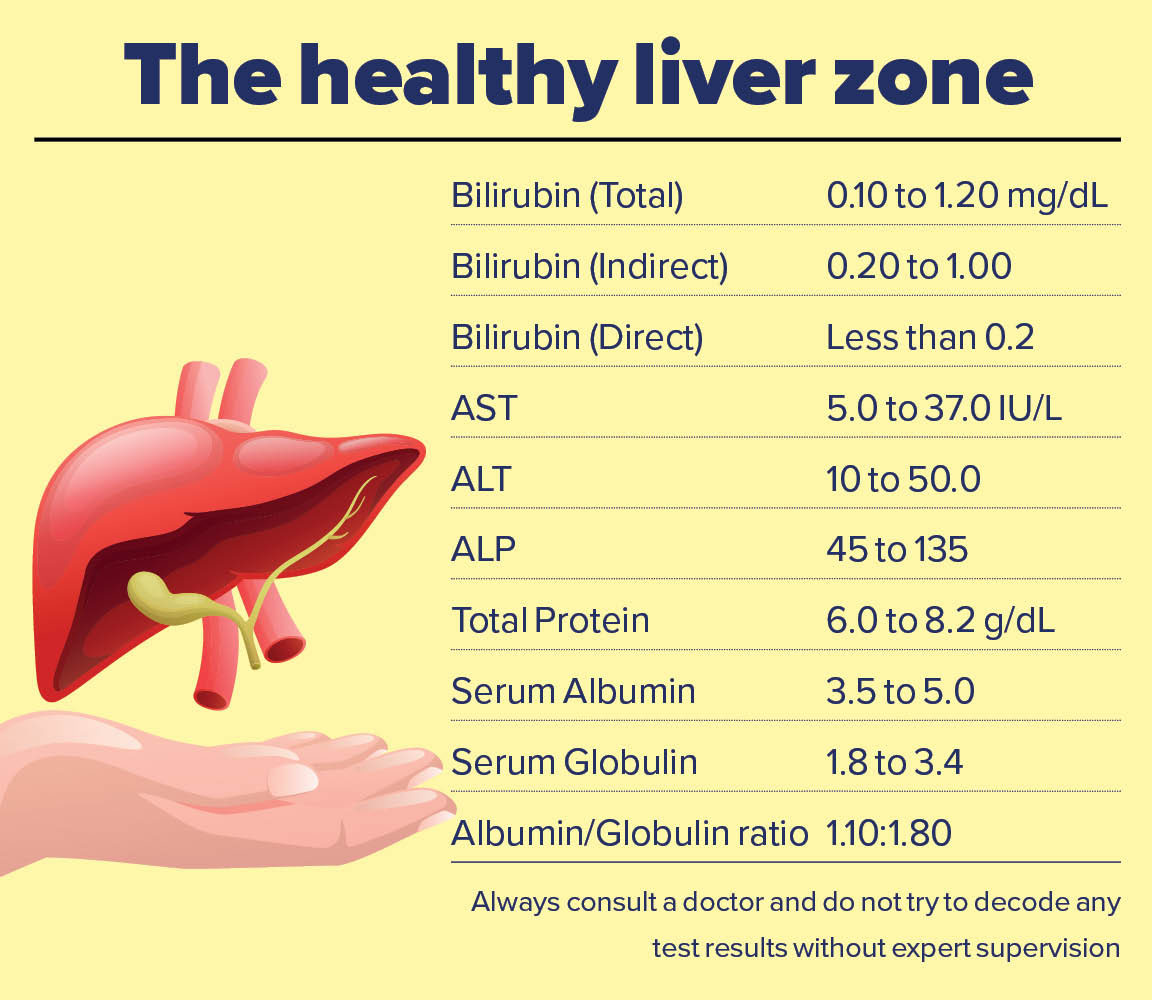
As the intersection of biotechnology and information technology deepens, the systems used to quantify enzymes like Alanine Aminotransferase (ALT), Aspartate Aminotransferase (AST), and Alkaline Phosphatase (ALP) have become marvels of digital engineering. This article explores the technological ecosystem behind liver enzyme measurement, from automated spectrophotometry to the AI-driven predictive models of the future.
The Core Systems: Laboratory Information Systems (LIS) and Automated Analyzers
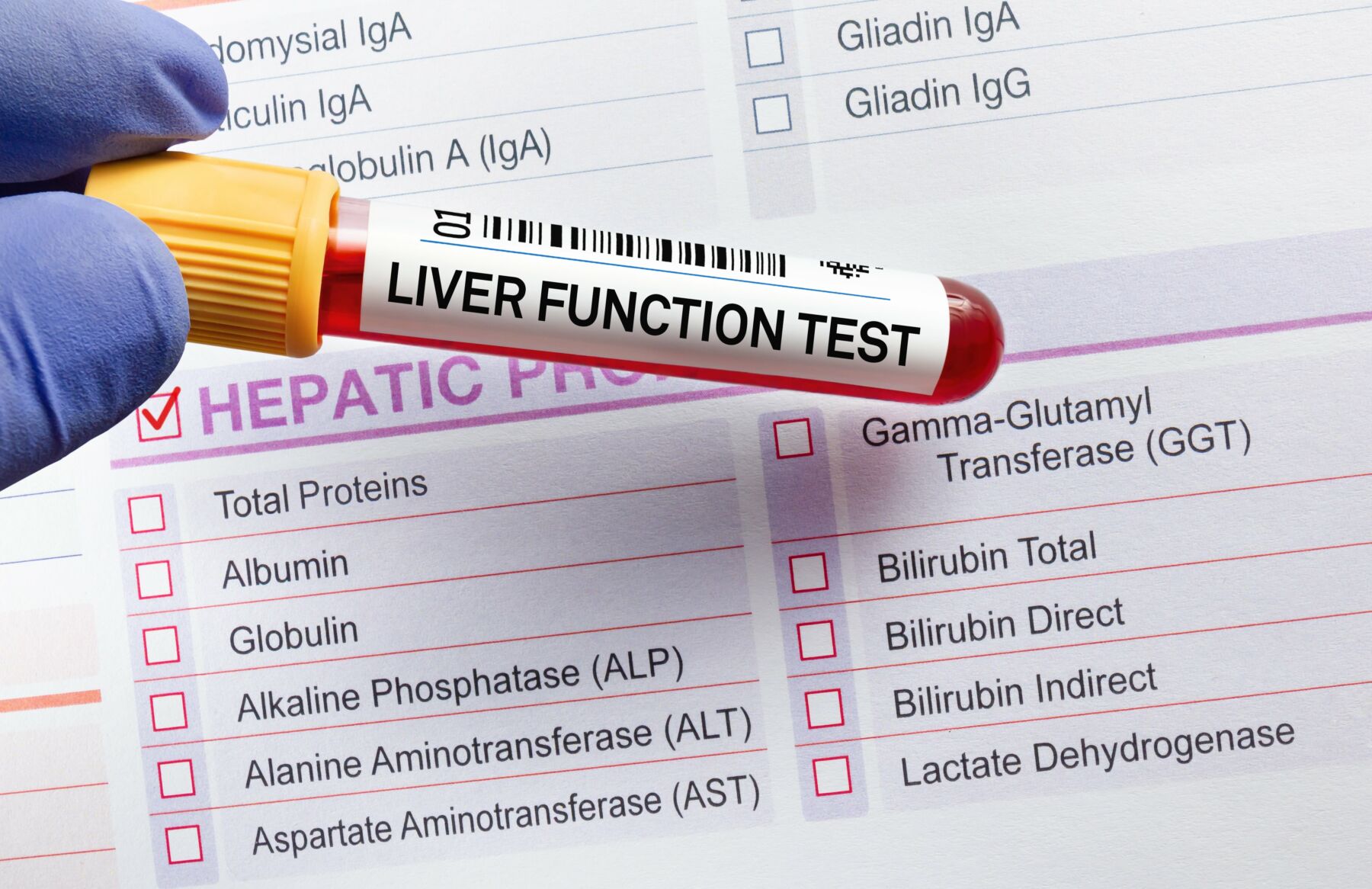
At the heart of any modern diagnostic facility is a synergy between heavy-duty hardware and complex software. When a blood sample is taken to measure liver enzymes, it enters an automated pipeline governed by a Laboratory Information System (LIS). These systems are the “operating systems” of the medical lab, ensuring that every data point is tracked, verified, and integrated into a digital health record.
High-Throughput Spectrophotometry and Optical Sensors
The physical measurement of liver enzymes relies heavily on optical technology. Modern automated analyzers utilize spectrophotometry—a technique that measures how much light a chemical substance absorbs. To detect enzymes, the hardware introduces specific reagents into the blood serum. The resulting chemical reaction produces a color change or a kinetic reaction.
Advanced optical sensors then measure the rate of light absorption at specific wavelengths. The tech behind these sensors must be incredibly precise, often measuring changes in millisecond intervals. This data is converted from an analog light signal into a digital value, which the analyzer’s onboard software then translates into an enzyme concentration (measured in Units per Liter).
The Integration of LIS for Real-Time Data Management
The LIS is more than just a database; it is a workflow automation tool. Once the automated analyzer completes its optical scan, the LIS takes over. It matches the digital result with the patient’s unique barcode, compares the data against “normal” reference ranges stored in the cloud, and flags any outliers for review.
This tech stack eliminates the risk of human transcription error, which was historically the leading cause of diagnostic mistakes. By utilizing middleware—software that connects the hardware of the analyzer to the hospital’s main network—test results can be delivered to a physician’s tablet or smartphone within minutes of the sample being processed.
The AI Revolution in Liver Function Interpretation
While the hardware measures the enzymes, the true innovation lies in how software interprets that data. High levels of ALT or AST are merely raw numbers until they are processed through an analytical framework. Today, Artificial Intelligence (AI) and Machine Learning (ML) are transforming these raw data points into actionable insights.
Machine Learning Algorithms for Pattern Recognition
One of the primary challenges in hepatology is that a single elevated enzyme doesn’t always point to a specific disease. For instance, an elevation in both AST and ALT might suggest different conditions depending on their ratio (the De Ritis ratio).
Modern diagnostic software uses ML algorithms to look at “multiplexed” data. Instead of looking at liver enzymes in isolation, the AI analyzes them in conjunction with other digital markers like bilirubin, albumin, and platelet counts. By training on millions of previous patient outcomes, these algorithms can recognize subtle patterns that a human eye might miss, helping to differentiate between fatty liver disease, viral hepatitis, or drug-induced liver injury with high statistical confidence.
Predictive Analytics and Early Cirrhosis Detection
The most profound impact of tech in this niche is the shift from diagnostic to predictive medicine. Tech firms are now developing software that uses “longitudinal data analysis”—tracking a patient’s liver enzyme trends over years.
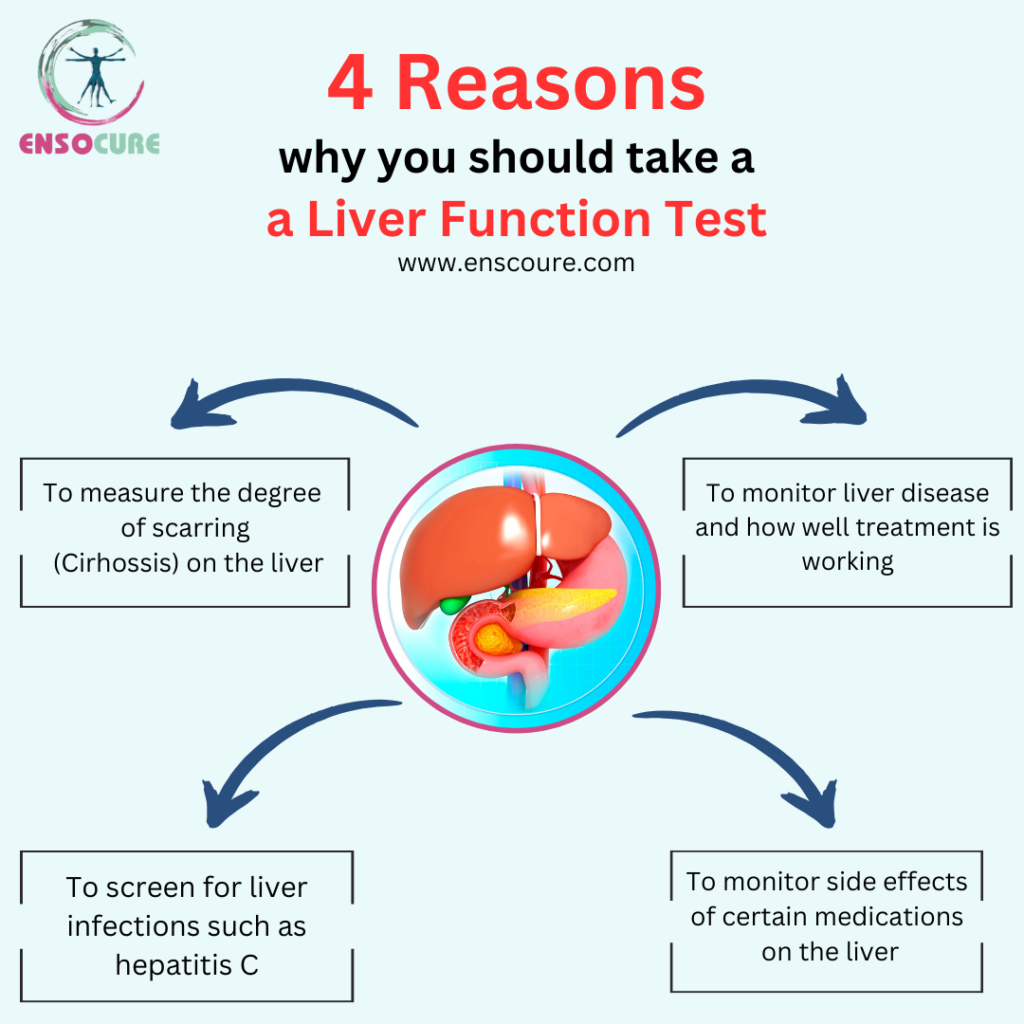
If a software’s predictive model detects a slight but consistent upward trend in enzyme levels, even if they remain within the “normal” range, it can trigger an early alert for the onset of non-alcoholic fatty liver disease (NAFLD). This proactive approach, powered by big data, allows for lifestyle interventions long before permanent scarring (cirrhosis) occurs.
Wearable Tech and Remote Monitoring: The Future of Liver Health
We are currently witnessing a transition from the “centralized lab” model to a “decentralized monitoring” model. Just as glucose monitors revolutionized diabetes management, new technologies are being developed to measure biomarkers of liver health outside of a clinical setting.
Biosensors and Non-Invasive Diagnostic Tools
Research in bio-nanotechnology is currently focused on developing wearable sensors capable of detecting metabolic byproducts in sweat or interstitial fluid. While enzymes like ALT are currently difficult to measure via a skin-patch, the tech industry is pivoting toward “surrogate markers.”
For example, specialized sensors can now monitor the metabolic rate of certain compounds that the liver processes. Furthermore, “Liver-on-a-Chip” technology—a microfluidic chip that mimics the functions of a human organ—is being used in pharmaceutical tech to test how new drugs affect liver enzymes in real-time without the need for human subjects.
IoT and Telemedicine Integration
The Internet of Medical Things (IoMT) is the infrastructure that will carry liver diagnostic data into the next decade. For patients with chronic liver conditions, at-home testing kits are beginning to enter the market. These kits use lateral flow technology (similar to a COVID-19 test) but are read by a smartphone camera.
A dedicated app uses computer vision to analyze the color intensity of the test strip, providing a digital readout of enzyme levels. This data is then automatically uploaded to a cloud server where the patient’s specialist can monitor their status remotely. This integration of IoT reduces the burden on healthcare infrastructure and allows for real-time adjustment of medications.
Data Security and Interoperability in Clinical Diagnostics
As liver enzyme testing becomes increasingly digitized, the focus on the security of that data has become paramount. Biological data is among the most sensitive information a person possesses, making the “Tech” side of “MedTech” responsible for robust security protocols.
Protecting Patient Bio-Data
The measurement of liver enzymes generates a significant amount of Protected Health Information (PHI). Cybersecurity in the diagnostic space involves multi-layered encryption to protect data as it moves from the laboratory analyzer to the cloud and eventually to the clinician’s device.
Software developers are now implementing blockchain technology to create immutable logs of who has accessed or modified a patient’s test results. This ensures data integrity—preventing the accidental or malicious alteration of enzyme readings, which could lead to a catastrophic misdiagnosis.
Cloud-Based Collaborative Research Platforms
The aggregation of anonymized liver enzyme data is a goldmine for medical research. Modern tech platforms allow for “federated learning,” a machine learning technique where an algorithm is trained across multiple decentralized servers (e.g., across different hospitals) without the raw patient data ever leaving its original location.
This technology allows researchers to analyze global trends in liver health—such as the impact of a new environmental toxin on enzyme levels across a population—while maintaining strict privacy compliance. These cloud platforms are accelerating our understanding of liver pathology at a rate that was impossible during the era of paper records.
Conclusion: The Silicon-Based Future of Hepatology
The question of “what test measures liver enzymes” has moved far beyond the test tube. Today, it is a question of how well a laboratory’s automated sensors can capture light, how efficiently an LIS can route that data, and how intelligently an AI can interpret the results.
The convergence of high-speed hardware, predictive software, and secure cloud networking has turned the humble liver function test into a powerful tool of precision medicine. As we look toward the future, the continued evolution of wearable biosensors and AI-driven diagnostics promises a world where liver disease is not just treated after it appears, but predicted and prevented through the power of technology. In this landscape, the “measurement” is just the beginning; the real value lies in the digital intelligence that follows.
aViewFromTheCave is a participant in the Amazon Services LLC Associates Program, an affiliate advertising program designed to provide a means for sites to earn advertising fees by advertising and linking to Amazon.com. Amazon, the Amazon logo, AmazonSupply, and the AmazonSupply logo are trademarks of Amazon.com, Inc. or its affiliates. As an Amazon Associate we earn affiliate commissions from qualifying purchases.