
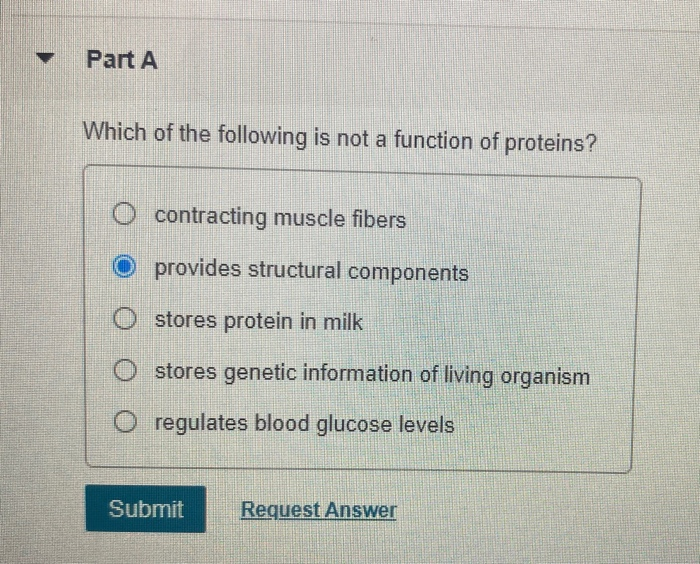
Proteins are the workhorses of the cell, fundamental to virtually every biological process. Their intricate structures and diverse amino acid sequences equip them with an astonishing array of functions, from catalyzing metabolic reactions to providing structural support and transporting molecules. However, in our zeal to appreciate the multifaceted roles of proteins, it’s equally important to delineate what falls outside their purview. Understanding these boundaries is not merely an academic exercise; it sharpens our appreciation for the specialized roles of other biomolecules and clarifies potential misconceptions, especially in fields like biotechnology and drug development where precise functional understanding is paramount.
The Indispensable Roles of Proteins: A Foundation for Understanding Limitations
Before delving into what proteins don’t do, a brief overview of their essential functions is crucial. Proteins are constructed from chains of amino acids, folded into precise three-dimensional shapes that dictate their specific interactions and activities. This structural diversity translates into a vast functional repertoire. Enzymes, for instance, are proteins that accelerate biochemical reactions, acting as biological catalysts essential for metabolism, DNA replication, and signal transduction. Structural proteins, such as collagen and keratin, provide mechanical strength and shape to tissues and cells. Transport proteins, like hemoglobin, carry vital substances throughout the body, while motor proteins facilitate movement within cells and organisms. Receptor proteins on cell surfaces receive external signals, initiating cellular responses. Antibodies, also proteins, are crucial components of the immune system, identifying and neutralizing pathogens. This broad spectrum of activity highlights why proteins are so central to life.
Catalysis: The Realm of Enzymes
Enzymes are arguably the most celebrated functional category of proteins. They possess active sites that bind specific substrate molecules, lowering the activation energy required for a reaction to occur. This catalytic power is essential for breaking down food, building new cellular components, and generating energy. Without enzymes, most biological reactions would proceed too slowly to sustain life. The specificity of enzyme-substrate binding ensures that metabolic pathways are tightly regulated, preventing chaotic and unproductive reactions. Examples abound, from amylase in saliva breaking down starch to DNA polymerase synthesizing new DNA strands. The ability of enzymes to be regulated – activated or inhibited – further underscores their critical role in controlling cellular processes.
Structural Integrity: The Scaffolding of Life
Beyond their dynamic roles, proteins are fundamental to providing physical support. Collagen, the most abundant protein in mammals, forms the strong, fibrous connective tissues that make up skin, tendons, bones, and cartilage. Keratin provides toughness and resilience to hair, nails, and the outer layers of skin. Actin and tubulin are protein components of the cytoskeleton, the internal scaffolding of cells that maintains their shape, allows for intracellular transport, and is involved in cell division. The structural roles of these proteins are passive in the sense that they provide a framework, but their specific interactions and self-assembly are highly regulated processes.
Transport and Signaling: The Movers and Communicators
The movement of molecules across cell membranes and throughout the body is often facilitated by transport proteins. Channel proteins and carrier proteins help regulate the passage of ions and nutrients, maintaining cellular homeostasis. Hemoglobin’s ability to bind and release oxygen in the bloodstream is a classic example of a transport protein’s vital function. On the cellular level, receptor proteins embedded in the cell membrane bind to signaling molecules (ligands) from the external environment. This binding triggers intracellular cascades, transmitting information and coordinating cellular activities. Examples include growth factor receptors and neurotransmitter receptors.
Biomolecules Beyond Proteins: Other Essential Roles in Cellular Function
While proteins are incredibly versatile, they do not operate in a vacuum. Other classes of biomolecules—carbohydrates, lipids, and nucleic acids—possess distinct functions that are complementary to, but not synonymous with, those of proteins. Recognizing these differences is key to a comprehensive understanding of biological systems.
Carbohydrates: Energy Storage and Cellular Recognition
Carbohydrates, composed of simple sugars, serve as the primary source of readily available energy for most organisms. Glucose, a simple sugar, is metabolized through cellular respiration to produce ATP, the universal energy currency of the cell. Polysaccharides like glycogen (in animals) and starch (in plants) are long-term energy storage forms. Beyond energy, carbohydrates also play crucial roles in cellular recognition and communication. Glycoproteins and glycolipids, formed by the covalent attachment of carbohydrates to proteins and lipids, respectively, adorn the cell surface. These carbohydrate moieties act as cell surface markers, involved in immune responses, cell-cell adhesion, and the binding of pathogens. Proteins are involved in the synthesis and breakdown of carbohydrates, and some proteins may bind to carbohydrate structures, but the core function of energy storage and cellular recognition is primarily attributed to carbohydrates themselves.
Lipids: Energy Reserves, Membranes, and Signaling Molecules
Lipids, a diverse group of hydrophobic molecules, are primarily known for their role in long-term energy storage, with fats and oils storing more energy per gram than carbohydrates. Crucially, lipids form the fundamental structure of cell membranes. The phospholipid bilayer, composed of lipid molecules with hydrophilic heads and hydrophobic tails, creates a barrier that separates the cell’s interior from its external environment. This membrane structure is essential for maintaining cellular integrity and regulating the passage of substances. Certain lipids also function as signaling molecules, such as steroid hormones (e.g., estrogen, testosterone) and eicosanoids, which regulate a wide range of physiological processes. While proteins are embedded within or interact with cell membranes, and some proteins are synthesized from lipid precursors or are lipid-modified, the primary structural role of membranes and the primary role of energy storage as triglycerides are distinct lipid functions.
Nucleic Acids: Genetic Information Storage and Protein Synthesis
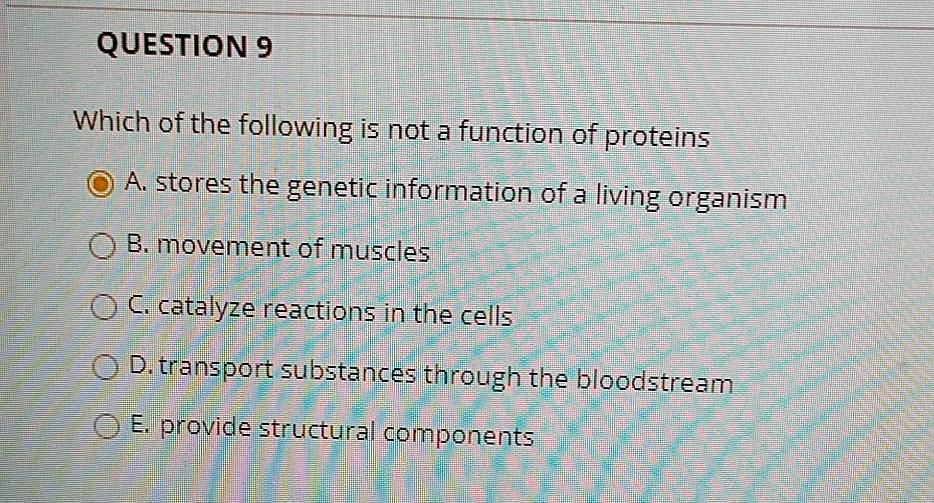
Nucleic acids, DNA and RNA, are the information carriers of life. DNA (deoxyribonucleic acid) stores the genetic blueprint of an organism, encoding the instructions for building and maintaining all cellular components, including proteins. RNA (ribonucleic acid) plays a central role in translating this genetic information into functional proteins through transcription and translation. Transfer RNA (tRNA) carries amino acids to the ribosome, and messenger RNA (mRNA) carries the genetic code from DNA to the ribosome. Ribosomal RNA (rRNA) is a structural and catalytic component of ribosomes, the molecular machines where protein synthesis occurs. While proteins are absolutely essential for the replication, transcription, and translation of nucleic acids (e.g., DNA polymerase, RNA polymerase), the direct storage of genetic information and the direct coding for protein sequences are functions exclusively held by nucleic acids.
The Boundaries of Protein Function: Avoiding Misattribution in Scientific Understanding
The distinction between the functions of different biomolecules is vital for accurate scientific understanding and for driving innovation in fields like medicine and biotechnology. Misattributing functions can lead to flawed research hypotheses, ineffective therapeutic strategies, and a misunderstanding of fundamental biological processes.
Information Storage: The Monopoly of Nucleic Acids
A key distinction lies in the storage of genetic information. While proteins are the products of this information, they are not its carriers. DNA’s double-helix structure and its sequence of nucleotides (adenine, guanine, cytosine, thymine) are perfectly suited for long-term, stable storage of vast amounts of genetic data. RNA, while more transient, carries this information to the protein synthesis machinery. Proteins, on the other hand, are dynamic molecules designed for action—catalysis, structure, transport, signaling—not for stable, heritable information storage. Attempts to engineer proteins for direct genetic information storage are fundamentally misdirected due to the inherent chemical and structural properties of amino acids versus nucleotides.
Energy Currency: The Role of ATP
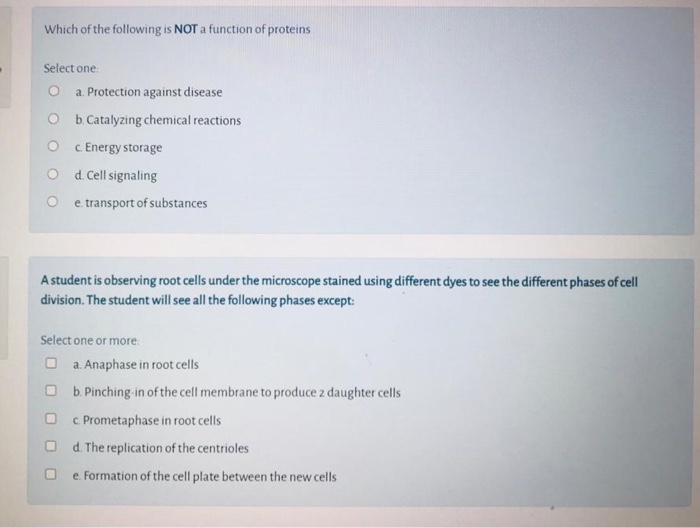
While proteins are involved in the metabolic pathways that generate and utilize energy, they are not the direct currency of cellular energy. Adenosine triphosphate (ATP) is the molecule that cells use as a readily available source of energy for most cellular processes. The hydrolysis of ATP to ADP (adenosine diphosphate) releases energy that powers muscle contraction, active transport, and chemical synthesis. Proteins involved in energy metabolism, such as enzymes in glycolysis and cellular respiration, facilitate the production and consumption of ATP, but they do not themselves serve as the direct energy store or transfer agent in the way ATP does.
The Structural Basis of Genetic Material: A Predominantly Nucleic Acid Role
While some proteins are crucial for the packaging and organization of DNA (e.g., histones in eukaryotes), the fundamental structural backbone and the information-carrying units of genetic material are nucleic acids. The sugar-phosphate backbone of DNA and RNA provides the structural integrity, while the nucleotide bases carry the genetic code. Proteins interact with nucleic acids to regulate their expression and replication, but they do not form the primary structural or informational component of the genetic material itself.
Implications of Understanding Protein Function Limitations
A clear understanding of what constitutes a protein’s function versus the functions of other biomolecules has profound implications across various scientific disciplines.
In Drug Development: Targeted Therapies and Biomarker Identification
In pharmacology, precisely defining a drug’s target is paramount. If a disease is caused by a malfunctioning enzyme, a protein-binding receptor, or a faulty transport protein, then protein-targeted therapies are appropriate. However, if the underlying issue involves a defect in energy metabolism due to insufficient ATP production, or a genetic mutation leading to a faulty RNA molecule, then targeting proteins might not be the most effective strategy. Understanding the distinct roles of lipids in membrane integrity or carbohydrates in cellular recognition can lead to entirely different therapeutic approaches. For instance, therapies aimed at improving ATP production or modifying carbohydrate-based cell surface markers would address different biological problems than those targeting specific protein interactions.
In Biotechnology and Synthetic Biology: Designing Novel Systems
When engineers and scientists design artificial biological systems or engineer existing ones, a precise grasp of molecular roles is essential. If the goal is to create a system for storing information, nucleic acids are the natural choice. If the aim is to create a new energy source, understanding lipid metabolism or carbohydrate pathways would be more relevant than solely focusing on protein engineering. For instance, in the burgeoning field of synthetic biology, researchers might aim to create new enzymes for industrial processes (a protein function), but they would rely on nucleic acids for the genetic code to produce these enzymes and on carbohydrates or lipids for energy provision within the synthetic cellular chassis.
In Diagnostic Tools: Precise Interpretation of Biological Signals
Diagnostic tools often rely on detecting specific molecules or their activities. Understanding protein functions helps in developing assays that specifically detect protein biomarkers indicative of disease, such as elevated levels of certain enzymes in the blood. However, it also clarifies what shouldn’t be detected or interpreted as a primary protein function. For example, if a diagnostic test focuses on measuring ATP levels, it’s not directly measuring a protein’s function but rather the cell’s energy status, a role primarily held by a small molecule nucleotide. Similarly, identifying genetic mutations involves analyzing nucleic acids, not proteins, although the consequences of these mutations often manifest as altered protein function.
In conclusion, while proteins are undeniably central to life, their functions are not all-encompassing. Recognizing the distinct and complementary roles of carbohydrates, lipids, and nucleic acids allows for a more nuanced and accurate understanding of biological systems. This clarity is not just foundational for academic pursuit; it’s a critical driver of innovation and precision in scientific and technological advancements, particularly in the realms of medicine, biotechnology, and the ongoing quest to unravel the complexities of life.
aViewFromTheCave is a participant in the Amazon Services LLC Associates Program, an affiliate advertising program designed to provide a means for sites to earn advertising fees by advertising and linking to Amazon.com. Amazon, the Amazon logo, AmazonSupply, and the AmazonSupply logo are trademarks of Amazon.com, Inc. or its affiliates. As an Amazon Associate we earn affiliate commissions from qualifying purchases.