
System engineering is a cornerstone of modern technological advancement, a discipline that bridges the gap between conceptual ideas and functional, robust systems. At its core, system engineering is about understanding the “big picture” while meticulously managing the intricate details that bring complex projects to life. It’s not just about individual components; it’s about how those components interact, how the entire system performs, and how it evolves over its lifecycle. This field is crucial for developing everything from intricate software applications and sprawling cloud infrastructures to sophisticated aerospace vehicles and critical national defense systems. In essence, system engineers are the architects and integrators of our increasingly interconnected technological world.
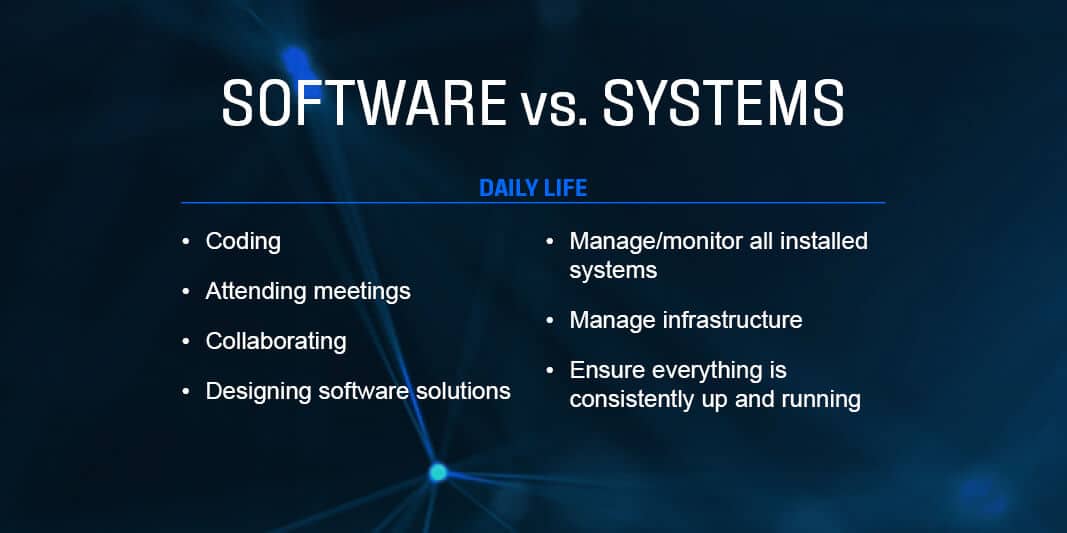
The System Engineering Lifecycle: From Conception to Retirement
The work of a system engineer is intrinsically tied to the lifecycle of a system. This lifecycle encompasses every stage, from the initial spark of an idea to the eventual decommissioning of the system. Understanding and managing each phase is paramount to delivering successful, reliable, and cost-effective solutions.
Conception and Requirements Definition
The journey begins long before any code is written or hardware is manufactured. In the conception phase, system engineers work closely with stakeholders – clients, end-users, management – to understand their needs, problems, and aspirations. This involves extensive research, feasibility studies, and the identification of potential opportunities. The output of this stage is a clear, concise, and actionable set of requirements.
Eliciting and Documenting Stakeholder Needs
This is arguably the most critical and often challenging aspect of the initial phase. System engineers employ various techniques, including interviews, workshops, surveys, and observation, to gather information about what the stakeholders truly need, not just what they say they want. They must be adept at asking the right questions, probing for underlying motivations, and identifying implicit requirements that might not be explicitly stated. Documenting these needs is not a mere formality; it forms the bedrock of the entire project. Requirements documents, such as System Requirements Specifications (SRS), must be unambiguous, testable, traceable, and prioritized. Ambiguity at this stage can lead to costly rework, scope creep, and ultimately, project failure.
Feasibility Studies and Trade-off Analysis
Once the requirements are understood, system engineers conduct feasibility studies to determine if the proposed system is technically achievable, economically viable, and operationally practical within given constraints. This involves evaluating different technical approaches, assessing available resources, and identifying potential risks. Trade-off analysis is a crucial skill here. System engineers must balance competing requirements and constraints. For instance, a requirement for high performance might conflict with a requirement for low cost or low power consumption. Through careful analysis and modeling, they identify the optimal balance, making informed decisions about which parameters to prioritize.
Design and Architecture
With a solid understanding of the requirements, the system engineer moves into the design phase. This is where the blueprint of the system is created, outlining its structure, components, and their interactions. A well-defined architecture is essential for managing complexity and ensuring scalability, maintainability, and extensibility.
Architectural Design and System Decomposition
The architectural design is the high-level blueprint of the system. It defines the major subsystems, their interfaces, and how they will interact to fulfill the overall requirements. System engineers use various modeling languages and frameworks, such as UML (Unified Modeling Language) or SysML (Systems Modeling Language), to visually represent the architecture. System decomposition involves breaking down the complex system into smaller, manageable subsystems. Each subsystem is then further defined with its own requirements and design, creating a hierarchical structure that facilitates development and testing. This process ensures that each part of the system can be designed, developed, and tested independently before being integrated into the whole.
Interface Management and Integration Planning
In any complex system, the way different components or subsystems communicate is paramount. Interface management defines the protocols, data formats, and mechanisms by which these elements interact. System engineers meticulously document these interfaces to ensure seamless communication and prevent integration issues down the line. Integration planning outlines the strategy for bringing together the various developed components into a functional whole. This involves defining the order of integration, the testing procedures at each stage, and contingency plans for addressing integration challenges that inevitably arise. A robust integration plan minimizes surprises and ensures a smoother path to a complete system.
Implementation and Verification
This phase involves the actual building of the system’s components and then rigorously testing them to ensure they meet the defined requirements. System engineers play a crucial role in overseeing this process and ensuring quality.
Development Oversight and Component Integration
While system engineers might not always be the ones writing the code or building the hardware, they provide critical oversight to development teams. They ensure that the implementation adheres to the architectural design and meets the specified requirements. They act as a bridge between design and implementation, clarifying any ambiguities and resolving issues that arise during development. Component integration, as planned in the previous phase, is executed with system engineers closely monitoring the process, troubleshooting any mismatches or malfunctions.
Testing and Validation Strategies
Verification and validation are distinct but equally important processes. Verification ensures that the system is built correctly according to the specifications. This involves various levels of testing, from unit testing of individual components to integration testing of subsystems. Validation, on the other hand, ensures that the system built is the right system, meaning it meets the stakeholder’s actual needs and performs its intended function in its operational environment. System engineers design and oversee comprehensive test plans that cover all aspects of the system’s functionality, performance, reliability, and security. This might involve simulations, prototype testing, and rigorous end-to-end testing.
Operations, Maintenance, and Evolution
A system’s lifecycle doesn’t end after its initial deployment. System engineers are involved in ensuring its continued operation, addressing issues, and planning for its future enhancements.
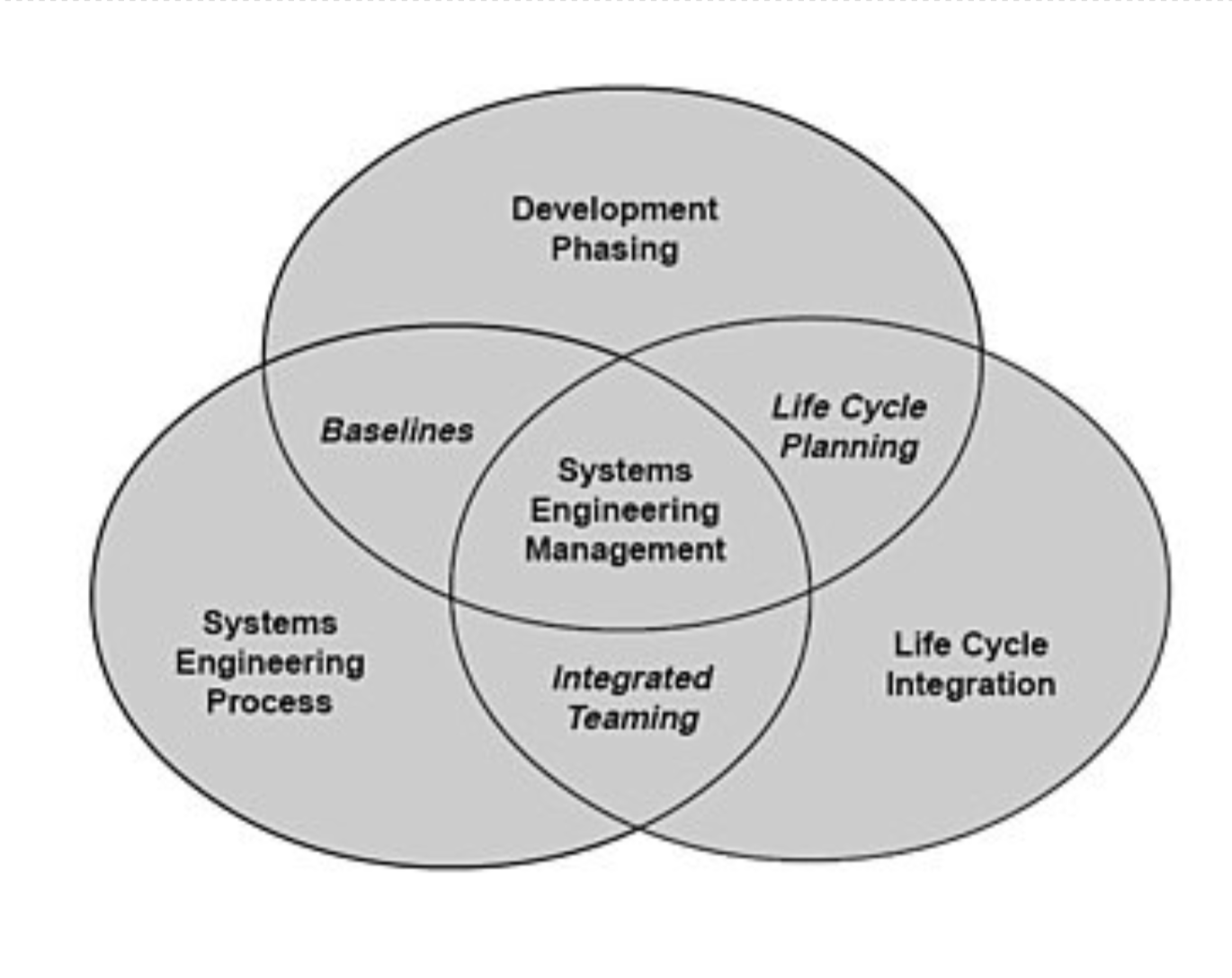
Performance Monitoring and Optimization
Once a system is in operation, its performance must be continuously monitored. System engineers establish metrics and implement tools to track key performance indicators (KPIs) such as response times, throughput, resource utilization, and error rates. When performance degrades or bottlenecks are identified, they analyze the root causes and propose solutions for optimization. This might involve tuning configurations, optimizing algorithms, or even suggesting hardware upgrades.
Change Management and Configuration Control
As user needs evolve or new technologies emerge, systems often require modifications. Change management is the structured process for proposing, evaluating, approving, implementing, and reviewing changes to a system. System engineers ensure that these changes are implemented in a controlled manner, minimizing disruption and maintaining system integrity. Configuration control is closely related, focusing on managing and tracking the different versions of system components, documentation, and baselines to ensure that the correct versions are being used and that any changes are properly accounted for.
System Retirement and Decommissioning
Even systems eventually reach the end of their useful life. System engineers play a role in planning for the graceful retirement and decommissioning of systems. This involves ensuring that data is migrated or archived appropriately, that dependencies on the retired system are addressed, and that any environmental or security considerations during decommissioning are managed. This final stage ensures a clean and responsible end to a system’s operational life.
The Essential Skills of a System Engineer
The diverse responsibilities of a system engineer demand a unique blend of technical acumen, analytical thinking, and interpersonal skills. They must be jacks-of-all-trades, capable of understanding and influencing multiple domains.
Technical Breadth and Depth
System engineers need a broad understanding of various technical disciplines relevant to the systems they work on. This could include software development, hardware engineering, networking, cybersecurity, databases, and cloud computing. While they may not be deep specialists in every area, they must possess sufficient knowledge to effectively communicate with specialists, understand their contributions, and identify potential integration challenges. Furthermore, for specific complex systems, deep technical knowledge in a particular domain might be required.
Analytical and Problem-Solving Prowess
At the heart of system engineering lies the ability to analyze complex problems, break them down into manageable parts, and devise effective solutions. This requires strong logical reasoning, critical thinking, and the ability to identify patterns and root causes. They must be adept at abstract thinking, envisioning how components interact and how the system behaves under various conditions. When issues arise, they must be able to systematically diagnose the problem, evaluate potential solutions, and implement the most effective one.
Communication and Collaboration
System engineers operate at the nexus of various teams and stakeholders. They must be excellent communicators, capable of articulating technical concepts to both technical and non-technical audiences. This includes clear and concise written documentation, persuasive presentations, and effective facilitation of discussions. Collaboration is paramount. They must work effectively with developers, testers, project managers, clients, and end-users, fostering an environment of mutual understanding and shared goals. Their ability to build consensus and navigate differing perspectives is crucial for project success.
Project Management and Risk Mitigation
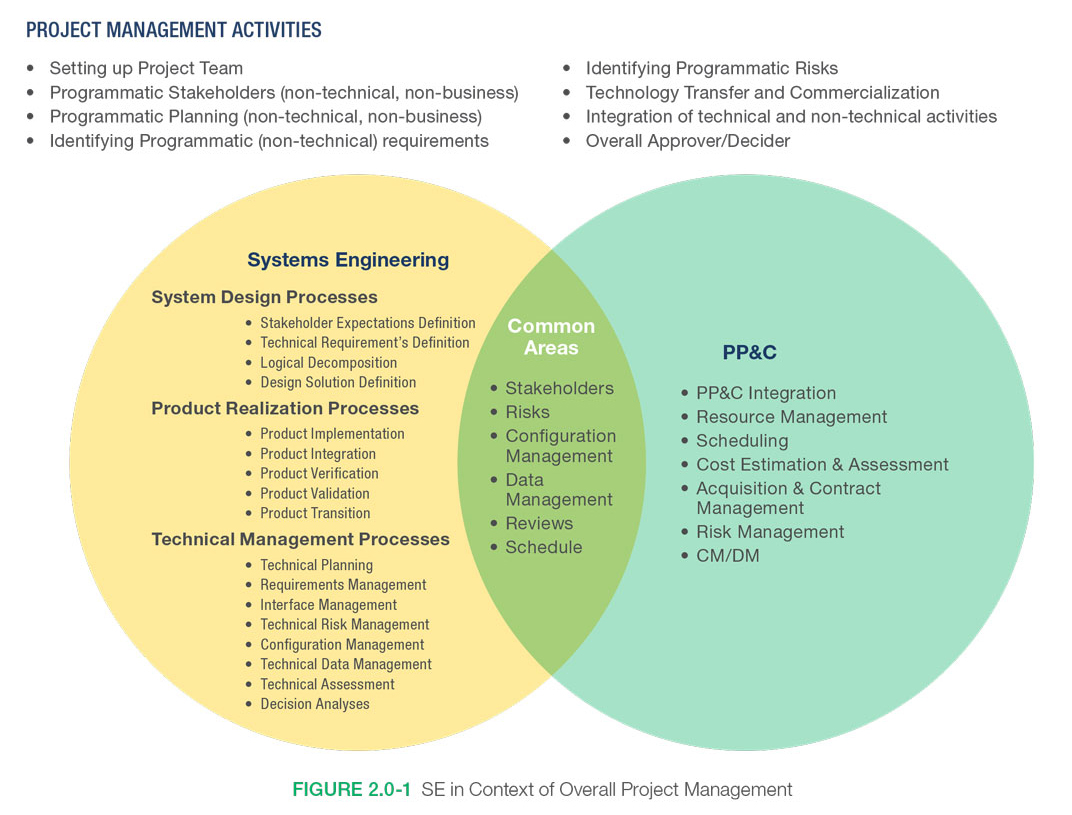
While not always holding the formal title of project manager, system engineers often perform many project management functions. They contribute to planning, scheduling, resource allocation, and budget management. A critical aspect of their role is risk management. They must proactively identify potential risks throughout the system lifecycle, assess their impact, and develop mitigation strategies. This foresight helps prevent crises and ensures that projects stay on track, within budget, and meet their objectives.
The Impact and Future of System Engineering
The role of the system engineer is only growing in importance as technology becomes more complex and interconnected. The demand for skilled system engineers is high and is projected to continue to rise.
Enabling Complex Technological Advancements
From the intricate software that powers our smartphones to the complex systems that enable space exploration and the development of artificial intelligence, system engineers are the invisible architects making these advancements possible. They are the ones who ensure that these disparate technologies can work together harmoniously to achieve a common goal. Without their expertise in integration, design, and lifecycle management, many of the technological marvels we take for granted would simply not exist.
The Evolution of System Engineering Practices
The field of system engineering is not static. It is constantly evolving to meet new challenges and leverage new technologies. Methodologies like Model-Based Systems Engineering (MBSE) are gaining traction, using digital models to represent and analyze system designs, improving collaboration and reducing errors. The rise of agile development and DevOps practices also influences how system engineers approach their work, emphasizing iterative development, continuous integration, and continuous delivery.
The Future Landscape: AI, Cybersecurity, and Interconnectivity
The increasing prevalence of AI, the ever-growing importance of cybersecurity, and the pervasive nature of interconnectivity present both challenges and opportunities for system engineers. Designing AI-enabled systems requires understanding complex algorithms, data pipelines, and ethical considerations. Ensuring robust cybersecurity in interconnected systems demands a holistic approach, integrating security measures at every level of the system. As more devices and systems become interconnected, the complexity of managing these distributed environments will only increase, further highlighting the indispensable role of the system engineer. They will be at the forefront of designing resilient, secure, and intelligent systems that will shape our future.
aViewFromTheCave is a participant in the Amazon Services LLC Associates Program, an affiliate advertising program designed to provide a means for sites to earn advertising fees by advertising and linking to Amazon.com. Amazon, the Amazon logo, AmazonSupply, and the AmazonSupply logo are trademarks of Amazon.com, Inc. or its affiliates. As an Amazon Associate we earn affiliate commissions from qualifying purchases.