
The excitement of travel often begins long before boarding, with the meticulous planning of what to pack. For the modern traveler, this invariably includes a suite of electronic devices – smartphones, laptops, tablets, e-readers, cameras, and the indispensable power banks to keep them all alive. However, the seemingly straightforward act of packing these gadgets can become a complex puzzle, governed by a labyrinth of airline and aviation security regulations. Understanding these rules isn’t just about avoiding inconvenience at the security checkpoint; it’s crucial for ensuring the safety of all passengers and crew. This guide delves into the technological aspects of air travel, clarifying what electronic devices and related accessories you can and cannot bring on board, and why.
The Ubiquitous Smartphone and Portable Electronics
In today’s hyper-connected world, a smartphone is an extension of ourselves. Its presence on a plane is not only expected but often essential for navigation, communication, entertainment, and even boarding passes. The good news is that most personal electronic devices, including smartphones, laptops, tablets, digital cameras, and e-readers, are generally permitted in both carry-on and checked baggage. However, there are nuances and restrictions that are critical to understand.
Carry-On vs. Checked Baggage: A Battery of Considerations
The primary distinction in packing electronics revolves around the type of battery powering your devices. Lithium-ion batteries, common in most portable electronics due to their high energy density and reusability, are the focus of most regulations. This is because they can, under certain conditions, pose a fire hazard.
- Lithium-ion Batteries in Devices (Under 100Wh): For devices with installed lithium-ion batteries rated at or below 100 watt-hours (Wh), such as most smartphones, tablets, and laptops, you are generally allowed to carry these devices in both your carry-on and checked baggage. However, for safety reasons, airlines strongly recommend, and sometimes mandate, that these devices be turned off (not just in airplane mode) and protected from accidental activation in checked baggage. This is to prevent any internal short circuits or power surges that could initiate a fire.
- Lithium-ion Batteries in Devices (100-160Wh): If you have larger devices with batteries between 100Wh and 160Wh (less common for personal devices, more for professional photography equipment or specialized medical devices), you will typically need airline approval. These are usually restricted to carry-on baggage only, and you’ll likely be limited to carrying a maximum of two spare batteries. Again, these batteries must be protected from short circuits.
- Spare Lithium-ion Batteries: This is where a significant divergence occurs. Spare lithium-ion batteries (including power banks and external battery chargers), regardless of their Wh rating, are strictly prohibited from being placed in checked baggage. They must always be carried in your carry-on baggage. The rationale is that if a spare battery were to overheat and ignite, cabin crew would have immediate access to extinguish the fire. Unused batteries in the cargo hold present a much greater and uncontrollable risk. When carrying spare batteries, it is imperative to protect their terminals from short circuits. This can be achieved by keeping them in their original retail packaging, placing tape over exposed terminals, or storing each battery in a separate plastic bag.
The Power of Power Banks: An Essential Companion, With Caveats
Power banks, also known as portable chargers or battery packs, have become indispensable for travelers, ensuring that essential devices remain operational throughout long journeys. As mentioned, all power banks are considered spare batteries and must be transported in carry-on baggage only. Furthermore, most airlines limit the size of power banks you can bring. While the exact wattage limit can vary slightly between airlines, a common threshold is 100Wh. Many common power banks fall within this range, but it’s always wise to check the specifications of your power bank and the airline’s policy. For those requiring higher capacity power banks, exceeding 100Wh but not exceeding 160Wh, airline approval is typically required, and you’ll likely be limited to carrying them in carry-on baggage only.
Laptops, Tablets, and E-readers: Always Accessible
These larger portable electronic devices, typically equipped with lithium-ion batteries under 100Wh, are permitted in both carry-on and checked baggage. However, it is highly recommended to pack your laptop and other valuable portable devices in your carry-on baggage. This not only provides peace of mind against potential damage or loss in checked luggage but also allows you to use them during the flight for entertainment or work. You will be required to remove your laptop from its case and place it in a separate bin for X-ray screening at security. This is a standard procedure to allow for a more thorough inspection of the device.
Navigating the Rules for Other Electronic Gear
Beyond the personal computing and communication devices, a plethora of other electronic items populate the modern traveler’s bag. Understanding the regulations for these items ensures a smooth passage through security.
Cameras and Drones: Capturing Memories, Responsibly
Professional camera equipment, including DSLR cameras, mirrorless cameras, lenses, and accessories, are generally allowed in both carry-on and checked baggage. However, due to their value and fragility, carrying them in your carry-on is strongly advised. For drone enthusiasts, regulations can be more complex and often depend on the size and battery capacity of the drone. Smaller drones are typically allowed in carry-on baggage. Larger drones, especially those with high-capacity lithium-ion batteries, may require special handling and advance notification to the airline. It’s essential to check the specific regulations for batteries in drones, as they often exceed the standard 100Wh limit for typical personal electronics. Remember, spare batteries for drones must also follow the carry-on only rule.

Audio and Video Equipment: Entertainment and Productivity Tools
Headphones, portable speakers, gaming consoles, and external hard drives are generally permitted on board without significant restrictions, provided they contain approved battery types. Again, if any of these devices contain or are accompanied by spare lithium-ion batteries, those spares must travel in your carry-on baggage. Larger video cameras or broadcasting equipment may have specific battery size limitations and might require airline approval, similar to larger laptops.
Medical Devices: Essential Technologies for Health
For travelers who rely on medical devices powered by electricity or containing lithium-ion batteries, specific regulations are in place to ensure their safe transport. Devices like CPAP machines, portable oxygen concentrators (POCs), and certain mobility aids often fall under this category.
- FAA and TSA Guidelines: The U.S. Federal Aviation Administration (FAA) and the Transportation Security Administration (TSA) have specific provisions for medical devices. Generally, battery-powered medical devices are allowed in both carry-on and checked baggage. However, it is highly recommended to carry these devices in your carry-on baggage. This is because spare batteries for these devices, even if they power the device, are still subject to the same rules as other spare lithium-ion batteries – they must be protected and kept in carry-on.
- Device Functionality: It’s crucial that your medical device can be demonstrated to function. Airlines may require you to prove the device’s functionality, so carrying any necessary charging cables or backup batteries is essential. For POCs, some airlines may have weight restrictions or require specific battery types. Passengers are strongly advised to contact their airline in advance to discuss their specific medical device and any associated battery requirements. Documenting your need for the device, such as a doctor’s note, can also be beneficial.
Prohibited Items: Technologies That Don’t Fly
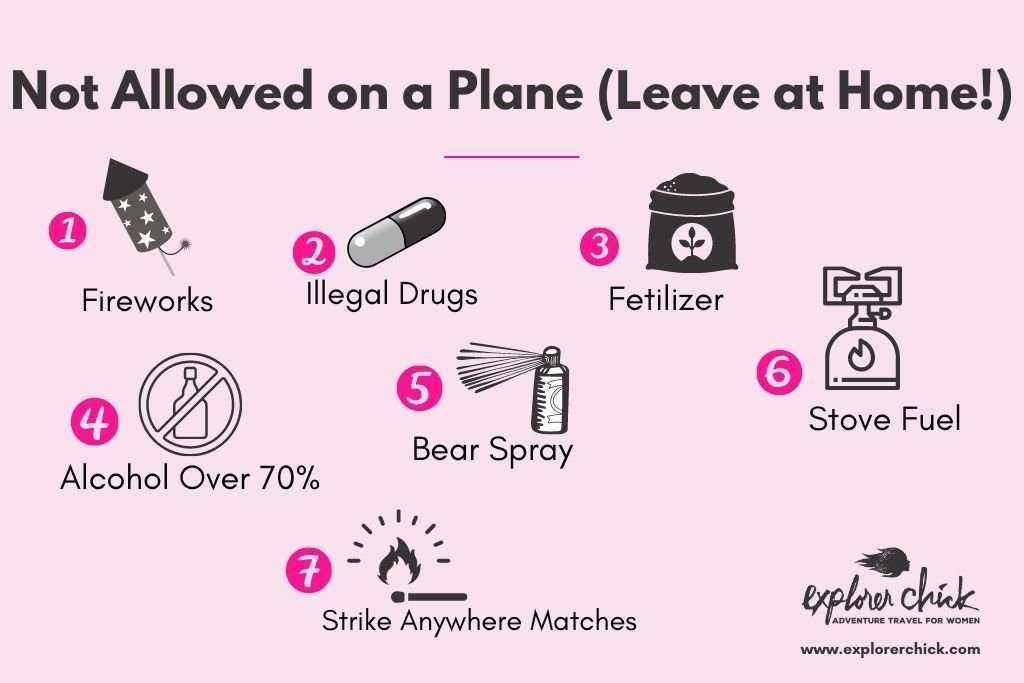
While the list of what you can bring is extensive, there are specific electronic items and components that are either completely banned or heavily restricted due to safety concerns.
Lithium Metal Batteries: A Different Kind of Fire Risk
Lithium metal batteries are different from rechargeable lithium-ion batteries. They are typically found in devices like watches, calculators, and some small medical devices. These batteries are generally prohibited in checked baggage and are often restricted in carry-on baggage. The primary concern is their propensity to react with water and cause fires. While some small devices containing lithium metal batteries might be permitted, it’s essential to check with your airline. For larger or spare lithium metal batteries, they are almost always forbidden.
Explosive and Flammable Technologies: Obvious Dangers
This category, while perhaps obvious, is worth reiterating in the context of electronics. Any device that contains or utilizes explosive materials or highly flammable liquids or gases is strictly forbidden. This extends to certain types of older or specialized batteries that fall into these categories. Any electronic device that is modified to become a weapon, such as a stun gun or taser, is also prohibited.
Unidentified or Damaged Batteries and Devices
Aviation security personnel are trained to identify potential hazards. Any battery that appears to be damaged, leaking, or is not clearly labeled with its specifications may be subject to confiscation. Similarly, electronic devices that appear to have been tampered with or are not in working order can raise security concerns. It’s always best to ensure your electronic devices and their batteries are in good condition and clearly identifiable.

Smart Luggage: A Growing Regulatory Challenge
A newer category of electronic items causing a stir are “smart luggage” – suitcases equipped with built-in batteries for features like GPS tracking, remote locking, or even charging ports. The issue here is that the lithium-ion battery is integrated into the luggage. If the battery is not removable, the smart luggage is generally prohibited from being checked. Many airlines require that these devices be transported in the cabin as carry-on luggage, and sometimes even require the battery to be removed. If the battery is removable, then the smart luggage can often be checked, but the removed battery must then be carried in carry-on, following all spare battery regulations. Always check the specific airline’s policy on smart luggage before you fly.
In conclusion, navigating the world of electronics and air travel requires a proactive approach. Familiarize yourself with the regulations regarding lithium-ion batteries, understand the distinction between installed and spare batteries, and always err on the side of caution by placing spare batteries and power banks in your carry-on. By doing so, you not only ensure a smoother journey through security but also contribute to a safer and more secure travel environment for everyone. A little pre-flight research into your airline’s specific policies will go a long way in preventing unexpected disruptions and ensuring your essential tech makes it to your destination.
aViewFromTheCave is a participant in the Amazon Services LLC Associates Program, an affiliate advertising program designed to provide a means for sites to earn advertising fees by advertising and linking to Amazon.com. Amazon, the Amazon logo, AmazonSupply, and the AmazonSupply logo are trademarks of Amazon.com, Inc. or its affiliates. As an Amazon Associate we earn affiliate commissions from qualifying purchases.