
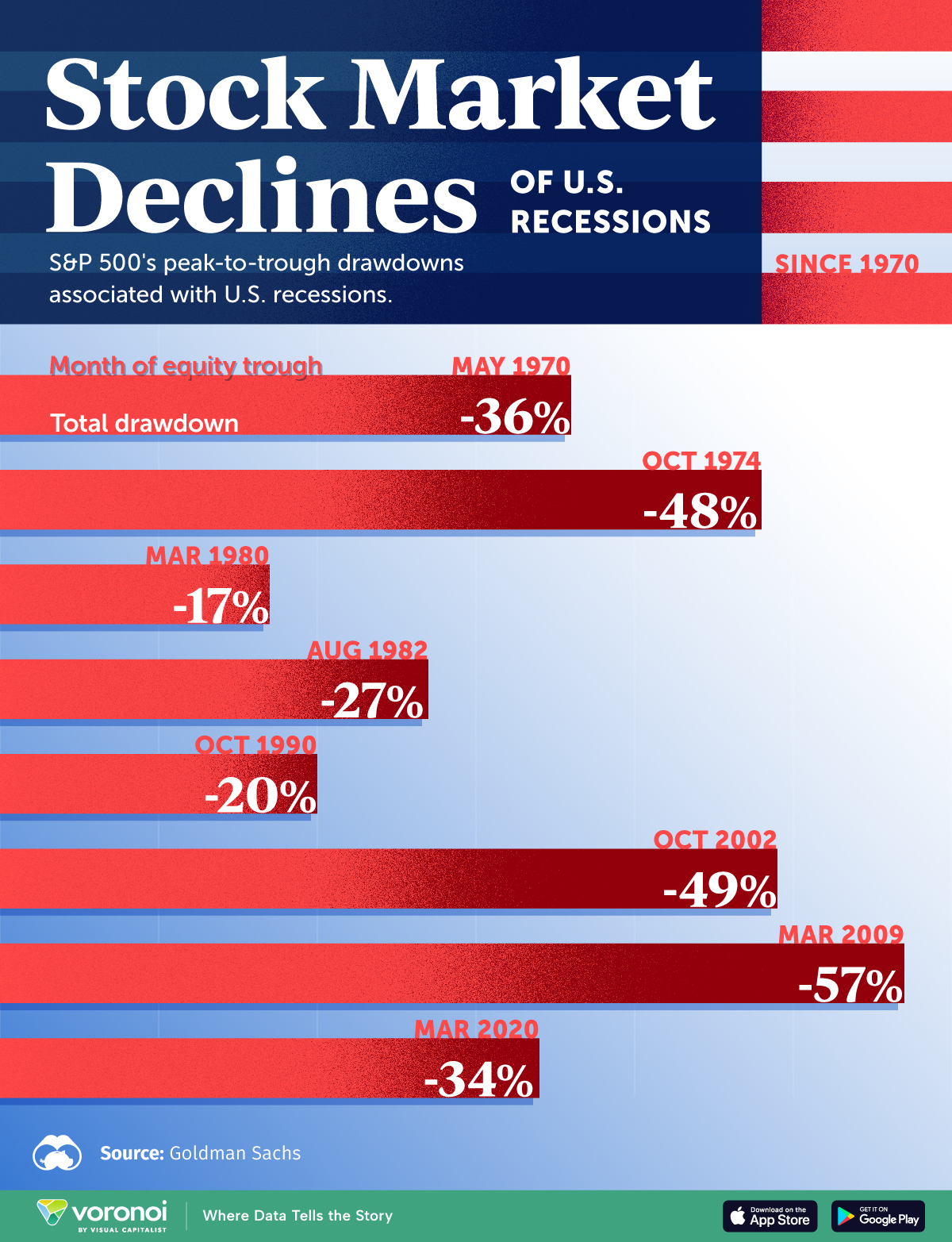
The stock market, an ever-evolving barometer of economic sentiment and corporate performance, is inherently cyclical. While bull markets captivate with their seemingly relentless ascent, bear markets and significant corrections are an inevitable, albeit often unsettling, part of the investment landscape. When headlines scream about “what stocks have dropped the most,” it often ignites a potent mix of fear and curiosity among investors. For some, it’s a signal to batten down the hatches and protect capital; for others, it represents a rare opportunity to acquire quality assets at a discount. Understanding the dynamics of market declines, identifying the stocks most affected, and formulating a robust strategy is crucial for long-term financial success. This article delves into the mechanisms behind significant stock drops, offers insights into how to identify and analyze them, and outlines strategies for navigating these turbulent periods.
Understanding Market Declines: Beyond the Headline Numbers
To effectively respond to market downturns, investors must first differentiate between various types of declines and understand the underlying forces that drive them. Not all drops are created equal, and discerning their nature is key to informed decision-making.
Distinguishing Between Corrections, Bear Markets, and Crashes
Market declines are typically categorized by their severity and duration:
-
Correction: A correction is generally defined as a decline of 10% or more from a recent peak in a major market index (like the S&P 500). These are relatively common and often healthy, helping to reset valuations and prevent overheating. They typically last a few months.
-
Bear Market: A more significant downturn, a bear market occurs when an index drops 20% or more from its peak. Bear markets are characterized by widespread pessimism, falling investor confidence, and often coincide with economic recessions or significant financial stress. They can last for several months to a couple of years.
-
Market Crash: A market crash is a sudden, severe, and often unexpected drop in stock prices over a very short period, typically just a few days or even hours. Crashes are often triggered by specific, dramatic events (e.g., Black Monday in 1987, the dot-com bubble burst, the 2008 financial crisis, the COVID-19 pandemic initial shock) and can lead to panic selling.
Key Factors Driving Stock Declines
Multiple interconnected factors can contribute to individual stock drops or broader market downturns:
-
Macroeconomic Headwinds: High inflation, rising interest rates, slowing economic growth, or the specter of a recession can dampen corporate profits and investor enthusiasm. Central bank policies, particularly aggressive monetary tightening, often precede market weakness.
-
Geopolitical Events: Wars, trade disputes, political instability, or major global crises can inject uncertainty, disrupt supply chains, and impact international markets, leading to sell-offs.
-
Industry-Specific Challenges: Certain sectors can face unique headwinds, such as technological obsolescence (e.g., Blockbuster vs. Netflix), regulatory changes (e.g., pharmaceutical pricing), or shifts in consumer preferences (e.g., traditional retail vs. e-commerce).
-
Company-Specific Issues: Poor earnings reports, management scandals, product recalls, competitive threats, high debt levels, or a failed business strategy can cause a single stock to plummet independently of the broader market.
-
Valuation Concerns: When stocks become excessively overvalued relative to their earnings, growth prospects, or underlying assets, they become vulnerable to sharp corrections, especially when market sentiment shifts.
The Psychology of Market Drops
Market behavior is heavily influenced by human psychology. During periods of decline, fear often replaces greed, leading to emotional decision-making. Panic selling, where investors offload holdings to avoid further losses, can exacerbate downward spirals, creating a “herd mentality.” Understanding this psychological component is vital, as it highlights the importance of sticking to a rational, long-term investment plan rather than reacting impulsively to short-term volatility.
Identifying Significant Stock Underperformers
While broad market indices might mask the true extent of some individual stock declines, certain sectors and company characteristics make them particularly susceptible to significant drops. Identifying these can help investors prepare or even find opportunities.
Sectors Prone to Volatility
Certain industries inherently carry more risk and thus experience greater volatility, making their stocks more likely to see substantial drops during market downturns:
-
Technology (Growth Stocks): High-growth tech companies, often valued on future potential rather than current profits, are highly sensitive to interest rates and economic outlook. When rates rise or growth prospects dim, their valuations can contract sharply.
-
Cyclical Industries: Sectors like consumer discretionary (auto, hospitality, luxury goods), industrials, and materials are tied to the health of the economy. During recessions, consumer spending and industrial activity decline, directly impacting these companies’ revenues and profits.
-
Energy: Dependent on global commodity prices, energy stocks (oil, gas, renewables) can experience dramatic swings based on supply and demand dynamics, geopolitical tensions, and regulatory shifts.
-
Emerging Markets: Stocks in developing economies often face additional risks such as political instability, currency fluctuations, and less mature regulatory frameworks, leading to higher volatility.
Company-Specific Weaknesses
Beyond broad sector trends, individual companies can exhibit weaknesses that make them particularly vulnerable to sharp declines:
-
Overvaluation: A company trading at an extremely high price-to-earnings (P/E) ratio or other valuation metrics, especially without a strong growth narrative to back it up, is precariously positioned.
-
Poor Management/Corporate Governance: Ineffective leadership, a history of strategic missteps, or ethical breaches can erode investor confidence and lead to a sell-off.
-
Failing Business Model/Competitive Threats: Companies unable to adapt to changing market conditions, or those facing intense competition from innovative rivals, risk losing market share and profitability.
-
High Debt Levels: Companies burdened with excessive debt become highly sensitive to rising interest rates and economic slowdowns, increasing their risk of default or financial distress.
-
Dependence on a Single Product/Service: Lack of diversification can make a company extremely vulnerable if its core offering faces issues or demand drops.
How to Research Dropping Stocks
Identifying stocks that have dropped the most involves a combination of real-time monitoring and fundamental analysis:
-
Financial News & Market Scanners: Major financial news outlets (e.g., Wall Street Journal, Bloomberg, Reuters) and online brokerage platforms offer “top losers” lists, market scanners, and real-time stock quotes.
-
Analyst Reports: Professional analysts often provide insights into why a stock is falling, its fair value, and future prospects. However, it’s crucial to consider their potential biases.
-
Fundamental Analysis: Dive into a company’s financial statements (income statement, balance sheet, cash flow statement). Look at metrics like P/E ratio, debt-to-equity, revenue growth, profit margins, and cash flow. A dropping stock might be genuinely distressed or simply undervalued.
-
Technical Analysis: Chart patterns, trading volumes, and indicators like the Relative Strength Index (RSI) or moving averages can help identify oversold conditions or potential support levels, though they are best used in conjunction with fundamental analysis.
Strategies for Investors Amidst Falling Stocks
Market downturns test an investor’s resolve, but they also offer unique opportunities. A well-defined strategy can turn potential losses into long-term gains.
For Long-Term Investors: The Power of Dollar-Cost Averaging and Rebalancing
-
Dollar-Cost Averaging (DCA): This strategy involves investing a fixed amount of money at regular intervals, regardless of the stock price. When prices are high, your fixed sum buys fewer shares; when prices are low (during a drop), it buys more. Over time, DCA reduces the average cost per share and smooths out the impact of market volatility.
-
Portfolio Rebalancing: Periodically adjusting your portfolio back to your target asset allocation (e.g., 60% stocks, 40% bonds) can be highly effective during downturns. If stocks have dropped significantly, they now represent a smaller portion of your portfolio. Rebalancing would mean selling some overperforming assets (like bonds) and buying more underperforming stocks, effectively “buying low.”
For Value Investors: Finding Gems in the Rubble
Value investors thrive on market drops. They seek out companies whose stocks are trading below their intrinsic value, often due to temporary market pessimism.
-
Criteria for Value Identification: Look for companies with strong balance sheets (low debt, ample cash), consistent profitability, robust competitive advantages (moats), reliable free cash flow, and experienced management. These “quality” businesses, even if their stock has dropped, are likely to recover strongly when market sentiment improves.
-
Focus on Fundamentals, Not Hype: Value investing emphasizes a thorough understanding of a company’s business, its financial health, and its long-term prospects, rather than chasing growth stories or reacting to daily news.
Risk Management and Portfolio Diversification
The bedrock of resilient investing, especially during volatility, is sound risk management.
-
Diversification: Never put all your eggs in one basket. Spread your investments across different asset classes (stocks, bonds, real estate, commodities), industries, geographies, and company sizes. This mitigates the impact of a severe drop in any single holding or sector.
-
Asset Allocation: Tailor your asset allocation to your risk tolerance, time horizon, and financial goals. Younger investors with a long time horizon might hold more stocks; those closer to retirement might favor a larger allocation to bonds.
-
Emergency Fund: Maintaining a robust emergency fund (3-6 months of living expenses in cash) ensures you don’t have to sell investments at a loss to cover unexpected expenses.
Avoiding Panic Selling
One of the most destructive actions an investor can take during a market drop is panic selling. Selling at the bottom locks in losses and prevents participation in the inevitable rebound.
-
Stay Disciplined: Stick to your pre-defined investment plan. If your fundamental reasons for owning a stock haven’t changed, a temporary price drop shouldn’t warrant selling.
-
Tune Out Noise: Excessive consumption of financial news during a downturn can fuel anxiety. Focus on the long-term perspective.
-
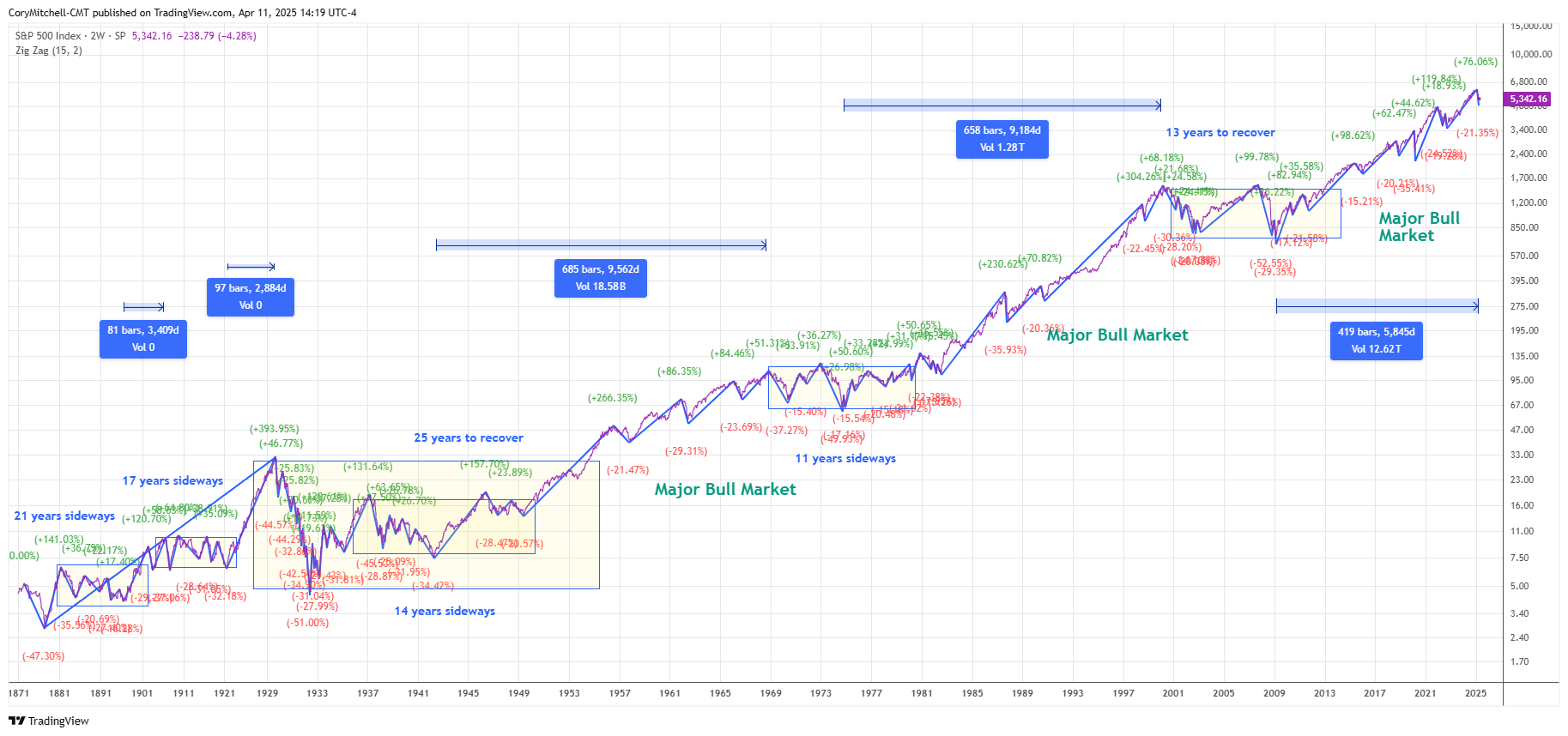
Remember History: History shows that markets always recover from downturns, often stronger than before. Patience is a virtue in investing.
The Opportunity in Volatility: Capitalizing on Dips
While drops are intimidating, they are also historically proven to be prime opportunities for wealth creation for those prepared to act strategically and with conviction.
“Buying the Dip” – When and How
The adage “buy the dip” is popular but deceptively simple. It refers to purchasing assets after a price decline, hoping to profit from the subsequent recovery.
-
Risks: A falling stock can continue to fall (“catching a falling knife”). There’s no guarantee when a bottom will be reached.
-
How to Approach: Instead of trying to time the exact bottom, consider buying in tranches using dollar-cost averaging. Focus on high-quality companies whose fundamentals remain strong despite the temporary setback. Do thorough due diligence; don’t just buy because a stock is cheap, buy because it’s undervalued.
Identifying Potential Recovery Plays
The stocks that drop the most can sometimes offer the biggest recovery potential.
-
Look for Temporary Problems: Distinguish between companies facing existential threats and those experiencing temporary, fixable issues (e.g., supply chain disruptions, a specific product recall, a short-term dip in demand).
-
Strong Balance Sheets: Companies with ample cash reserves and manageable debt are better positioned to weather economic storms and invest in future growth during a downturn.
-
Competitive Advantage (Moat): Businesses with strong brand recognition, proprietary technology, network effects, or high switching costs are likely to retain their market position and recover faster.
Short-Selling and Hedging (Advanced Strategies)
For experienced and sophisticated investors, market downturns can also be leveraged through advanced strategies:
-
Short Selling: This involves borrowing shares and selling them, hoping to buy them back at a lower price later and profit from the difference. It’s a high-risk strategy with unlimited loss potential.
-
Hedging: Strategies like buying put options can protect against downside risk in a portfolio by providing a payout if stock prices fall. These are complex instruments requiring a deep understanding of derivatives.
The Broader Economic Context and Future Outlook
No discussion of stock market drops is complete without acknowledging the broader economic forces at play, which often dictate the severity and duration of market cycles.
The Relationship Between Monetary Policy and Stock Performance
Central banks, through their monetary policy decisions, significantly influence stock markets:
-
Interest Rate Hikes: Raising interest rates increases borrowing costs for companies and consumers, slows economic growth, and makes future earnings less valuable, often leading to stock price declines, especially for growth stocks.
-
Quantitative Tightening: Reducing the money supply by selling off assets on a central bank’s balance sheet also tightens financial conditions and can exert downward pressure on markets.
-
Interest Rate Cuts/Quantitative Easing: Conversely, lowering rates and injecting liquidity can stimulate the economy and boost stock prices.
Global Economic Trends and Their Impact
Interconnectedness of the global economy means that trends beyond national borders profoundly affect domestic stock performance:
-
Geopolitical Stability: Major conflicts or political crises can disrupt trade, create uncertainty, and cause market volatility globally.
-
Supply Chain Resilience: Vulnerabilities in global supply chains, exposed during events like the pandemic, can lead to inflation and production halts, impacting corporate profitability.
-
Emerging Markets: Economic health and stability in large emerging markets like China or India can have ripple effects on global demand and commodity prices.

Long-Term Market Resilience
Despite the inevitable fear that accompanies significant drops, historical data offers a comforting perspective: the stock market has always recovered from every major downturn, eventually reaching new highs. This resilience underscores the importance of a long-term perspective and the power of compounding returns. Bear markets, while painful in the short term, have historically been followed by robust bull markets, rewarding patient and disciplined investors.
In conclusion, “what stocks have dropped the most” is a question that points to both peril and potential. While market declines can be unsettling, they are a normal part of the economic cycle. By understanding the causes of these drops, distinguishing between genuine distress and temporary setbacks, and implementing sound investment strategies like diversification, dollar-cost averaging, and value investing, investors can not only protect their capital but also position themselves to capitalize on the opportunities that inevitably emerge from market volatility. The key lies in informed decision-making, emotional discipline, and an unwavering commitment to a well-considered long-term plan.
aViewFromTheCave is a participant in the Amazon Services LLC Associates Program, an affiliate advertising program designed to provide a means for sites to earn advertising fees by advertising and linking to Amazon.com. Amazon, the Amazon logo, AmazonSupply, and the AmazonSupply logo are trademarks of Amazon.com, Inc. or its affiliates. As an Amazon Associate we earn affiliate commissions from qualifying purchases.