
In an increasingly globalized and digital world, the principles of branding extend far beyond corporate logos and marketing campaigns. At its core, branding is about defining identity, communicating value, and building trust with a target audience. When we ask “what is a sangoma,” we are delving into a profound cultural institution whose very existence, function, and impact can be illuminated through a sophisticated understanding of brand strategy, albeit one steeped in tradition rather than commerce. A sangoma, a traditional healer and diviner primarily found in Southern African cultures, embodies a powerful form of personal and cultural branding, characterized by unique identity, profound purpose, and an intricate system of reputation management within their community.

To understand a sangoma through a branding lens is to appreciate the deliberate, often sacred, construction of a public persona and a distinct service offering that has endured for centuries. It’s about recognizing how their rituals, attire, ancestral connections, and community interactions collectively forge a powerful brand identity that commands respect, trust, and influence. This exploration reveals not only the intricacies of sangoma practice but also offers unique insights into how deeply rooted cultural identities function as potent, long-lasting brands.
The Essence of the Sangoma ‘Brand’: Identity and Purpose
Every successful brand begins with a clear identity and a compelling purpose. For a sangoma, this identity is not self-chosen but divinely bestowed, making their “brand story” inherently powerful and authentic. Their purpose is equally profound: to serve as a bridge between the living and the ancestral spirits, providing healing, guidance, and protection to their community.
Defining the Core Offering: Spiritual Guidance and Healing
The fundamental “product” or “service” offered by a sangoma is spiritual guidance and holistic healing. This encompasses a broad spectrum of needs, from physical ailments and mental distress to interpersonal conflicts, misfortune, and spiritual imbalances. Unlike modern medical practitioners who often specialize, a sangoma’s offering is comprehensive, treating the individual within their familial, social, and spiritual ecosystem.
Their methodology typically involves divination (e.g., throwing bones, interpreting dreams), communicating with ancestors, and prescribing remedies that can include herbal medicines, spiritual cleansing rituals, and guidance on lifestyle changes. This holistic approach, addressing the root causes beyond symptomatic treatment, is a key differentiator and a powerful aspect of their brand proposition. Their ability to connect individuals with their heritage and spiritual lineage adds a dimension of depth and meaning that conventional services often lack, positioning them as custodians of cultural and spiritual well-being.
The ‘Brand Story’: Ancestral Calling and Training
Central to the sangoma brand is their unique origin story: the thwasa, or ancestral calling. This isn’t a career choice but a sacred obligation, often accompanied by signs like illness, vivid dreams, or unusual behavior. This narrative of a divine summons, followed by years of rigorous training under an elder sangoma, forms the bedrock of their credibility. It’s a powerful “brand narrative” that explains their authority and unique capabilities, distinguishing them from ordinary individuals.
The training process itself is an intensive “brand immersion,” where initiates learn the traditions, rituals, herbal knowledge, divination techniques, and ethical codes of practice. This period is akin to an apprenticeship in brand mastery, where the future sangoma internalizes the values, practices, and responsibilities of their role. This deep, personal investment in their calling imbues their future practice with authenticity, a highly valued attribute in any successful brand. It assures the community that their power and knowledge are not self-proclaimed but earned through suffering, spiritual alignment, and dedicated study.
Authenticity as a Brand Pillar: Tradition and Ritual
In an era saturated with manufactured experiences, the authenticity of the sangoma brand stands out. Their practices are deeply rooted in ancient traditions, rituals, and a profound respect for the ancestral realm. Every aspect, from their attire (often adorned with beads, animal skins, and specific colours) to the layout of their consulting space (the ndumba), is steeped in symbolic meaning and tradition. This consistent adherence to cultural heritage acts as a powerful brand pillar, signaling reliability and legitimacy.
Rituals are not mere performances; they are vital components of their healing methodology and reinforce their brand identity. Chanting, drumming, trance states, and offerings are integral to their communication with the spirits and the healing process. These elements create a consistent, recognizable “brand experience” that reassures clients and reinforces the sangoma’s connection to the spiritual realm. This unwavering commitment to tradition not only preserves cultural heritage but also builds profound trust and recognition within their target community.
Building Community Trust: The Sangoma’s Reputation Management
Like any high-stakes service provider, a sangoma’s success and influence depend heavily on their reputation. Their “marketing” isn’t through advertising but through demonstrated efficacy, word-of-mouth, and an impeccable ethical record. This makes their approach to reputation management critically important, akin to how a professional service firm cultivates trust and credibility.
Stakeholder Engagement: The Role of Community and Clients
A sangoma operates within a tightly knit community, where personal connections and social networks are paramount. Their “stakeholders” include not just individual clients but entire families, extended kinship groups, and the broader village or urban community. Effective “stakeholder engagement” is vital; a sangoma must be approachable, empathetic, and responsive to the needs of their people. Their “customer service” is highly personalized, often involving repeat visits and long-term relationships that foster loyalty.
Word-of-mouth is the most potent form of “marketing” for a sangoma. A positive outcome for one client quickly spreads, enhancing their reputation, while a negative experience can be equally damaging. This organic referral system underlines the importance of consistent, high-quality service and visible results in maintaining their brand’s strength and reach. Their very existence is intertwined with community well-being, cementing their role as a trusted cultural resource.
Credibility Through Practice: Diagnoses and Remedies
The true test of a sangoma’s brand credibility lies in their ability to accurately diagnose problems and provide effective remedies. Through divination, they are expected to uncover hidden truths, identify spiritual afflictions, and pinpoint the causes of misfortune. When a sangoma’s diagnoses resonate with a client’s experiences and insights, their authority is reinforced.
Successful healing outcomes are the ultimate proof of concept. Whether it’s relief from illness, resolution of a family dispute, or renewed prosperity, tangible results bolster their brand and strengthen community trust. This continuous cycle of diagnosis and effective intervention builds a robust “case study” portfolio, albeit one shared through lived experience rather than written reports. Their consistent ability to deliver on their brand promise — spiritual healing and guidance — is what sustains their long-term viability and influence.
Maintaining Brand Consistency: Ethical Conduct and Ancestral Adherence
Brand consistency is not just about visual elements; it’s about a consistent adherence to ethical standards and core values. For a sangoma, this means upholding the sacred trust placed in them, acting with integrity, and always deferring to the wisdom of the ancestors. Any deviation from ethical conduct, misuse of power, or perceived failure to honor ancestral protocols can severely damage their brand.
The sangoma’s ethical framework is deeply spiritual, demanding humility, selflessness, and a commitment to communal well-being. They must maintain a respectful demeanor, avoid boastfulness, and never exploit their position for personal gain beyond fair compensation for their services. This unwavering commitment to their spiritual and ethical code ensures their brand remains pure, trustworthy, and resonant with the cultural values they embody. It prevents brand dilution and reinforces their position as legitimate spiritual authorities.
The Visual and Experiential ‘Brand’: Symbols and Rituals
Like any compelling brand, the sangoma utilizes a rich tapestry of visual cues, symbolic elements, and carefully curated experiences to communicate their identity and reinforce their value proposition. These elements are not incidental; they are intrinsic to how the sangoma brand is perceived, understood, and engaged with by the community.
Iconic Imagery: Traditional Attire and Sacred Tools
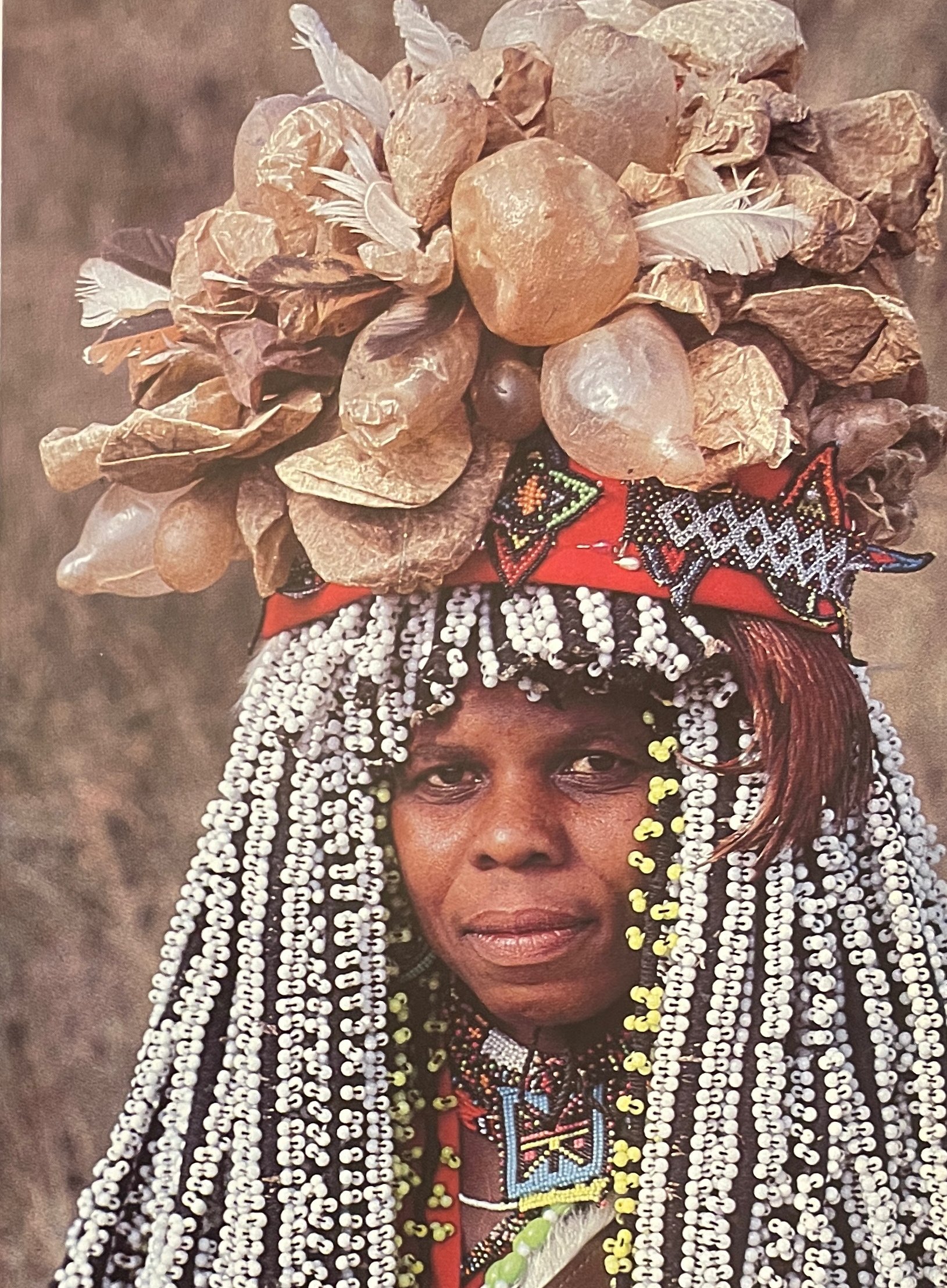
The visual identity of a sangoma is instantly recognizable and deeply symbolic. Their traditional attire – which can include animal skins (like goatskin or cowhide), intricate beadwork, specific coloured cloths, and often a distinctive headdress – serves as a powerful “brand uniform.” Each element carries meaning, signifying their spiritual connection, lineage, and the specific stage of their initiation. This visual consistency ensures immediate brand recognition and communicates authority and spiritual power.
Sacred tools, such as divining bones, shells, ancestral staffs (umkhonto), and snuff boxes, are also vital parts of their “brand toolkit.” These objects are not merely instruments; they are imbued with spiritual significance, acting as conduits for ancestral communication and healing energy. Their presence reinforces the sangoma’s legitimacy and the authenticity of their practice, creating a rich visual narrative that resonates deeply within the cultural consciousness.
The Client Journey: From Consultation to Healing
A sangoma visit is a carefully structured “customer journey,” designed to be both informative and spiritually transformative. It typically begins with a consultation where the client presents their concerns, often facilitated by the throwing of bones or other divination methods. This initial phase is crucial for establishing rapport and allowing the sangoma to “diagnose” the spiritual and practical dimensions of the issue.
Subsequent stages might involve specific rituals, herbal remedies, spiritual cleansing, or ancestral offerings. Each step is carefully explained and performed, creating a transparent and engaging experience. The environment—often a sacred hut or dedicated space (ndumba)—is also part of the brand experience, designed to evoke reverence, tranquility, and a sense of spiritual connection. This holistic and personalized journey is a hallmark of the sangoma brand, fostering a deep sense of trust and engagement with their clients.
Brand Recognition: The Sangoma’s Place in Cultural Landscape
Beyond individual interactions, the sangoma occupies a revered and recognized place within the broader cultural landscape. They are not merely practitioners but cultural anchors, repositories of indigenous knowledge, history, and spirituality. Their presence in a community signifies a connection to tradition, an avenue for healing, and a source of wisdom. This deep cultural embedment ensures powerful and enduring “brand recognition” that transcends generations.
They are consulted on matters ranging from naming ceremonies and rites of passage to community disputes and agricultural concerns, demonstrating their multifaceted role. This pervasive presence and consistent utility across various societal functions solidify their brand as indispensable to the cultural fabric, reinforcing their significance and longevity.
Evolution and Adaptation: Sustaining the Sangoma ‘Brand’ in Modernity
Like any enduring brand, the sangoma tradition has faced the imperative to adapt and evolve to remain relevant in a rapidly changing world. While deeply rooted in tradition, their ability to navigate modern challenges while maintaining their core identity speaks volumes about the resilience and strategic depth of the sangoma “brand.”
Navigating Contemporary Challenges: Balancing Tradition with Change
The sangoma brand today operates in a complex environment, facing challenges from globalization, urbanization, Western medicine, and changing belief systems. To sustain their brand, many sangomas must find ways to balance strict adherence to tradition with practical adaptations. This might involve setting up practices in urban centers, utilizing mobile communication for scheduling, or even integrating their practices with some aspects of modern healthcare (e.g., advising clients to also seek Western medical advice for certain conditions).
The key is to adapt without diluting the core brand identity. The ancestral calling, divination, and use of traditional remedies remain non-negotiable, but the delivery and accessibility of their services can evolve. This careful navigation of tradition versus modernity is a continuous exercise in brand management, ensuring the sangoma brand remains relevant and accessible to contemporary audiences without compromising its authenticity.
Brand Differentiation: Specialization and Unique Offerings
While all sangomas share a common foundation, there’s also an element of “brand differentiation” that emerges through specialization. Some sangomas might be particularly renowned for their expertise in specific areas, such as fertility issues, protection against witchcraft, dream interpretation, or working with specific ancestral lineages. This specialization allows them to carve out a niche and attract clients with particular needs, further strengthening their individual brand within the broader sangoma tradition.
These unique offerings are often rooted in specific ancestral connections or particularly intensive training in certain healing modalities. This allows the sangoma to develop a unique “value proposition” that sets them apart, similar to how a business might differentiate itself through specialized products or services.

Legacy and Succession: Ensuring Brand Longevity
The ultimate test of an enduring brand is its ability to ensure continuity and succession. For the sangoma tradition, this is achieved through the rigorous training of new initiates. The elder sangoma plays a critical role in passing down knowledge, rituals, and ethical codes, effectively serving as a “brand guardian” and “mentor” for the next generation. This ensures that the core tenets of the sangoma brand are preserved and transmitted faithfully.
The concept of ancestral lineage also plays into brand longevity; the spirits of past sangomas continue to guide and empower their successors, creating a timeless chain of wisdom and healing. This intergenerational continuity is the ultimate strategy for brand survival, ensuring that the profound cultural identity and purpose of the sangoma remain vital and influential for centuries to come. The sangoma, viewed through the strategic lens of branding, reveals itself as a masterclass in identity, trust, and enduring cultural impact.
aViewFromTheCave is a participant in the Amazon Services LLC Associates Program, an affiliate advertising program designed to provide a means for sites to earn advertising fees by advertising and linking to Amazon.com. Amazon, the Amazon logo, AmazonSupply, and the AmazonSupply logo are trademarks of Amazon.com, Inc. or its affiliates. As an Amazon Associate we earn affiliate commissions from qualifying purchases.