
Investing in the stock market can seem daunting to newcomers, a complex world of charts, jargon, and financial news. Yet, for many, it represents one of the most powerful avenues for wealth creation and achieving long-term financial goals. Demystifying this process is crucial for anyone looking to take control of their financial future. This guide aims to break down the essentials of buying stocks, providing a clear, actionable roadmap for beginners to navigate the market with confidence and insight.
Understanding the Stock Market Basics
Before diving into the mechanics of buying stocks, it’s essential to grasp what the stock market is and why it plays such a pivotal role in personal finance and the global economy. A solid foundational understanding will empower you to make more informed decisions.
What is a Stock?
At its core, a stock (also known as a share or equity) represents a fractional ownership interest in a company. When you buy a stock, you become a part-owner of that corporation, entitling you to a claim on its assets and earnings. Companies issue stocks to raise capital, which they use to fund operations, expand, or develop new products. For investors, stocks offer two primary avenues for potential returns: capital appreciation (the stock price increasing) and dividends (a portion of the company’s profits distributed to shareholders).
Why Invest in Stocks?
The allure of stock market investing lies primarily in its potential for significant long-term growth. Historically, the stock market has outperformed other asset classes like bonds and savings accounts over extended periods, offering a hedge against inflation and a path to financial independence. Beyond capital appreciation, many companies pay dividends, providing a regular income stream to investors. Investing in stocks also offers a unique opportunity to participate in the growth and success of innovative companies and industries, aligning your personal wealth with broader economic progress.
Key Market Terminology
Navigating the stock market requires familiarity with some fundamental terms. Understanding these concepts will help you interpret financial news and make sense of your investment decisions:
-
Bull Market: A period characterized by rising stock prices and investor optimism.
-
Bear Market: A period marked by falling stock prices and investor pessimism.
-
IPO (Initial Public Offering): The first time a company offers its shares for sale to the general public.
-
Market Capitalization (Market Cap): The total value of a company’s outstanding shares, calculated by multiplying the current share price by the total number of shares. It indicates the size of a company (e.g., small-cap, mid-cap, large-cap).
-
Diversification: The strategy of spreading investments across various asset classes, industries, and geographies to reduce risk.
-
Volatility: The degree of variation in a trading price over time. High volatility means prices can change dramatically in a short period.
-
Index Fund/ETF: A type of mutual fund or exchange-traded fund that tracks a specific market index (e.g., S&P 500), offering diversification with a single investment.
Preparing for Your First Stock Investment
Successful stock market investing isn’t about luck; it’s about preparation, strategy, and discipline. Before you even consider placing your first order, several crucial steps should be taken to ensure you’re on solid financial footing and investing wisely.
Define Your Financial Goals and Risk Tolerance
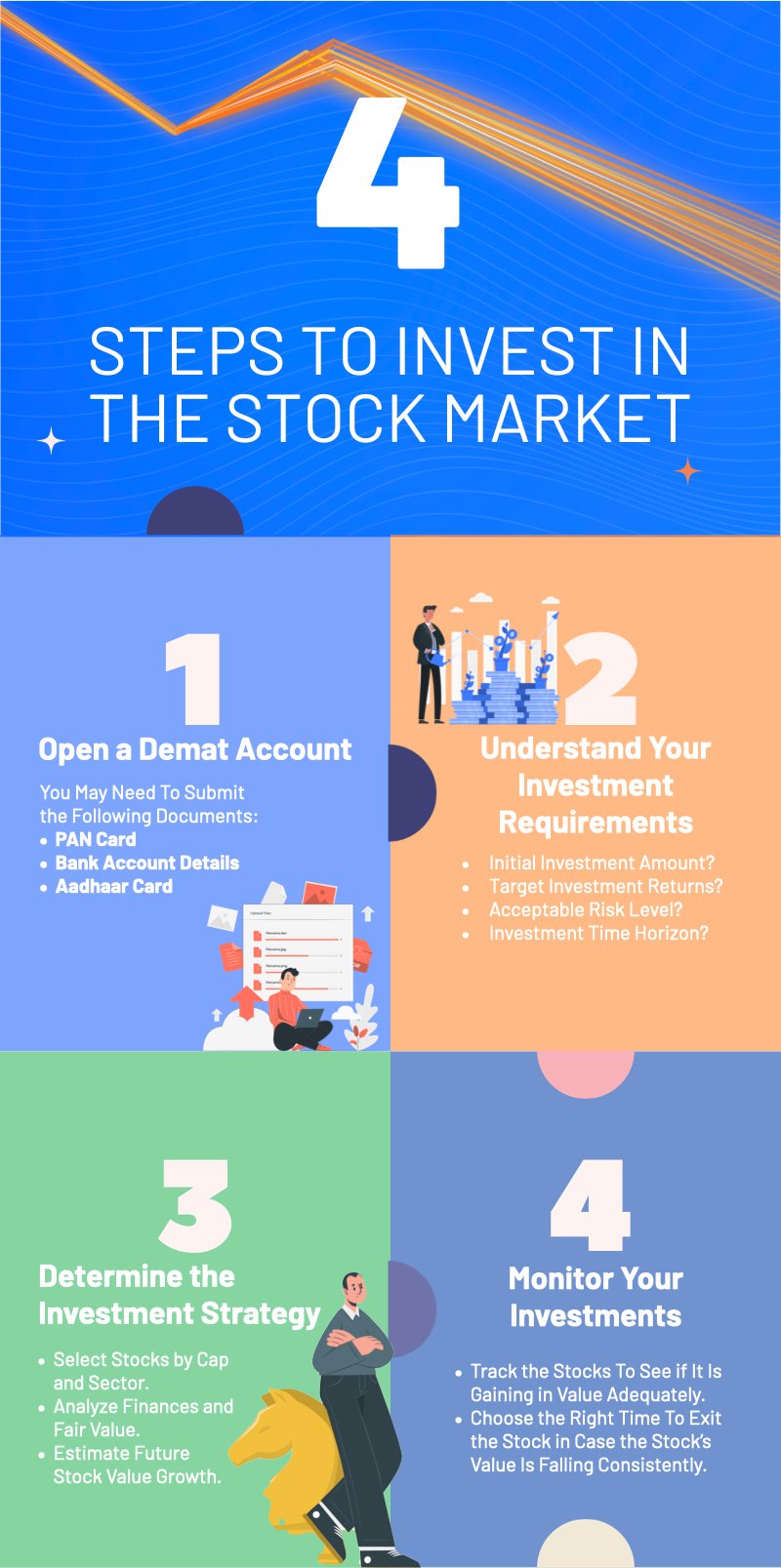
Every investment journey begins with a clear understanding of your objectives. Are you saving for a down payment in three years or retirement in thirty? Your timeline significantly influences your investment strategy. Equally important is assessing your risk tolerance – how much financial loss are you comfortable with in pursuit of higher returns? A younger investor with a long time horizon might tolerate more risk, while someone nearing retirement might opt for more conservative investments. Be honest with yourself about your comfort level with market fluctuations.
Build an Emergency Fund
This is a non-negotiable prerequisite before investing in the stock market. An emergency fund, typically consisting of three to six months’ worth of living expenses saved in an easily accessible account (like a high-yield savings account), acts as a financial safety net. It ensures that unforeseen expenses, such as job loss or medical emergencies, won’t force you to sell your investments at an inopportune time, potentially incurring losses.
Research and Due Diligence
Informed investing is smart investing. Never invest in a company or product you don’t understand. Dedicate time to research potential investments. This involves:
-
Understanding the Company: What does it do? Who are its competitors? What are its strengths and weaknesses?
-
Analyzing Financials: Look at revenue, profit margins, debt levels, and cash flow. Websites like Yahoo Finance or Google Finance provide free access to financial statements.
-
Industry Trends: Is the industry growing or contracting? What are the long-term prospects?
-
Management Team: Who is leading the company? Do they have a good track record?
-
Analyst Reports & News: Read independent analyses and stay updated on company news.
While this may seem extensive, even a basic understanding can significantly improve your decision-making.
Understand Investment Costs
Investing isn’t free. Be aware of the various fees that can erode your returns:
-
Commissions: Fees charged by brokers for executing trades (though many now offer commission-free trading for stocks and ETFs).
-
Expense Ratios: Annual fees charged by mutual funds and ETFs for management and operational costs.
-
Management Fees: Charged by robo-advisors or financial advisors.
-
Taxes: Capital gains taxes (on profits from selling stocks) and dividend taxes. Understanding these costs helps you choose the most cost-effective platforms and strategies.
Choosing the Right Investment Platform
Once you’re prepared, the next step is to choose where you’ll actually buy your stocks. This involves selecting a brokerage firm or an investment platform that aligns with your needs and investment style.
Brokerage Accounts: Full-Service vs. Discount
-
Discount Brokers: These are the most common choice for self-directed investors. They offer low (often zero) commissions on stock trades and provide online platforms with various tools for research and portfolio management. Examples include Fidelity, Charles Schwab, TD Ameritrade (now Schwab), and E*TRADE. They are ideal if you’re comfortable making your own investment decisions.
-
Full-Service Brokers: These firms offer a wide range of services, including personalized financial advice, wealth management, and access to exclusive investment products. They typically charge higher fees, often a percentage of assets under management. They are suitable for investors who prefer hands-on guidance from a professional.
Robo-Advisors: Automated Investing
Robo-advisors are digital platforms that use algorithms to manage your investments based on your financial goals and risk tolerance. They often build diversified portfolios using ETFs and rebalance them automatically. Platforms like Betterment and Wealthfront are popular choices, offering a low-cost, hands-off approach to investing, particularly beneficial for beginners or those with limited time.
Key Factors When Selecting a Broker
When choosing a brokerage account, consider the following:
-
Fees and Commissions: Look for platforms with low or zero commissions for stock and ETF trades.
-
Investment Options: Ensure the platform offers the types of investments you’re interested in (e.g., individual stocks, ETFs, mutual funds, options).
-
Research Tools and Resources: Good brokers provide extensive research reports, charting tools, educational materials, and screening tools.
-
Customer Service: Access to responsive and knowledgeable customer support can be invaluable.
-
Minimum Deposit Requirements: Some brokers require a minimum amount to open an account, though many now have no minimums.
-
Platform User Experience: An intuitive and easy-to-use interface can make a big difference, especially for beginners.
The Step-by-Step Process of Buying Stocks
With your preparation complete and a platform chosen, you’re ready to make your first stock purchase. This process involves a few distinct steps.
Opening and Funding Your Brokerage Account
-
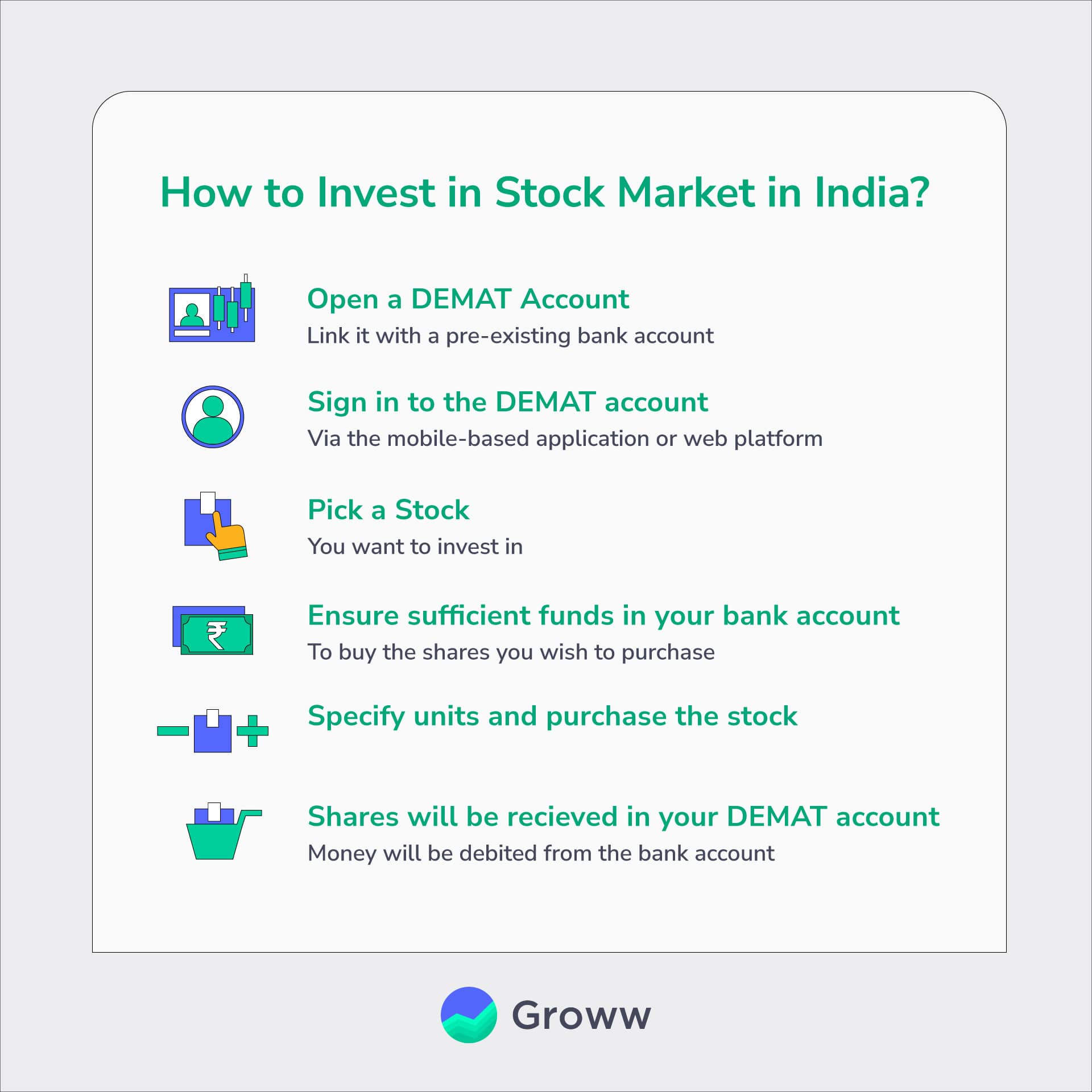
Open an Account: Visit the website of your chosen brokerage. You’ll typically need to provide personal information (name, address, Social Security number) and verify your identity as part of Know Your Customer (KYC) regulations.
-
Choose Account Type: For individual stock investing, a standard taxable brokerage account (e.g., individual or joint account) is common. You might also consider tax-advantaged accounts like an IRA if you’re investing for retirement.
-
Fund Your Account: Link your bank account to your brokerage account. You can then transfer funds via ACH transfer, wire transfer, or sometimes by mailing a check. ACH transfers are common but can take a few business days for funds to become fully available for trading.
Placing a Stock Order
Once your account is funded, you can place an order to buy stocks.
-
Search for the Stock: Use the stock’s ticker symbol (e.g., AAPL for Apple, MSFT for Microsoft).
-
Specify Quantity: Decide how many shares you want to buy.
-
Choose Order Type:
-
Market Order: Instructs your broker to buy or sell shares immediately at the best available current market price. This guarantees execution but not a specific price, which can fluctuate rapidly.
-
Limit Order: Specifies the maximum price you’re willing to pay for a stock (or the minimum price you’re willing to sell it for). Your order will only execute if the stock reaches that price or better. This guarantees a price but not execution. For beginners, a limit order often provides more control.
-
-
Review and Confirm: Double-check all details of your order before confirming.
Diversification: Don’t Put All Your Eggs in One Basket
One of the most fundamental principles in investing is diversification. Instead of investing all your money in a single stock, spread your investments across various companies, industries, and even asset classes (like stocks, bonds, and real estate). This strategy helps mitigate risk; if one investment performs poorly, it won’t derail your entire portfolio. Index funds and ETFs are excellent tools for achieving instant diversification with a single investment, as they hold a basket of many different stocks.
Monitoring and Managing Your Investments
Investing is not a “set it and forget it” activity.
-
Regular Review: Periodically check your portfolio’s performance. This doesn’t mean obsessively checking daily, but perhaps quarterly or semi-annually.
-
Rebalancing: Over time, some assets in your portfolio may grow faster than others, throwing off your desired asset allocation. Rebalancing involves selling some of your overperforming assets and buying more of your underperforming ones to bring your portfolio back to your target allocation.
-
Stay Informed: Keep an eye on the news related to the companies you own and broader economic trends, but avoid making impulsive decisions based on daily headlines.
Common Pitfalls and Best Practices for Stock Investors
Even with careful planning, the stock market can be unpredictable. Being aware of common mistakes and adhering to proven best practices can significantly improve your chances of success.
Avoiding Emotional Decisions
Fear and greed are powerful emotions that can lead to poor investment choices. Panicking during market downturns and selling at a loss, or getting overly confident during bull markets and taking excessive risks, are common pitfalls. Develop a disciplined investment strategy and stick to it, even when your emotions tell you otherwise. Remember, market corrections are a normal part of the investing cycle.
The Importance of Long-Term Perspective
Successful investing is almost always a marathon, not a sprint. Trying to “time the market” – buying low and selling high perfectly – is notoriously difficult, even for professionals. Instead, focus on “time in the market.” By investing consistently over many years, you benefit from the power of compounding returns and ride out short-term market volatility. Patience is a virtue in the stock market.
Continuous Learning and Adaptation
The financial world is dynamic, with new companies, technologies, and economic conditions constantly emerging. Stay curious and commit to continuous learning. Read books, follow reputable financial news sources, and understand the macro-economic forces at play. While your core investment principles might remain constant, your approach may need to adapt to changing market landscapes.

Seeking Professional Advice When Needed
While this guide provides a solid starting point, complex financial situations or large investment portfolios may benefit from professional guidance. A qualified financial advisor can help you create a personalized financial plan, manage your investments, and navigate tax implications. Don’t hesitate to seek expert help when you feel overwhelmed or need specialized advice.
In conclusion, buying stocks in the stock market is an accessible and potentially rewarding endeavor for anyone willing to invest the time in learning and preparation. By understanding the basics, setting clear goals, choosing the right platform, and adopting a disciplined, long-term approach, you can embark on a journey that could significantly enhance your financial well-being and secure your future.
aViewFromTheCave is a participant in the Amazon Services LLC Associates Program, an affiliate advertising program designed to provide a means for sites to earn advertising fees by advertising and linking to Amazon.com. Amazon, the Amazon logo, AmazonSupply, and the AmazonSupply logo are trademarks of Amazon.com, Inc. or its affiliates. As an Amazon Associate we earn affiliate commissions from qualifying purchases.