
The quest for the perfect night’s sleep has transitioned from the realm of traditional medicine into the high-stakes world of bio-hacking and sleep technology. For decades, the answer to the question “what sleeping position is best for your back” was a generic piece of advice from a general practitioner. Today, that answer is being redefined by artificial intelligence, high-precision sensors, and the Internet of Things (IoT). As we delve into the intersection of spinal health and digital innovation, it becomes clear that the “best” position is no longer a static recommendation but a dynamic, data-driven optimization tailored to an individual’s unique biomechanics.
The Biomechanics of Sleep: Decoding Posture Through Sensors
Understanding back health starts with the data. Traditional mattresses are passive surfaces, but the next generation of sleep technology treats the bed as a sophisticated diagnostic tool. By utilizing high-density sensor arrays, tech companies are now able to map exactly how much pressure is exerted on the lumbar spine in various positions.
Smart Mattresses and Pressure Mapping
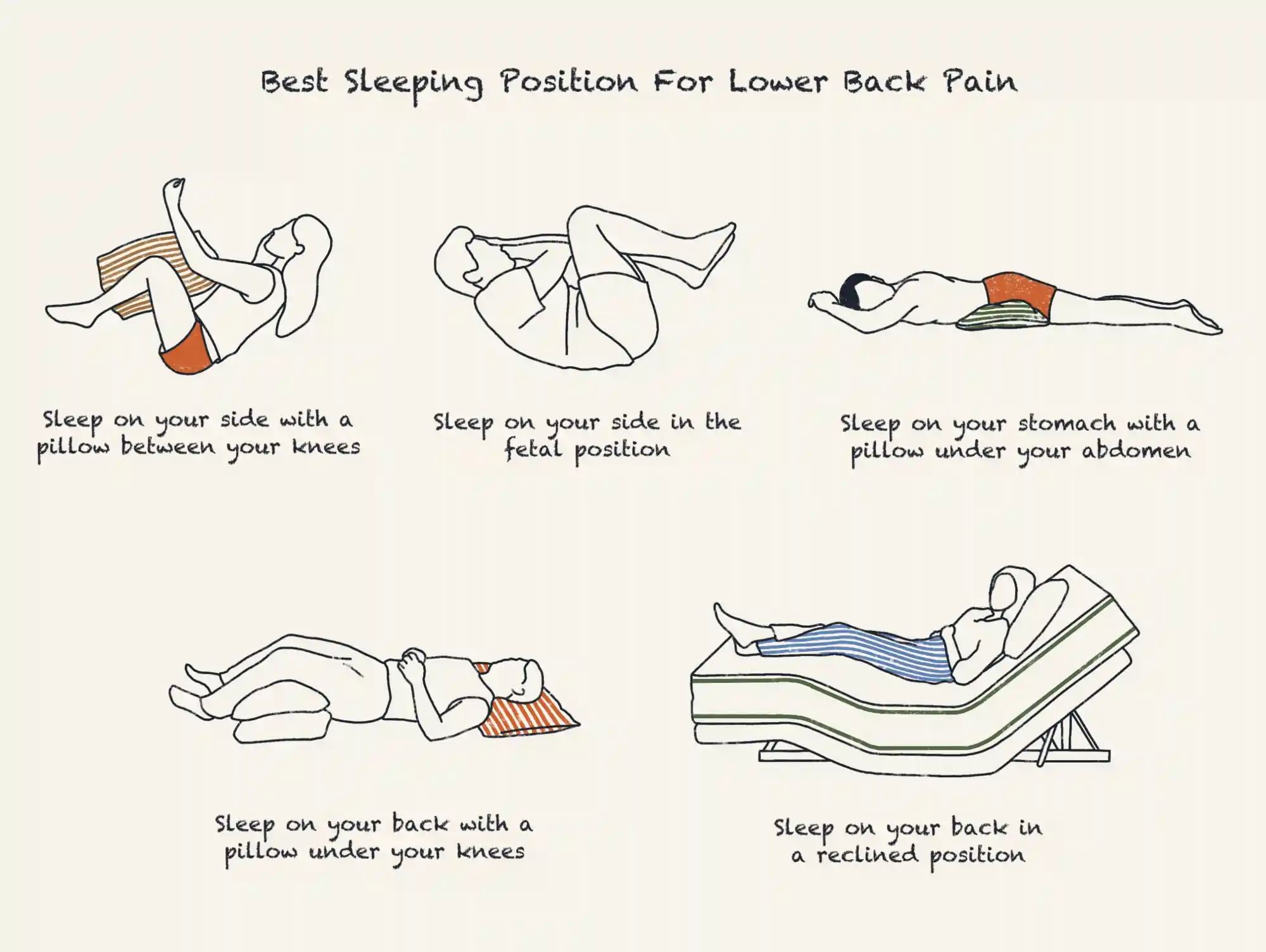
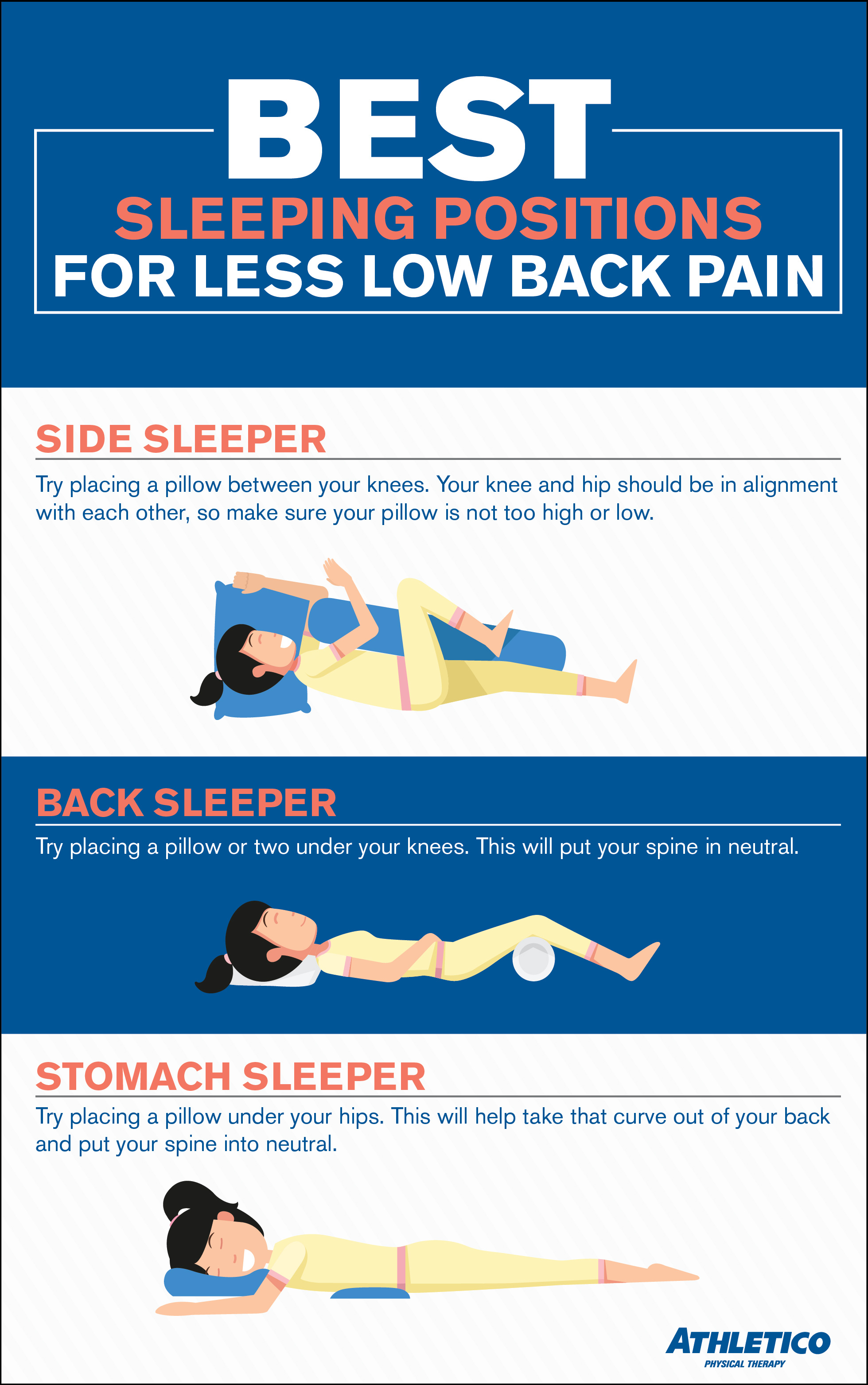
At the core of this technological shift is the use of piezoelectric sensors and pressure-sensitive mats embedded within the mattress layers. These sensors measure the force applied by the body at thousands of points simultaneously. When a user asks which position is best for their back, these devices provide a visual heat map. For side sleepers, the tech often reveals excessive pressure on the shoulders and hips, which can lead to spinal misalignment. For back sleepers, it might highlight a lack of support in the small of the back.
Software suites integrated into these beds analyze this data in real-time. If the system detects that your current position is causing a “red zone” of high pressure that could lead to morning stiffness, certain high-end models use pneumatic air chambers to subtly shift the mattress’s firmness. This isn’t just about comfort; it is about using hardware to enforce the medically ideal neutral spine alignment that humans struggle to maintain unconsciously.
Wearable Accelerometers and Gyroscopes
Beyond the bed itself, wearables like the Oura Ring, Whoop strap, and high-end smartwatches utilize tri-axial accelerometers and gyroscopes to track movement during the night. These devices can detect the exact angle of the torso throughout the sleep cycle. By syncing this movement data with subjective reports of back pain in a mobile app, users can identify correlations that were previously invisible. For instance, a user might discover through their dashboard that while they think they sleep on their back, they actually spend 60% of the night on their stomach—a position generally discouraged by ergonomists due to the strain it places on the cervical spine.
AI-Driven Sleep Analysis: From Passive Monitoring to Active Correction
The hardware provides the raw data, but the software—specifically machine learning (ML) algorithms—provides the insight. Artificial Intelligence is now being trained on massive datasets of human sleep patterns to provide personalized postural coaching.
Computer Vision and Infrared Sleep Tracking
One of the most significant leaps in sleep tech is the move away from contact-based sensors toward non-contact computer vision. Utilizing infrared cameras and LiDAR (Light Detection and Ranging), some tech startups have developed systems that “see” your sleeping position in total darkness without the need for a wearable.
These AI models are trained to recognize the “neutral spine” silhouette. If the AI detects that your pelvis is tilting or your neck is at an unnatural angle, it logs this as a “postural event.” Over a week of data collection, the software provides a comprehensive report. It doesn’t just say “sleep on your back”; it might suggest that based on your specific shoulder-to-waist ratio, a 15-degree side-tilt with a specific leg elevation is the optimal configuration to minimize spinal disc compression.
Machine Learning Algorithms for Spinal Alignment
The true power of AI in this niche lies in predictive analytics. By aggregating data from millions of users, these platforms can predict which sleeping positions will lead to long-term back health issues. ML models can identify subtle “micro-tosses”—small movements that indicate the body is trying to find a more comfortable position because the spine is under stress.
By analyzing these patterns, apps can recommend specific hardware adjustments. For example, the software might suggest a specific pillow loft (height) based on the depth of your neck curve measured via a smartphone’s TrueDepth camera. This level of customization ensures that the “best” position for your back is supported by the “best” equipment for your body type.
The Future of Ergonomic Hardware: Smart Pillows and Adjustable Bases
The hardware industry is responding to this data-rich environment by moving toward “active” furniture. The days of the static box spring are numbered, replaced by motorized, IoT-connected bases and pillows that respond to the user’s needs in real-time.
Actuated Responses to Discomfort and Snoring
Adjustable bases have evolved from simple “hospital bed” mechanics into smart hubs. Modern bases can interface with sleep trackers to change the user’s position automatically. If a wearable detects that a user has rolled onto their back and started snoring—which often indicates a collapse of the airway and a potential misalignment of the neck—the base can automatically elevate the head by 7 degrees.
For back pain sufferers, these bases offer a “Zero-Gravity” preset. Developed based on NASA’s research into neutral body posture, this position elevates the legs above the heart and slightly raises the head. This tech-enabled position reduces the gravitational pressure on the vertebrae, allowing the intervertebral discs to rehydrate more effectively overnight. The software allows users to save these precise angles down to the millimeter, ensuring a repeatable, optimized sleep environment.
Integration with the IoT Ecosystem
The “best” sleeping position is also influenced by the environment. If a room is too hot, a sleeper is more likely to toss and turn, landing in positions that compromise back health. The current trend in sleep tech is the integration of the bed with the smart home. Through platforms like Apple HomeKit or Google Home, a smart mattress can signal the thermostat to lower the temperature when it detects the user has entered deep sleep. By stabilizing the environment, the tech reduces the restless movement that leads to poor spinal posture.
Digital Health Apps: Turning Data into Actionable Posture Gains
The software interface is where the user interacts with their spinal health data. The shift from “guessing” to “knowing” is facilitated by sleek, intuitive UX design in health-tracking apps.
Gamifying Spinal Hygiene
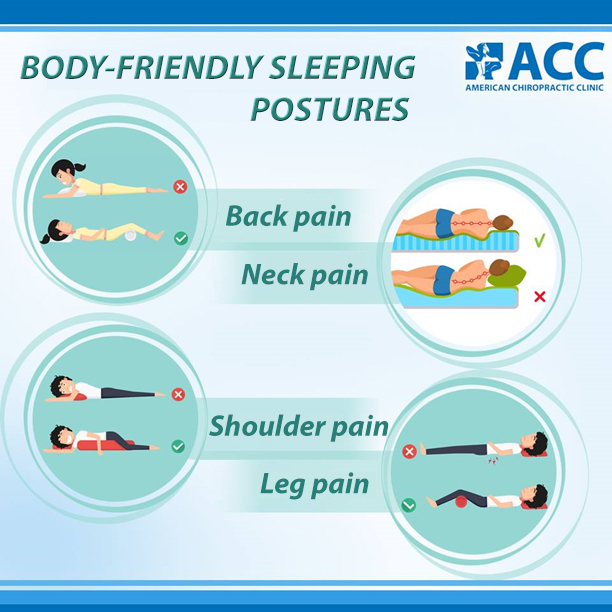
To encourage users to adopt better sleeping positions, many apps are employing gamification. Users receive a “Sleep Posture Score” each morning. High scores are awarded for maintaining a neutral spine throughout the night. This psychological feedback loop encourages users to invest in the right tech—like body pillows or knee spacers—to maintain the positions the data suggests are best for their specific back issues.
Predictive Analytics for Chronic Pain Prevention
The most advanced digital health platforms are now moving into the realm of preventative maintenance. By using data from a user’s daytime activity (tracked via smartphone) and combining it with their nighttime posture data, these apps can provide a holistic view of back health.
If your phone’s accelerometer detects you’ve been sitting at a desk for eight hours (likely causing tight hip flexors), the connected sleep app might recommend a specific “corrective” sleeping position for that night—such as side sleeping with a specific leg flare—to counteract the day’s strain. This represents a shift from reactive care to proactive, tech-managed physical therapy.
As we look toward the future, the question of which sleeping position is best for your back will be answered not by a textbook, but by a personalized dashboard. Through the integration of AI, high-fidelity sensors, and responsive hardware, technology is providing the tools necessary to master the art of spinal alignment, ensuring that every hour of sleep contributes to long-term musculoskeletal health.
aViewFromTheCave is a participant in the Amazon Services LLC Associates Program, an affiliate advertising program designed to provide a means for sites to earn advertising fees by advertising and linking to Amazon.com. Amazon, the Amazon logo, AmazonSupply, and the AmazonSupply logo are trademarks of Amazon.com, Inc. or its affiliates. As an Amazon Associate we earn affiliate commissions from qualifying purchases.