
In the modern financial landscape, the movement of money has transitioned from physical hand-offs and paper ledgers to a sophisticated digital infrastructure. At the heart of this electronic ecosystem is the Automated Clearing House (ACH) network. For the average consumer and business owner alike, the most critical piece of information required to navigate this system is the ACH account number. While it may seem like a simple string of digits, the ACH account number is a foundational tool for personal finance, enabling everything from the convenience of direct deposit to the precision of automated bill payments.
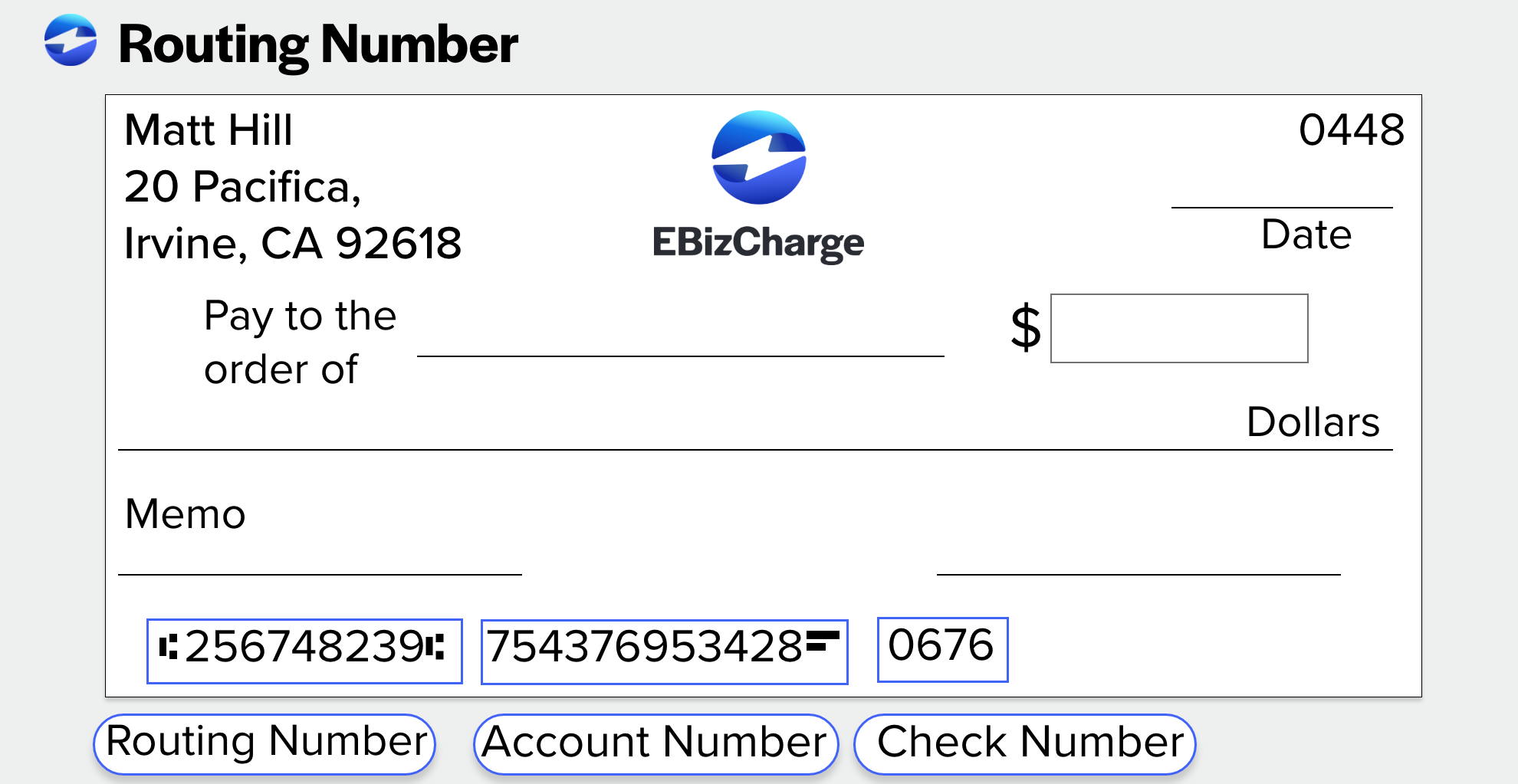
Understanding exactly what an ACH account number is, how it differs from other banking identifiers, and how it functions within the broader monetary system is essential for maintaining financial security and optimizing cash flow.
Understanding the Foundation of Modern Banking Transactions
The ACH network is a centralized system used by financial institutions to send and receive batches of electronic credit and debit transfers. Managed by NACHA (formerly the National Automated Clearing House Association), this network handles trillions of dollars in transactions annually. To ensure that money reaches the correct individual or business among millions of participants, the system relies on a two-part identification process: the routing number and the account number.
Defining the Automated Clearing House (ACH) Network
The ACH network serves as the “plumbing” of the American financial system. Unlike wire transfers, which are processed individually and often in real-time, ACH transfers are processed in batches throughout the day. This batching process allows for high-volume, low-cost transfers, making it the preferred method for recurring payments. An ACH account number is the specific identifier assigned by a bank to a customer’s deposit account—be it checking, savings, or money market—that tells the ACH network exactly where to park the funds once they reach the destination bank.
The Anatomy of an ACH Account Number
An ACH account number is not a universal format; rather, it is determined by the specific financial institution where the account is held. Most account numbers range from 8 to 12 digits, though some institutions may use up to 17.
It is vital to distinguish the account number from the ABA routing number. The routing number (a nine-digit code) identifies the financial institution itself—essentially acting as the “address” for the bank. The ACH account number identifies the specific “room” or occupant within that building. Together, these two numbers create a unique digital coordinate that ensures your paycheck lands in your checking account rather than someone else’s or a different branch entirely.
How ACH Numbers Power Your Financial Life
In the realm of personal finance and business operations, the ACH account number is the primary engine for liquidity management. By utilizing this number, individuals can move away from the inefficiencies of paper checks and the high costs of wire transfers.
Streamlining Income through Direct Deposits
Perhaps the most common use of an ACH account number is for direct deposit. When an employee provides their ACH details to an employer, they are essentially authorizing a “push” of funds from the corporate account to their personal account. This eliminates the “float” period associated with depositing a physical check and ensures that funds are available for use on payday morning. For the individual, this creates a predictable schedule for income, which is the cornerstone of effective budgeting and automated investing.
Automating Recurring Expenses
Beyond receiving money, the ACH account number is the primary vehicle for “pull” transactions, such as automated bill pay. By providing a utility company, mortgage lender, or gym with your ACH credentials, you allow them to initiate a debit from your account on a set date. From a financial management perspective, this is a powerful tool for avoiding late fees and maintaining a strong credit score. Because these transactions bypass the interchange fees associated with credit cards, many service providers prefer ACH payments and may even offer discounts to customers who utilize them.
Enhancing Peer-to-Peer and B2B Payments
With the rise of financial technology (FinTech) apps, the ACH account number has become the bridge between traditional banking and modern digital wallets. Apps like Venmo, PayPal, and Cash App require users to link their bank accounts via ACH to move money back and forth. In the business world, ACH transfers are the standard for B2B payments, allowing companies to pay vendors and suppliers with lower overhead and better record-keeping than traditional methods.
Security Protocols and Protecting Your Sensitive Financial Data
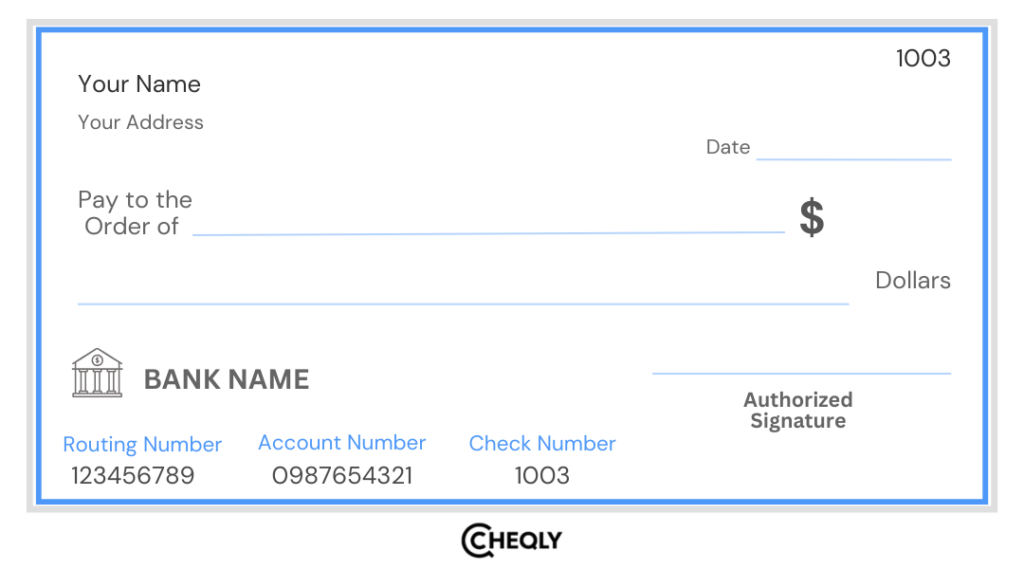
Because an ACH account number provides a direct gateway to your liquid assets, it is a highly sensitive piece of information. In an era of increasing digital fraud, understanding the security measures surrounding these numbers—and your responsibilities in protecting them—is paramount.
The Risks of Sharing Account Information
Sharing your ACH account number and routing number is a necessary part of modern commerce, but it carries inherent risks. If a malicious actor obtains these numbers, they could potentially initiate unauthorized “pull” transactions (ACH debits). Unlike a credit card, where a fraudulent charge can be disputed and the funds were never “yours” to begin with (as it is a line of credit), an ACH fraud directly impacts your available cash balance. This can lead to bounced checks, missed payments, and temporary liquidity crises.
Safeguards and Regulatory Protections
Fortunately, the ACH network is governed by strict regulations, specifically Regulation E (Electronic Fund Transfer Act) in the United States. This regulation provides consumers with protections against unauthorized electronic transfers. If you notify your bank of an unauthorized ACH transaction within 60 days of your statement being sent, the bank is generally required to investigate and, in many cases, reimburse the lost funds.
Furthermore, many financial institutions now use “account masking” and tokenization. When you link an account to a third-party app, the app may not actually store your raw ACH account number. Instead, it uses a secure token that represents the account, adding a layer of abstraction that protects your data in the event of a service provider’s data breach.
Best Practices for Account Security
To manage your ACH credentials safely, financial experts recommend the following:
- Monitor Statements Regularly: Review your transaction history at least once a week to spot unauthorized debits early.
- Use Secure Portals: Only enter your ACH information on websites that use “https” and have a reputable security certificate.
- Utilize Micro-Deposits: When linking accounts, many services send two tiny deposits (e.g., $0.02 and $0.05) to verify ownership. This is a safer verification method than providing login credentials to a third-party aggregator.
- Limit Exposure: Avoid writing your account number on physical documents that could be lost or stolen.
ACH vs. Wire Transfers: Choosing the Right Tool for the Job
In financial planning, choosing the right method for moving money depends on the balance between speed, cost, and the nature of the transaction. While both require an account number, ACH and wire transfers operate on entirely different tracks.
Speed and Settlement Times
Wire transfers are “real-time” gross settlement systems. Once a wire is initiated, the money moves almost instantly and is usually available to the recipient within minutes or hours. ACH, however, is a net settlement system. It typically takes 1 to 3 business days for funds to clear, though “Same Day ACH” is becoming increasingly common for certain types of transactions. For a home closing or a high-stakes business deal, the speed and finality of a wire transfer are worth the cost. For a monthly car payment, the slower, automated nature of ACH is more appropriate.
Cost Structures and Fee Transparency
The most significant advantage of using an ACH account number over a wire transfer is cost. Banks typically charge between $25 and $50 for outgoing domestic wire transfers. In contrast, ACH transfers are often free for consumers or cost only a few cents for businesses. Over the course of a year, moving money via ACH instead of wire transfers can save an active investor or business owner thousands of dollars in administrative fees.
Locating and Verifying Your ACH Credentials
Finding your ACH account number is straightforward, but it requires precision. A single digit error can result in a “Notice of Change” (NOC) or a returned payment, which often carries a penalty fee.
Navigating Digital Portals and Mobile Apps
In the digital age, most people find their ACH details via their bank’s mobile app or website. Usually, clicking on a specific account (e.g., “Primary Checking”) will reveal a “Details” or “Account Information” tab. It is important to look specifically for the “ACH Routing Number” if it is listed separately from the “Wire Routing Number,” as some larger banks use different codes for different types of transfers. However, the account number itself usually remains the same for both.
Reading Physical Checks and Bank Statements
If you still use paper checks, your ACH account number is printed at the bottom using Magnetic Ink Character Recognition (MICR) font. At the bottom of a check, you will see three sets of numbers. The first set is typically the nine-digit routing number. The second set—usually preceded or followed by a specific symbol—is your ACH account number. The third and shortest set is the check number itself.
On a monthly bank statement, the account number is usually clearly labeled at the top of the document. For security reasons, some digital statements may truncate the number (e.g., XXXXX1234), so it is always best to verify the full number through a secure login or by contacting the bank directly before setting up a major transfer.
By mastering the details of your ACH account number, you gain greater control over your financial trajectory. Whether you are automating your path to wealth through scheduled investment contributions or simply ensuring your bills are paid on time, this string of numbers is the key to a modern, efficient, and secure financial life.
aViewFromTheCave is a participant in the Amazon Services LLC Associates Program, an affiliate advertising program designed to provide a means for sites to earn advertising fees by advertising and linking to Amazon.com. Amazon, the Amazon logo, AmazonSupply, and the AmazonSupply logo are trademarks of Amazon.com, Inc. or its affiliates. As an Amazon Associate we earn affiliate commissions from qualifying purchases.