
Choosing the right air conditioner for a studio apartment is a critical decision that impacts comfort, energy efficiency, and overall cost. Unlike multi-room dwellings, a studio presents unique challenges due to its open-plan nature, requiring a nuanced approach to cooling technology. Understanding the technical specifications, various types of units, and the environmental factors at play is paramount for making an informed choice in the realm of home gadgets and appliances.
Understanding BTU Requirements for Studio Spaces
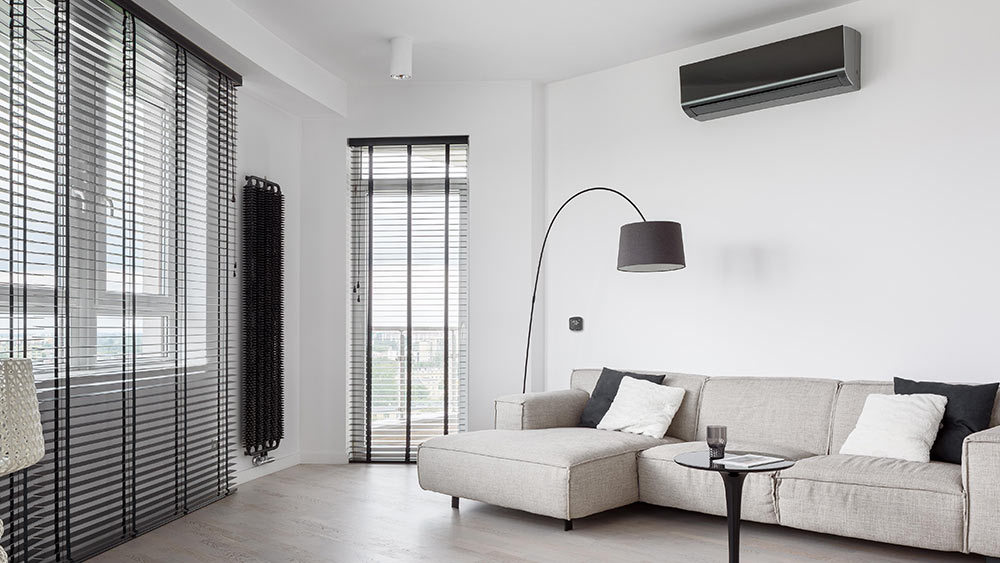
The most crucial specification when selecting an air conditioner is its cooling capacity, measured in British Thermal Units (BTUs). An undersized unit will struggle to cool the space effectively, running continuously and wasting energy, while an oversized unit will cycle on and off frequently, leading to poor dehumidification, uncomfortable temperature swings, and also wasted energy. For a studio apartment, which is essentially one large open space, calculating BTUs accurately is the first step.
What are BTUs and Why They Matter
A BTU is a unit of energy that represents the amount of heat required to raise the temperature of one pound of water by one degree Fahrenheit. In air conditioning terms, it measures how much heat a unit can remove from a room per hour. The higher the BTU rating, the more powerful the cooling capacity of the air conditioner. Matching the BTU output to the room’s heat load ensures efficient and effective cooling without overworking the unit or creating an overly cold environment.
Calculating Basic BTU Needs for a Studio
A standard rule of thumb for calculating BTU requirements is to consider the square footage of the space. For residential applications, a widely accepted guideline suggests approximately 20 BTUs per square foot.
To calculate the basic BTU need for a studio apartment:
- Measure the Length and Width: Determine the dimensions of your studio apartment in feet.
- Calculate Square Footage: Multiply the length by the width to get the total square footage.
- Apply the BTU Rule: Multiply the square footage by 20 BTUs.
For example, a studio apartment that is 15 feet long and 20 feet wide has 300 square feet.
300 sq ft x 20 BTUs/sq ft = 6,000 BTUs.
This provides a baseline, but it’s important to recognize that this is a starting point, and several other factors can significantly alter this requirement.
Key Factors Influencing BTU Calculations Beyond Square Footage
While square footage provides a foundation, a truly accurate BTU assessment for a studio apartment must account for several other variables that contribute to the heat load:
- Ceiling Height: Standard calculations assume 8-foot ceilings. Taller ceilings mean more air volume to cool, requiring an increase in BTU capacity. For every extra foot of ceiling height, consider adding 10% to your baseline BTU calculation.
- Window Exposure: Windows are significant sources of heat gain, especially those facing south or west, which receive direct sunlight for longer periods. A studio with large, poorly insulated windows will require more cooling power. Add 10% to 20% to the BTU estimate for rooms with substantial sun exposure.
- Insulation Quality: Well-insulated walls, roofs, and windows retain cool air more effectively. Conversely, poor insulation allows heat to seep in, increasing the BTU demand. Older buildings with less efficient insulation may need a higher BTU unit.
- Climate Zone: Living in a hot, humid climate naturally demands more powerful cooling than a milder region. Regional temperature averages should influence your final BTU choice.
- Occupancy: Each person present in a room generates body heat. For every additional person beyond the first two regularly occupying the studio, add approximately 600 BTUs to the calculation.
- Heat-Generating Appliances: Computers, TVs, kitchen appliances (stoves, ovens, refrigerators), and even lighting contribute to the internal heat load. If your studio features an open-plan kitchen frequently used for cooking, this will necessitate a higher BTU capacity.
Considering these factors allows for a more precise BTU estimation, ensuring your chosen AC unit provides optimal comfort and efficiency for your specific studio apartment.
Types of Air Conditioners Best Suited for Studio Apartments
The market offers several types of air conditioners, each with its own advantages and disadvantages concerning installation, efficiency, and cost. For studio apartments, space constraints and the desire for unobtrusive cooling often dictate the best choice.
Window Air Conditioners: Pros and Cons
Window units are a classic and often cost-effective solution for cooling smaller spaces. They are relatively easy to install for the DIY enthusiast and integrate into a standard window frame, exhausting hot air directly outside. Modern window units have improved significantly in terms of energy efficiency and noise levels.
- Pros: Lower initial cost, relatively simple installation (often DIY), good cooling performance for their size, some models offer smart features.
- Cons: Occupy window space, blocking natural light and views; can be an aesthetic detractor; potential security concern if not properly secured; noise levels can still be noticeable, especially at higher settings; not suitable for all window types (e.g., crank windows).
Portable Air Conditioners: Flexibility vs. Efficiency
Portable air conditioners offer the ultimate flexibility as they can be moved from room to room, though for a studio, their primary advantage is not requiring window installation beyond the exhaust hose. They sit on the floor and typically vent hot air through a hose inserted into a window opening or a specialized wall vent kit.
- Pros: No permanent installation required (beyond hose venting); can be easily moved; suitable for rental properties where permanent modifications are restricted.
- Cons: Generally less energy-efficient than window or mini-split units for the same BTU output; take up valuable floor space; exhaust hose can be cumbersome and unsightly; tend to be noisier than other types due to all components being housed within the unit; often struggle with dehumidification.
Mini-Split Systems: The Premium, Permanent Solution
Ductless mini-split air conditioners are gaining popularity for their efficiency, quiet operation, and sleek design. They consist of an outdoor compressor/condenser unit connected via a conduit to one or more indoor air-handling units, typically mounted high on a wall. While a more significant initial investment, they offer superior performance.
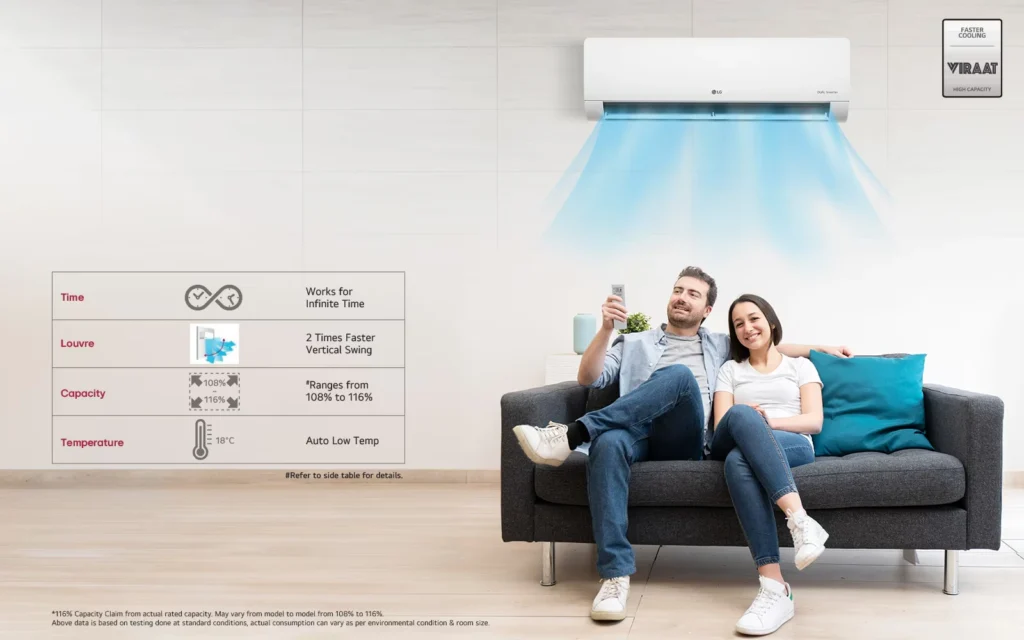
- Pros: Highly energy-efficient (often with high SEER ratings); very quiet operation; excellent temperature control; no need for ductwork; offer both cooling and heating (heat pump models); aesthetically pleasing indoor units; do not block windows.
- Cons: Higher initial cost and professional installation required; outdoor unit must be placed, though it’s compact; permanent fixture, not easily removed; requires drilling a small hole in an exterior wall for the conduit.
Smart Features and Energy Efficiency Ratings (EER/SEER)
Modern air conditioners, regardless of type, increasingly incorporate smart technology and improved energy efficiency.
- Energy Efficiency Ratio (EER): Measures an AC unit’s cooling output divided by its power input in watts at a specific ambient temperature (usually 95°F). Higher EER means greater efficiency.
- Seasonal Energy Efficiency Ratio (SEER): A more comprehensive measure, calculating the total cooling output over a typical cooling season divided by the total electrical energy input during the same period. SEER ratings are more relevant for central air and mini-split systems, reflecting performance over varying outdoor temperatures.
Look for units with high EER or SEER ratings to minimize electricity consumption. Smart features like Wi-Fi connectivity, programmable thermostats, voice control compatibility (e.g., with Alexa or Google Assistant), and eco-modes enhance convenience and can further optimize energy use by allowing remote control and intelligent scheduling.
Beyond the Basics: Advanced Considerations for Optimal Cooling
Achieving truly optimal cooling in a studio apartment involves more than just selecting the right BTU. A holistic approach considering the apartment’s characteristics and the resident’s lifestyle is essential for maximizing comfort and minimizing energy waste.
The Impact of Insulation and Window Quality
The thermal envelope of a studio apartment significantly influences its cooling needs. Well-insulated walls and high-quality, energy-efficient windows (double or triple-paned with low-emissivity coatings) can drastically reduce heat gain from outside. In contrast, older buildings with thin walls, single-pane windows, or drafts will require a higher BTU unit to compensate for heat leakage. Investing in temporary solutions like blackout curtains, window films, or weatherstripping can also significantly improve an apartment’s ability to retain cool air and reduce the strain on the AC.
Climate Zone and Sun Exposure
The geographic location and specific orientation of a studio apartment are critical. A studio in a hot, sunny climate like Phoenix will naturally demand more cooling power than one in a temperate climate like Seattle, even if they are the same size. Furthermore, apartments with large windows facing south or west receive intense direct sunlight for many hours, leading to considerable solar heat gain. These specific conditions warrant increasing the estimated BTU requirement by 10-20% to ensure adequate cooling during peak heat. Conversely, a north-facing studio in a shaded area might be able to manage with a slightly lower BTU unit.
Internal Heat Sources and Occupancy
While mentioned in BTU calculation, it’s worth reiterating the impact of internal heat. Modern studio living often means a concentration of heat-generating gadgets and activities in one open space. Multiple large-screen TVs, gaming consoles, powerful computers, and frequent cooking (especially with an electric range/oven) all contribute significant heat. Each regularly present occupant also adds body heat. Factor in approximately 600 BTUs per additional person beyond the first, and account for substantial internal appliance use when finalizing your AC size. This prevents the AC from constantly struggling against the combined heat load.
Smart Home Integration and Advanced Controls
For tech-savvy residents, integrating the air conditioner into a broader smart home ecosystem can elevate convenience and efficiency. Many modern AC units, especially mini-splits and some window models, offer Wi-Fi connectivity and compatibility with smart home platforms like Apple HomeKit, Google Home, or Amazon Alexa. This allows for:
- Remote Control: Adjusting settings from your smartphone before you arrive home.
- Schedules: Programming the unit to cool only when needed, based on your daily routine.
- Geofencing: Automatically turning the AC on/off as you enter or leave a defined area.
- Energy Monitoring: Tracking usage and identifying patterns to optimize efficiency.
These advanced controls not only enhance comfort but also empower users to manage energy consumption more effectively, potentially leading to significant savings over time.
Installation, Maintenance, and Maximizing Efficiency
The journey to an optimally cooled studio apartment doesn’t end with selecting the right unit. Proper installation and diligent maintenance are crucial for ensuring the chosen air conditioner operates at peak performance and longevity.
Professional Installation vs. DIY
The complexity of installation varies significantly between AC types.
- Window and Portable Units: These are often designed for DIY installation. Window units typically come with accordion panels to seal the gap in the window, and portable units require positioning the exhaust hose. While manageable, ensuring a tight seal around all openings is critical to prevent air leakage and maximize efficiency.
- Mini-Split Systems: Almost universally require professional installation. This involves mounting the indoor unit, installing the outdoor compressor, drilling a conduit hole, running refrigerant lines and electrical wiring, and evacuating the lines. Attempting this without specialized tools and expertise can damage the unit, void warranties, and potentially create safety hazards. Professional installation ensures the system is correctly sized, sealed, and charged for optimal performance and efficiency.
Regular Maintenance for Peak Performance
Regardless of the type, air conditioners are technological gadgets that require regular care to function effectively.
- Filter Cleaning/Replacement: This is the most critical maintenance task. Dirty filters restrict airflow, reduce cooling efficiency, and can lead to coil freeze-up. Check and clean/replace filters monthly, especially during heavy use.
- Coil Cleaning: Over time, evaporator and condenser coils can accumulate dirt and debris, hindering heat exchange. Cleaning them annually (or more frequently in dusty environments) can restore efficiency.
- Clear Obstructions: Ensure the outdoor unit of a mini-split is free from leaves, debris, and vegetation to allow proper airflow. For window units, ensure nothing blocks the outdoor vents.
- Drainage: Check and clear the condensate drain line to prevent blockages, which can lead to leaks or mold growth.
Neglecting maintenance can lead to decreased efficiency, higher energy bills, reduced lifespan of the unit, and potential breakdowns, undermining the initial investment in a suitable AC.

Smart Thermostats and Zoned Cooling for Studio Apartments
While studio apartments are inherently open-plan, smart thermostats can still play a vital role in optimizing comfort and energy use. For units with built-in smart functionality, programming intelligent schedules based on occupancy and desired temperatures prevents overcooling or wasteful operation when the apartment is empty. For non-smart window or portable units, using a smart plug with energy monitoring can provide some basic remote control and scheduling capabilities.
Although true zoned cooling isn’t applicable in a single-room studio, strategic placement of the AC unit and careful consideration of airflow patterns are essential. The goal is to evenly distribute cool air throughout the open space. Units with oscillating vents or adjustable louvers can help achieve this. Combined with smart controls, this ensures that the entire studio benefits from consistent cooling without excessive energy expenditure, making your chosen AC an effective and efficient gadget in your modern living space.
aViewFromTheCave is a participant in the Amazon Services LLC Associates Program, an affiliate advertising program designed to provide a means for sites to earn advertising fees by advertising and linking to Amazon.com. Amazon, the Amazon logo, AmazonSupply, and the AmazonSupply logo are trademarks of Amazon.com, Inc. or its affiliates. As an Amazon Associate we earn affiliate commissions from qualifying purchases.