
The Influence of Eastern Ethical Frameworks on Economic Thought and Practice
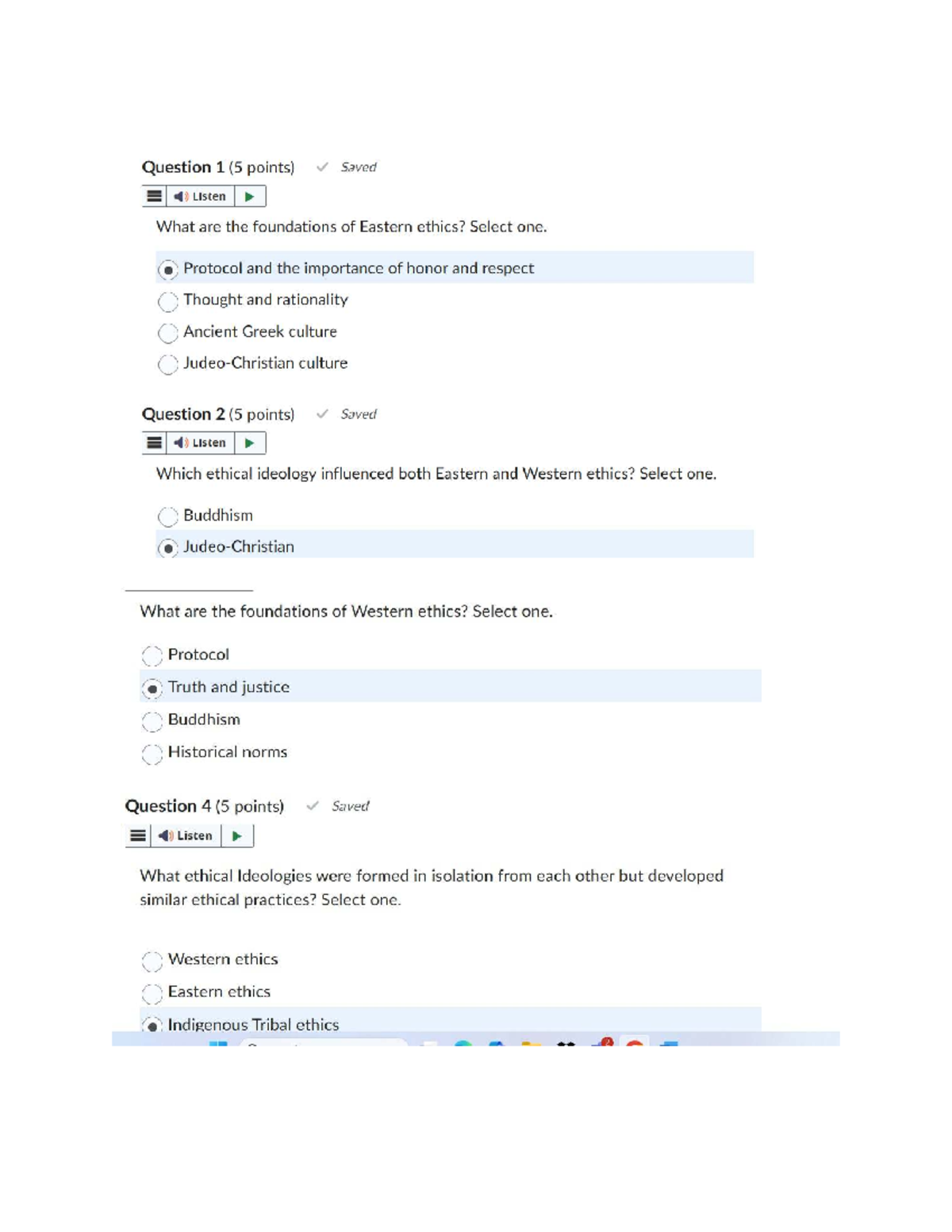
The pursuit and management of wealth are universally influenced by underlying ethical principles, whether explicit or implicit. In Eastern traditions, deep philosophical foundations have historically shaped, and continue to inform, approaches to money, business, and personal finance. Unlike purely Western economic theories that often prioritize individual utility maximization or market efficiency, Eastern ethics frequently embed economic activity within broader frameworks of social harmony, cosmic balance, and spiritual development. Understanding these foundational ethical tenets offers crucial insights into financial behaviors, corporate governance, and investment strategies prevalent across Asia and beyond.
Confucianism: Cultivating Reciprocity and Stability in Business Finance
Confucianism, originating in China, places paramount importance on social harmony, respect for hierarchy, and the cultivation of virtuous conduct. Its core tenets—Ren (benevolence), Li (propriety), Yi (righteousness), and Zhi (wisdom)—extend directly into the realm of business and finance. For a Confucian-influenced enterprise, the accumulation of wealth is not an end in itself but a means to contribute to social well-being and maintain stable, reciprocal relationships.
In business finance, Ren translates to a compassionate approach, ensuring fair dealings with employees, customers, and partners. This promotes long-term trust and loyalty, which are invaluable assets beyond mere monetary valuation. Li dictates adherence to proper procedures, contracts, and ethical business practices, fostering a predictable and reliable financial environment. This minimizes disputes and reduces transaction costs in the long run. Yi emphasizes doing what is morally right, even if it doesn’t yield immediate financial gain, thereby building a reputation for integrity that attracts and retains quality business relationships and investors. Zhi encourages prudent decision-making, foresight, and a comprehensive understanding of market dynamics, balancing risk with sustainability.
The Confucian concept of Guanxi – a network of relationships built on reciprocal obligations and trust – is a vital financial foundation in many East Asian economies. Business deals are often cemented through long-standing personal connections rather than purely transactional contracts, influencing everything from credit lines to joint ventures. An ethical breach can damage Guanxi irreversibly, carrying far greater financial and reputational consequences than in cultures where relationships are less intertwined with business. This foundational ethical emphasis on harmonious relationships creates a business landscape where integrity, long-term commitment, and social responsibility are viewed as integral components of financial success and stability.
Buddhism: “Right Livelihood” and Mindful Financial Management
Buddhism, with its emphasis on suffering, the impermanence of existence, and the path to enlightenment, profoundly influences how adherents view wealth and economic activity. A core ethical foundation is the concept of “Right Livelihood” (sammā-ājīva), one of the aspects of the Eightfold Path. This principle mandates earning a living in a way that does not cause harm to oneself or others.
From a financial perspective, “Right Livelihood” directly impacts investment choices and career paths. It encourages avoiding professions or investments that deal in weapons, intoxicants, slavery, animal slaughter, or fraud. This ethical stance forms the bedrock of Buddhist-inspired ethical investing, prioritizing industries that contribute positively to society and the environment. Financial institutions and individuals adhering to this principle would actively screen out companies engaged in harmful practices, opting instead for those promoting health, education, sustainable agriculture, or ethical technology.
Beyond the source of income, Buddhist ethics also shape the management of personal finance. The doctrine of non-attachment to material possessions and the understanding of dukkha (suffering) arising from greed and craving encourages moderation, frugality, and generosity. Excessive accumulation of wealth is viewed with caution, as it can lead to attachment, anxiety, and a distraction from spiritual development. This promotes mindful spending, responsible saving, and a pragmatic approach to debt. Dana (generosity) is a fundamental practice, encouraging the donation of a portion of one’s wealth to support monastic communities, charitable causes, or those in need. This not only cultivates compassion but also circulates wealth within the community, reinforcing social bonds. For businesses, this translates into corporate philanthropy and a broader sense of responsibility to the community, viewing profit as a resource that should also serve the collective good.
Taoism: Simplicity, Flow, and Sustainable Wealth Creation
Taoism, with its focus on living in harmony with the Tao (the Way) and embracing the natural flow of the universe, offers a distinct ethical framework for financial thought. The core principles of Wu Wei (effortless action or non-action) and natural simplicity provide guidance for wealth creation and management, emphasizing sustainability over aggressive pursuit.
From a Taoist perspective, frantic striving for wealth or excessive accumulation is seen as going against the natural flow, leading to imbalance and eventual decline. Instead, Wu Wei suggests a more organic and intuitive approach to business and finance. This involves understanding market cycles, adapting to changing conditions gracefully, and making decisions that feel natural and aligned rather than forced or overly aggressive. For an investor, this might mean patiently observing trends, avoiding speculative bubbles driven by greed, and understanding the impermanence of financial highs and lows.
Simplicity and frugality are highly valued. Taoist ethics advocate for living contentedly with what one has, avoiding unnecessary consumption and extravagance. This directly impacts personal finance by promoting a minimalist lifestyle, reducing debt, and focusing on quality over quantity. For businesses, this translates into lean operations, efficient resource management, and sustainable production methods that respect environmental limits. The idea is to create lasting value rather than fleeting profits, minimizing waste and maximizing genuine utility.
The Taoist emphasis on balance (Yin and Yang) also informs financial strategy. This involves balancing growth with stability, risk with security, and personal gain with societal benefit. A Taoist-inspired business might prioritize long-term ecological and social sustainability over short-term quarterly profits, recognizing that true wealth is not just monetary but encompasses ecological health, community well-being, and personal peace. This ethical foundation fosters a patient, resilient, and environmentally conscious approach to wealth creation that seeks harmony with nature and society.
Ethical Investing and Business Finance Through an Eastern Lens
The foundational ethical principles of Eastern traditions manifest in tangible ways within contemporary financial markets and business practices, particularly in Asia. These deep-seated values inform not only individual financial decisions but also shape corporate governance, investment strategies, and the very definition of corporate social responsibility.
Corporate Governance and Social Responsibility in Asian Markets
In many Asian economies, corporate governance models are often influenced by ethical principles beyond the Western focus on shareholder primacy. The Confucian emphasis on harmony, family, and long-term relationships means that companies may view themselves as integral parts of a broader social fabric, not just profit-making entities. This often translates into a more stakeholder-oriented approach, where the interests of employees, customers, suppliers, and the community are considered alongside those of shareholders.
For example, long-term employment, employee welfare programs, and strong community engagement are often seen as ethical imperatives that contribute to a company’s stability and reputation – tangible assets in a relationship-driven economy. Financial decisions, such as dividend policies or reinvestment strategies, might be weighed against their potential impact on employee morale or community perception. The concept of “doing good to do well” is deeply embedded, where ethical conduct is not merely compliance but a strategic advantage that builds trust and loyalty, ultimately enhancing financial sustainability. This broader view of corporate social responsibility often extends to environmental stewardship, where the Taoist principle of harmony with nature can inspire sustainable supply chains and eco-friendly business practices, acknowledging the long-term economic costs of environmental degradation.
Personal Financial Wisdom and Mindfulness in the Eastern Tradition
The ethical foundations of Eastern thought provide profound guidance for personal financial wisdom. Buddhism’s “Right Livelihood” encourages individuals to align their earning efforts with their values, fostering a sense of purpose beyond mere income. This can lead to more fulfilling careers and a reduced desire for ‘get-rich-quick’ schemes that often come with high ethical or personal costs. The Buddhist principle of non-attachment helps individuals manage financial setbacks with greater equanimity, reducing the stress and anxiety often associated with market fluctuations or personal financial losses. It encourages a focus on essential needs over endless wants, leading to healthier budgeting and saving habits.
Confucian ethics, with their emphasis on diligence, frugality, and planning for the future, promote responsible saving, prudent investment, and avoiding unnecessary debt. The idea of setting a good example for family and community also encourages financial discipline and integrity. Wealth accumulated through ethical means is often seen as a resource to be managed wisely, not just for personal benefit, but also for the well-being of one’s family and community, potentially through charitable giving or supporting younger generations. Taoist simplicity reinforces the idea that true contentment comes from within, not from material accumulation, guiding individuals towards a balanced life where financial pursuits are integrated with personal well-being and a connection to nature. These principles collectively foster a mindful approach to money, encouraging individuals to see their finances as a tool for a purposeful and harmonious life rather than a source of endless striving.

Navigating Modern Financial Landscapes with Ancient Ethics
In today’s complex globalized financial markets, Eastern ethical foundations offer invaluable frameworks for navigating challenges such as wealth disparity, unsustainable growth, and the rapid evolution of digital finance. While modern economies often lean towards individualistic, growth-at-all-costs models, the collectivist and balanced perspectives inherent in Eastern ethics provide a counter-narrative, advocating for integrity, sustainability, and social responsibility in financial dealings. The tension between traditional values and modern capitalist pressures often prompts hybrid approaches, where businesses and individuals seek to integrate ancient wisdom with contemporary financial tools. Ultimately, these enduring ethical principles highlight that genuine prosperity is not solely measured in monetary terms, but in the harmony, well-being, and sustained integrity of individuals, communities, and the planet.
aViewFromTheCave is a participant in the Amazon Services LLC Associates Program, an affiliate advertising program designed to provide a means for sites to earn advertising fees by advertising and linking to Amazon.com. Amazon, the Amazon logo, AmazonSupply, and the AmazonSupply logo are trademarks of Amazon.com, Inc. or its affiliates. As an Amazon Associate we earn affiliate commissions from qualifying purchases.