
Navigating the landscape of personal finance, particularly when it comes to securing significant loans such as mortgages or auto loans, often introduces a lexicon of terms that can initially seem interchangeable. Among these, “prequalification” and “preapproval” stand out as critical early steps, yet they represent distinctly different stages in the lending process, carrying varied implications for borrowers. Understanding their nuances is not merely an academic exercise; it is a fundamental requirement for anyone looking to make informed financial decisions, streamline their loan application process, and ultimately achieve their financial goals efficiently. While both offer an initial assessment of one’s borrowing capacity, one is a casual inquiry, the other a rigorous vetting, each serving a unique purpose in the financial journey.
Understanding Prequalification: An Initial Glimpse
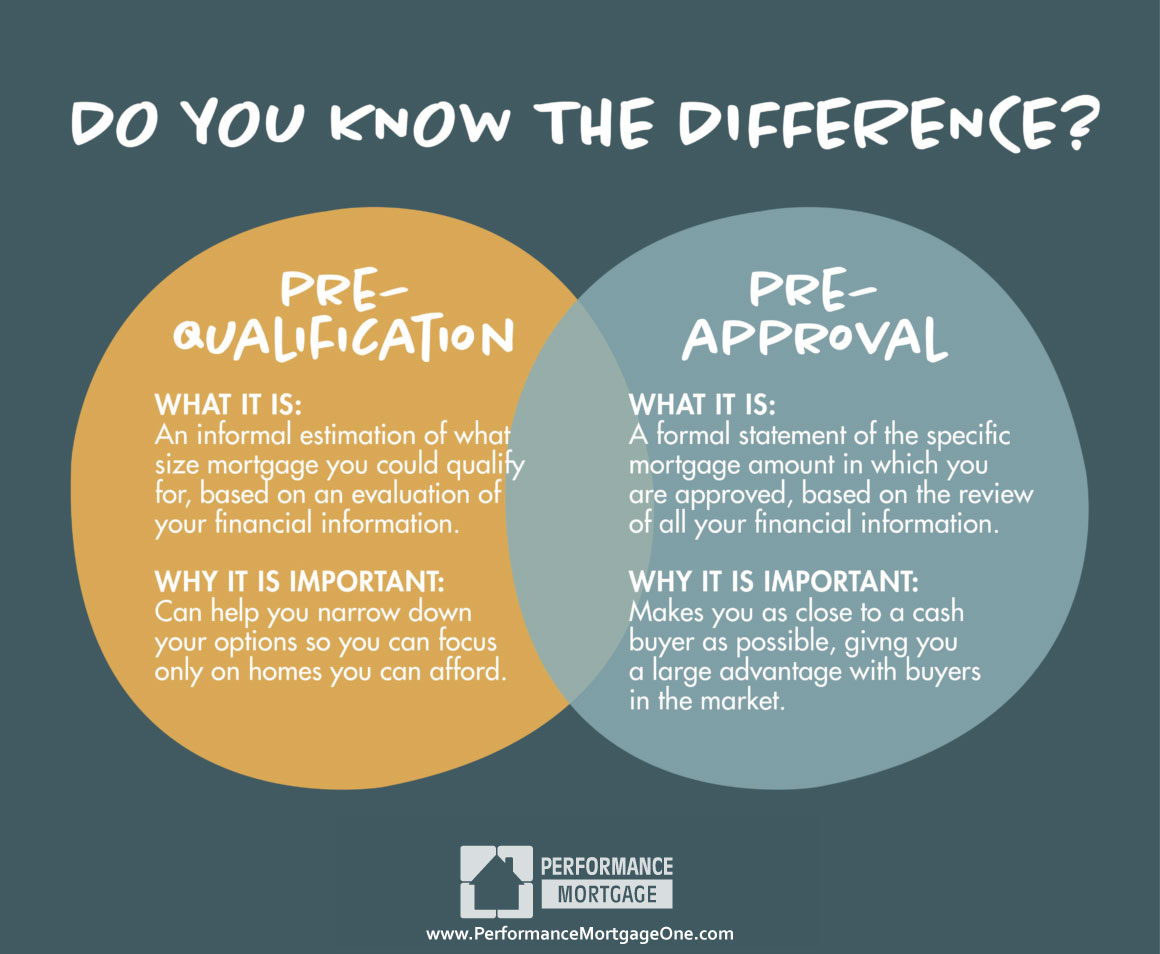
Prequalification is typically the very first step a prospective borrower takes when considering a loan. It serves as a preliminary assessment of what a borrower might be able to afford, based on self-reported financial information. This stage is designed to provide a quick, informal estimate of borrowing capacity, offering a broad strokes picture rather than a definitive commitment.
The Inquiry Process
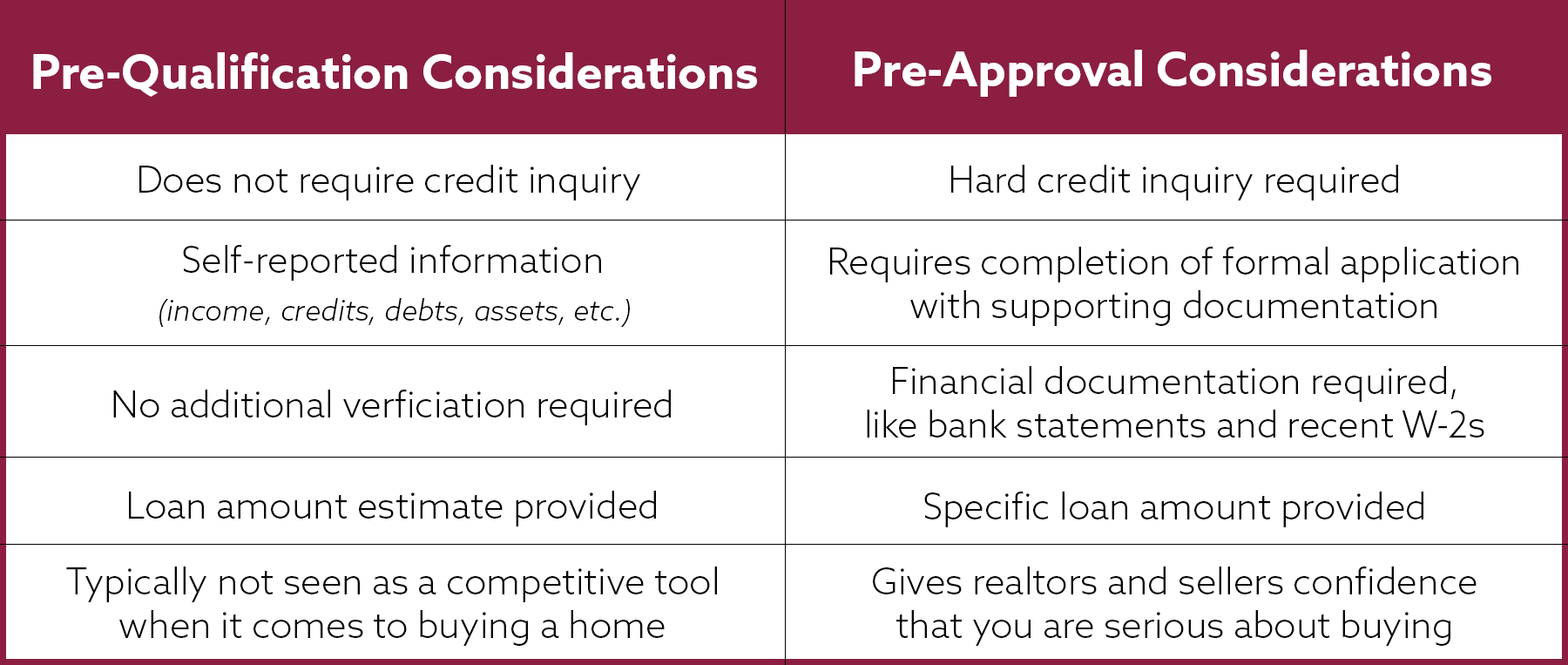
When you seek prequalification, a lender will ask for basic financial details. This usually includes your estimated income, recurring debts, savings, and assets. Crucially, this information is largely self-reported; while a lender might lightly scrutinize it, there’s no extensive verification process at this stage. The interaction can often happen quickly, sometimes over the phone or through an online form, and doesn’t require submitting detailed documentation. The primary goal is to get a general idea of your financial health and what loan amount you might realistically target.
What it Signifies
A prequalification letter or estimate signifies a potential borrowing amount. It is not a commitment from the lender to provide financing, nor is it a guarantee of a specific interest rate. Instead, it’s an educational tool, allowing you to gauge affordability and set realistic expectations for your property search or vehicle purchase. For example, a mortgage prequalification might suggest you could qualify for a loan up to $300,000, but this is a soft estimate contingent on deeper financial review. It’s often used by individuals who are just beginning to explore their options and want a ballpark figure without committing to a full application process.
Benefits and Limitations
The main benefit of prequalification lies in its simplicity and speed. It requires minimal effort and provides immediate, albeit preliminary, feedback. This makes it an excellent starting point for budget planning and narrowing down options. It also has a negligible impact on your credit score, as lenders typically perform a “soft” credit pull, which doesn’t affect your score. However, its primary limitation is its lack of definitive power. A prequalification holds little weight with sellers or real estate agents, who understand that it’s not a guarantee of financing. It doesn’t put you in a strong negotiating position and can lead to disappointment if the actual loan amount you qualify for later differs significantly.
The Robustness of Preapproval: A Deeper Commitment
In contrast to prequalification, preapproval is a much more robust and formal assessment of your creditworthiness and borrowing capacity. It involves a thorough examination of your financial profile by a lender and represents a conditional commitment to lend you money up to a certain amount, at a specified interest rate, provided all conditions are met.
The Underwriting Review
The preapproval process initiates a preliminary underwriting review, where the lender delves deeply into your financial history. This is where your self-reported data from the prequalification stage is rigorously verified. Lenders will typically request a comprehensive set of documents to confirm your income, assets, and liabilities. This detailed scrutiny allows the lender to assess the true risk associated with lending to you.
Documents Required
To secure preapproval, you’ll need to provide substantial documentation. This commonly includes:
- Proof of Income: Pay stubs (typically for the last 30 days), W-2 forms (for the last two years), and federal tax returns (for the last two years). For self-employed individuals, this might include profit and loss statements and business tax returns.
- Asset Verification: Bank statements (for checking, savings, and investment accounts, usually for the last two to three months) to prove you have funds for a down payment and closing costs.
- Debt Information: Statements for all outstanding debts, such as credit cards, student loans, auto loans, and any other lines of credit.
- Identification: Government-issued photo identification.
- Credit Report: The lender will perform a “hard” credit pull, which provides a detailed view of your credit history, payment behavior, and current debt obligations. This inquiry will temporarily affect your credit score by a few points.
What it Means for Borrowers
A preapproval letter is a powerful document. It explicitly states the maximum loan amount you qualify for, the estimated interest rate, and the loan terms, often valid for a specific period (e.g., 60 to 90 days). This letter demonstrates to sellers, real estate agents, or car dealerships that you are a serious and qualified buyer, backed by a lender’s conditional promise. For home buyers, it significantly strengthens your offer in a competitive market, as sellers are more likely to accept an offer from a preapproved buyer, knowing that financing is largely secured. For auto buyers, it allows you to negotiate with the confidence of knowing your budget and secured financing, potentially avoiding high-interest dealer financing.
Key Distinctions and Strategic Implications
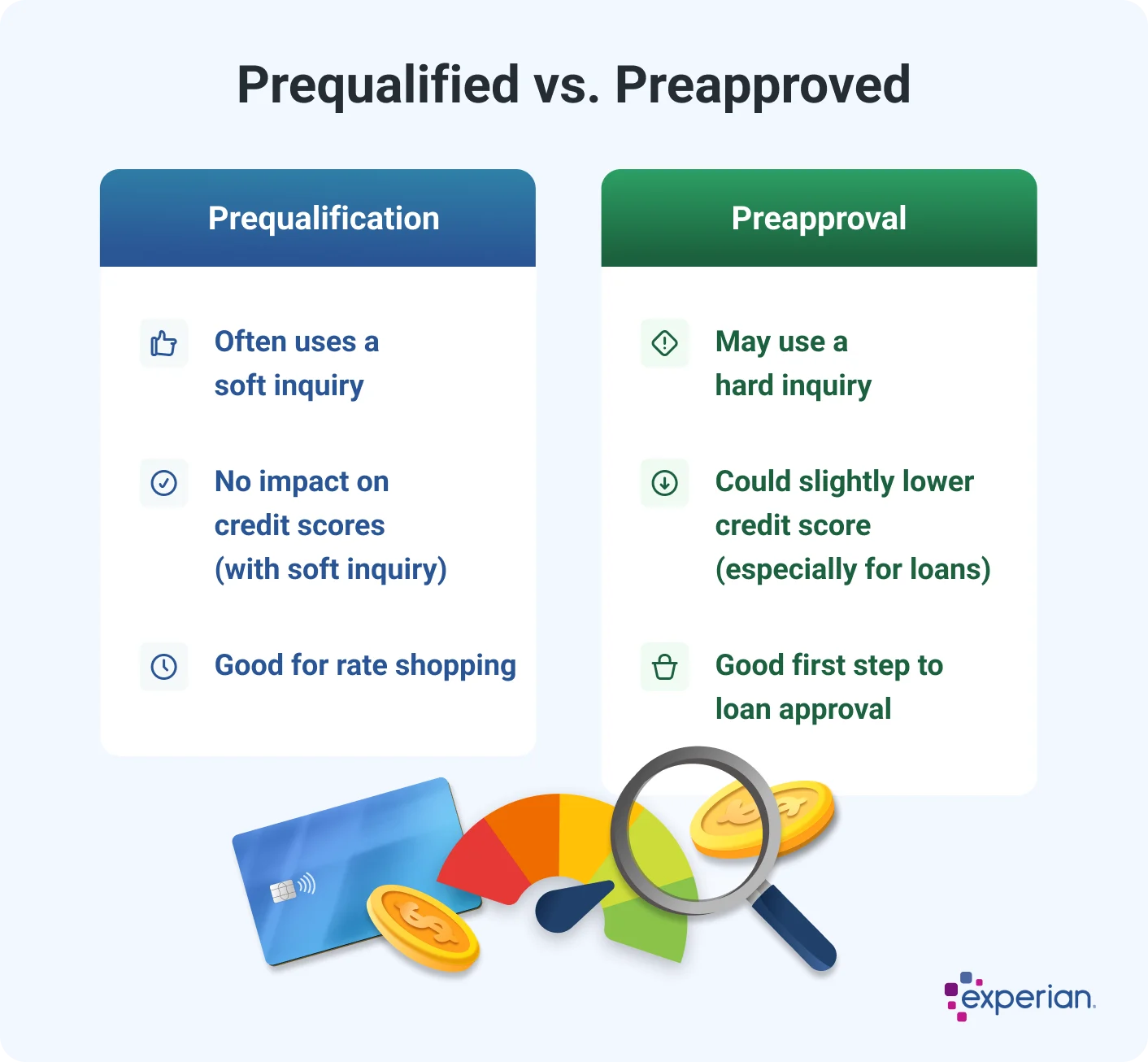
The operational differences between prequalification and preapproval translate into significant strategic implications for borrowers. Understanding these distinctions is crucial for timing your steps correctly and leveraging each process effectively.
Data Scrutiny and Credit Impact
The most apparent distinction lies in the depth of financial scrutiny. Prequalification relies on self-reported data and a soft credit pull, making it quick and non-impactful on your credit score. Preapproval, conversely, demands extensive documentation and triggers a hard credit pull, which temporarily reduces your credit score. While a slight dip in credit score from a hard inquiry might seem concerning, it’s a necessary step for preapproval and often outweighed by the benefits of a firm financing commitment. Multiple hard inquiries for the same type of loan within a short window (e.g., 14-45 days, depending on the credit scoring model) are typically treated as a single inquiry, so shopping for the best rate within a sensible timeframe won’t severely penalize your score.
Lender Commitment Level
Prequalification carries no commitment from the lender; it’s an estimate. Preapproval, however, represents a conditional commitment. The lender is stating they are ready to lend, assuming the information provided is accurate and the specific property or asset you wish to purchase meets their criteria (e.g., appraisal, inspection). This difference in commitment is what gives preapproval its substantial weight in competitive markets.
Utility in the Market
In dynamic markets, particularly real estate, preapproval is an indispensable tool. It empowers you to make competitive offers, often giving you an edge over buyers who are merely prequalified or have no financing in place. Sellers prefer preapproved buyers because it reduces the risk of the deal falling through due to financing issues. For auto purchases, preapproval can give you the upper hand in price negotiations, as you already have financing secured, providing an alternative to what the dealership might offer. Prequalification, on the other hand, primarily serves as an internal planning tool for the borrower, offering little external utility in competitive negotiations.
When to Seek Each Option
The timing of when to seek prequalification versus preapproval depends heavily on your stage in the financial journey and your immediate goals.
Prequalification for Exploration
Prequalification is ideal when you are in the initial, exploratory phase. If you’re simply curious about what you might be able to afford, planning for a future purchase, or budgeting your options without specific properties or vehicles in mind, prequalification provides a quick, risk-free estimate. It helps you understand your financial position without committing to a full application, allowing you to refine your search parameters and personal financial planning before getting serious.
Preapproval for Serious Offers
Once you are ready to make a serious offer on a specific item—be it a house, a car, or another significant asset—preapproval becomes essential. It’s the necessary step before engaging in active negotiations. Without preapproval, you risk wasting your time (and potentially a seller’s time) and may find your offers not taken seriously. For homebuyers, being preapproved is critical before you even start viewing homes, as it gives you a clear budget and allows you to move quickly when the right property emerges.
Maximizing Your Borrowing Power
Regardless of whether you are seeking prequalification or preapproval, preparing your financial profile is paramount. The stronger your financial standing, the more favorable your loan terms are likely to be.
Improving Your Financial Profile
Before engaging with lenders, take steps to improve your credit score. This includes paying bills on time, reducing outstanding debt, and avoiding opening new credit accounts. Build up your savings for a down payment and closing costs, as a larger down payment often translates to a lower loan amount and potentially better interest rates. Consolidating high-interest debt can also make your financial picture more appealing to lenders. The clearer and healthier your financial situation, the smoother the lending process will be, and the more likely you are to secure the most advantageous terms.
The Value of Preparation
Ultimately, both prequalification and preapproval are valuable financial tools, each serving a distinct purpose. Prequalification offers a preliminary estimation, suitable for early budgeting and exploration. Preapproval, however, is the definitive step for serious buyers, providing a conditional commitment from a lender and significant leverage in negotiations. By understanding this critical difference, borrowers can strategically navigate the lending landscape, making informed decisions that align with their financial goals and lead to successful outcomes. Preparing your financial documents and understanding your credit health well in advance will empower you throughout this process, setting the stage for a strong financial future.
aViewFromTheCave is a participant in the Amazon Services LLC Associates Program, an affiliate advertising program designed to provide a means for sites to earn advertising fees by advertising and linking to Amazon.com. Amazon, the Amazon logo, AmazonSupply, and the AmazonSupply logo are trademarks of Amazon.com, Inc. or its affiliates. As an Amazon Associate we earn affiliate commissions from qualifying purchases.