
The question “what religion is The Salvation Army?” is more than a mere theological query; it delves directly into the core corporate identity, brand strategy, and public perception of one of the world’s most recognizable humanitarian organizations. For brand strategists and marketers, understanding this religious foundation is crucial to appreciating the unique strength, challenges, and enduring legacy of The Salvation Army’s brand. Far from being a tangential detail, its identity as an evangelical Christian church informs every facet of its operation, from its mission statement to its visual iconography and service delivery model.

The Unbreakable Link Between Faith and Corporate Identity
At its heart, The Salvation Army is an integral part of the Christian church, albeit one with a distinctive “army” structure and a profound commitment to social action. This origin story is not just history; it is the bedrock of its corporate identity and brand promise.
Origins as a Christian Church: More Than Just a Charity
Founded in 1865 in London by William Booth, The Salvation Army began as “The Christian Mission,” driven by a desire to bring salvation to the poor, destigmatized, and marginalized members of society who felt unwelcome in conventional churches. Booth intentionally structured it along quasi-military lines in 1878, renaming it “The Salvation Army,” to emphasize discipline, dedication, and a spiritual “warfare” against poverty and injustice. This foundational commitment to evangelical Christianity—believing in salvation through Jesus Christ and actively working for spiritual and social betterment—is not a side project; it is the raison d’être of the entire organization.
From a brand perspective, this means The Salvation Army isn’t just a charity that happens to be Christian; it is a Christian church that expresses its faith through extensive social and humanitarian work. Its “corporate” mission, values, and ethical framework are inextricably tied to Christian doctrines. This distinct positioning immediately differentiates it in the crowded non-profit landscape, offering a clear, value-driven identity that resonates deeply with certain demographics of donors, volunteers, and beneficiaries.
The “Army” Metaphor: A Brand Built on Discipline and Mission
The “Army” nomenclature is perhaps one of the most powerful and enduring elements of The Salvation Army’s brand. It’s not merely a whimsical name; it’s a structural and philosophical metaphor that defines its operational model and public image. The ranks (Officers, Soldiers, Cadets), the uniforms, the “war cry” (a commitment to “Blood and Fire” – the blood of Jesus for salvation and the fire of the Holy Spirit for sanctification), and the hierarchical command structure all reflect this military ethos.
For branding, this “army” concept conveys several potent messages:
- Discipline and Efficiency: Suggests an organized, effective, and reliable force.
- Dedication and Sacrifice: Implies unwavering commitment to its mission.
- Unity and Solidarity: Projects a unified front against societal ills.
- Action-Oriented: Positions the organization as actively fighting problems, not just passively addressing them.
This unique brand architecture provides a memorable and actionable identity, fostering trust and predictability in its service delivery. It communicates a brand that is serious, disciplined, and prepared to tackle difficult challenges head-on.
Core Values and Mission: Faith as the Guiding Star
The core values of The Salvation Army are directly derived from its Christian beliefs. These include compassion, respect, integrity, diversity, and passion for God. These are not merely corporate buzzwords; they are tenets deeply embedded in its organizational culture and service philosophy.
Its mission statement, “The Salvation Army, an international movement, is an evangelical part of the universal Christian Church. Its message is based on the Bible. Its ministry is motivated by the love of God. Its mission is to preach the gospel of Jesus Christ and to meet human needs in His name without discrimination,” clearly articulates this faith-driven approach.
For brand strategy, this consistent alignment of values and mission provides:
- Authenticity: The brand’s actions are perceived as genuine extensions of its stated beliefs.
- Clarity: Stakeholders understand the “why” behind its operations.
- Purpose-Driven Identity: Appeals to individuals and corporate partners who seek to align with organizations demonstrating strong ethical and moral foundations.
This deep-seated faith ensures that its brand identity remains consistent across its global operations, from disaster relief efforts to community programs.
Brand Perception and Public Trust: Navigating Religious Identity
The Salvation Army’s religious identity significantly shapes its public perception, influencing how it is viewed by beneficiaries, donors, and the broader community. Managing this dual identity—as both a church and a major humanitarian aid provider—is a perpetual branding challenge and opportunity.
The Dual Identity: Church and Global Humanitarian Aid Organization
Many people primarily associate The Salvation Army with its iconic red kettles, thrift stores, and disaster relief work, often unaware of its ecclesiastical nature. This “dual identity” presents a unique branding dynamic. On one hand, its Christian foundation can be a powerful source of trust and volunteer engagement for faith-based communities. On the other, it necessitates careful communication to ensure its services are perceived as inclusive and accessible to all, regardless of their personal beliefs.
Brand messaging strategies must consistently reassure the public that services are rendered “without discrimination.” This requires a delicate balance: honoring its Christian mandate while demonstrating universal compassion. Successful branding in this context means communicating the motivation (love of God) without imposing specific religious requirements on those receiving aid. This inclusivity is critical for maintaining broad public support and avoiding alienation.
Leveraging Trust: How Faith Fosters Credibility
For many, particularly in Western societies, the brand of The Salvation Army evokes immediate recognition and trust. This credibility is, in large part, an outgrowth of its consistent, faith-driven mission over more than a century. Its religious origins suggest a moral compass, an enduring commitment to altruism, and a legacy of selflessness that transcends fleeting trends.
Donors often gravitate towards The Salvation Army precisely because they perceive it as an organization with strong ethical governance, transparent operations, and a clear, unwavering purpose. The implicit understanding that it operates from a place of spiritual conviction can translate into higher levels of donor confidence and sustained financial support, viewing donations as investments in a morally grounded cause. This trust is a formidable brand asset, carefully cultivated through decades of consistent action aligned with its stated values.
Managing Public Relations and Inclusivity: A Branding Challenge
While its religious identity is a source of strength, it also presents PR and branding challenges. Debates around religious freedom, LGBTQ+ rights, and the separation of church and state occasionally bring The Salvation Army into the public spotlight. When these issues arise, the organization’s branding must be agile, reiterating its core mission of serving all in need, while also upholding its foundational doctrines.
This requires careful internal communication to ensure all branches adhere to inclusive service delivery policies, alongside external messaging that clearly articulates its commitment to non-discrimination. The balancing act involves affirming its spiritual identity to its members and faith-based supporters, while simultaneously projecting an image of universal compassion and service to the broader public. Effective brand management ensures that the focus remains on the humanitarian impact, rather than getting mired in theological controversies.
Visual and Experiential Branding: Symbols of Salvation
The Salvation Army’s brand identity is powerfully reinforced through its visual elements and the consistent experience it delivers. These elements are not arbitrary; they are deeply symbolic extensions of its faith and mission.
The Shield, The Uniform, The Red Kettle: Iconic Brand Assets
The Salvation Army boasts some of the most recognizable brand assets in the non-profit sector:
- The Shield Logo: Featuring a cross (representing Christ), the “S” for Salvation, two crossed swords (spiritual warfare), seven dots (the seven truths of the Gospel), and the motto “Blood & Fire,” it is a concise visual summary of its religious and martial identity. This emblem instantly communicates its origins and purpose.
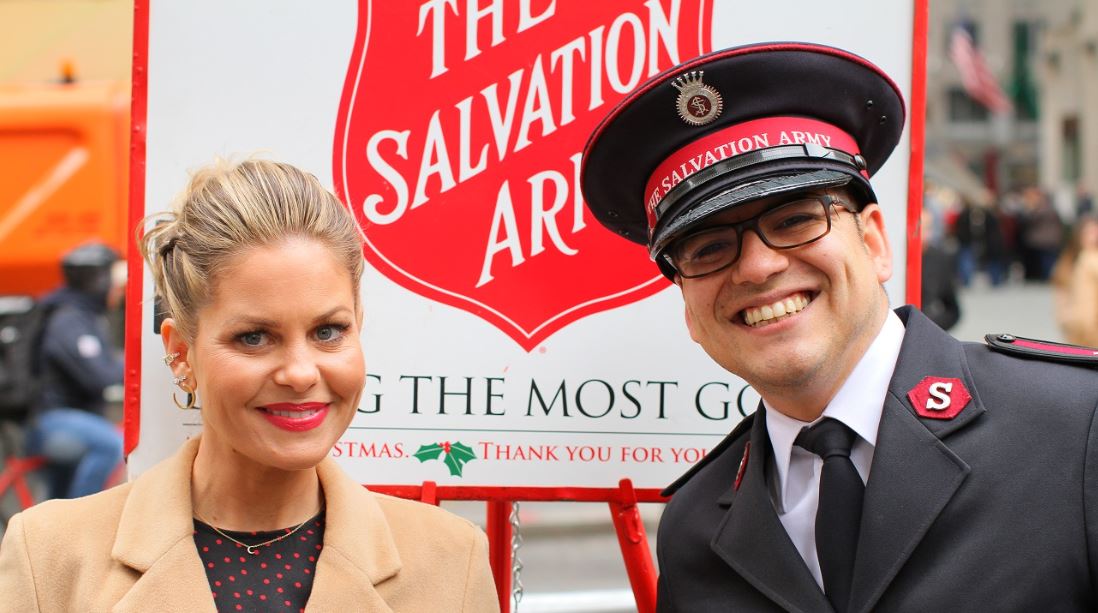
- The Uniform: Worn by officers and soldiers, the uniform reinforces the “army” brand, signifying discipline, unity, and an immediate visual cue of service and authority in its specific context. It creates an identifiable presence in communities worldwide.
- The Red Kettle: Perhaps its most famous symbol, the red kettle at Christmas time is synonymous with charity and holiday giving. While secularized in the public imagination, its purpose is to fund services driven by the organization’s faith-based mission. Its vibrant color and distinctive shape are highly effective seasonal branding tools that evoke feelings of generosity and hope.
These iconic brand elements bypass language barriers and resonate deeply, instantly communicating the organization’s presence and purpose, making it easier for people to recognize, trust, and engage with the brand.
Service Delivery as a Brand Experience: Empathy in Action
Beyond visual symbols, The Salvation Army’s “brand experience” is defined by its consistent approach to service delivery. Whether it’s providing shelter, food, disaster relief, or rehabilitation services, the underlying principle is “doing the most good,” driven by Christian compassion. The direct, hands-on nature of its work creates a tangible, human-centered brand experience.
This approach emphasizes:
- Direct Engagement: Officers and volunteers are often on the front lines, embodying the brand through personal interaction.
- Practical Help: Focusing on immediate, tangible needs demonstrates a practical application of its faith.
- Unconditional Care: Services are provided based on need, reflecting the Christian tenet of unconditional love, reinforcing its inclusive brand promise.
This consistent service delivery model builds brand loyalty among beneficiaries and fosters goodwill within communities, showcasing the practical manifestation of its faith.
Music and Community Engagement: A Unique Brand Touchpoint
Music, particularly its brass bands, has been a distinctive part of The Salvation Army’s brand since its inception. Used to attract crowds to open-air meetings and parades, music serves as both a means of evangelism and a powerful tool for community engagement and brand visibility. The sound of a Salvation Army band is instantly recognizable and often associated with positive community presence, holiday cheer, and a sense of tradition.
This unique brand touchpoint contributes to:
- Cultural Integration: The bands become part of the local fabric, enhancing brand familiarity.
- Positive Association: Music creates an emotional connection, often linked to comfort, hope, and community spirit.
- Brand Awareness: The visible presence of bands and their distinctive sound keeps the brand top-of-mind.
Such unique engagement strategies extend the brand’s reach and impact beyond traditional service provision, reinforcing its multifaceted identity.
Strategic Implications: Branding for Impact and Longevity
The Salvation Army’s deeply ingrained religious identity provides significant strategic advantages, particularly in differentiating itself and ensuring long-term relevance and support.
Differentiating in the Non-Profit Landscape
In an increasingly crowded non-profit sector, The Salvation Army’s clear religious identity serves as a powerful differentiator. While other charities may focus purely on secular humanitarianism, The Salvation Army offers a comprehensive approach that integrates spiritual care with social services. This unique proposition appeals to a specific segment of donors and volunteers who are drawn to faith-based organizations or who appreciate the holistic approach to human welfare.
This distinct positioning allows the organization to carve out its own niche, attracting support from individuals and corporations looking for partners whose values align with a faith-driven mission. It’s a brand promise of not just alleviating symptoms, but addressing deeper spiritual and social needs, offering a unique value proposition that stands out.
Donor Relations and Philanthropic Alignment
For many philanthropic entities and individual donors, aligning with organizations that share their core values is paramount. The Salvation Army’s explicitly Christian identity makes it a natural partner for faith-based foundations, churches, and individuals who wish their contributions to support a mission rooted in Christian principles. This deep alignment fosters strong, enduring donor relationships built on shared purpose and trust.
Understanding “what religion is The Salvation Army” is therefore crucial for donor outreach and fundraising strategies. It allows the brand to effectively communicate its mission and impact to audiences who value the spiritual underpinnings of its work, ensuring continued financial viability and growth. The brand’s consistent messaging about serving “in His name” resonates powerfully within this demographic.

Adapting the Brand Message for Modern Audiences
While its core religious identity is immutable, The Salvation Army continually faces the challenge of adapting its brand message to modern, increasingly secular audiences without compromising its foundational beliefs. This involves emphasizing the universal aspects of its mission—compassion, service, fighting injustice—while allowing the underlying spiritual motivation to speak for itself through action.
Strategic brand communication focuses on impact, transparency, and inclusivity, demonstrating how its faith translates into tangible benefits for communities worldwide. By balancing its heritage with contemporary relevance, The Salvation Army continues to build a powerful and enduring brand that effectively leverages its religious identity to fulfill its dual mission: serving God by serving humanity.
aViewFromTheCave is a participant in the Amazon Services LLC Associates Program, an affiliate advertising program designed to provide a means for sites to earn advertising fees by advertising and linking to Amazon.com. Amazon, the Amazon logo, AmazonSupply, and the AmazonSupply logo are trademarks of Amazon.com, Inc. or its affiliates. As an Amazon Associate we earn affiliate commissions from qualifying purchases.