
When evaluating a property for purchase, conducting a home inspection, or managing a renovation budget, understanding the infrastructure of a building is paramount. While many homeowners focus on visible features like flooring, cabinetry, and smart home gadgets, the structural integrity and functionality of a building often rely on hidden mechanical systems. Plumbing vents, often overlooked, are critical components of a home’s drainage system. Recognizing these fixtures and understanding their role is essential for assessing the long-term value and maintenance requirements of any real estate investment.
Identifying Plumbing Vents on Your Roof
The most common location to spot plumbing vents is on the roof of a residential or commercial building. From an exterior perspective, these pipes typically appear as simple, vertical protrusions sticking out of the shingles. They are usually made of PVC (plastic), cast iron, or galvanized steel. Depending on the age of the building and local building codes, these vents might look like plain, open-ended pipes, or they may be capped with specialized flashing to prevent water intrusion.
Anatomy of an Exterior Vent Pipe
On a standard pitched roof, a plumbing vent will look like a straight, cylindrical pipe extending a few inches or feet above the surface. You might notice a rubber or metal flange—known as a roof boot—at the base where the pipe meets the roof. This boot is the critical interface that ensures the roof remains watertight. If you see a pipe that looks slightly wider at the top, it may be a specialty vent cap designed to prevent debris, leaves, or bird nests from falling into the line and causing a blockage.
Why Location Matters for Property Valuation
From a branding and inspection standpoint, the placement of these vents is not random. Contractors and architects position them to comply with specific venting codes that prevent sewer gases from being pulled back into the home through windows or HVAC intakes. If a property inspection reveals vent pipes that are poorly placed, improperly flashed, or corroded, this acts as a red flag for potential repair costs. For investors looking at properties with a “fixer-upper” strategy, the state of the roof-line plumbing is a non-negotiable line item in the renovation budget.
The Mechanical Purpose: Why Vents Are Essential
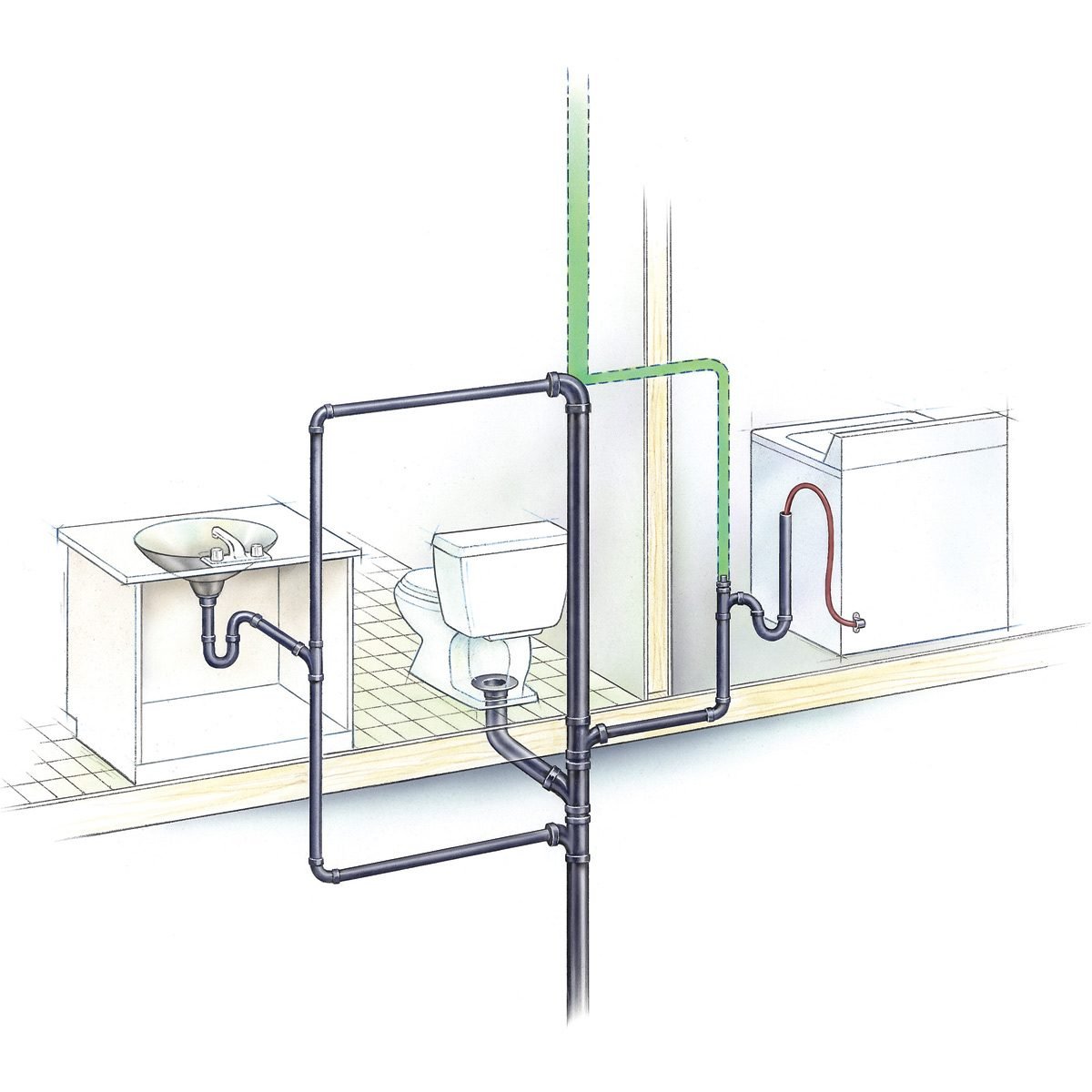
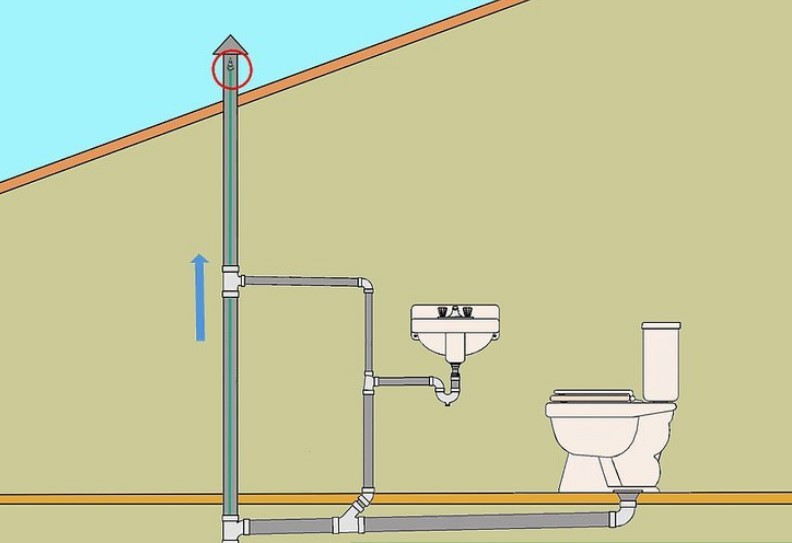
To understand why plumbing vents look the way they do, one must understand their mechanical function. Without these vents, a plumbing system would suffer from a vacuum effect, preventing water from flowing smoothly down the drain. This is similar to how a straw works: if you cover the top of a straw with your finger, the liquid stays inside. The vent pipe acts as an atmospheric pressure equalizer.
Ensuring System Efficiency
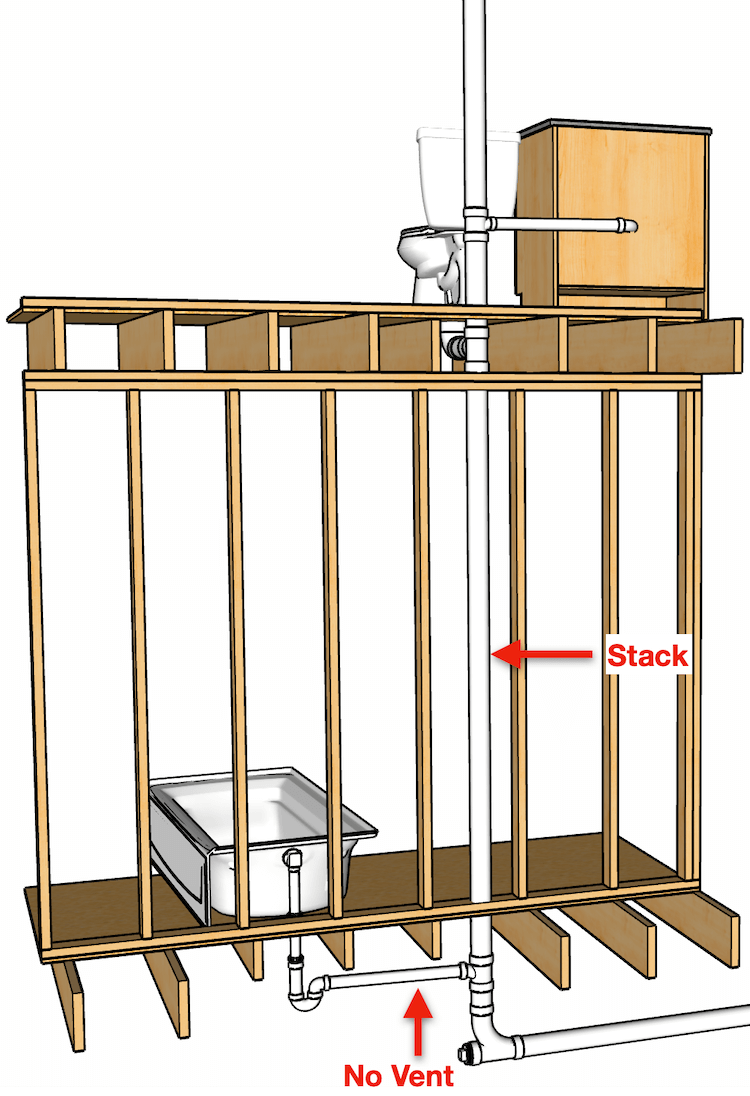
When water rushes down a drain, it needs air to move behind it. The plumbing vent allows air to enter the pipes, which pushes the water through the drainage system at an optimal speed. If the vent is blocked or improperly installed, the system will exhibit clear symptoms: gurgling sounds in the toilet, slow-draining sinks, or, in extreme cases, the evaporation of P-trap water, which allows sewer gas—containing methane and other harmful vapors—to enter the living space.
Preventing Structural Degradation
From a facility management perspective, malfunctioning vents are a leading cause of premature drain pipe corrosion and leaks. When gases aren’t properly ventilated, the resulting pressure imbalances can stress joints and seals within the plumbing system. In the context of a commercial property or a multi-unit residential complex, identifying these issues early can save thousands of dollars in remediation costs. A well-maintained venting system is a mark of a quality build, adding to the longevity and, by extension, the resale value of the asset.
Architectural and Aesthetic Considerations in Modern Design
As architectural trends shift toward minimalism and “invisible” design, the way plumbing vents appear on a roof has become a point of contention for high-end architects. While a home cannot function without these pipes, designers often look for ways to minimize their visual impact.
Concealment Strategies
In high-end residential branding and architectural design, it is common to group plumbing vents together or place them on the side of the roof facing away from the street. Some modern roof designs utilize hidden ventilation systems or integrate vent pipes into chimney chases or decorative architectural elements. This attention to detail is a hallmark of premium construction, where the goal is to balance the necessary mechanical infrastructure with a clean, aesthetically pleasing exterior.
Compliance and Building Codes
Regardless of how a designer might want to hide these pipes, building codes are strict. There are mandatory minimum distances that vents must be from windows, doors, and air vents to ensure that sewer gas is dispersed safely into the atmosphere. A property that adheres to these safety standards while maintaining a clean aesthetic is a prime example of successful functional branding. It signals to potential buyers or tenants that the building was constructed with both safety and quality of life in mind.
When to Troubleshoot Your Venting System
For the savvy property owner or investor, recognizing when a plumbing vent is compromised is a skill that saves money. If you notice persistent issues with your drainage, you shouldn’t just reach for a plunger; you should evaluate the venting system.
Identifying Potential Blockages
Signs of a clogged vent include slow-draining water in multiple fixtures simultaneously, or the smell of sewage in the bathroom. If you climb onto the roof to inspect the vent, look for physical obstructions. In rural or wooded areas, it is common for bird nests, squirrel debris, or leaves to fall into the pipe. If you see a pipe that is completely clear but your drains are still slow, the blockage might be further down the line, potentially requiring professional mechanical intervention.
When to Hire a Professional
While looking at the exterior of a plumbing vent is safe for the average homeowner, performing internal inspections or repairs requires a specialized license. Professional plumbers use specialized tools, such as plumbing snakes or camera inspection equipment, to see deep into the vent stacks. If you are preparing a property for a real estate transaction, hiring a licensed professional to inspect the plumbing vents—and providing the documentation of their findings—is a powerful tool in your negotiation arsenal. It demonstrates to the buyer that the mechanical systems have been vetted and are in working order.
Financial Implications of Infrastructure Maintenance
Managing a property is, at its core, a financial endeavor. Every component of a building, including the plumbing vents, represents a part of the capital expenditure (CapEx) cycle. By understanding the lifespan and maintenance needs of your plumbing vents, you can better manage your cash flow.
Avoiding Emergency Repairs
A plumbing vent that is ignored can lead to a “domino effect” of failures. For example, a clogged vent can cause the water in a P-trap to evaporate, leading to sewer gas leaks that trigger environmental health code violations. In a commercial setting, this could result in fines or forced closure. By scheduling routine roof inspections that include checking the integrity of your vent boots and the clear flow of the pipes, you avoid the high costs associated with emergency weekend plumbing calls.
Long-Term Asset Strategy
When you analyze a property from a financial standpoint, you are looking at the “Total Cost of Ownership.” This includes the cost of initial installation and the frequency of repairs over the next decade. Choosing high-quality, durable materials for your roof and plumbing system—and ensuring that venting is installed according to the highest industry standards—is a proactive way to protect your investment. In the world of real estate and facility management, a property that functions quietly and efficiently in the background is the most profitable kind. The plumbing vent, simple though it may look, is an essential player in that financial success.
aViewFromTheCave is a participant in the Amazon Services LLC Associates Program, an affiliate advertising program designed to provide a means for sites to earn advertising fees by advertising and linking to Amazon.com. Amazon, the Amazon logo, AmazonSupply, and the AmazonSupply logo are trademarks of Amazon.com, Inc. or its affiliates. As an Amazon Associate we earn affiliate commissions from qualifying purchases.