
For decades, the linguistic landscape of France was defined by a fierce protectionism of the French language, enforced by institutions like the Académie Française. However, in the last ten years, a digital revolution has quietly dismantled these barriers. When we ask, “What percentage of France speaks English?” we are no longer just looking at school curriculum outcomes; we are looking at the success of EdTech, the proliferation of global SaaS platforms, and the integration of Artificial Intelligence into the daily lives of French citizens.
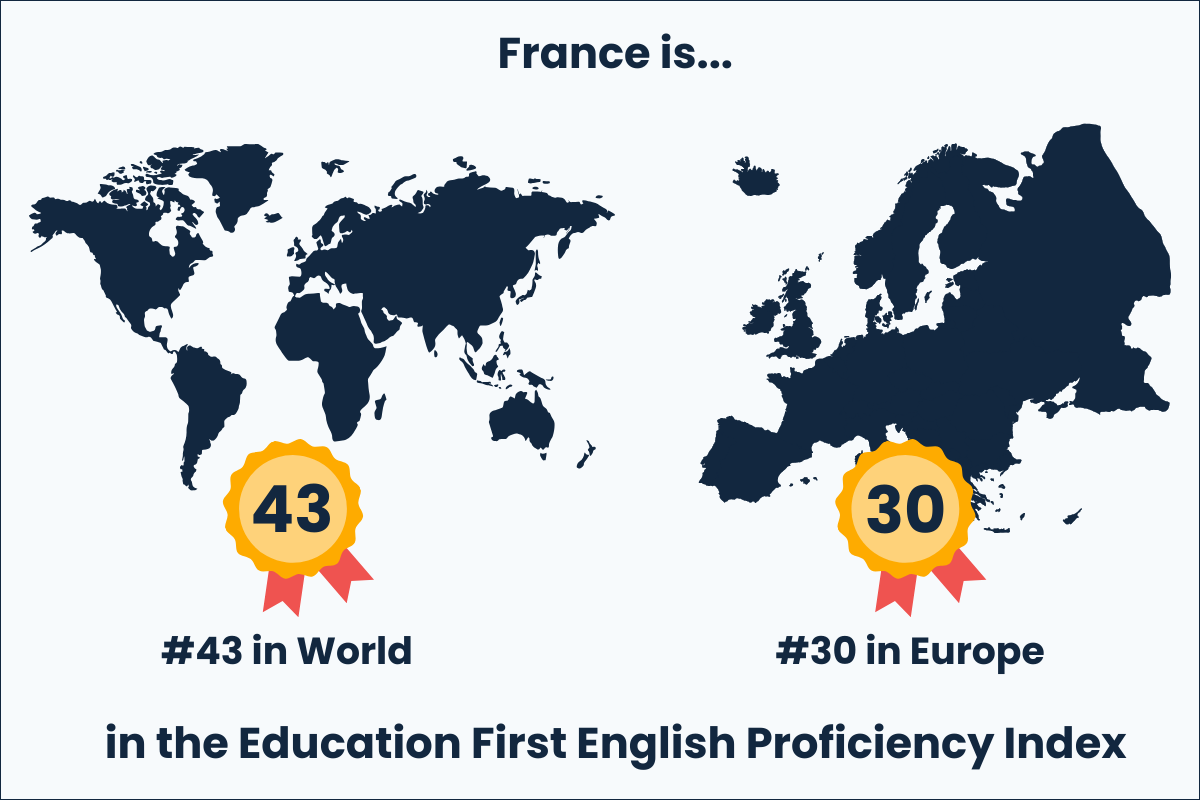
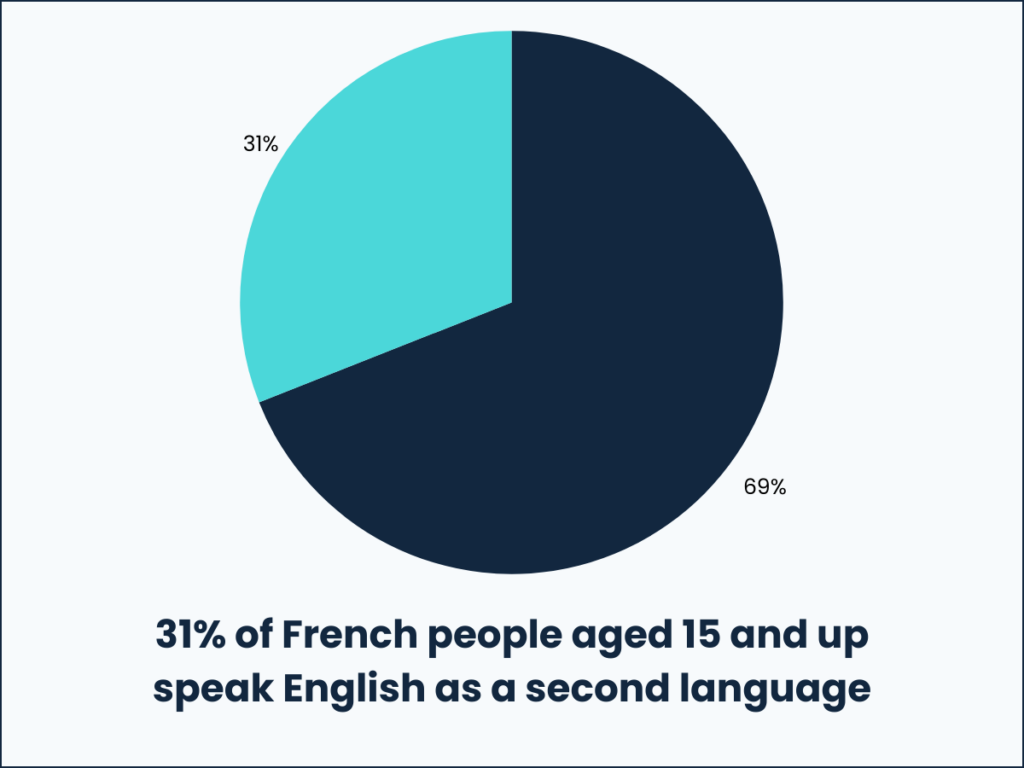
Current estimates suggest that approximately 39% to 45% of the French population has some level of English proficiency, with fluency concentrated heavily among the younger, digitally native generations. This article explores how technology has become the primary driver of English adoption in France, moving the needle in ways traditional education never could.
The Data Science of Fluency: Measuring English Proficiency in a Digital Age
To understand the percentage of English speakers in France, we must first look at how that data is collected. Unlike traditional census data, modern linguistic metrics are increasingly derived from digital footprints and tech-driven assessments.
The EF English Proficiency Index and Algorithmic Benchmarking
The most cited metric for French English proficiency comes from the EF English Proficiency Index (EF EPI). This index is not a traditional survey but a massive data-mining exercise based on hundreds of thousands of digital test-takers. In recent years, France has seen its ranking fluctuate, often sitting in the “Moderate Proficiency” category. Tech-driven data shows a stark divide: while rural populations remain largely monolingual, the digital hubs of Paris, Lyon, and Bordeaux show proficiency levels exceeding 60% among professionals under the age of 35.
Digital Literacy as a Proxy for Language Skills
There is a direct correlation between a country’s “Digital Readiness Index” and its English proficiency. In France, as the government pushes for “100% Digital Public Services,” citizens are forced to interact with global tech ecosystems. Because the vast majority of coding documentation, API libraries, and software tutorials are written in English, the French tech sector has effectively become an English-speaking enclave.
EdTech and the Democratization of Language Acquisition
The growth of English speakers in France is inextricably linked to the explosion of Education Technology (EdTech). Traditional French schooling often emphasized grammar and written accuracy over conversational fluency, leading to a “fear of speaking” among older generations. Modern software has reversed this trend.
Gamification and Micro-Learning Platforms
Apps like Duolingo, Babbel, and Memrise have revolutionized how the French interact with English. By utilizing spaced repetition algorithms and gamification, these tools have made language learning a “low-stakes” digital habit. Data from these platforms indicates that English remains the most studied language in France, with millions of active daily users. This “app-based fluency” focuses on practical communication, which is why we see a rise in functional English speakers who may not be grammatically perfect but are digitally competent.
The Rise of AI-Powered Tutors
Beyond simple apps, the integration of Large Language Models (LLMs) like GPT-4 has provided French learners with 24/7 conversation partners. AI tutors offer a judgment-free environment for the French to practice their “H-aspiré” and other phonetic challenges. These AI tools provide real-time feedback on syntax and pronunciation, effectively bridging the gap between passive understanding and active speaking.
The AI Translation Revolution: Is Fluency Becoming a Choice?
As we analyze the percentage of English speakers, we must address a provocative tech-driven question: Does the percentage matter if everyone has an AI translator in their pocket? The rise of sophisticated translation technology has changed the “necessity” of learning English in France.
Neural Machine Translation (NMT) and DeepL
DeepL, a European-grown AI success story, is the gold standard for French-to-English translation. Its use of neural networks allows for nuanced, context-aware translations that respect the complexities of French formal and informal address. For many French professionals, their “English proficiency” is augmented by these tools. They can conduct international business with a high level of accuracy, using AI to bridge the gap between their B1-level skills and the C1-level requirements of global trade.
Real-Time Transcription and Interpretation
The advent of live-captioning in tools like Zoom and Microsoft Teams has fundamentally altered the French workplace. A French employee who understands only 50% of spoken English can now follow a global meeting with 95% accuracy thanks to real-time AI transcription. This “assisted fluency” is a burgeoning category in digital security and enterprise software, ensuring that language barriers do not become data silos.
“La French Tech” and the Globalization of the Startup Ecosystem
The French government’s massive investment in its tech ecosystem, known as “La French Tech,” has been a primary catalyst for English adoption. In the world of venture capital and software development, English is the operating system.
Coding as a Gateway to English
You cannot master Python, JavaScript, or Rust without a functional command of English. As France aims to train 100,000 new developers per year, they are inadvertently creating 100,000 new English speakers. The syntax of logic is rooted in English keywords, and the global community on GitHub or Stack Overflow communicates almost exclusively in English. For a French developer, English is not a “foreign language”—it is a professional requirement.
The SaaS Influence on Corporate Culture
The adoption of SaaS (Software as a Service) platforms like Salesforce, Slack, and Jira has standardized English terminology within French offices. Terms like “feedback,” “reporting,” “workflow,” and “deadline” have become so integrated into the French professional lexicon—often referred to as “Franglais”—that the line between the two languages is blurring. This tech-driven linguistic shift ensures that even those who claim not to “speak English” are actually utilizing a significant amount of English vocabulary in their daily digital operations.
The Future: Wearables, Augmented Reality, and Universal Translators
As we look toward the future, the percentage of France that “speaks” English may become a legacy metric, replaced by the percentage of the population that is “linguistically augmented.”
AR Glasses and Visual Translation
Google and other tech giants are currently refining Augmented Reality (AR) glasses that can translate text in real-time within the user’s field of vision. For a French person walking through an airport or reading a technical manual, the barrier of English is removed by a digital overlay. This technology doesn’t just help people learn; it provides a permanent digital crutch that makes English universally accessible.
Hearables and the End of the Language Barrier
We are entering the era of “Hearables”—earbuds that provide near-instantaneous translation during live conversation. As latency drops and voice-to-voice AI improves, a French speaker and an English speaker will be able to communicate naturally, each speaking their mother tongue. In this technological future, the “percentage of speakers” becomes less relevant than the “interconnectivity of the software” they use.

Conclusion: A Nation Digitally Synchronized
While the official percentage of English speakers in France may hover around 40%, the reality is more complex. Through the lens of technology, we see a nation that is rapidly synchronizing with the English-speaking world. From the developer in a Parisian incubator to the student using AI to polish their thesis, technology is the bridge.
The French identity remains deeply tied to its language, but the French “digital identity” is increasingly bilingual. As AI and EdTech continue to evolve, the friction of language will continue to decrease, not because the French have abandoned their culture, but because they have mastered the tools of the digital age to navigate a globalized world. The future of English in France isn’t just about classroom hours; it’s about bandwidth, algorithms, and the seamless integration of human and machine intelligence.
aViewFromTheCave is a participant in the Amazon Services LLC Associates Program, an affiliate advertising program designed to provide a means for sites to earn advertising fees by advertising and linking to Amazon.com. Amazon, the Amazon logo, AmazonSupply, and the AmazonSupply logo are trademarks of Amazon.com, Inc. or its affiliates. As an Amazon Associate we earn affiliate commissions from qualifying purchases.