
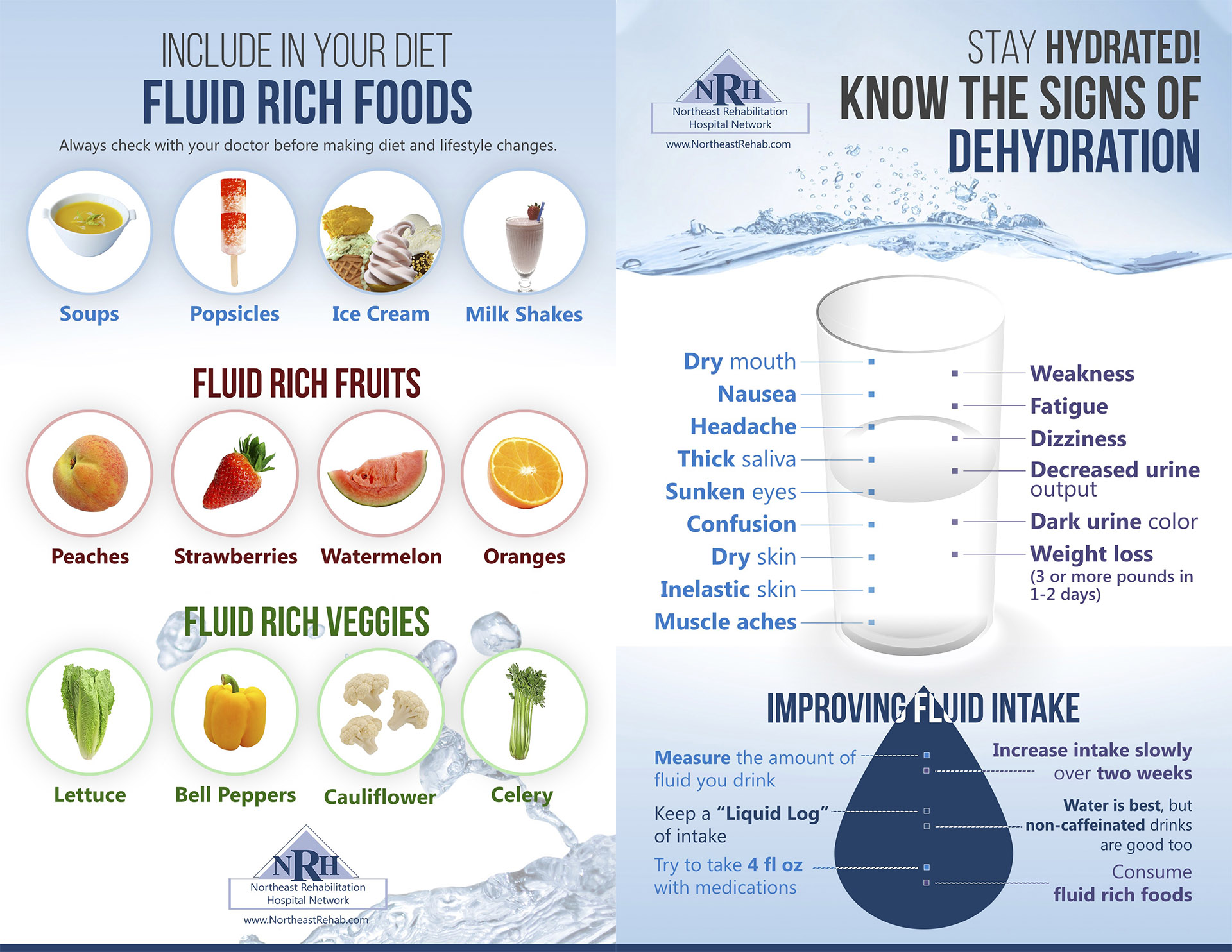
In an era defined by high-performance lifestyles and the quantification of self, the fundamental biological need for water has moved beyond the simple act of drinking from a tap. Dehydration, a condition that affects cognitive function, physical endurance, and long-term metabolic health, is being reframed as a data problem. For years, the standard advice was “eight glasses a day,” a generic metric that failed to account for individual physiology, environmental variables, and activity levels. Today, the tech industry has stepped in to bridge this gap, utilizing sophisticated sensors, artificial intelligence, and Internet of Things (IoT) ecosystems to answer the question: what can truly help with dehydration?
The Rise of Precision Wearables and Sweat Biosensors
The most significant advancement in the fight against dehydration lies in the evolution of wearable technology. While early fitness trackers relied on manual logging, the new generation of devices is moving toward real-time biological monitoring. By analyzing the chemical composition of sweat and interstitial fluids, tech companies are providing a granular look at hydration levels that was previously only available in clinical settings.
Real-Time Sweat Analysis and Microfluidics
One of the most innovative breakthroughs in recent years is the development of microfluidic sweat patches. Companies like Nix and Gatorade have introduced skin-worn sensors that capture and analyze sweat as it leaves the pores. These devices don’t just measure fluid volume; they measure electrolyte concentration, specifically sodium and chloride levels.
For an endurance athlete or a high-intensity professional, knowing that they are losing 1,200mg of sodium per hour allows for a precision-engineered rehydration strategy. The tech translates raw chemical data into actionable notifications sent directly to a smartphone or smartwatch, alerting the user exactly when to drink and what concentration of electrolytes is required to maintain homeostasis.
Non-Invasive Electrolyte Monitoring
Beyond disposable patches, the future of dehydration tech is moving toward permanent, non-invasive optical sensors. Researchers are currently integrating specialized LEDs into the underside of smartwatches that can detect changes in blood volume and plasma osmolality through the skin. By utilizing specific wavelengths of light to measure the “thickness” of the blood, these devices can predict dehydration before physical symptoms like thirst or fatigue even manifest. This shift from reactive drinking to proactive fluid management represents a paradigm shift in personal health tech.
Smart Hardware: The Evolution of the Connected Water Bottle
If the wearable is the “brain” of hydration management, the smart water bottle is the “delivery system.” What used to be a simple plastic or steel vessel has been transformed into a sophisticated IoT device capable of communicating with a broader digital health ecosystem.
IoT Integration and Automated Habit Tracking
Smart bottles, such as those produced by HidrateSpark or Water-Minder-compatible hardware, utilize internal sensor sticks or capacitive sensing to measure exactly how much water is consumed to the milliliter. This data is synced via Bluetooth to health hubs like Apple Health or Google Fit.
The real value of this tech is its ability to remove human error and “cognitive load.” Most people fail to stay hydrated because they simply forget or overestimate their intake. Smart bottles solve this through haptic feedback—glowing bases or vibration alerts—that remind the user to sip based on their progress toward a personalized daily goal. Furthermore, these goals are dynamic; if the user’s smartwatch records a high-intensity workout or a rise in ambient temperature, the bottle’s app automatically scales the hydration target upward in real-time.
Advanced Purification and UV-C Sterilization
Dehydration isn’t always a matter of forgetting to drink; often, it is a matter of access to safe, palatable water. Tech companies like LARQ have revolutionized the hardware niche by integrating UV-C LED technology into the bottle cap. By emitting deep-UV light at the 280nm spectrum, these bottles neutralize 99.9% of bacteria and viruses in the water and on the inner surface of the bottle. This “self-cleaning” tech ensures that the barrier to hydration—bad-tasting water or a “musty” bottle—is removed, leveraging hardware engineering to encourage consistent consumption habits.

Software Solutions: AI-Driven Personalized Hydration Management
The hardware provides the data, but software provides the insight. The “what can help with dehydration” question is increasingly being answered by sophisticated algorithms that treat hydration as a variable in a complex mathematical equation involving biology, geography, and schedule.
AI-Driven Predictive Modeling
Modern hydration apps have moved far beyond simple counters. Advanced software now utilizes machine learning to create “hydration profiles.” By analyzing a user’s historical data—such as how their heart rate responds to fluid intake over time—AI can predict when a user is likely to hit a state of “metabolic dehydration.”
These algorithms also integrate external APIs, such as local weather data (humidity and heat index) and elevation levels. For instance, an AI hydration assistant knows that a user in high-altitude Denver requires more fluid than a user in humid Miami, even if their activity levels are identical. The software adjusts recommendations based on these environmental stressors, providing a level of customization that manual tracking could never achieve.
Gamification and Behavioral Design
The tech industry understands that the biggest hurdle to hydration is behavioral. To combat this, developers are employing “Nudge Theory” through gamification. Apps like Plant Nanny or Fortune City turn the act of drinking water into a game where fluid intake fuels the growth of a digital garden or the construction of a city.
While this may seem superficial, the underlying psychology is rooted in dopamine-driven feedback loops. By rewarding the user with digital assets or social badges for meeting hydration milestones, these software tools rewire the brain’s approach to a mundane task. This intersection of behavioral science and mobile software is a powerful tool in the arsenal against chronic dehydration.
Emerging Frontiers: Atmospheric Generation and Portable Security
Looking toward the future and more extreme use cases, technology is addressing dehydration at the source: water scarcity. For those in remote areas or digital nomads operating off-grid, the tech helping with dehydration is focused on water creation and extreme filtration.
Atmospheric Water Generation (AWG) Gadgets
New startups are miniaturizing atmospheric water generation technology. Using high-efficiency desiccant materials or Peltier cooling modules, these devices “extract” water from the air. While large-scale units have existed for years, portable, solar-powered versions are beginning to emerge. These gadgets represent the pinnacle of hydration tech, ensuring that as long as there is humidity in the air and a power source, dehydration can be mitigated in even the most arid environments.
The Future of Smart Hydration Infrastructure
We are also seeing the rise of “Smart Hydration Stations” in urban environments. These are not merely water fountains; they are data-connected kiosks that provide filtered, chilled, and sometimes electrolyte-infused water. Users can scan a QR code or use NFC (Near Field Communication) to “check-in,” allowing the station to communicate with their fitness app and dispense the exact amount of fluid needed to replenish what they lost during their commute or run. This integration of public infrastructure with personal tech ecosystems creates a seamless web of hydration support.
Conclusion: A Data-Driven Approach to Vitality
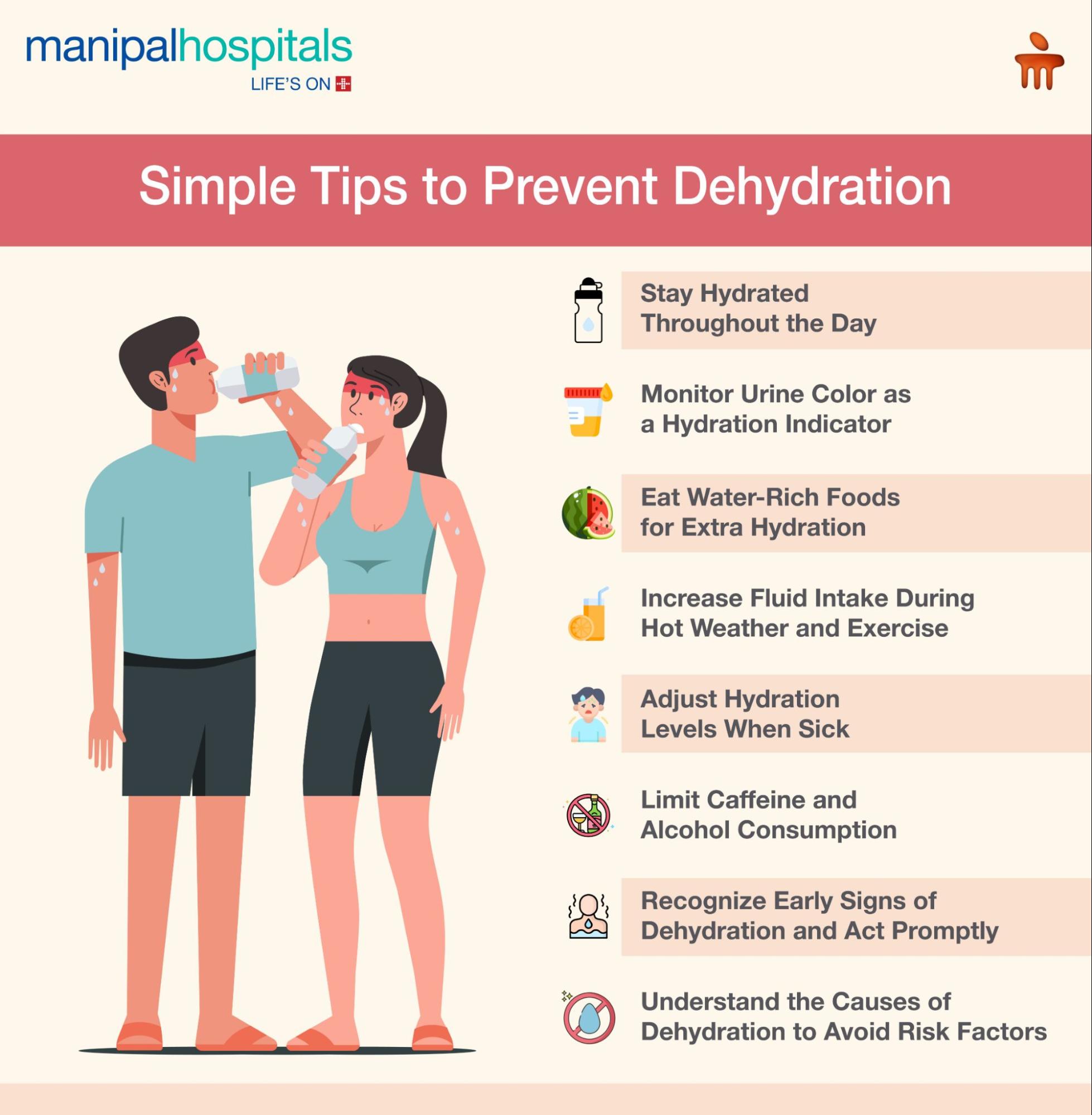
Technology has fundamentally changed the answer to “what can help with dehydration.” It is no longer a matter of thirst-response; it is a sophisticated interplay of wearable biosensors, IoT-enabled hardware, and AI-driven software. By quantifying our fluid loss, purifying our sources, and gamifying our habits, the tech industry has provided the tools to optimize our biological performance.
As we move forward, the “dehydration problem” will likely shift from a struggle of discipline to a routine of data management. For the tech-savvy individual, staying hydrated is no longer a chore—it is an optimized process, monitored by silicon and refined by algorithms, ensuring that our bodies remain as efficient as the devices we carry. In this digital age, the best defense against dehydration is an integrated, data-rich ecosystem that understands our bodies better than we do.
aViewFromTheCave is a participant in the Amazon Services LLC Associates Program, an affiliate advertising program designed to provide a means for sites to earn advertising fees by advertising and linking to Amazon.com. Amazon, the Amazon logo, AmazonSupply, and the AmazonSupply logo are trademarks of Amazon.com, Inc. or its affiliates. As an Amazon Associate we earn affiliate commissions from qualifying purchases.