
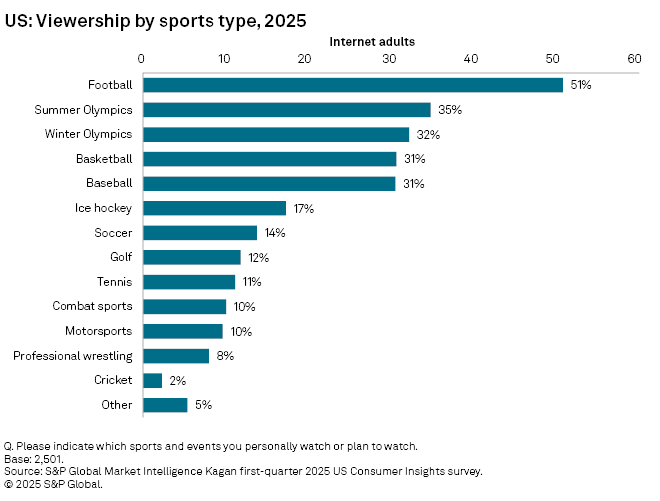
For over half a century, a singular force has dominated the American cultural landscape, transcending the boundaries of mere athletic competition to become a cornerstone of national identity. When public opinion pollsters ask the perennial question—”What is your favorite sport to watch?”—the answer has remained remarkably consistent since the early 1970s. According to recent data from Gallup and the Pew Research Center, approximately 37% to 41% of American adults list football as their favorite sport. To put this in perspective, this figure is more than triple that of its closest competitors, baseball and basketball, which typically hover in the 9% to 11% range.
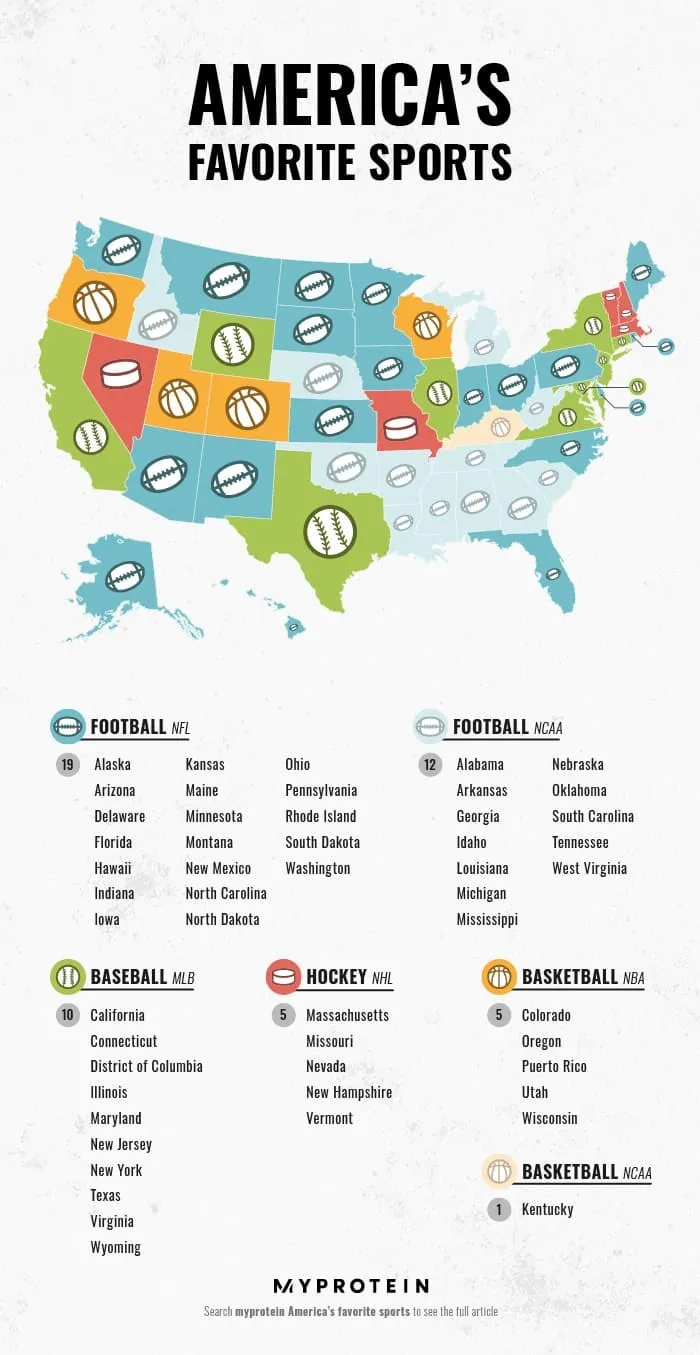
However, the dominance of football is not merely a byproduct of the game’s rules or the physicality of its players. It is the result of a masterclass in brand strategy, narrative building, and corporate identity management. The National Football League (NFL) and its collegiate counterparts have engineered a brand ecosystem that commands loyalty, dictates consumer behavior, and maintains a vice-grip on the American attention economy.
The Cultural Architecture of a National Brand
The staggering percentage of Americans who favor football is rooted in a meticulously constructed brand architecture that aligns the sport with fundamental American values. Unlike many global sports, football has positioned itself as more than a pastime; it is a ritualistic experience.
Rituals, Traditions, and the Sunday Sanctuary
One of the most potent elements of the football brand is its “appointment viewing” nature. By anchoring the majority of its schedule to Sundays, the NFL has successfully branded the day of the week. This consistency creates a rhythmic brand experience that integrates into the domestic lives of millions. From the “tailgate” culture—which serves as a grassroots marketing activation for fans—to the Thanksgiving Day games, football has successfully co-opted national holidays and family traditions. This strategic alignment ensures that the brand is passed down through generations, creating a self-sustaining cycle of brand loyalty that few other industries can replicate.
Regional Identity and the “Community Franchise” Model
While professional football is a multi-billion-dollar corporate entity, its branding strategy relies heavily on localism and tribalism. Each franchise is marketed as a core component of a city’s identity. In places like Green Bay, Wisconsin, or Buffalo, New York, the team brand is indistinguishable from the community’s civic pride. This “Community Franchise” model transforms a commercial product into a shared social identity. When 40% of Americans say football is their favorite sport, many are not just expressing a preference for a game; they are expressing an allegiance to a brand that represents their hometown, their history, and their social circle.
Strategic Media Dominance and the Scarcity Principle
A primary driver behind the high percentage of American fandom is the NFL’s sophisticated approach to media and content distribution. In an era of fragmented media, football remains the last “town square” of American television.
The Scarcity Principle: Quality Over Quantity
From a brand strategy perspective, the NFL utilizes the “scarcity principle” with expert precision. Unlike Major League Baseball, with its 162-game schedule, or the NBA’s 82-game season, the NFL’s 17-game regular season makes every single “brand activation” (i.e., every game) a high-stakes event. This scarcity drives up the perceived value of the product. It ensures that every broadcast is a national event, allowing the league to command astronomical sums for broadcasting rights and ensuring that the brand remains “premium” in the eyes of the consumer.
The Super Bowl: The Pinnacle of Event Marketing
The Super Bowl is perhaps the greatest triumph in the history of brand marketing. It has evolved from a championship game into a global cultural phenomenon where the advertisements are often as anticipated as the play itself. By turning a sports final into a “marketing holiday,” the NFL has expanded its brand reach to include demographics that may not even follow the sport during the regular season. This cross-demographic appeal is a major reason why the “favorite sport” percentage remains so high; the brand has successfully positioned itself as an essential cultural experience rather than just a niche interest for sports enthusiasts.

Leveraging Digital Transformation and Multi-Platform Engagement
In the digital age, maintaining a 40% lead in popularity requires more than just television broadcasts. The football brand has thrived by leaning into the gamification of its content and the individual branding of its stars.
The Gamification of Fandom through Fantasy Sports
Fantasy football has been perhaps the most significant brand-extension tool in the last two decades. By encouraging fans to engage with the sport on a statistical and managerial level, the league has increased the “dwell time” consumers spend with the brand. Fantasy sports transform a casual viewer into a deeply engaged stakeholder who tracks every player, every injury, and every game—even those involving teams they don’t traditionally support. This level of engagement reinforces the sport’s status as the nation’s favorite by making it a daily interactive habit rather than a weekly passive experience.
Social Media and the Rise of the “Athlete-Influencer”
The modern football brand is no longer just about the logo on the helmet; it is about the personal brands of the athletes. The NFL and collegiate programs have embraced the “Athlete-Influencer” model, allowing players like Patrick Mahomes or Joe Burrow to build massive individual followings on social media. These personal brands serve as entry points for younger demographics (Gen Z and Alpha), who tend to follow individuals rather than institutions. By fostering a brand environment where individual personality is celebrated, the sport ensures it remains relevant in a fast-paced, personality-driven digital economy.
Brand Resilience: Navigating Crisis and Global Evolution
No brand maintains a 50-year streak at the top without facing significant challenges. The enduring popularity of football is a testament to the league’s ability to manage its corporate identity through controversy and shifting social values.
Adapting to Modern Values and Safety Concerns
In recent years, the football brand has faced existential threats, particularly regarding player safety and the long-term effects of concussions. A lesser brand might have buckled under the weight of such negative press. However, the NFL’s brand strategy involved a massive, proactive pivot toward “Player Wellness” and “Game Safety” initiatives. By investing heavily in helmet technology and rule changes, the league rebranded itself as a forward-thinking, safety-conscious organization. This proactive crisis management has allowed the sport to maintain its “favorite” status even among increasingly health-conscious parents and consumers.
Global Expansion and the Export of American Identity
As the domestic market reaches a saturation point, the football brand is aggressively pursuing international expansion. Games in London, Munich, and Mexico City are not just logistics exercises; they are brand-seeding missions. The goal is to evolve the brand from “America’s Favorite Sport” to a global entertainment powerhouse. By exporting the pageantry, the “Shield” (the NFL logo), and the high-production value of the American game, the league is diversifying its brand equity. This ensures that even if domestic trends eventually shift, the brand has a secondary engine of growth in the global marketplace.
Conclusion: The Future of the Gridiron Brand
The fact that roughly 40% of Americans list football as their favorite sport is not an accident of history. It is the result of a deliberate, multi-generational brand strategy that treats every game as a product launch and every fan as a lifelong brand advocate. Through the clever use of scarcity, the integration of community identity, and the aggressive adoption of digital engagement tools, football has built a brand moat that is virtually impenetrable by its rivals.
As we look toward the future, the challenge for the football brand will be maintaining this dominance in an increasingly crowded entertainment landscape. However, with its ability to adapt to new technologies—from streaming-exclusive games on Amazon Prime to the integration of advanced data analytics—the “Gridiron Monolith” shows no signs of relinquishing its crown. For the foreseeable future, the brand of football will likely remain the gold standard for how a commercial entity can capture and hold the heart of a nation.
aViewFromTheCave is a participant in the Amazon Services LLC Associates Program, an affiliate advertising program designed to provide a means for sites to earn advertising fees by advertising and linking to Amazon.com. Amazon, the Amazon logo, AmazonSupply, and the AmazonSupply logo are trademarks of Amazon.com, Inc. or its affiliates. As an Amazon Associate we earn affiliate commissions from qualifying purchases.