
Ultraviolet (UV) radiation, an invisible segment of the electromagnetic spectrum, plays a surprisingly visible and critical role across an expansive range of technological applications. Beyond its common association with sunburns, UV light possesses unique energetic properties that engineers, scientists, and innovators have harnessed to sterilize, cure, detect, and even manufacture with unparalleled precision. This exploration delves into the fundamental characteristics of UV radiation and elucidates its profound impact on modern technology, revealing how this potent energy source drives advancements in health, industry, security, and beyond. From the nanoscale world of semiconductor fabrication to large-scale environmental purification, UV technology is continually reshaping our capabilities and understanding.
The Invisible Spectrum: Unpacking Ultraviolet Radiation’s Core Properties
To appreciate the technological prowess of UV radiation, one must first grasp its fundamental nature. Situated between visible light and X-rays on the electromagnetic spectrum, UV light is characterized by wavelengths shorter than those of visible light and higher energy levels. This energy, while invisible to the human eye, is the very attribute that makes UV so potent and versatile in technological applications.
Defining UV: Wavelengths and Energy Levels (UVA, UVB, UVC)
The UV spectrum is broadly categorized into three distinct bands, each with differing wavelengths, energy levels, and thus, distinct technological implications:
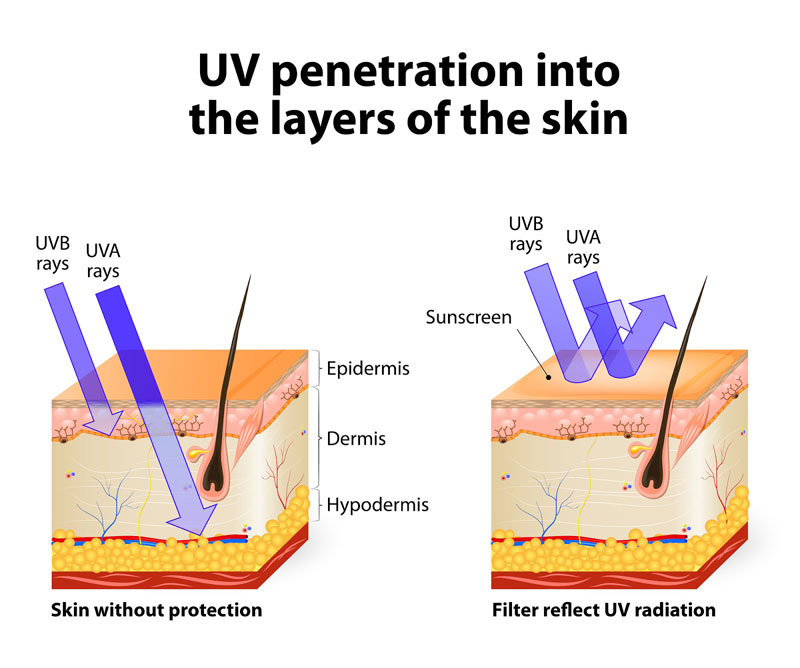
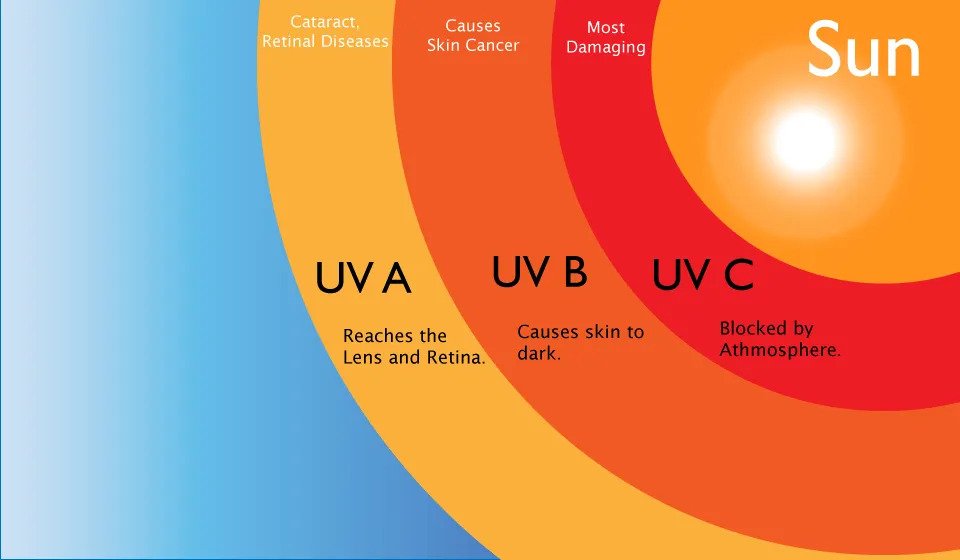
- UVA (315-400 nm): The longest wavelength UV, UVA, is often referred to as “black light.” It penetrates deeply and is primarily responsible for tanning and photoaging. Technologically, UVA is crucial for UV curing of inks, resins, and coatings, as well as for forensic analysis and counterfeit detection, where its ability to excite fluorescence in certain materials is leveraged. Its lower energy makes it less damaging but still reactive.
- UVB (280-315 nm): With shorter wavelengths than UVA, UVB carries more energy and is the primary cause of sunburn and direct DNA damage in biological organisms. While its harmful biological effects are well-known, controlled exposure to UVB is utilized in medical therapies (e.g., phototherapy for skin conditions) and in certain analytical instruments due to its specific interaction profiles with organic molecules.
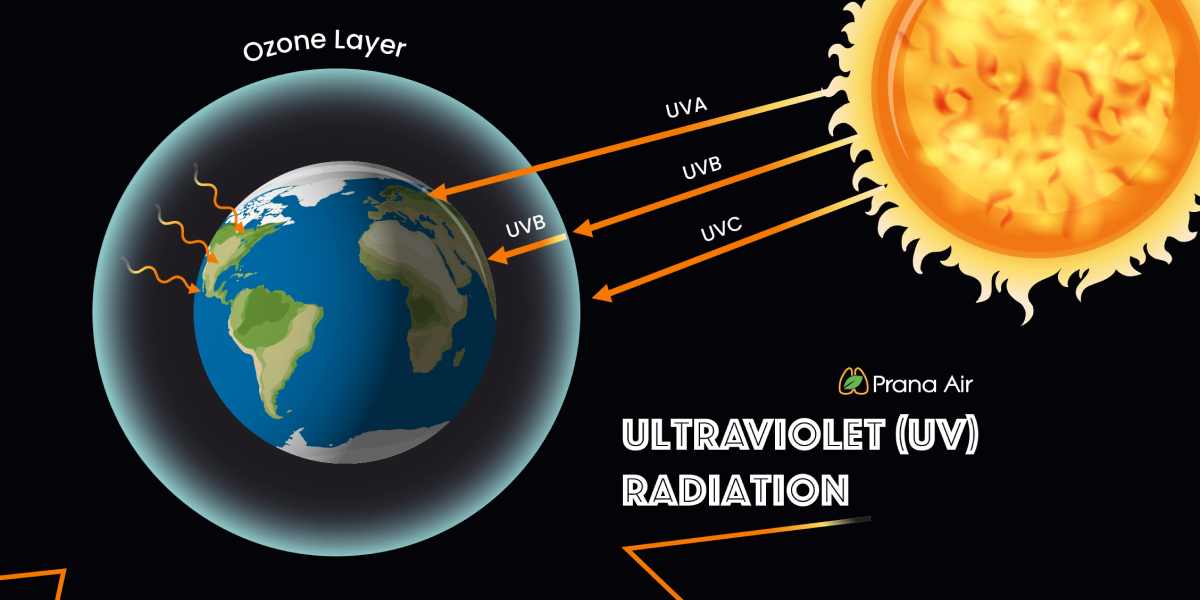
- UVC (100-280 nm): The shortest and most energetic UV band, UVC, is almost entirely absorbed by the Earth’s ozone layer and does not reach the surface naturally. This extreme energy, however, makes artificial UVC an incredibly powerful germicidal agent. It effectively destroys the genetic material (DNA and RNA) of microorganisms, including bacteria, viruses, and spores, making it indispensable for disinfection and sterilization technologies.
Natural Occurrence vs. Technological Generation
While a portion of UVA and UVB radiation emanates from the sun, the controlled and focused application of UV in technology relies almost entirely on artificial sources. Early UV lamps utilized mercury vapor, generating specific wavelengths. Modern advancements have introduced a diverse array of UV sources, including excimer lamps, pulsed UV lamps, and, most significantly, UV Light-Emitting Diodes (UV-LEDs). UV-LEDs offer significant advantages in terms of energy efficiency, lifespan, compact size, and precise wavelength control, paving the way for miniaturized and highly targeted UV technologies across various industries. The ability to precisely generate and control specific UV wavelengths is a cornerstone of its technological utility.
Fundamental Interaction with Materials
The core of UV technology lies in its interaction with materials at a molecular level. Unlike visible light, UV photons carry enough energy to break chemical bonds, initiate polymerization reactions, or disrupt molecular structures. In biological systems, this translates to DNA and RNA damage. In polymers, it means cross-linking and hardening. In sensor technologies, it can excite electrons, leading to detectable signals. Understanding these fundamental interactions—absorption, reflection, and transmission at specific wavelengths—allows engineers to design materials, optics, and systems that harness or mitigate UV radiation’s effects, tailoring its application to highly specific needs, from hardening dental fillings to purifying drinking water.
Revolutionary Applications in Sterilization and Curing Technologies
The unique energy profile of UV radiation has made it an indispensable tool in two broad technological domains: sterilization/disinfection and industrial curing. These applications leverage UV’s ability to either neutralize biological threats or rapidly solidify specialized materials, driving significant advancements in public health, manufacturing efficiency, and product quality.
UV-C for Pathogen Inactivation and Disinfection Systems
The germicidal properties of UVC radiation are perhaps its most celebrated technological application, especially in an era increasingly concerned with public health and hygiene. UVC energy directly targets the nucleic acids (DNA and RNA) of bacteria, viruses, and other microorganisms, causing irreparable damage that prevents them from replicating and rendering them harmless. This makes UVC an incredibly effective, chemical-free method for disinfection.
UVC disinfection systems are widely deployed in:
- Healthcare: Sterilizing surgical instruments, disinfecting patient rooms, and purifying air in operating theaters.
- Water Treatment: Large-scale municipal water treatment plants and smaller point-of-use systems employ UVC to inactivate pathogens without the use of chlorine, preventing the formation of harmful byproducts.
- Air Purification: HVAC systems, particularly in commercial buildings and public transport, integrate UVC lamps to purify circulating air, reducing the spread of airborne pathogens and improving indoor air quality.
- Surface Disinfection: Handheld UVC devices, automated robots, and fixed overhead units are used to disinfect high-touch surfaces in various environments, from airports to laboratories.
The advent of far-UVC (207-222 nm) research promises even safer applications, as these shorter wavelengths can kill viruses and bacteria effectively without penetrating human skin or eyes, potentially revolutionizing continuous disinfection in occupied public spaces.
Industrial UV Curing: From Coatings to 3D Printing
UV curing stands as a high-speed, energy-efficient, and environmentally friendly alternative to traditional heat-based drying or solvent evaporation processes in industrial manufacturing. This technology utilizes UVA and sometimes UVB light to initiate a photopolymerization reaction, rapidly converting liquid monomers and oligomers into solid polymers.
Key applications include:
- Coatings and Adhesives: UV-curable coatings are used on everything from wood flooring and automotive parts to consumer electronics, providing durable, scratch-resistant finishes. UV-curable adhesives offer rapid bonding in electronics assembly, medical device manufacturing, and optical applications.
- Printing and Packaging: UV inks and varnishes dry instantly upon exposure to UV light, preventing smudging, improving print quality, and allowing for faster production speeds in commercial printing, labeling, and packaging. This reduces volatile organic compound (VOC) emissions significantly compared to solvent-based inks.
- 3D Printing (Additive Manufacturing): Stereolithography (SLA) and Digital Light Processing (DLP) 3D printing technologies rely entirely on UV curing. Liquid photopolymer resins are selectively solidified layer by layer by UV light, building complex objects with high precision and intricate details. This has revolutionized rapid prototyping, custom manufacturing, and the production of specialized parts in industries ranging from aerospace to dentistry.
Water and Air Purification: Enhancing Public Health and Safety
Beyond specific medical or industrial settings, UV technology plays a critical, broad-reaching role in ensuring public health through widespread water and air purification. The non-chemical nature of UV disinfection is a major advantage, as it avoids the introduction of new contaminants or the formation of disinfection byproducts that can be associated with chemical treatments. For water, UVC systems are effective against a broad spectrum of microorganisms, including chlorine-resistant parasites like Cryptosporidium and Giardia. In air systems, UVC light can be positioned to disinfect coils and drain pans, preventing mold and bacterial growth, in addition to inactivating airborne pathogens. As concerns about waterborne and airborne diseases continue to rise, the technological sophistication and deployment of UV purification systems are only set to expand.
UV’s Role in Advanced Manufacturing and Material Science
The ability of UV radiation to interact at a molecular level with high precision makes it an invaluable tool in advanced manufacturing processes and material science research. Its applications span from creating intricate microstructures to characterizing the properties of novel materials, demonstrating its role as a fundamental enabler of modern technological progress.
Photolithography: Precision in Semiconductor Production
Perhaps one of the most impactful technological applications of UV radiation is its central role in photolithography, the foundational process for manufacturing integrated circuits (microchips). In photolithography, UV light is used to transfer geometric patterns from a photomask onto a light-sensitive chemical resist layer on a semiconductor wafer. The exposed or unexposed areas of the resist are then selectively removed, creating a stencil for subsequent etching or deposition steps.
The drive for smaller, faster, and more powerful microchips necessitates ever-finer features. This has pushed photolithography from using broadband UV to deep UV (DUV, around 248 nm and 193 nm) and now to extreme ultraviolet (EUV, 13.5 nm) lithography. EUV lithography, employing highly specialized light sources and vacuum environments, allows for the creation of features just a few nanometers wide, enabling the production of the advanced processors that power everything from smartphones to artificial intelligence. This precision, unattainable by other means, underscores UV’s critical contribution to the digital age.
Non-Destructive Testing and Material Characterization
UV radiation is also instrumental in various non-destructive testing (NDT) techniques and for characterizing the properties of materials without damaging them.
- Fluorescent Penetrant Inspection (FPI): This NDT method uses UV light to reveal surface-breaking defects in non-porous materials. A fluorescent dye penetrant is applied, allowed to soak into any cracks, and then the excess is removed. Under UV illumination, the penetrant trapped in defects glows brightly, making even microscopic flaws visible. This is critical for ensuring the structural integrity of components in aerospace, automotive, and power generation industries.
- UV Spectroscopy: Analytical instruments utilize UV light to characterize the composition and concentration of various substances. By measuring how materials absorb, reflect, or transmit specific UV wavelengths, scientists can identify compounds, monitor chemical reactions, and determine material purity in pharmaceuticals, biotechnology, and environmental science.
- UV Weathering and Aging: In material science, controlled exposure to specific UV wavelengths simulates accelerated outdoor weathering conditions. This allows manufacturers to test the durability, colorfastness, and degradation resistance of materials (plastics, coatings, textiles) over their expected lifespan in a fraction of the time, leading to more robust product designs.
Data Storage and Optical Technologies
UV’s interaction with photosensitive materials extends to advanced data storage and optical technologies. While not as mainstream as magnetic or solid-state drives, holographic data storage concepts, for instance, have explored using UV light to record multiple layers of data within a volume, offering potentially vast storage densities. Furthermore, the development of UV-transparent and UV-reflective optics, filters, and coatings is crucial for creating high-performance scientific instruments, medical devices, and even specialized cameras that operate within the UV spectrum, enabling new frontiers in imaging and analysis.
Emerging Technologies and the Future of UV
The innovative applications of ultraviolet radiation are far from exhausted. Ongoing research and development are continually uncovering new ways to harness its power, pushing the boundaries of what’s possible in environmental monitoring, agriculture, and scientific discovery. The future of UV technology promises even more sophisticated, efficient, and targeted solutions.
UV Sensing and Detection in Environmental Monitoring and Security
The unique spectral absorption and emission properties of certain substances under UV light make it an excellent tool for sensing and detection.
- Gas Detection: UV sensors can detect specific gases, such as ozone, sulfur dioxide, and nitrogen oxides, by measuring their characteristic UV absorption patterns. This is vital for air quality monitoring, industrial emissions control, and ensuring worker safety.
- Flame Detection: UV flame detectors are highly effective at identifying fires by sensing the UV radiation emitted by flames. They offer rapid response times and are less prone to false alarms from non-fire sources compared to other detector types, making them critical in hazardous environments.
- Water Quality Monitoring: Beyond disinfection, UV fluorescence techniques are used to detect organic pollutants, oils, and even certain biological contaminants in water bodies, providing real-time data for environmental protection and industrial process control.
- Security and Forensics: In addition to counterfeit currency and document authentication, UV imaging can reveal latent fingerprints treated with fluorescent powders, body fluids, and other evidence invisible under visible light, significantly aiding forensic investigations.
Horticultural Lighting and Food Preservation Innovations
UV radiation, particularly in specific wavelengths, is finding increasing application in agriculture and food technology.
- Plant Growth and Pest Control: While high-intensity UV can be damaging, controlled exposure to certain UV wavelengths (especially UVA and low-dose UVB) can influence plant morphology, boost the production of beneficial secondary metabolites (antioxidants, pigments), and enhance resistance to pests and diseases. This is being explored in indoor farming and greenhouses to optimize crop quality and yield.
- Food Preservation and Safety: UVC light is an effective surface sanitizer for fruits, vegetables, and food processing equipment, reducing microbial load and extending shelf life without heat or chemicals. It can also be used to treat air in food storage facilities and purify water used in food processing, contributing to overall food safety. Research is also ongoing into using pulsed UV light for non-thermal pasteurization of liquid foods.
Deep UV for Next-Generation Scientific Instruments
The extremely short wavelengths of deep UV (DUV) and extreme UV (EUV) radiation unlock capabilities for imaging, analysis, and manipulation at an atomic and molecular scale. Beyond photolithography, these wavelengths are crucial for:
- High-Resolution Microscopy: DUV microscopy offers higher resolution than visible light microscopy, enabling detailed studies of biological samples and material structures.
- Advanced Spectroscopy: DUV and EUV spectroscopy are used in advanced materials science and astronomy to probe electronic structures and chemical compositions with unprecedented detail.
- Quantum Technologies: Researchers are exploring how precisely controlled UV light can be used to manipulate individual atoms and ions, a critical step in the development of quantum computers and other quantum technologies.
In conclusion, ultraviolet radiation, once primarily known for its harmful effects, has evolved into a cornerstone of modern technology. From safeguarding public health through advanced disinfection systems to enabling the fabrication of the most complex microchips, and from accelerating industrial processes to illuminating new frontiers in science, UV technology continues to expand its reach. As research progresses and our understanding deepens, the innovative ways in which we harness this invisible energy will undoubtedly continue to drive significant advancements, shaping a healthier, more efficient, and technologically advanced future.
aViewFromTheCave is a participant in the Amazon Services LLC Associates Program, an affiliate advertising program designed to provide a means for sites to earn advertising fees by advertising and linking to Amazon.com. Amazon, the Amazon logo, AmazonSupply, and the AmazonSupply logo are trademarks of Amazon.com, Inc. or its affiliates. As an Amazon Associate we earn affiliate commissions from qualifying purchases.