
The economic relationship between the United States and Canada is one of the most significant and enduring in the world. Their shared border, cultural ties, and integrated economies foster a constant flow of goods and services. Understanding the percentage of US exports that reach our northern neighbor is crucial for businesses, policymakers, and anyone interested in the health of North American commerce. This figure is not static; it fluctuates based on global economic conditions, trade agreements, currency exchange rates, and shifting consumer demands. However, Canada consistently ranks as the United States’ largest trading partner, making the proportion of US exports destined for Canada a consistently high and vital metric.
The Magnitude of US Exports to Canada: A Snapshot
Canada’s role as a primary destination for US exports is a testament to the deep economic integration between the two nations. This isn’t a recent phenomenon but rather a long-standing trend shaped by geography, historical development, and a series of trade agreements designed to facilitate commerce. The sheer volume of goods and services exchanged annually paints a picture of a symbiotic relationship where both economies benefit immensely from this robust trade.
Understanding the Data: Key Figures and Trends
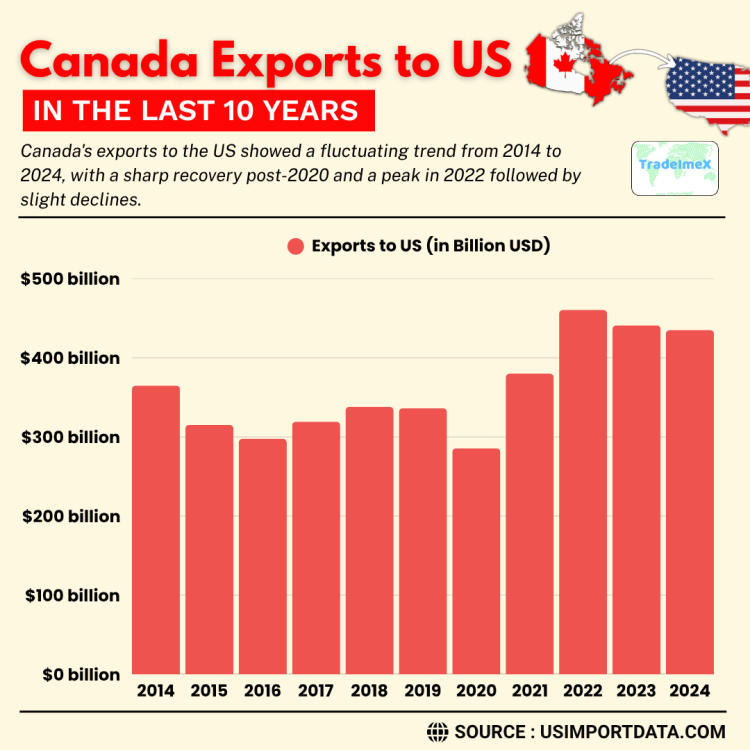
Pinpointing an exact, unchanging percentage is challenging due to the dynamic nature of international trade. However, various official sources, including the U.S. Census Bureau, the Bureau of Economic Analysis (BEA), and Statistics Canada, provide data that offers a clear understanding of the scale. Consistently, Canada accounts for a substantial portion of US export revenue. For instance, in recent years, Canada has absorbed roughly 15-20% of all US exports. This figure represents billions of dollars in goods and services, encompassing a vast array of industries.
When we look at the categories of exports, the picture becomes even more nuanced. Manufactured goods, such as vehicles and parts, machinery, and electrical equipment, form a significant chunk of this trade. Agricultural products, chemicals, and even services like financial and intellectual property play a vital role. The interconnectedness of supply chains means that components manufactured in one country often find their way into finished products assembled in the other, further blurring the lines of origin and destination.
The Impact of Trade Agreements: NAFTA and USMCA
The North American Free Trade Agreement (NAFTA), implemented in 1994, was a landmark accord that significantly liberalized trade between the US, Canada, and Mexico. Its primary goal was to reduce or eliminate tariffs and other trade barriers, thereby increasing the flow of goods and services. NAFTA’s impact on US exports to Canada was profound, leading to a surge in bilateral trade. It created a more predictable and stable environment for businesses, encouraging investment and expanding market access.
In 2020, NAFTA was replaced by the United States-Mexico-Canada Agreement (USMCA). While retaining many of the core principles of NAFTA, the USMCA introduced updated provisions, particularly concerning digital trade, labor standards, and environmental regulations. The transition to USMCA aimed to modernize the agreement for the 21st century, addressing new economic realities and technological advancements. For US exports to Canada, the USMCA has generally maintained a favorable trade environment, ensuring continued access and predictability, though some adjustments and specific sector-related changes are ongoing. The continued success of these agreements is fundamental to sustaining the high percentage of US exports directed towards Canada.
Key Sectors Driving US Exports to Canada
The strength of US exports to Canada is not concentrated in a single industry but rather spread across a diverse range of sectors. This diversification makes the trade relationship resilient, as fluctuations in one sector can be offset by growth in others. Understanding these key drivers provides valuable insight into the specific economic linkages between the two countries.
Automotive and Manufacturing Dominance
The automotive sector is a cornerstone of US-Canada trade. Due to deeply integrated supply chains and shared manufacturing facilities, a significant portion of vehicles and automotive parts produced in the US are destined for the Canadian market. This extends beyond assembly plants, encompassing a vast network of component suppliers, R&D facilities, and logistics operations that span the border. The automotive industry is a prime example of how trade agreements have fostered a seamless cross-border production ecosystem.
Beyond automotive, other manufacturing sectors also contribute significantly. Machinery and equipment, crucial for Canada’s resource industries and manufacturing base, represent substantial export volumes. Electrical machinery, scientific and technical instruments, and industrial supplies are also consistently high on the list of US exports. This manufacturing prowess underscores the complementary nature of the two economies, with the US often serving as a primary supplier of complex manufactured goods to its northern neighbor.
Energy and Natural Resources: A Two-Way Street
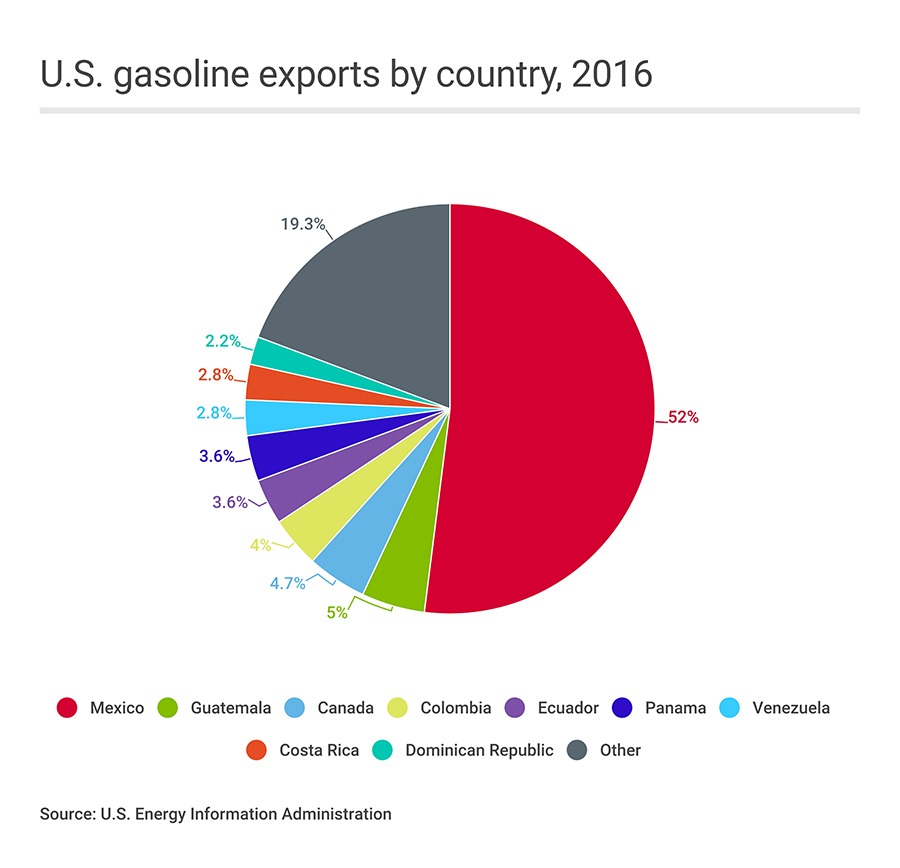
The energy sector is another critical component of US-Canada trade, though it’s important to note that this is often a more complex flow, with both nations exporting and importing significant energy resources. The US exports refined petroleum products, natural gas, and electricity to Canada, supporting Canadian energy needs. Conversely, Canada is a major supplier of crude oil and natural gas to the United States, underscoring the interconnectedness of North American energy markets.
While the question focuses on US exports, it’s relevant to acknowledge that Canada’s abundant natural resources are a key factor in its overall economic activity, which in turn drives demand for a wide range of US manufactured goods and services. The smooth functioning of energy trade is therefore intrinsically linked to the broader export landscape.
Agricultural and Food Products: Sustaining Demand
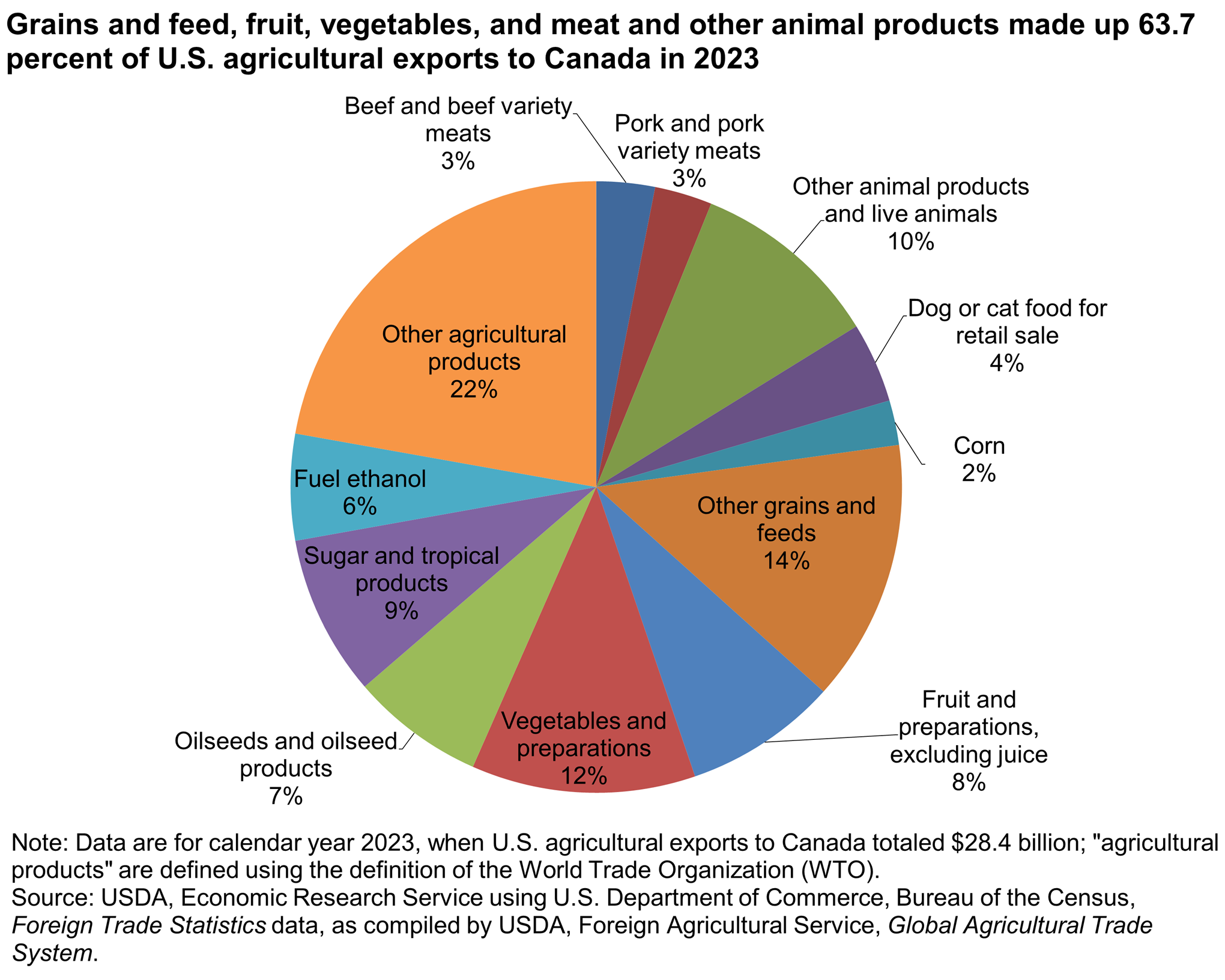
The agricultural sector plays a vital role in US exports to Canada. The geographical proximity and similar consumer preferences create a natural market for a variety of US-grown produce, processed foods, and beverages. Dairy products, meats, grains, and fruits are all significant components of this trade. Canada’s food processing industry also relies on US-sourced ingredients, further bolstering this export category. This agricultural trade highlights how consumer demand and supply chain efficiencies create consistent export opportunities.
Factors Influencing the Percentage of US Exports to Canada
The percentage of US exports that flow to Canada is not a fixed number but rather a dynamic figure influenced by a multitude of economic, political, and even environmental factors. Understanding these drivers is key to anticipating future trends and appreciating the complexities of this vital trade relationship.
Economic Conditions and Consumer Demand
The overall health of the Canadian economy is perhaps the most significant determinant of the demand for US exports. When the Canadian economy is growing, businesses are more likely to invest in new equipment and technologies, and consumers have more disposable income to spend on imported goods. Conversely, during economic downturns in Canada, demand for US exports tends to soften. This direct correlation means that economic indicators in Canada, such as GDP growth, employment rates, and consumer confidence, have a palpable impact on the percentage of US goods and services purchased by Canadians.
Currency Exchange Rates and Competitiveness
The exchange rate between the US dollar and the Canadian dollar plays a crucial role in the competitiveness of US exports. A stronger US dollar makes American goods more expensive for Canadian buyers, potentially leading to a decrease in demand. Conversely, a weaker US dollar makes US exports more affordable and attractive to Canadian consumers and businesses. Fluctuations in this exchange rate, driven by market forces and monetary policies, can therefore directly influence the volume and value of US exports to Canada, and consequently, the percentage they represent of the total US export pie.
Geopolitical Events and Trade Policy Shifts
While the USMCA provides a stable framework, broader geopolitical events and potential shifts in trade policy can also impact export flows. Global trade disputes, changes in international relations, or even domestic policy decisions in either country can create ripples that affect bilateral trade. For instance, tariffs imposed by one country on goods from another, even if not directly targeting US-Canada trade, can lead to rerouting of supply chains and shifts in demand. Maintaining open communication and stable diplomatic relations are therefore paramount to ensuring the continued robustness of US exports to Canada.
Technological Advancements and Innovation
The pace of technological advancement and innovation is also a significant driver, particularly in sectors like technology, advanced manufacturing, and services. The US often leads in developing cutting-edge technologies, and Canadian businesses and consumers are eager adopters. This creates a steady demand for US-produced software, hardware, digital services, and advanced machinery. As new innovations emerge, the demand for these sophisticated US exports to Canada is likely to continue, reinforcing the importance of technological competitiveness in this bilateral trade relationship.
The Future Outlook for US Exports to Canada
The outlook for US exports to Canada remains overwhelmingly positive, buoyed by the enduring strength of their economic partnership and the framework provided by the USMCA. While global economic uncertainties and evolving trade landscapes present challenges, the fundamental drivers of this trade relationship are robust and deeply entrenched.
Continued Integration and Supply Chain Resilience
The ongoing integration of North American supply chains, particularly in sectors like automotive, manufacturing, and technology, is expected to continue. The USMCA has solidified this interdependence, encouraging businesses to invest in cross-border operations and optimize their production processes. The emphasis on resilience in global supply chains, accelerated by recent global events, further underscores the benefits of deeply integrated regional trade, making Canada an even more vital partner for US businesses seeking reliable markets and efficient production networks.
Emerging Opportunities in Services and Digital Trade
Beyond traditional goods, the realm of services and digital trade presents significant growth opportunities. As economies become more digitized, the demand for US expertise in areas such as software development, cloud computing, financial services, and digital content is set to rise. The USMCA’s provisions on digital trade are designed to facilitate this growth, ensuring a favorable environment for the cross-border exchange of digital products and services. This evolving landscape promises to further diversify and strengthen the export relationship.
The Importance of Policy and Business Adaptation
To maintain and enhance the percentage of US exports to Canada, continued proactive policy engagement and business adaptation will be crucial. This includes leveraging the USMCA to its full potential, addressing any emerging trade barriers, and fostering an environment of innovation and investment. For businesses, staying attuned to Canadian market trends, understanding consumer preferences, and adapting to evolving technological demands will be key to capitalizing on the immense opportunities presented by this enduring and vital economic partnership. The consistent strength of this bilateral trade flow is not a given, but a result of sustained effort, strategic adaptation, and the fundamental recognition of shared economic prosperity.
aViewFromTheCave is a participant in the Amazon Services LLC Associates Program, an affiliate advertising program designed to provide a means for sites to earn advertising fees by advertising and linking to Amazon.com. Amazon, the Amazon logo, AmazonSupply, and the AmazonSupply logo are trademarks of Amazon.com, Inc. or its affiliates. As an Amazon Associate we earn affiliate commissions from qualifying purchases.