
The prevalence of obesity among American adults is not merely a health crisis; it represents a significant and escalating financial burden that impacts personal finances, business profitability, and the broader national economy. Understanding the current statistics surrounding adult obesity is crucial for grasping the true scope of its economic ramifications and for formulating effective financial strategies to mitigate its corrosive effects.
The Stark Reality: Unpacking the Obesity Epidemic and its Direct Costs
The United States continues to grapple with an alarming obesity epidemic, with profound implications for both individual well-being and economic stability. The most recent data paints a sobering picture, revealing that a substantial segment of the adult population is classified as obese.
Current Prevalence and Projections
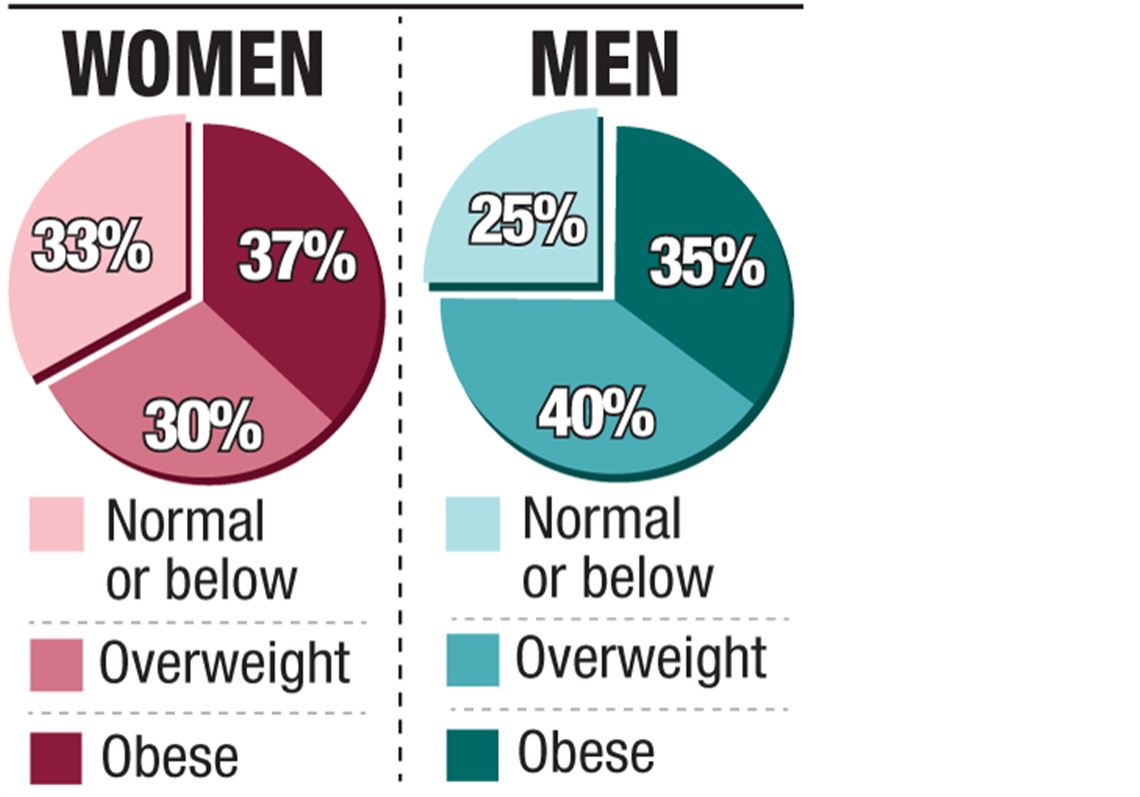
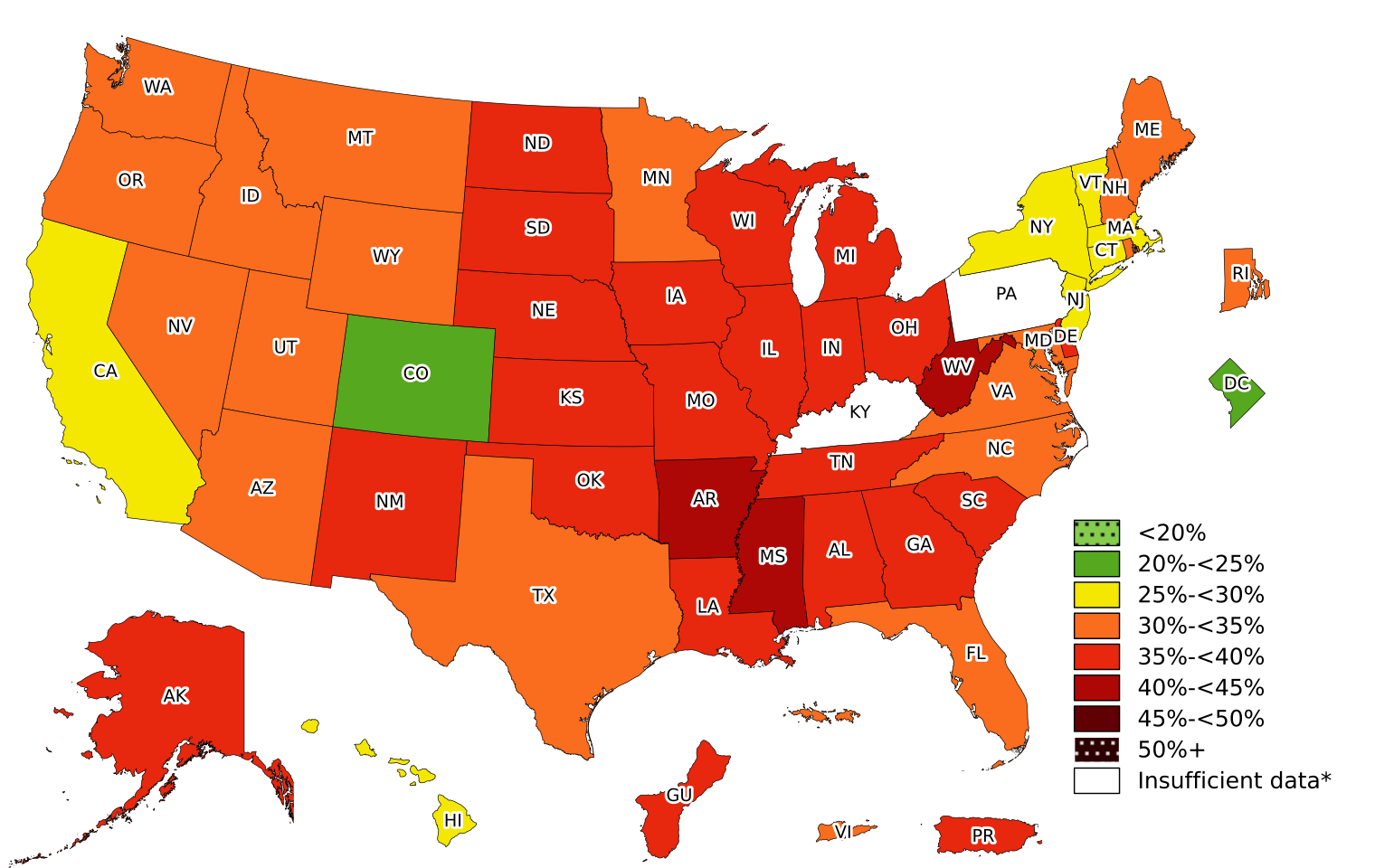
According to the Centers for Disease Control and Prevention (CDC), the obesity prevalence in the U.S. was 41.9% among adults from 2017–March 2020. This figure indicates that more than two out of every five American adults are currently living with obesity. Furthermore, severe obesity affects 9.2% of adults. These statistics represent a continuous upward trend over the past several decades, signaling a persistent challenge that shows no signs of abating without concerted intervention. Projections suggest that if current trends continue, the prevalence of obesity will only rise, leading to an even greater strain on resources and finances in the coming years. This growing percentage is not just a health statistic; it’s a predictor of future healthcare costs, lost productivity, and increased financial insecurity for millions.
Immediate Healthcare Expenditures
The direct financial costs associated with obesity are staggering, primarily driven by increased healthcare utilization and specialized medical treatments. Obese individuals tend to have higher medical expenses compared to those of a healthy weight, largely due to the increased risk of developing various chronic conditions. These conditions include type 2 diabetes, heart disease, stroke, certain types of cancer, hypertension, and osteoarthritis. Each of these conditions requires ongoing medical care, medication, and potentially complex procedures or surgeries. For instance, the annual medical costs for individuals with obesity were estimated to be thousands of dollars higher than those of individuals with a healthy weight. These costs are absorbed through various channels: out-of-pocket expenses for individuals, higher insurance premiums for employers and employees, and substantial government spending through programs like Medicare and Medicaid. The percentage of the population affected directly translates into a percentage of national healthcare spending dedicated to managing obesity and its numerous comorbidities.
Personal Finance Under Pressure: Managing Obesity-Related Expenses
For individuals, living with obesity often translates into a complex web of financial challenges that can significantly impact their personal balance sheets and long-term financial security. The expenses extend far beyond the immediate medical bills.
Direct Medical Bills and Insurance Premiums
The most apparent financial strain comes from direct medical care. This includes regular doctor visits, specialist consultations (e.g., cardiologists, endocrinologists), prescription medications for chronic conditions, and potentially costly surgeries such as bariatric procedures. While health insurance can buffer some of these costs, deductibles, co-pays, and uncovered services can still accumulate to substantial amounts. Moreover, the collective rise in obesity rates contributes to higher health insurance premiums for everyone, as insurers adjust rates to cover the increased claims from the broader population. Individuals with obesity might also face challenges in securing certain types of insurance or be subject to higher premiums for life insurance or long-term care policies, reflecting the perceived higher risk. Effectively, the high percentage of obese adults in the U.S. means that a significant portion of personal income, either directly or indirectly, is diverted towards healthcare expenses related to weight management and associated conditions.
Indirect Costs: Lost Wages and Reduced Productivity
Beyond direct medical expenses, obesity can have a significant impact on an individual’s earning potential and job security. Chronic health issues can lead to increased absenteeism from work due to medical appointments, illness, or disability. Presenteeism, where individuals are at work but less productive due to health problems, is also a concern. Over time, these factors can result in lost wages, reduced opportunities for promotion, and in some cases, early retirement or inability to work. The ripple effect extends to household income, potentially straining family budgets and delaying financial goals such as homeownership, retirement savings, or educational investments. For self-employed individuals, lost workdays translate directly into lost income, making financial planning even more precarious.
The “Wellness Industry” and Consumer Spending
Ironically, the pursuit of weight loss and health improvement also constitutes a significant personal financial outlay for many individuals living with obesity. The “wellness industry” is a multi-billion dollar sector, offering a vast array of products and services: diet plans, weight loss programs, specialized fitness equipment, gym memberships, nutritional supplements, and “healthy” food options that often come with a premium price tag. While some of these investments can be beneficial, the sheer volume of offerings and the often-ephemeral nature of diet trends can lead to repeated spending without sustained results. This cycle of investing in various weight loss solutions, often in frustration, adds another layer of financial stress for individuals already grappling with the economic consequences of their health condition. Smart financial planning in this context requires discerning effective, evidence-based solutions from fleeting fads, prioritizing long-term health investments over quick fixes.
Business Bottom Lines and National Economic Strain
The financial ramifications of a high obesity rate extend far beyond individual households, significantly impacting corporate financial health and the overall national economy. Businesses bear substantial costs, and government resources are heavily strained.
Employer-Sponsored Health Plans and Productivity Losses
For businesses, the high percentage of obese employees translates directly into increased costs for employer-sponsored health insurance plans. As mentioned earlier, medical claims for individuals with obesity are considerably higher, which in turn drives up premiums for the entire workforce. This represents a substantial operating expense that can erode profit margins and limit resources for other investments, such as employee development or innovation. Beyond insurance, businesses also face significant costs due to productivity losses. Employee absenteeism and presenteeism due to obesity-related health issues reduce overall output and efficiency. The burden of replacing absent workers, managing reduced productivity, and potentially accommodating employees with health-related disabilities adds to operational expenses. Companies are increasingly exploring wellness programs, not just as an employee benefit, but as a strategic financial investment to control healthcare costs and improve workforce productivity.
Government Spending on Public Health Initiatives and Medicare/Medicaid
The federal and state governments are major stakeholders in the financial management of the obesity epidemic. A significant portion of public health budgets is allocated to initiatives aimed at preventing obesity and promoting healthier lifestyles, though these efforts often struggle to keep pace with the rising prevalence. More critically, government-funded healthcare programs like Medicare (for seniors and certain disabled individuals) and Medicaid (for low-income individuals and families) bear a disproportionate share of the healthcare costs associated with obesity. Given that obesity is more prevalent among certain demographic groups often covered by these programs, the financial strain on these public coffers is immense. The taxes paid by all citizens indirectly fund these expenses, meaning that the economic burden of obesity is a societal one, affecting every taxpayer.
Macroeconomic Impact: GDP and Healthcare Spending
At a macroeconomic level, the high prevalence of obesity can impact a nation’s Gross Domestic Product (GDP). The cumulative effect of lost productivity, increased healthcare spending, and reduced labor force participation due to disability can dampen economic growth. Healthcare spending related to obesity consumes a larger and larger share of the national budget, potentially crowding out investments in other critical areas like infrastructure, education, or research and development. Furthermore, the economic cost isn’t limited to treatment; it also includes the costs of premature mortality and disability. When a significant percentage of the adult population is facing chronic health issues, the overall human capital and productive capacity of the nation are diminished, hindering long-term economic prosperity and competitiveness on a global scale.
Strategic Financial Planning for a Healthier Future
Addressing the financial burden of obesity requires a multi-faceted approach, integrating personal financial discipline with broader public and corporate strategies.
Investing in Preventative Health
From a personal finance perspective, investing proactively in preventative health can be one of the most financially astute decisions. This includes budgeting for healthy food, accessible fitness activities, and regular preventative medical check-ups. While these might seem like immediate expenses, they can significantly reduce the likelihood of developing costly chronic conditions down the line, ultimately saving substantial amounts in medical bills and lost income. For businesses, investing in employee wellness programs that genuinely support healthier lifestyles can yield a strong return on investment through reduced healthcare costs, increased productivity, and lower absenteeism. It’s a strategic financial choice that acknowledges the link between employee well-being and the company’s fiscal health.
Financial Tools for Health Management
Leveraging appropriate financial tools can also play a crucial role. Health Savings Accounts (HSAs) and Flexible Spending Accounts (FSAs) offer tax-advantaged ways to save and pay for medical expenses, including those related to weight management. Financial planning for long-term care insurance can provide a safety net for potential future health needs, mitigating the risk of devastating out-of-pocket expenses. Budgeting apps can help individuals track spending on food and fitness, identifying areas for healthier allocations. For businesses, utilizing data analytics to understand the health risk profiles of their workforce can inform targeted interventions that are both cost-effective and beneficial to employee health.

The Economic Case for Public Health Investment
Ultimately, mitigating the vast financial toll of obesity requires a societal commitment. Increased public investment in community-based programs that promote healthy eating and physical activity, improved access to affordable nutritious food, and educational campaigns are not just public health measures, but crucial economic investments. These efforts can reduce the percentage of adults who become obese, thereby reducing future healthcare expenditures and boosting national productivity. The economic argument for prevention is compelling: a healthier population is a more productive, prosperous, and financially secure population. By understanding the intricate financial linkages of obesity, stakeholders from individuals to governments can make more informed decisions that lead to both improved health outcomes and a stronger, more resilient economy.
aViewFromTheCave is a participant in the Amazon Services LLC Associates Program, an affiliate advertising program designed to provide a means for sites to earn advertising fees by advertising and linking to Amazon.com. Amazon, the Amazon logo, AmazonSupply, and the AmazonSupply logo are trademarks of Amazon.com, Inc. or its affiliates. As an Amazon Associate we earn affiliate commissions from qualifying purchases.