
The fundamental process of life, protein synthesis, is orchestrated by a remarkable molecular machine within every living cell: the ribosome. This intricate organelle is the universal factory for converting genetic information encoded in messenger RNA (mRNA) into functional proteins, the workhorses of biological systems. While traditionally a subject of biochemistry and molecular biology, understanding the ribosome and the mechanics of protein synthesis has become a pivotal area of focus within the technology sector. Advanced computing, artificial intelligence, and sophisticated engineering tools are now rapidly transforming our ability to study, manipulate, and even design protein synthesis, opening unprecedented avenues in biotechnology, medicine, and materials science. This exploration delves into how technology interprets and leverages the ribosome’s profound biological function.

Unpacking the Molecular Machinery: The Ribosome
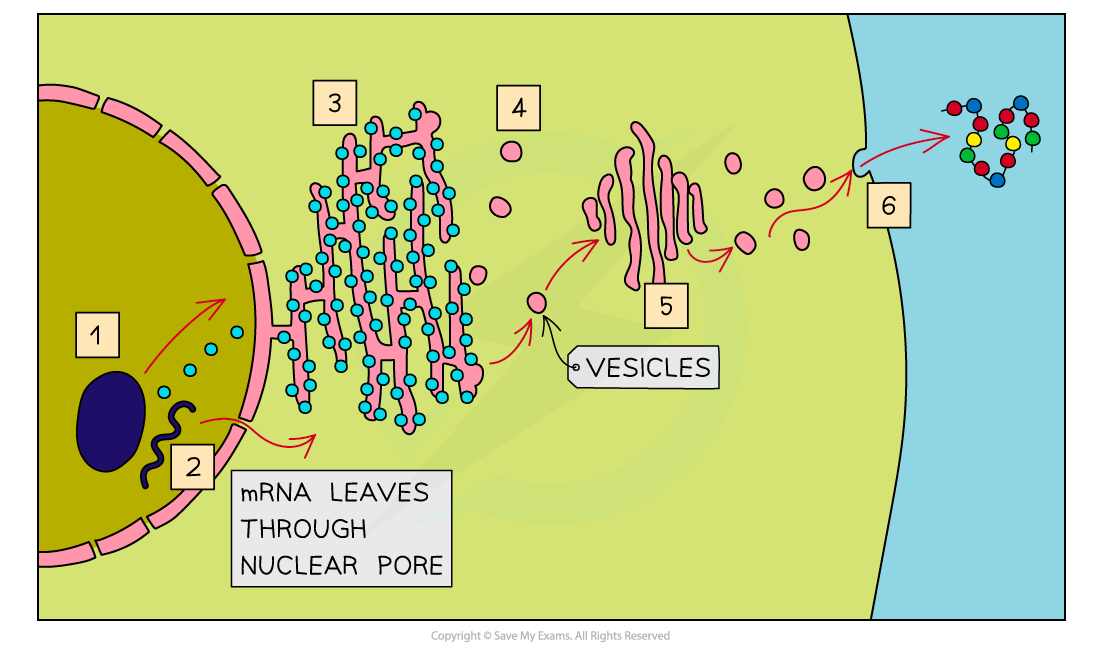
At its core, the ribosome is a complex macromolecular machine composed of ribosomal RNA (rRNA) and ribosomal proteins. Its primary role is translation – reading the genetic code carried by mRNA and assembling amino acids into a specific protein sequence. This process is astonishingly precise and efficient, ensuring that the vast array of proteins essential for cellular function are produced correctly. From enzymes catalyzing metabolic reactions to structural components providing cellular integrity and signaling molecules communicating within organisms, proteins are indispensable.
Digital Twins and Computational Structural Biology
The sheer complexity and dynamic nature of the ribosome make it an ideal target for computational structural biology. Modern computing power allows researchers to create highly detailed “digital twins” of the ribosome, simulating its atomic-level movements and interactions during protein synthesis. Sophisticated molecular dynamics simulations, often run on high-performance computing clusters, provide unprecedented insights into how tRNA molecules bind, how peptide bonds are formed, and how nascent protein chains emerge. These simulations go beyond static images from X-ray crystallography or cryo-electron microscopy, offering a temporal dimension to understanding ribosomal function. Software platforms dedicated to molecular modeling, such as GROMACS, AMBER, and NAMD, are indispensable tools in this endeavor, enabling scientists to test hypotheses about mutations, drug interactions, and novel regulatory mechanisms without extensive lab experimentation.
Advancements in Imaging and Spectroscopic Technologies
Beyond simulation, technological breakthroughs in microscopy have revolutionized our ability to visualize the ribosome in action. Cryo-electron microscopy (cryo-EM) has advanced dramatically, allowing researchers to determine high-resolution 3D structures of the ribosome in various functional states. This “gadget,” paired with advanced image processing software, generates detailed blueprints of the molecular machinery, revealing subtle conformational changes that are critical for its function. Furthermore, single-molecule fluorescence resonance energy transfer (smFRET) and atomic force microscopy (AFM) provide real-time, dynamic insights into protein synthesis. These cutting-edge spectroscopic and imaging technologies offer a window into the ribosome’s intricate dance, providing empirical data that informs and validates computational models, bridging the gap between theoretical prediction and observable biological reality.
AI and Bioinformatics: Engineering the Protein World
The vast amount of data generated from genomic sequencing, proteomic analyses, and structural biology initiatives presents both a challenge and an opportunity. Artificial intelligence (AI) and bioinformatics tools are now central to interpreting this deluge of information and, more profoundly, to engineering proteins with desired characteristics.
Predictive Algorithms for Protein Folding and Function
One of biology’s grand challenges has been the “protein folding problem”: predicting a protein’s 3D structure solely from its amino acid sequence. This problem is crucial because a protein’s function is dictated by its precise 3D shape. AI, particularly deep learning models, has made monumental strides in this area. Platforms like AlphaFold, developed by DeepMind, have demonstrated unprecedented accuracy in predicting protein structures, often rivaling experimental methods. These AI tools leverage massive datasets of known protein structures to learn the complex rules governing folding. Beyond structure prediction, machine learning algorithms are also being developed to predict protein-protein interactions, binding affinities, and functional properties, dramatically accelerating the design of novel proteins and therapeutic agents.
Machine Learning in Drug Discovery and Design
The insights gained from AI-driven protein structure prediction are directly transferable to pharmaceutical innovation. AI tools are being deployed throughout the drug discovery pipeline to identify potential drug targets, design small molecules or biologics that can bind to specific protein sites, and predict their efficacy and toxicity. Machine learning models can analyze vast libraries of chemical compounds, screening billions of possibilities far more efficiently than traditional high-throughput screening. This allows for the rapid identification of lead compounds that modulate protein function, either enhancing or inhibiting it, depending on the therapeutic goal. Furthermore, AI is aiding in the design of custom proteins, such as therapeutic antibodies or enzymes, tailored to specific disease pathways, ushering in an era of precision medicine.
Data-Driven Insights from Genomic and Proteomic Databases
Bioinformatics platforms serve as the digital backbone for modern protein research. Cloud-based tools and comprehensive databases like UniProt, NCBI, and AlphaFold DB curate vast amounts of protein sequence, structure, and functional data. These digital resources are indispensable for researchers worldwide, offering standardized formats and powerful search capabilities to explore the protein universe. AI-powered analytics tools can mine these databases to identify evolutionary conserved regions, predict post-translational modifications, and uncover novel protein families. Such data-driven insights are critical for understanding disease mechanisms, identifying biomarkers, and developing diagnostics, all reliant on the systematic organization and intelligent analysis of complex biological information.

From Code to Creation: Synthetic Biology and Bio-Manufacturing
The ultimate technological ambition stemming from understanding protein synthesis is the ability to design and create proteins and biological systems from scratch or to re-engineer existing ones for specific purposes. This field, known as synthetic biology, heavily relies on advanced engineering principles and sophisticated digital tools.
Gene Editing Technologies and Recombinant Protein Expression
Technologies like CRISPR-Cas9 have revolutionized genetic engineering, providing precise tools to edit DNA sequences that encode proteins. This allows scientists to introduce specific mutations, optimize gene expression, or insert entirely new genes into host organisms. Software platforms for designing guide RNAs and predicting off-target effects are crucial for the efficient and safe application of these gene-editing tools. Once a gene for a desired protein is designed, recombinant protein expression systems — often involving bacteria (like E. coli), yeast, or mammalian cells — are used for large-scale production. Automated bioreactors and sophisticated fermentation control systems, managed by specialized software, optimize growth conditions and protein yield, transforming living cells into programmable biofactories.
Automated Systems for Bioproduction
The scale and complexity of modern biotechnology necessitate high levels of automation. Robotic liquid handling systems, automated colony pickers, and high-throughput screening platforms are “gadgets” that accelerate every stage of protein engineering and production. These systems, controlled by sophisticated laboratory information management systems (LIMS) software, minimize human error, increase reproducibility, and enable parallel experimentation at scales previously unimaginable. From synthesizing DNA oligonucleotides to purifying target proteins, automation streamlines workflows, making the rapid iteration and optimization of protein designs feasible. This industrialization of biological processes is a hallmark of the new bio-manufacturing era.
Decentralized Biomanufacturing and Open-Source Hardware
An emerging trend in synthetic biology is the move towards decentralized, more accessible biomanufacturing. Driven by open-source hardware designs and community-developed software, groups are building low-cost, modular bioreactors, centrifuges, and other lab equipment. These “desktop biomanufacturing” initiatives aim to democratize access to protein production capabilities, enabling smaller labs, educational institutions, and even citizen scientists to engage in synthetic biology projects. The ability to design, build, and share digital blueprints for biological tools accelerates innovation and fosters a more collaborative approach to harnessing protein synthesis technologies.
Future Frontiers: AI, Protein Synthesis, and Beyond
The convergence of AI, advanced software, and bioengineering techniques is propelling protein synthesis technology into unprecedented territory, promising transformative impacts across various sectors.
Personalized Medicine Through Engineered Proteins
The future of medicine increasingly looks towards tailored therapies. AI-driven protein engineering will enable the development of highly specific biopharmaceuticals designed to target individual patient profiles. This could involve engineering proteins to recognize specific cancer markers, developing customized antibodies for autoimmune diseases, or designing therapeutic enzymes to correct metabolic deficiencies. The ability to rapidly design and produce such personalized protein-based drugs, perhaps even “on-demand” in clinical settings, represents a paradigm shift in healthcare delivery.
Sustainable Solutions and Bio-Inspired Materials
Beyond medicine, engineered proteins are poised to address global challenges in sustainability and materials science. Researchers are using AI to design enzymes for biofuel production, bioremediation of pollutants, and efficient industrial processes that reduce chemical waste. Furthermore, bio-inspired materials, drawing lessons from naturally occurring proteins like silk or collagen, are being engineered with enhanced properties such as strength, elasticity, and self-healing capabilities. These novel materials, designed at the molecular level with computational precision, hold promise for everything from advanced textiles and biomedical implants to next-generation electronics, pushing the boundaries of what is physically possible.
Navigating the Ethical Landscape of Synthetic Biology Tools
As our ability to engineer life at its fundamental level expands, so too does the importance of ethical considerations. AI tools, while powerful, must be developed and applied responsibly. Discussions around the potential for misuse of synthetic biology technologies, the equitable access to advanced protein therapies, and the environmental impact of genetically modified organisms are critical. Developing robust digital security protocols for biological data and design platforms, alongside transparent governance frameworks, will be essential to ensure that these transformative technologies are harnessed for the benefit of all, aligning innovation with societal values.
aViewFromTheCave is a participant in the Amazon Services LLC Associates Program, an affiliate advertising program designed to provide a means for sites to earn advertising fees by advertising and linking to Amazon.com. Amazon, the Amazon logo, AmazonSupply, and the AmazonSupply logo are trademarks of Amazon.com, Inc. or its affiliates. As an Amazon Associate we earn affiliate commissions from qualifying purchases.