
In the competitive landscape of the beauty industry, the choice of nail polish is far more than an aesthetic preference. For a professional salon, the bottles lined up on the backbar represent a strategic partnership between two brands: the product manufacturer and the salon itself. When a client asks, “What nail polish do salons use?” they are often seeking the secret behind the longevity and finish of a professional manicure. From a brand strategy perspective, the answer lies in the meticulous selection of professional-grade formulas that offer high performance, brand recognition, and consumer trust.
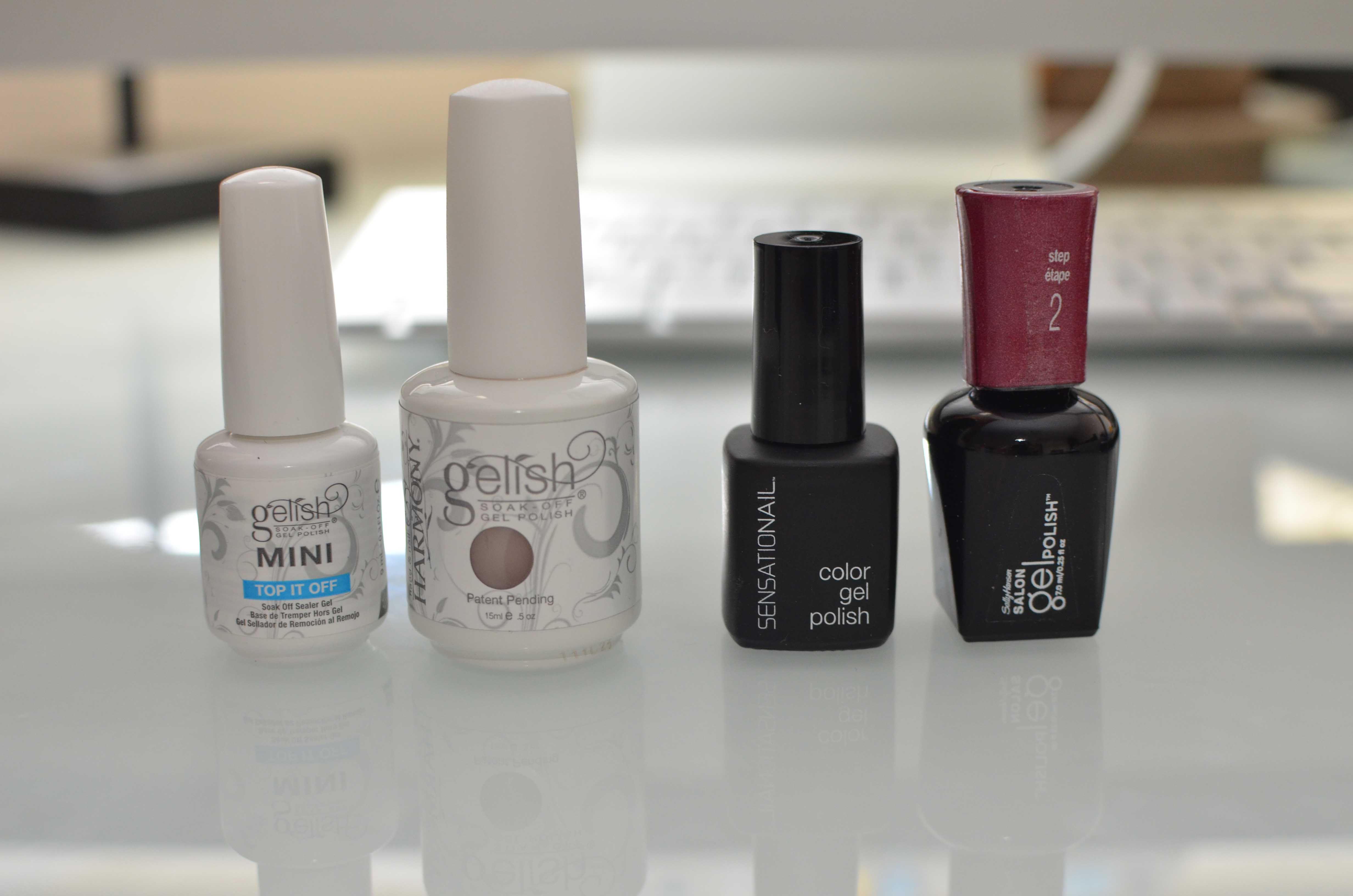
The professional nail industry is dominated by a few key players that have spent decades building “brand equity.” These companies do not just sell pigment and solvent; they sell reliability and a premium experience. Understanding which brands salons choose reveals a deep dive into corporate identity, market positioning, and the psychology of consumer loyalty.
The Titans of Professional Branding: OPI, Essie, and CND
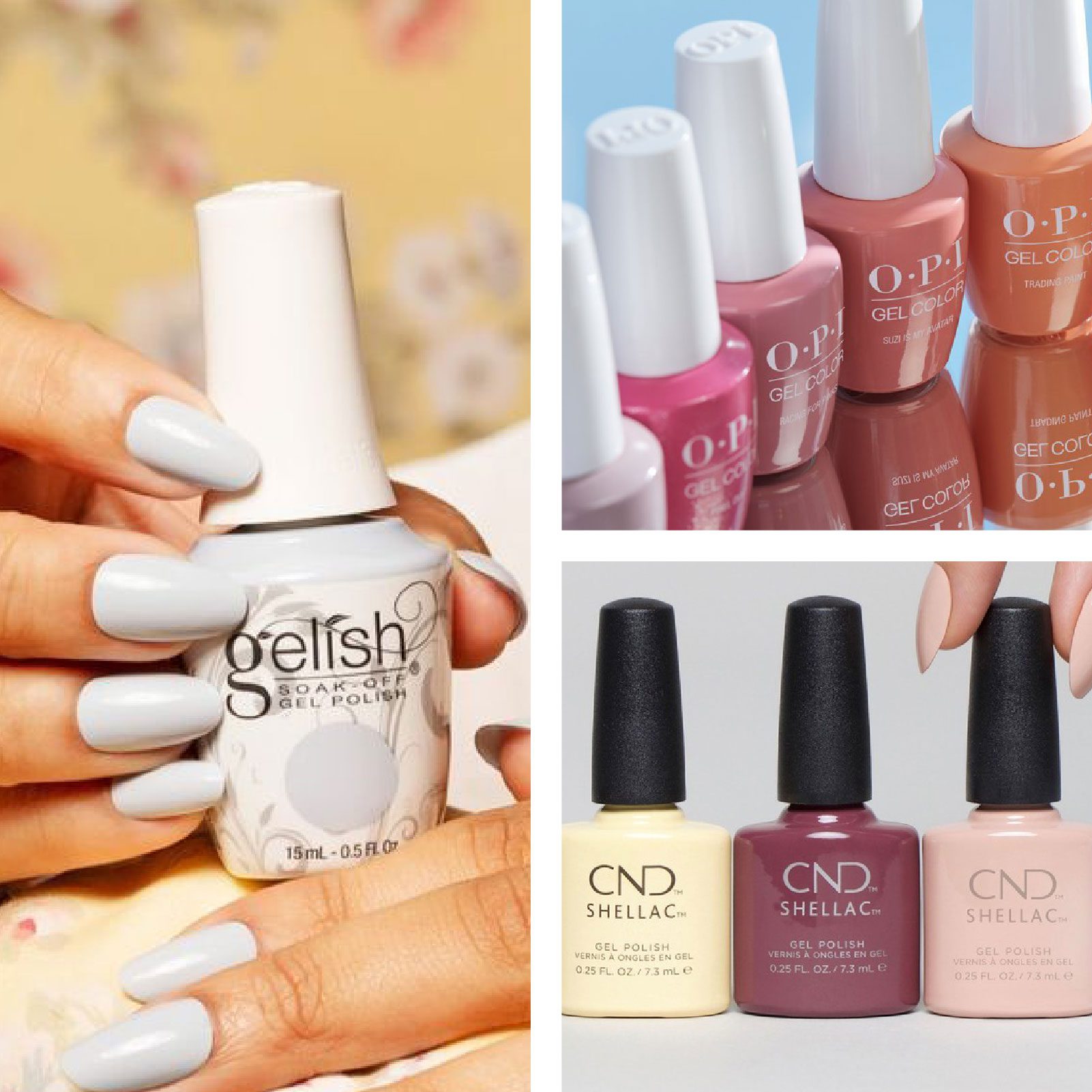
To understand the salon environment, one must first recognize the “Big Three” of the nail world. These brands have successfully navigated the transition from niche professional supplies to household names, yet they maintain a distinct professional line that remains the backbone of the salon industry.
The Global Authority: OPI
OPI (originally Odontorium Products Inc.) is perhaps the most recognizable nail brand in the world. Its brand strategy is built on two pillars: professional-grade quality and ingenious marketing. From a branding standpoint, OPI revolutionized the industry by naming its shades with witty, culturally relevant puns. This transformed a simple bottle of red polish into an “experience” like “I’m Not Really a Waitress.”
Salons use OPI because the brand signals “The Gold Standard.” When a client sees the iconic OPI bottle, there is an immediate transference of trust. The brand’s “ProHealth” technology and “Infinite Shine” systems are marketed specifically to professional technicians, ensuring that the salon can deliver a result that lasts longer than an at-home application. For the salon owner, carrying OPI is a strategic move to align their business with a market leader that spends millions on global advertising, effectively pre-selling the service to the client.
The Elegance of Essie Professional
While OPI represents bold creativity, Essie—owned by L’Oréal—occupies the space of timeless elegance and “quiet luxury.” The brand’s strategy focuses heavily on its heritage and its connection to high fashion and royalty (famously, Queen Elizabeth II was a devoted wearer of the shade “Ballet Slippers”).
In the salon environment, Essie Professional offers a different value proposition. The brushes and formulas are often tweaked for professional use, allowing for faster application and a self-leveling finish that reduces service time. For a salon, branding itself as an “Essie Salon” attracts a demographic that values classic aesthetics and sophisticated color palettes. It is a masterclass in brand positioning: targeting the professional who wants to offer a “couture” experience.
CND and the Invention of the System
Creative Nail Design (CND) represents the pinnacle of “System Branding.” Unlike brands that focus on color trends, CND built its reputation on chemical innovation. The launch of CND Shellac created an entirely new category in the beauty market: the power polish.
CND’s brand strategy is strictly professional-centric. By requiring certification for certain products, they protect the integrity of the brand. When a salon uses CND, they are telling the client, “We are experts.” This exclusivity creates a “moat” around the salon’s services, as the results of a CND Shellac manicure are difficult to replicate with over-the-counter products. This is a classic B2B2C (Business-to-Business-to-Consumer) strategy where the manufacturer empowers the service provider to be the hero.
The Shift to Gel Technology: Brand Specialization
The modern salon has moved beyond traditional lacquer into the high-margin world of gel polishes. This shift has allowed for the rise of brands that specialize exclusively in UV/LED-cured technology, such as Gelish and Bio Seaweed Gel.
Gelish: The Pioneer of the Brush-on Gel
Gelish was the first brand to package soak-off gel in a bottle with a brush, a move that fundamentally changed salon operations. From a brand perspective, Gelish positioned itself as the “technician’s brand.” Their marketing focuses heavily on the ease of use, the speed of the cure, and the lack of chipping. By solving a specific pain point—the fragility of traditional polish—Gelish established a dominant market share. Salons use Gelish because it provides a reliable ROI (Return on Investment); the product is durable, reducing the likelihood of “fix-it” appointments and increasing customer satisfaction.
Health-Conscious Branding: Zoya and Bio Seaweed Gel
As consumer awareness regarding chemical exposure has grown, a new niche has emerged: the “Clean Beauty” brand. Zoya and Bio Seaweed Gel have capitalized on this by branding themselves as “5-Free,” “10-Free,” or even “Big-5 Free,” referring to the absence of toxic chemicals like formaldehyde and toluene.
For a salon, choosing these brands is a strategic positioning move to appeal to the “Conscious Consumer.” By stocking Zoya, a salon can brand itself as a wellness-oriented establishment. This allows the salon to charge a premium for “natural” or “non-toxic” manicures, tapping into a high-growth market segment. The brand strategy here is built on transparency and safety, which fosters deep emotional loyalty among clients with sensitive skin or health concerns.
Why Brand Consistency Matters for Salon Profitability
The choice of nail polish is not just about what is in the bottle; it is about the “Business of the Backbar.” Professional salons typically stick to one or two primary brand partners for several strategic reasons.
Supply Chain and Inventory Management
From a corporate identity perspective, a salon that uses a hodgepodge of different brands looks disorganized. Consistency in branding creates a visual harmony in the salon that reflects professionalism. Practically, staying within one brand “ecosystem” (using the same brand’s base coat, color, and top coat) ensures chemical compatibility. This reduces the risk of product failure, which is essential for maintaining the salon’s reputation for quality.
Education and Support
Major brands like OPI and CND offer extensive “Pro-Only” education. By committing to a brand, a salon gains access to masterclasses, early-release collections, and marketing collateral. This partnership allows the salon to stay ahead of trends—such as the “glazed donut” or “velvet nail” trends—before they hit the mainstream. The brand provides the “how-to,” and the salon provides the “service,” creating a symbiotic relationship that drives revenue for both parties.
The Luxury Niche: High-End Brand Extensions
In ultra-premium salons, the polish of choice may shift from traditional professional brands to luxury fashion house extensions. Brands like Chanel, Dior, and Tom Ford have a presence in high-end spas, particularly in metropolitan hubs like New York, London, and Paris.
In this context, the polish is a “Status Symbol.” The brand strategy is not based on the longevity of the wear (in fact, many luxury fashion polishes are less durable than professional brands like CND). Instead, the value lies in the “Brand Experience.” When a client pays $100 for a manicure, they are paying for the prestige of the interlocking “Cs” on the bottle. For the salon, using luxury retail brands is a way to signal their own elite status. It is a lifestyle play rather than a performance play.
Future Trends: The Digital Transformation of Salon Brands
As we look toward the future of what salons use, technology and digital branding are playing an increasingly large role. Independent “Indie” brands that started on Instagram, such as Mooncat or Holo Taco, are beginning to find their way into boutique salons. These brands have built massive digital communities and “cult” followings.
A salon that uses these “Internet-famous” brands is leveraging “Influencer Equity.” By stocking a brand that has gone viral on TikTok, a salon can attract a younger, trend-conscious demographic. This represents a shift in the power dynamic of the industry; where salons used to look to legacy corporations for guidance, they are now looking to social media trends to dictate their inventory.
Furthermore, the rise of “Smart Polishes” and 3D-printed nail art indicates that the next generation of salon products will be tech-heavy. Brands that can integrate augmented reality (AR) to let clients “try on” colors via an app before they sit in the chair will be the ones that salons prioritize.
Conclusion: The Strategic Polish Choice
The question of what nail polish salons use is ultimately a question of “Brand Alignment.” A salon’s choice of product defines its identity, its price point, and its target audience.
- OPI offers the reliability of a global leader.
- Essie provides the sophistication of a fashion icon.
- CND delivers the technical superiority of a professional system.
- Zoya caters to the ethical demands of the modern consumer.
For the salon owner, the polish on the shelf is a silent partner in their business strategy. It is a tool for building trust, ensuring quality, and creating a memorable brand experience that keeps clients returning. In the world of professional beauty, the bottle may be small, but the brand strategy behind it is monumental. Through careful curation and strategic partnership with these industry titans, salons transform a simple service into a powerful statement of professional excellence.
aViewFromTheCave is a participant in the Amazon Services LLC Associates Program, an affiliate advertising program designed to provide a means for sites to earn advertising fees by advertising and linking to Amazon.com. Amazon, the Amazon logo, AmazonSupply, and the AmazonSupply logo are trademarks of Amazon.com, Inc. or its affiliates. As an Amazon Associate we earn affiliate commissions from qualifying purchases.