
When approaching a bathroom renovation, the question of which tile is best for shower walls is rarely just an aesthetic one; it is a critical financial decision. For homeowners, the shower is one of the most high-traffic, high-impact areas of the property, directly influencing both daily quality of life and the eventual resale value of the asset. For real estate investors and flippers, the choice of material represents a delicate balance between capital expenditure (CapEx) and the potential for a high internal rate of return (IRR).
Selecting the “best” tile requires a deep dive into the intersection of material science, labor economics, and market psychology. Whether you are aiming to maximize a rental yield or boost the appraisal value of a primary residence, your choice of shower tile is a primary driver of the bathroom’s financial performance.
The Economics of Material Selection: Balancing Upfront Costs and Long-Term Value
In the world of real estate finance, the cost of a material is never just the price tag at the checkout counter. It includes the cost of installation, the cost of maintenance, and the projected cost of replacement. When evaluating shower tiles, three main categories dominate the market: ceramic, porcelain, and natural stone.
Ceramic Tile: The Entry-Level Budget Strategy
Ceramic tile is often the go-to for budget-conscious renovations or entry-level rental properties. From a financial perspective, ceramic offers the lowest barrier to entry. It is easier to cut and install, which can result in lower labor quotes from contractors. However, the financial downside of ceramic lies in its durability. Ceramic is more porous than its counterparts, making it more susceptible to chipping and water absorption if the glaze is compromised. In a long-term hold strategy, the potential for premature replacement may negate the initial savings.
Porcelain Tile: The Gold Standard for ROI
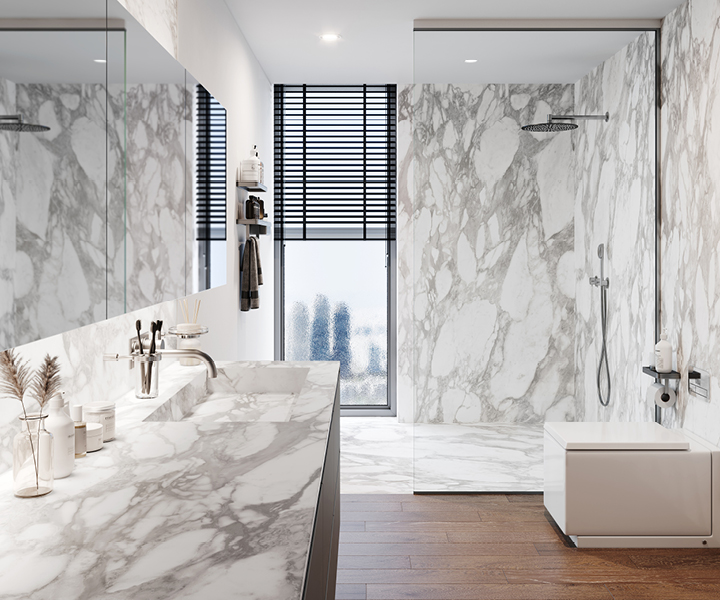
If you are looking for the best “bang for your buck” in terms of investment longevity, porcelain is the clear winner. Porcelain is fired at higher temperatures than ceramic, resulting in a much denser, less porous material. This density translates to superior moisture resistance and durability. From a valuation standpoint, porcelain is highly regarded by appraisers and buyers alike because it mimics expensive materials—like marble or wood—without the associated maintenance liabilities. It represents a “set it and forget it” financial strategy, minimizing future repair costs while maintaining high aesthetic appeal.
Natural Stone: High-Risk, High-Reward Capital Investment
Marble, travertine, and slate fall into the luxury category. While these materials can significantly increase the “wow factor” and the asking price of a luxury home, they come with significant financial baggage. Natural stone is porous and requires regular sealing, a maintenance cost that many homeowners overlook. For an investor, natural stone can be a liability in a rental property where tenants may not adhere to strict cleaning protocols, leading to permanent staining and asset depreciation.
Maximizing Property Valuation Through Design Trends and Durability
The bathroom is consistently cited by real estate experts as one of the rooms with the highest Return on Investment (ROI) during a home sale. According to industry data, a mid-range bathroom remodel can recoup between 60% and 70% of its cost upon resale. The tile choice is the centerpiece of this valuation.
The Appraisal Impact of “Wet Area” Upgrades
Appraisers look for quality and consistency. A shower tiled with high-quality porcelain or a well-executed natural stone indicates a level of care that suggests the rest of the home’s mechanical and structural systems have been similarly maintained. Conversely, cheap, poorly installed plastic inserts or low-grade tiles can trigger a “condition” adjustment that lowers the overall valuation of the property. To maximize equity, investors should choose tiles that are “timeless” rather than “trendy.” Neutral tones and classic patterns like subway tile or large-format slabs tend to hold their value longer, protecting the investment against shifting consumer tastes.
Large-Format Tiles: Reducing Labor and Maintenance Costs
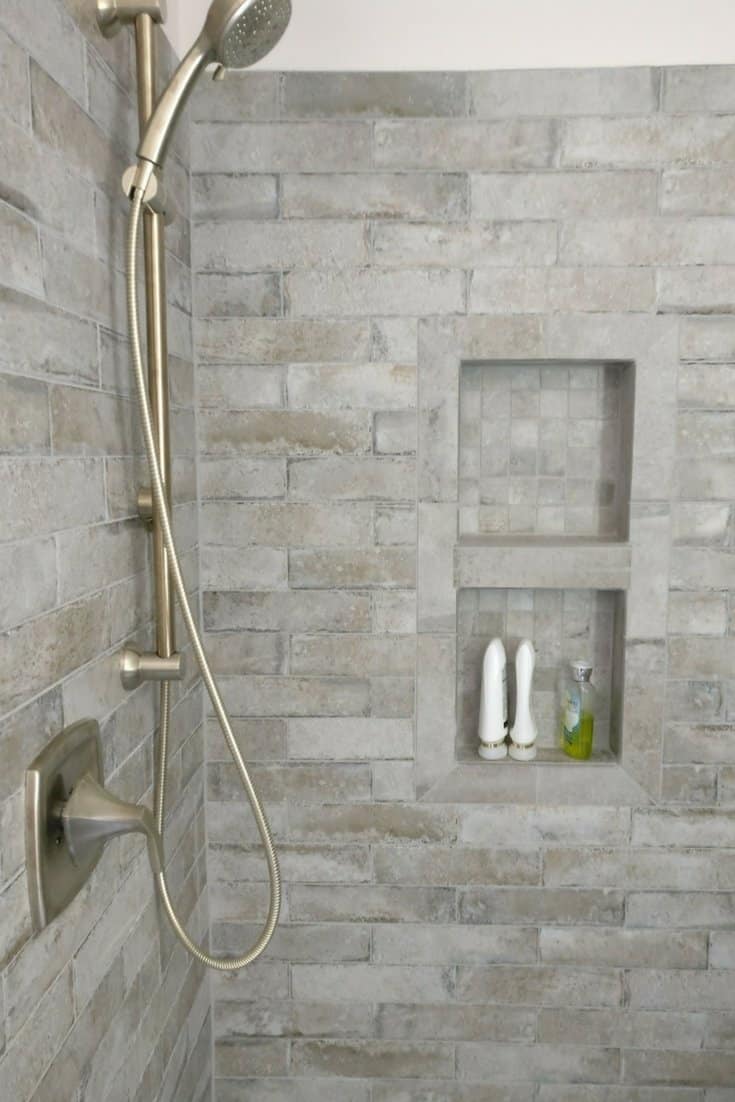
One of the most significant shifts in the renovation market is the move toward large-format tiles. From a financial perspective, these are highly efficient. Larger tiles mean fewer grout lines. Because grout is the most vulnerable point for water penetration and mold growth, reducing it minimizes the long-term maintenance costs of the asset. Furthermore, while large-format tiles may have a higher per-square-foot material cost, the speed of installation for experienced crews can sometimes lead to lower labor costs, provided the walls are perfectly plumb.
Risk Management: Protecting Your Real Estate Asset from Moisture Damage
In personal finance and real estate investing, risk management is just as important as wealth creation. In a bathroom, the primary risk is water damage. A failure in the shower wall system can lead to subfloor rot, mold remediation, and even structural compromise—expenses that can easily reach five figures and wipe out a year’s worth of rental income or equity growth.
Porosity and the Cost of Failure
The “best” tile for a shower wall is one that acts as an effective barrier. Porcelain has a water absorption rate of less than 0.5%, making it nearly waterproof even before the application of sealants. This technical specification is a hedge against disaster. When you choose a tile with low porosity, you are essentially buying an insurance policy for the structure behind the wall.
The Hidden Costs of Grout and Sealants
Many homeowners fail to budget for the “soft costs” of shower maintenance. Natural stone requires professional sealing every 6 to 12 months. Over a ten-year holding period, these costs add up. If a homeowner neglects this, the stone can absorb oils, shampoos, and minerals from the water, leading to “permanent” aesthetic damage that can only be fixed by a full tear-out. Choosing a low-maintenance tile like glazed porcelain eliminates this recurring expense, improving the net cash flow of the property.
Glass Tile: A Niche Financial Liability?
Glass tile is often used as an accent or in high-end modern designs. While visually stunning, glass is difficult to install. It requires specific thin-set mortars and a high degree of technical skill to prevent the adhesive from showing through the translucent material. From a money perspective, the labor premiums for glass tile are often 20% to 50% higher than standard tile. For most investors, the marginal increase in property value does not justify the disproportionate increase in installation costs.
Strategic Sourcing and Budget Optimization for Renovations
To achieve the best financial outcome, one must understand how to source materials effectively. The tile industry has a complex supply chain, and where you buy can be just as important as what you buy.
Wholesale vs. Retail: Navigating the Margin
Contractors often receive “trade pricing,” which can be 10% to 30% lower than the retail prices found at big-box home improvement stores. For a large renovation, this can amount to thousands of dollars in savings. Savvy homeowners and investors should negotiate with their contractors to pass through these savings or source directly from wholesale distributors.
Labor: The Invisible Variable
It is a common mistake to focus solely on the material cost per square foot. In reality, labor often accounts for 60% to 70% of the total tiling budget. Complex patterns, such as herringbone or chevron, require significantly more cuts and time. From a financial optimization standpoint, choosing a high-quality, mid-priced tile and installing it in a simple, clean offset or stack-bond pattern often yields the best aesthetic result for the lowest labor expenditure.
The Bottom Line: Which Tile Offers the Best Financial Performance?
When the data is aggregated, the conclusion is clear: Glazed porcelain tile is the best choice for shower walls from a financial and investment perspective.
It offers the ideal intersection of durability, low maintenance, and high resale appeal. It protects the underlying asset from moisture damage better than ceramic or natural stone, and it does not require the recurring maintenance costs associated with porous materials. While the initial cost may be slightly higher than basic ceramic, the lifecycle cost and the impact on property valuation make it the superior financial instrument.
For those looking to maximize their real estate investment, the strategy should be to select large-format porcelain tiles in neutral, high-end finishes. This approach minimizes labor costs, reduces future maintenance liabilities, and ensures that the bathroom remains a value-adding asset rather than a depreciating expense for years to come. In the world of property management and home ownership, the “best” tile isn’t just the one that looks the part—it’s the one that works hardest for your balance sheet.
aViewFromTheCave is a participant in the Amazon Services LLC Associates Program, an affiliate advertising program designed to provide a means for sites to earn advertising fees by advertising and linking to Amazon.com. Amazon, the Amazon logo, AmazonSupply, and the AmazonSupply logo are trademarks of Amazon.com, Inc. or its affiliates. As an Amazon Associate we earn affiliate commissions from qualifying purchases.