
Understanding the dermatological conditions that affect the global population requires a look at both biological triggers and the environmental factors that exacerbate them. While athlete’s foot—clinically known as tinea pedis—is often viewed as a simple nuisance, it is actually a textbook case of a fungal infection thriving within specific ecological niches. For those interested in the biological “tech” of the human body, athlete’s foot represents a persistent software bug in our natural defense systems: a breakdown in the skin barrier that allows opportunistic microorganisms to execute unauthorized processes.
The Biological Agents: Dermatophytes and Fungal Growth
At the core of every case of athlete’s foot is a group of fungi known as dermatophytes. These organisms are specialized “code” that evolved to feed on keratin, the structural protein that makes up the outer layer of human skin, hair, and nails. Unlike pathogens that seek to invade deep tissues, dermatophytes are non-invasive in the traditional sense; they operate on the surface, utilizing the skin as their primary infrastructure.
The Role of Trichophyton Rubrum
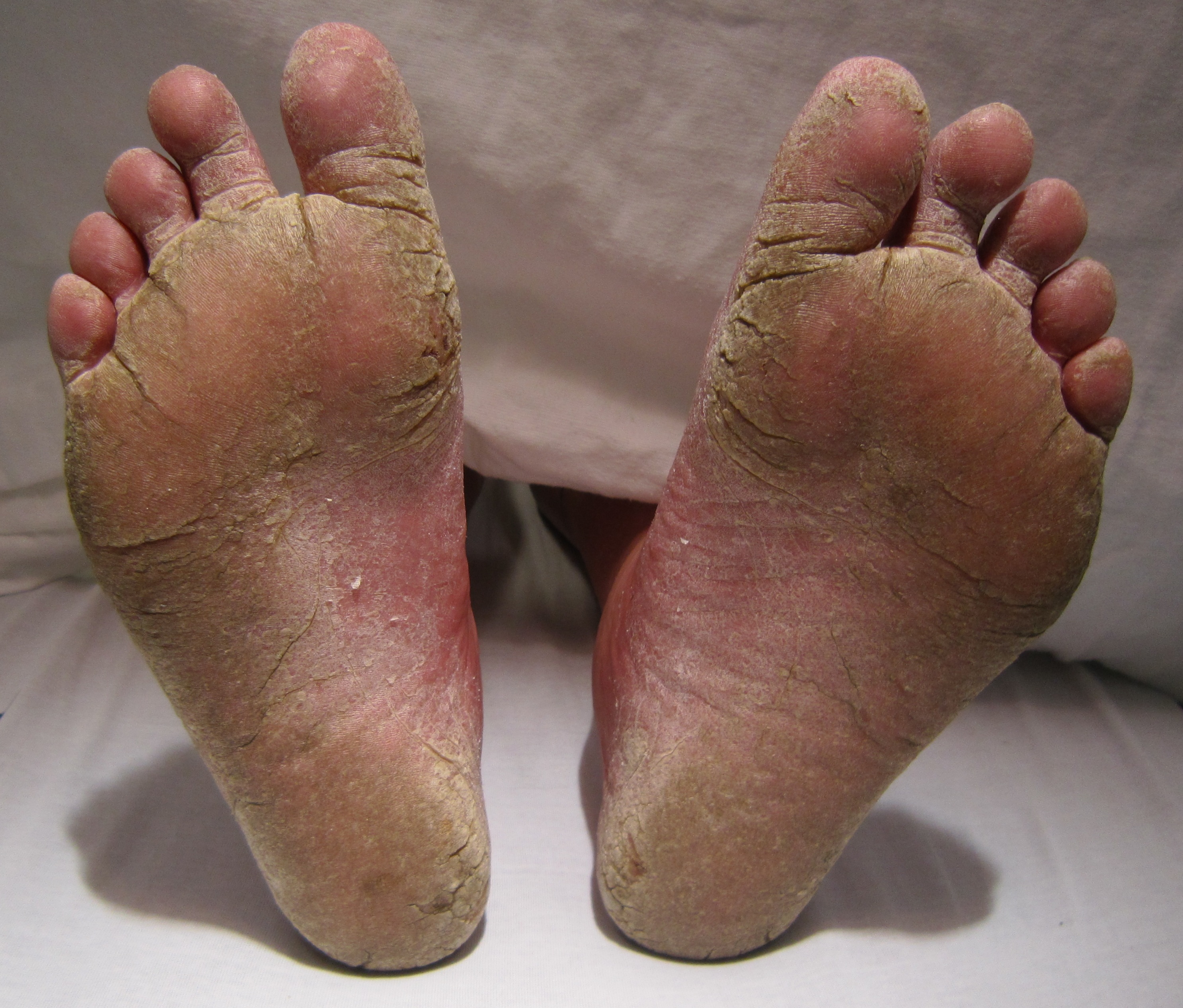
The most common culprit behind this condition is Trichophyton rubrum. This particular species of fungus is highly adaptive. It prefers warm, damp environments, mirroring the internal conditions of the human foot when encased in footwear for extended periods. When these spores land on susceptible skin, they secrete enzymes known as keratinases. These enzymes essentially digest the keratin, allowing the fungus to colonize the stratum corneum, the outermost layer of the epidermis.
Why the Foot Is a Prime Target
The foot is a unique biological environment. It is home to thousands of sweat glands—more per square inch than almost any other part of the human body. Because the foot is frequently enclosed in shoes and socks, the moisture generated by sweat cannot evaporate efficiently. This creates a high-humidity environment that acts as an incubator for fungal growth. Furthermore, the skin between the toes—the interdigital spaces—often traps moisture and debris, providing the ideal “server rack” for dermatophytes to establish a stable and thriving colony.
Environmental Triggers and Transmission Dynamics
Fungal infections are rarely spontaneous; they require a point of entry and an environmental catalyst. Athlete’s foot is highly contagious, spreading through direct contact with an infected person or, more commonly, through contact with contaminated surfaces. This is where the “network” aspect of the infection becomes apparent.
Communal Environments as Infection Nodes
Public facilities like swimming pools, locker rooms, saunas, and gym showers act as high-traffic hubs for fungal spores. Because dermatophytes can survive for long periods on damp surfaces, walking barefoot in these areas is the primary transmission route. If an infected individual walks across a pool deck, they shed microscopic skin scales containing fungal spores. The next person to step on that surface provides the perfect environment for these spores to latch onto, effectively “downloading” the infection onto their own feet.
The Impact of Footwear and Hygiene Protocols
Modern footwear design often inadvertently supports the life cycle of the fungus. Materials that lack breathability, such as synthetic rubbers or non-porous plastics, trap heat and moisture. By failing to regulate the internal climate of the shoe, these materials create a persistent state of maceration, where the skin becomes soft and broken. Once the skin barrier is compromised in this way, the “security firewall” of the body is down, making it significantly easier for fungi to penetrate and colonize.

Analyzing the Symptoms and Physiological Response
When an infection takes hold, the body initiates a series of symptomatic reactions. Recognizing these early signs is akin to monitoring system logs for anomalies. The physical manifestation of athlete’s foot is the result of the body’s immune system attempting to flush out the invader, combined with the inflammatory byproducts of the fungal colonization.
Inflammatory Cascades
The body’s primary defense mechanism against dermatophytes is inflammation. As the immune system detects the presence of the fungus and its metabolic waste products, it triggers an inflammatory response. This leads to the classic symptoms: itching, burning, and redness. In more advanced stages, the skin may begin to crack, peel, or form blisters. These fissures are particularly problematic, as they represent a secondary security vulnerability; they allow bacteria to enter, which can lead to secondary cellulitis—a more serious bacterial infection that requires medical intervention.
Variant Patterns of Infection
Athlete’s foot is not a monolithic condition; it presents in different “versions” based on how the fungus manifests on the skin:
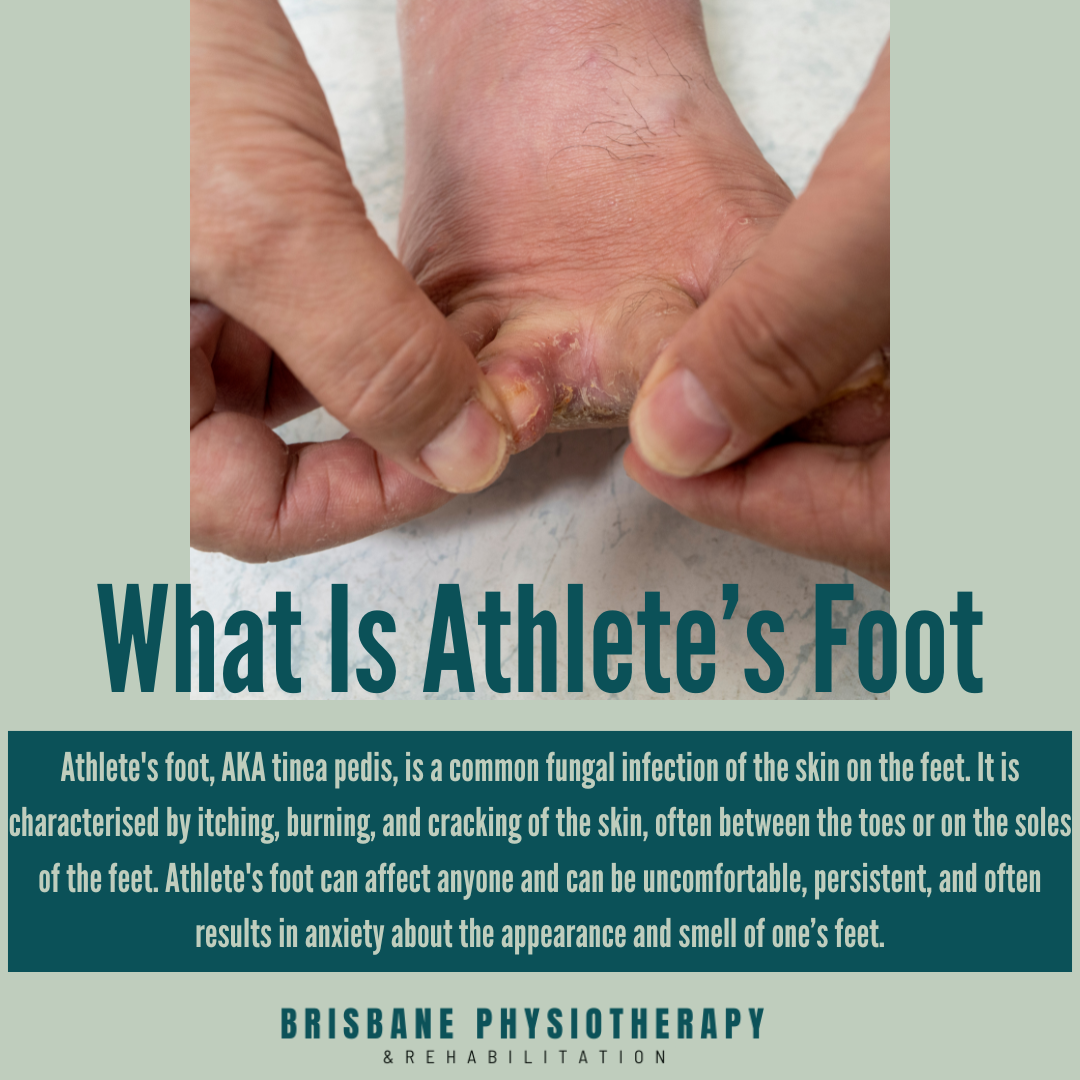
- Interdigital: The most common form, typically appearing between the fourth and fifth toes. It presents as white, soggy, and peeling skin.
- Moccasin-type: This variant causes chronic dryness and scaling on the soles of the feet, often extending up the sides. It is frequently mistaken for dry skin or eczema, which allows the infection to persist undetected.
- Vesicular: This is characterized by the sudden appearance of fluid-filled blisters, usually on the instep or bottom of the foot. It is an intense reaction that signals a highly active fungal presence.
Prevention and Long-Term Mitigation Strategies
Mitigating the risk of athlete’s foot requires a shift in how one approaches foot hygiene and environmental exposure. By implementing a proactive “patching” strategy, individuals can significantly reduce the likelihood of contracting or spreading the infection.
Hardware Upgrades: Footwear Selection
The most effective way to prevent fungal colonization is to manage the environment. Switching to moisture-wicking socks—ideally those made from synthetic blends or merino wool rather than cotton, which retains moisture—is essential. Furthermore, rotating shoes is a critical practice. Allowing footwear to air out for at least 24 hours ensures that the moisture trapped within the soles has a chance to evaporate, breaking the fungal growth cycle.
Establishing Protective Barriers
In high-risk environments, such as public gyms or communal showers, the best defense is a physical barrier. Utilizing flip-flops or shower shoes is the most efficient way to isolate the skin from contaminated surfaces. Furthermore, maintaining the skin’s integrity is paramount. If the skin is kept dry and free of excessive maceration, it remains a robust barrier that is difficult for dermatophytes to penetrate.
When to Seek Professional Intervention
While over-the-counter antifungal treatments—typically creams, sprays, or powders containing terbinafine or clotrimazole—are highly effective at disrupting the fungal cell membrane, some infections prove resistant. When an infection fails to respond to standard “reboot” protocols, it is necessary to consult a healthcare professional. In some cases, oral antifungals or prescription-strength topicals are required to clear the infection. Ignoring a persistent case of athlete’s foot can lead to it spreading to other parts of the body, such as the nails (onychomycosis) or the groin (jock itch).
Conclusion: A Proactive Approach to Dermatological Health
Athlete’s foot serves as a reminder that our bodies are constantly interacting with the microbial world. Because the fungi that cause this condition are ubiquitous, the goal is not to eliminate them entirely, but to manage our interactions with them through informed environmental control. By understanding the biological catalysts—moisture, heat, and fungal spores—and applying systematic preventive measures, we can maintain the integrity of our personal “hardware” and ensure the long-term health of our skin. Keeping the feet dry, selecting breathable materials, and maintaining caution in communal spaces are not just habits; they are essential security protocols for maintaining personal wellness.
aViewFromTheCave is a participant in the Amazon Services LLC Associates Program, an affiliate advertising program designed to provide a means for sites to earn advertising fees by advertising and linking to Amazon.com. Amazon, the Amazon logo, AmazonSupply, and the AmazonSupply logo are trademarks of Amazon.com, Inc. or its affiliates. As an Amazon Associate we earn affiliate commissions from qualifying purchases.