
The intersection of pharmacology and technology has ushered in a new era of proactive healthcare. Historically, understanding the side effects of pharmaceuticals—such as which medications cause yeast infections—relied on slow, manual reporting and retrospective clinical studies. Today, the landscape is shifting. Through the integration of Big Data, artificial intelligence (AI), and sophisticated software ecosystems, the medical technology (MedTech) sector is revolutionizing how we identify, track, and mitigate adverse drug reactions (ADRs).
As we delve into the digital architecture of modern medicine, we see that identifying the culprit behind a secondary infection is no longer just a biological question; it is a data science challenge. This article explores the technological trends, AI tools, and digital security measures currently being utilized to map the complex relationship between various medications and the development of yeast infections.
Predictive Analytics and AI in Identifying Adverse Drug Reactions
The pharmaceutical industry has long struggled with “Post-Market Surveillance.” Once a drug is approved by regulatory bodies, monitoring its effects on millions of diverse users is a monumental task. This is where AI and machine learning (ML) models have become indispensable.
Machine Learning and the Mapping of the Microbiome
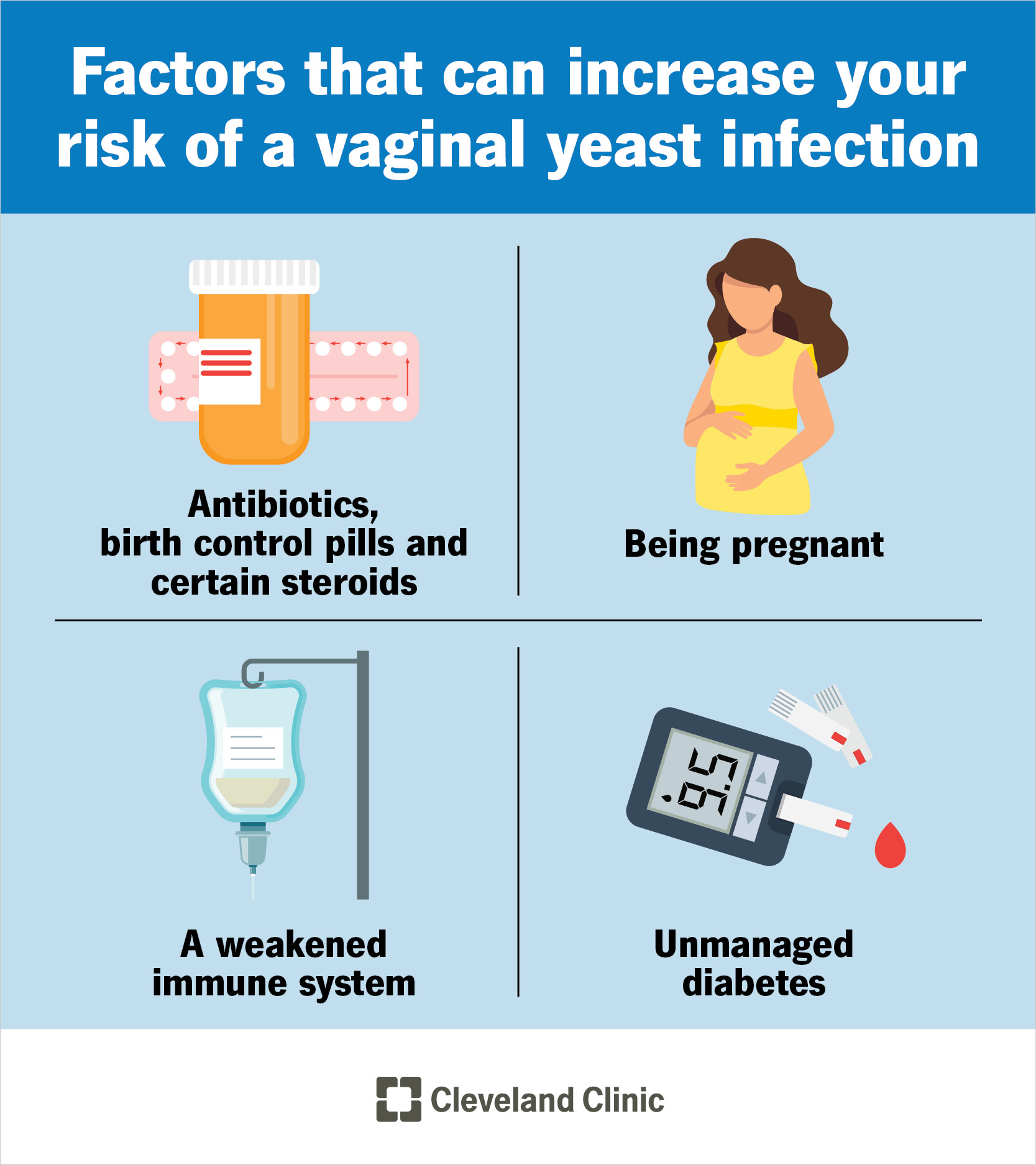
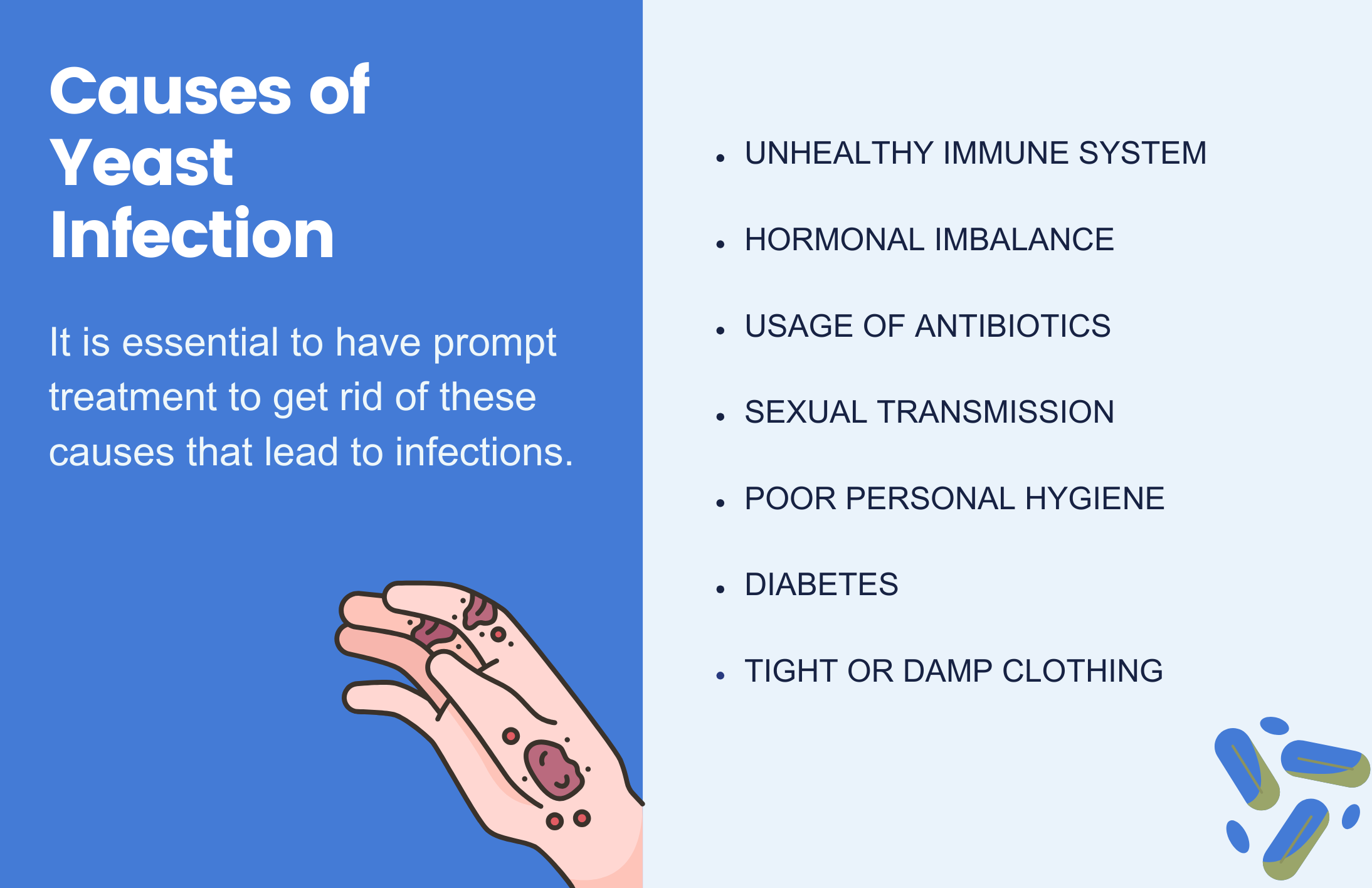
One of the most significant breakthroughs in recent years is the use of ML to predict how specific chemical compounds interact with the human microbiome. Yeast infections (Candidiasis) are often the result of an imbalance in the body’s natural flora, frequently triggered by antibiotics or hormonal medications.
Sophisticated algorithms are now capable of analyzing chemical structures to predict which medications are most likely to decimate beneficial bacteria like Lactobacillus. By processing vast datasets of molecular interactions, AI tools can flag a new drug candidate as a high risk for causing yeast infections long before it reaches the human trial phase. This proactive identification is a cornerstone of modern “In-Silico” pharmacology, where digital simulations replace or augment traditional lab work.
Big Data and Post-Market Surveillance (PMS)
Beyond the laboratory, AI-driven software is used to scan global health databases, such as the FDA’s Adverse Event Reporting System (FAERS). These systems use Natural Language Processing (NLP) to parse through hundreds of thousands of doctor notes, patient forums, and clinical reports to find correlations.
For instance, while a drug might be marketed as a treatment for skin conditions, AI can detect a statistically significant uptick in prescriptions for anti-fungal treatments among the same patient demographic. By identifying these “hidden” patterns, health-tech platforms can alert providers that a specific medication has a high correlation with yeast infections, even if that side effect was not a primary focus during initial clinical trials.
The Role of Wearables and Symptom-Tracking Apps
The rise of “FemTech” (Female Technology) and general health-monitoring apps has provided a wealth of granular data that was previously inaccessible to researchers. These digital tools empower users to track their physiological changes in real-time, creating a feedback loop that benefits the entire medical community.
Real-Time Data Collection and User Correlation
Mobile applications designed for period tracking and general wellness often include features for logging symptoms such as itching, discharge, or discomfort. When cross-referenced with medication logs—such as a user noting they have started a course of broad-spectrum antibiotics or a specific oral contraceptive—these apps become powerful diagnostic allies.
The software uses correlation algorithms to show the user (and, if shared, their physician) the direct timeline between a new medication and the onset of a yeast infection. This data-driven approach removes the guesswork from traditional diagnosis, providing a chronological map of side effects that can lead to faster adjustments in treatment plans.
Bridging the Gap Between Patient and Provider
Modern Telehealth platforms are integrating this app-generated data into Electronic Health Records (EHR). When a patient logs a recurring issue following a specific medication, the software can trigger an automated alert to the healthcare provider. This seamless integration of personal health tech and professional medical software ensures that “minor” side effects like yeast infections are not overlooked but are instead managed as part of a comprehensive digital health strategy.

Precision Medicine and Genomic Sequencing Tech
One of the most exciting trends in technology today is the shift toward “Precision Medicine”—the idea that medical treatment should be tailored to the individual’s genetic makeup. This is particularly relevant when determining why certain medications cause yeast infections in some patients but not others.
Genomic Sequencing and Risk Assessment
High-throughput sequencing technology allows scientists to map a patient’s genetic predisposition to certain side effects. Some individuals have genetic markers that make their immune systems or mucosal barriers more susceptible to Candida overgrowth when exposed to certain stimulants, such as corticosteroids or high-estrogen birth control.
Cloud-based genomic platforms can process these massive genetic files, comparing them against known pharmacological databases. For a clinician, this means using software to “test” a medication on a patient’s digital genetic profile before writing the actual prescription. If the software identifies a high risk for yeast infections, the doctor can opt for an alternative medication or a concurrent preventative treatment.
Precision Prescribing Software
New software tools are being integrated into the prescribing process to act as a “safety net.” These tools utilize AI to analyze a patient’s entire health history, current medications, and genetic data to provide a risk score for various side effects. If a physician attempts to prescribe a medication known to cause yeast infections to a high-risk patient, the software provides an instant recommendation for a lower-risk alternative or a proactive probiotic regimen. This level of automated, intelligent oversight is drastically reducing the incidence of preventable medication-induced complications.
Cybersecurity and Data Privacy in Health-Tech
As we move more medical data into the cloud and rely on AI for diagnosis, the importance of digital security cannot be overstated. Health data is among the most sensitive information a person possesses, and the logs detailing medication use and subsequent infections are highly private.
Protecting Sensitive Patient Information
The technology used to track medications and yeast infections must adhere to strict regulatory standards, such as HIPAA in the United States or GDPR in the Europe Union. This involves end-to-end encryption for all data transmitted from wearables to EHRs.
Blockchain technology is also being explored as a method for securing health data. By creating a decentralized and immutable ledger of a patient’s medication history and side effects, blockchain ensures that the data is both accessible to authorized providers and protected from unauthorized alterations or breaches. This tech ensures that a patient’s history with medication-induced yeast infections remains confidential while still being useful for their treatment.
Ethical Considerations in AI Diagnosis
As AI tools become more involved in deciding which medications a patient should take, ethical “black box” issues arise. It is vital that the software used to identify drug-induced yeast infections is transparent and free from bias. Tech companies are currently focusing on “Explainable AI” (XAI), which ensures that when an algorithm flags a medication as a risk, it can provide a clear, human-readable reason for that flag based on clinical data. This transparency is crucial for maintaining trust between the digital tool, the physician, and the patient.
The Future of Digital Health Ecosystems
The ultimate goal of using technology to identify medications that cause yeast infections is the creation of a “Learning Health System.” This is an ecosystem where every data point—from a molecular simulation to a patient’s app log—contributes to a global understanding of medication safety.
From Diagnosis to Treatment Optimization
Future iterations of health-tech will not only identify which medications cause yeast infections but will also use predictive modeling to optimize the recovery process. Digital twins—virtual models of a patient’s biological systems—will allow doctors to simulate how a patient will react to an anti-fungal treatment in real-time, ensuring the fastest possible resolution.
The Integration of Telehealth and Remote Monitoring
As remote patient monitoring (RPM) technology advances, the management of medication side effects will move further out of the clinic and into the home. Advanced sensors and AI-driven chatbots can provide immediate guidance to patients experiencing symptoms, identifying the likely culprit medication and facilitating a virtual consultation within minutes.
In conclusion, while the question of “what medications cause yeast infections” is biological at its core, the answers are increasingly being found in the world of technology. Through AI-driven analytics, genomic sequencing, and robust health-tracking software, the MedTech industry is providing the tools necessary to predict, identify, and manage these common but frustrating side effects. As these technologies continue to evolve, the focus will remain on personalizing care, securing patient data, and leveraging the power of the digital age to ensure that every prescription is as safe and effective as possible.
aViewFromTheCave is a participant in the Amazon Services LLC Associates Program, an affiliate advertising program designed to provide a means for sites to earn advertising fees by advertising and linking to Amazon.com. Amazon, the Amazon logo, AmazonSupply, and the AmazonSupply logo are trademarks of Amazon.com, Inc. or its affiliates. As an Amazon Associate we earn affiliate commissions from qualifying purchases.