
Food safety is a critical concern for consumers, businesses, and public health authorities worldwide. At the heart of this concern lies a fundamental concept: the “danger zone” for food temperature. This specific range allows harmful microorganisms to multiply rapidly, turning potentially safe food into a health hazard. While understanding this zone has traditionally relied on manual vigilance and thermometers, the modern era has ushered in a revolution. Technology, in its myriad forms—from smart sensors to AI and blockchain—is now indispensable in monitoring, preventing, and mitigating the risks associated with the food danger zone, transforming how we ensure culinary safety from farm to fork.
Understanding the Peril: The Food Danger Zone Explained
Before delving into technological solutions, it’s crucial to grasp the scientific basis of the food danger zone. This foundational knowledge informs every technological intervention aimed at preventing foodborne illness.
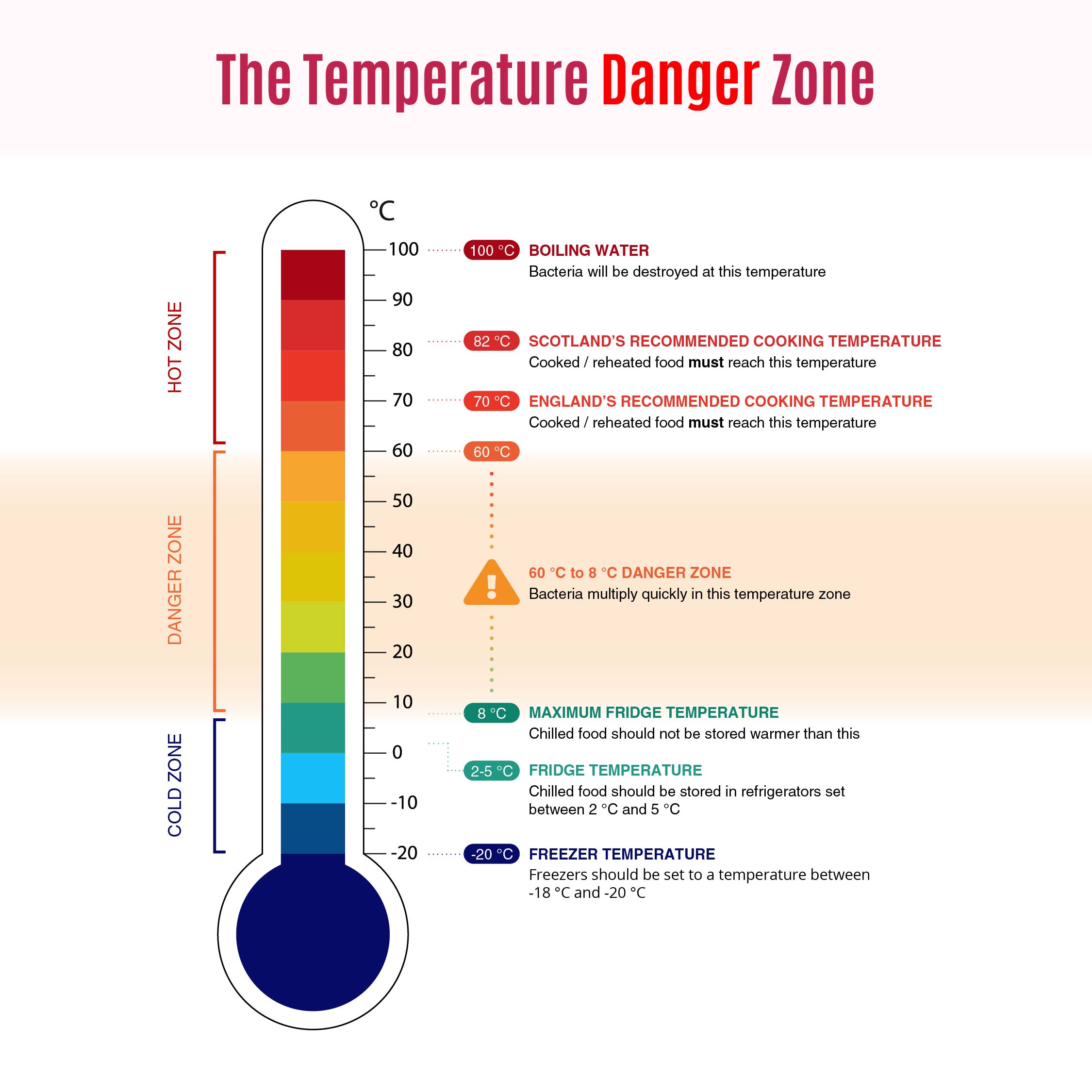
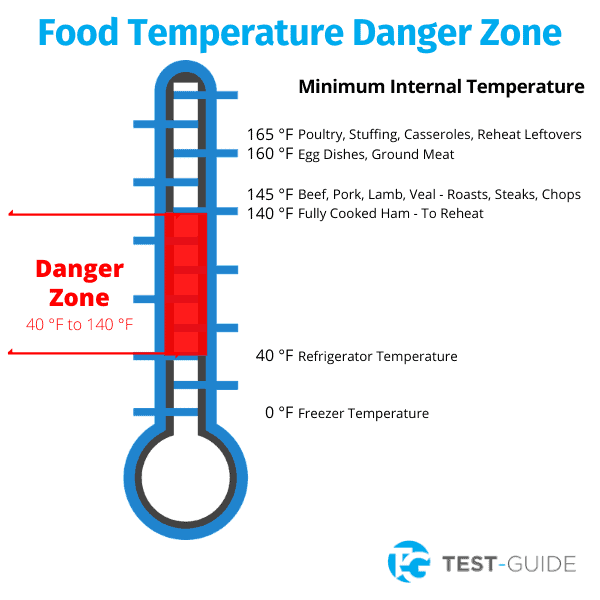
Defining the Temperature Range
The food danger zone is typically defined as temperatures between 40°F (4.4°C) and 140°F (60°C). This range is considered perilous because it provides the ideal environment for the rapid growth of pathogenic bacteria, such as Salmonella, E. coli, Listeria, and Staphylococcus aureus, as well as toxin production. Outside this range, bacterial growth is either slowed significantly (below 40°F/4.4°C) or actively killed (above 140°F/60°C). The longer food remains in this zone, the higher the risk of microbial proliferation to unsafe levels, making it unfit for consumption and a potential source of foodborne illness.
Why Microbes Thrive in the Danger Zone
Microorganisms, like all living things, have optimal conditions for growth. For most foodborne pathogens, these conditions include moisture, nutrients (which food provides in abundance), and a specific temperature range. The danger zone provides this precise temperature sweet spot where enzymatic reactions within bacteria occur most efficiently, leading to exponential reproduction. A single bacterium can multiply into millions within a few hours if conditions are ideal. This rapid multiplication is what makes food spoilage and contamination such a serious threat, often without visible signs or off-odors, making the food seem safe even when it isn’t.
Common Misconceptions and Risks
Despite widespread awareness campaigns, several misconceptions persist. Many believe that simply reheating food will eliminate all hazards, but while cooking kills bacteria, some toxins produced by bacteria (e.g., Staphylococcus aureus) are heat-stable and can remain even after thorough reheating. Another common mistake is leaving food out for “just a little while,” not realizing that the two-hour rule (the maximum time food should be in the danger zone) is a critical threshold. The risks associated with neglecting the danger zone are severe, ranging from mild gastrointestinal distress to severe illness, hospitalization, and even death, especially in vulnerable populations like the elderly, young children, and immunocompromised individuals. This underscores the need for robust, often technologically-driven, food safety protocols.
The Technological Arsenal: Monitoring and Prevention
Modern technology offers an unparalleled suite of tools designed to monitor food temperatures with precision and prevent excursions into the danger zone, vastly improving upon traditional, manual methods.
Smart Thermometers and IoT Sensors: Real-time Vigilance
The evolution of thermometers from basic mercury-filled devices to sophisticated digital and smart variants has revolutionized temperature monitoring. Smart thermometers, often Bluetooth or Wi-Fi enabled, can be inserted into food and continuously transmit temperature data to a smartphone app or cloud-based platform. This allows chefs, home cooks, and food service professionals to monitor cooking or cooling processes remotely, receiving alerts if temperatures approach or enter the danger zone.
Beyond individual devices, Internet of Things (IoT) sensors are deployed extensively in commercial kitchens, refrigerators, freezers, and storage units. These always-on sensors continuously monitor ambient and internal food temperatures, automatically logging data and triggering alarms when predefined thresholds are breached. This real-time, automated monitoring reduces human error, provides an immutable record for compliance audits, and ensures immediate intervention, preventing potentially catastrophic food safety incidents. From tracking a refrigerator malfunction to ensuring a blast chiller is performing optimally, IoT provides an omnipresent digital guardian against temperature abuse.
Food Safety Apps and Digital Checklists: Streamlining Protocols
For businesses, maintaining consistent food safety protocols across multiple locations or shifts can be challenging. Dedicated food safety apps and digital checklist platforms have emerged as essential tools. These applications digitize traditional paper-based HACCP (Hazard Analysis and Critical Control Points) plans, guiding staff through critical temperature checks, sanitation procedures, and equipment calibrations. Employees can log data directly into the app using a tablet or smartphone, often integrating with smart thermometers for automated data entry.
These platforms offer several advantages: they ensure compliance by enforcing mandatory fields and task completion, provide instant visibility into operational adherence, and generate comprehensive reports for regulatory bodies. By standardizing procedures and offering real-time feedback, these apps significantly reduce the likelihood of food entering or remaining in the danger zone due to human oversight or inconsistent practices.
AI and Predictive Analytics: Proactive Risk Management
Moving beyond reactive monitoring, Artificial Intelligence (AI) and predictive analytics are transforming food safety into a proactive discipline. By analyzing vast datasets—including temperature logs, inventory levels, weather patterns, supplier performance, and even historical recall data—AI algorithms can identify patterns and predict potential food safety risks before they materialize.
For instance, an AI system in a large restaurant chain could analyze refrigeration unit performance data over time, anticipate a potential cooling failure, and recommend preventative maintenance before temperatures ever reach critical levels. In supply chain management, AI can predict areas of spoilage based on transit times, ambient conditions, and product type, allowing for rerouting or expedited delivery. This proactive approach not only prevents food from entering the danger zone but also optimizes inventory, reduces waste, and enhances overall operational efficiency, showcasing AI’s potential to fundamentally shift food safety from reactive to preventative.
Beyond the Kitchen: Tech’s Role in the Food Supply Chain
The journey of food from farm to plate is complex, involving multiple handoffs and diverse environments. Technology now provides unprecedented transparency and control throughout this intricate supply chain, mitigating danger zone risks at every stage.
Blockchain for Traceability and Transparency
One of the most significant challenges in food safety is traceability – knowing exactly where food products have come from, where they’ve been, and what conditions they’ve experienced. Blockchain technology offers a revolutionary solution. By creating an immutable, distributed ledger, blockchain can record every step of a food product’s journey: from harvest date and location, processing facility, temperature logs during transport, to retail shelf life.
Each transaction and data point is timestamped and cryptographically linked, making it impossible to alter or falsify. In the event of a food safety incident, such as contamination or a temperature excursion, blockchain allows for rapid identification of the source, enabling targeted recalls and minimizing public health risks. This unparalleled transparency empowers consumers to make informed choices and holds every participant in the supply chain accountable for maintaining optimal conditions, including staying out of the danger zone.

Smart Packaging and Spoilage Indicators
Traditional “best by” or “use by” dates are often based on conservative estimates and don’t account for real-world storage conditions. Smart packaging is changing this. These innovative materials incorporate tiny sensors, indicators, or RFID tags that can directly monitor the condition of the food product inside.
Some smart packaging includes time-temperature indicators (TTIs), which are small labels that visibly change color or pattern if the food has been exposed to temperatures above a certain threshold (e.g., entering the danger zone) for too long. Other advanced packaging might use gas sensors to detect spoilage gases or pH sensors to indicate bacterial growth. This technology provides a dynamic, real-time assessment of food quality and safety, allowing consumers and retailers to make more accurate decisions about freshness, rather than relying solely on static dates, significantly reducing the risk of consuming food that has been compromised by temperature abuse.
Automated Cold Chain Management
Maintaining a consistent cold chain – the uninterrupted series of refrigerated production, storage, and distribution activities – is paramount for perishable foods. Automated cold chain management systems leverage IoT sensors, GPS tracking, and telematics to continuously monitor the temperature and humidity of refrigerated trucks, shipping containers, and warehouses.
These systems provide live data feeds, sending automatic alerts to logistics managers if temperatures deviate from safe parameters. This allows for immediate intervention, such as re-routing a shipment, adjusting refrigeration settings, or initiating quality checks. The data collected also provides valuable insights for optimizing routes, identifying problem areas, and proving compliance with strict temperature regulations. By ensuring that food never lingers in the danger zone during transit or storage, automated cold chain management is a cornerstone of global food safety infrastructure.
Empowering Consumers: Home Food Safety Tech
While much of the high-tech innovation focuses on commercial and industrial applications, technology is increasingly making its way into the average consumer’s kitchen, providing tools to prevent danger zone mishaps at home.
Smart Refrigerators and Pantry Systems
The advent of smart refrigerators goes beyond convenience. Many models now include internal temperature sensors that can alert homeowners via a smartphone app if the door is left ajar or if the internal temperature rises above a safe threshold. Some even feature internal cameras to help monitor food spoilage visually or to track inventory, reducing food waste by reminding users to consume items before they expire.
Beyond the fridge, smart pantry systems are emerging that use sensors to monitor the environment for non-refrigerated items, providing alerts for optimal storage conditions and helping manage shelf life. While these technologies are still evolving, they represent a significant step towards a more intelligent and safer home food environment, helping prevent accidental temperature abuse.
Personal Food Safety Assistants (Apps)
For the home cook, a range of personal food safety assistant apps offers invaluable guidance. These apps can track cooking and cooling times, provide temperature charts for various foods, and remind users of critical food safety rules like the “two-hour rule” for leaving food out. Some even integrate with smart thermometers to log cooking temperatures directly.
These digital assistants simplify complex food safety guidelines into actionable steps, helping consumers confidently prepare and store food safely. By providing instant access to reliable information and proactive reminders, these apps empower individuals to avoid common pitfalls that can lead to food entering the danger zone.
Sous Vide and Precision Cooking Tools
Sous vide devices are a prime example of how precision cooking technology directly addresses the danger zone. By cooking food in a precisely temperature-controlled water bath, sous vide ensures that food reaches and maintains a target internal temperature consistently and evenly, without overcooking. This method allows for pasteurization at lower temperatures over longer periods, safely eliminating pathogens while maintaining food quality.
Similarly, other precision cooking tools, such as smart ovens with integrated meat probes that communicate with apps, remove much of the guesswork from cooking. These tools ensure that food not only reaches a safe internal temperature but also avoids dwelling in the danger zone during the cooking process, providing both safety and culinary perfection.
The Future of Food Safety: Emerging Technologies
The rapid pace of technological innovation suggests an even more sophisticated future for food safety, further reducing the risks associated with the danger zone.
Robotics and Automation in Food Handling
The human element in food handling, while often skilled, introduces potential for contamination and temperature control errors. Robotics and automation are set to minimize these risks. Automated systems can precisely control cooking, cooling, and packaging processes, ensuring consistent adherence to temperature protocols. Robotic arms can handle food in sterile environments, reducing the risk of cross-contamination from human contact. In large-scale food production facilities, robots can manage refrigeration units, monitor temperatures, and even conduct sanitation tasks, operating with unwavering precision 24/7, thus significantly reducing the chances of food entering or dwelling in the danger zone due to human fatigue or oversight.
Advanced Sensor Technology
The next generation of sensors will be even smaller, more versatile, and capable of detecting not just temperature but a broader spectrum of food quality indicators. Nanotechnology-based sensors could detect specific pathogens or spoilage biomarkers at extremely low concentrations, providing earlier warnings than current methods. Edible sensors, integrated directly into food items or packaging, could offer real-time, non-invasive internal monitoring throughout the product’s life cycle. Imagine a chicken breast with an embedded, edible sensor that changes color if it’s been in the danger zone, or a drink with a tiny, dissolvable sensor that confirms its chilling status. These advancements promise a future where food safety monitoring is seamless, ubiquitous, and hyper-accurate.
Big Data and Global Health Surveillance
The aggregation and analysis of vast datasets—”Big Data”—from countless IoT sensors, blockchain ledgers, retail POS systems, and public health reports will create a powerful global network for food safety surveillance. AI and machine learning will be able to process this data to identify emerging threats, predict outbreaks, and track the spread of foodborne illnesses with unprecedented speed and accuracy. This global health surveillance system, powered by Big Data, could detect anomalies in temperature logs across continents, correlate them with reported illnesses, and trigger alerts long before traditional methods could. Such a comprehensive system would offer a truly proactive defense against foodborne dangers, making the danger zone a concept managed and mitigated on a global scale.
In conclusion, the food danger zone, a critical scientific concept defining the temperatures at which food becomes unsafe, is being met head-on by an ever-expanding array of technological innovations. From the immediate vigilance provided by smart thermometers and IoT sensors to the transparency of blockchain, the predictive power of AI, and the precision of automated systems, technology is fundamentally reshaping food safety. By moving beyond manual checks to intelligent, integrated, and proactive systems, we are not just understanding the danger zone, but actively conquering it, ensuring safer food for everyone, everywhere.
aViewFromTheCave is a participant in the Amazon Services LLC Associates Program, an affiliate advertising program designed to provide a means for sites to earn advertising fees by advertising and linking to Amazon.com. Amazon, the Amazon logo, AmazonSupply, and the AmazonSupply logo are trademarks of Amazon.com, Inc. or its affiliates. As an Amazon Associate we earn affiliate commissions from qualifying purchases.