
Gout, a painful form of inflammatory arthritis, strikes with sudden, intense episodes of joint pain, swelling, redness, and tenderness, most commonly affecting the big toe. While the discomfort can be debilitating, modern medicine offers a range of effective treatments that can significantly reduce the frequency and severity of gout attacks and prevent long-term joint damage. Understanding the different classes of medications available, their mechanisms of action, and how they are prescribed is crucial for individuals seeking relief and managing this chronic condition. This article delves into the pharmaceutical strategies employed in gout management, offering insights into the “what” and “why” behind the medications.
Understanding Gout and Its Treatment Goals
Before exploring specific medications, it’s essential to grasp the underlying cause of gout and the primary objectives of treatment. Gout is characterized by hyperuricemia, a condition where there is an elevated level of uric acid in the blood. Uric acid is a waste product of purine metabolism, found in many foods. When uric acid levels are too high, it can crystallize into needle-like urate crystals, which deposit in joints and surrounding tissues, triggering the inflammatory response that causes gout attacks.
The overarching goals of gout medication are twofold:
- Acute Attack Management: To quickly reduce the pain and inflammation associated with a gout flare-up.
- Long-Term Urate-Lowering Therapy (ULT): To lower blood uric acid levels persistently, preventing future attacks and the formation of tophi (lumps of urate crystals under the skin) and kidney stones, and preserving joint health.
The choice of medication depends on several factors, including the severity and frequency of attacks, the individual’s overall health status, kidney function, and potential drug interactions.
Medications for Acute Gout Attacks
When a gout attack strikes, the immediate focus is on alleviating the intense pain and inflammation. Several classes of drugs are highly effective in providing rapid relief.
Nonsteroidal Anti-Inflammatory Drugs (NSAIDs)
NSAIDs are often the first line of defense for acute gout attacks due to their potent anti-inflammatory and analgesic properties. They work by inhibiting cyclooxygenase (COX) enzymes, which are involved in the production of prostaglandins, chemicals that contribute to inflammation and pain.
- Mechanism of Action: NSAIDs reduce the synthesis of prostaglandins, thereby decreasing inflammation, pain, and fever.
- Commonly Prescribed NSAIDs:
- Indomethacin: A potent NSAID that is very effective for gout but can have more side effects.
- Naproxen: A longer-acting NSAID that can be taken less frequently.
- Ibuprofen: A readily available over-the-counter NSAID, but higher doses are typically required for gout relief and are often prescription-strength.
- Dosage and Administration: Doses for acute gout are usually higher than those used for everyday pain relief. They are typically taken every few hours until the attack subsides, often for several days.
- Side Effects and Precautions: Common side effects include gastrointestinal upset, heartburn, nausea, and increased risk of stomach ulcers and bleeding. NSAIDs can also affect kidney function and increase blood pressure. They should be used with caution in individuals with a history of heart disease, kidney problems, or gastrointestinal issues. Long-term use, especially at high doses, is generally discouraged for gout management outside of acute flares.
Colchicine
Colchicine is a medication specifically used for gout and is derived from the autumn crocus plant. It has been a mainstay in gout treatment for centuries. While its exact mechanism of action in gout is complex, it primarily works by interfering with the inflammatory response triggered by urate crystals.
- Mechanism of Action: Colchicine inhibits the migration of white blood cells (neutrophils) to the inflamed joint and reduces the release of inflammatory mediators. It essentially “disarms” the inflammatory process without directly affecting uric acid levels.
- Dosage and Administration: Historically, colchicine was taken in larger doses, which often led to significant gastrointestinal side effects. Modern guidelines recommend a lower, fixed dose regimen taken early in an attack, often within the first 12-24 hours, for optimal efficacy and reduced side effects.
- Side Effects and Precautions: The most common side effects are gastrointestinal, including nausea, vomiting, and diarrhea. Muscle pain and weakness can also occur, particularly with higher doses or in individuals with kidney problems. Colchicine can interact with other medications, so it’s crucial to inform your doctor about all other drugs you are taking. It is generally not recommended for individuals with severe kidney or liver impairment.
Corticosteroids
Corticosteroids are powerful anti-inflammatory medications that can be administered orally, intravenously, or directly into the affected joint (intra-articular injection). They are particularly useful when NSAIDs or colchicine are not tolerated or are contraindicated.
- Mechanism of Action: Corticosteroids mimic the effects of cortisol, a hormone produced by the adrenal glands. They suppress the immune system and reduce inflammation by inhibiting the production of various inflammatory substances.
- Dosage and Administration:
- Oral Corticosteroids (e.g., Prednisone): Typically prescribed for a short course, often tapered down over several days to a week, to avoid withdrawal symptoms.
- Intra-articular Injections: A highly effective option for a single or few severely inflamed joints, providing rapid relief with minimal systemic side effects.
- Side Effects and Precautions: Oral corticosteroids can have a range of side effects, especially with longer courses or higher doses. These include increased blood sugar, elevated blood pressure, mood changes, fluid retention, and increased susceptibility to infections. Short-term use for acute gout is generally well-tolerated, but chronic use should be avoided. Intra-articular injections are generally safe but can cause temporary pain or irritation at the injection site, and there’s a small risk of infection.
Medications for Long-Term Gout Management (Urate-Lowering Therapy – ULT)
While managing acute attacks is essential, preventing future episodes and long-term complications requires addressing the underlying hyperuricemia. This is achieved through Urate-Lowering Therapy (ULT). The primary goal of ULT is to lower serum uric acid levels to below 6 mg/dL (or 360 µmol/L) and, for those with tophi, below 5 mg/dL (or 300 µmol/L).

Xanthine Oxidase Inhibitors (XOIs)
XOIs are the most commonly prescribed class of drugs for long-term gout management. They work by reducing the body’s production of uric acid.
- Mechanism of Action: These drugs inhibit the enzyme xanthine oxidase, which is responsible for the final two steps in the production of uric acid from purines. By blocking this enzyme, the body produces less uric acid.
- Commonly Prescribed XOIs:
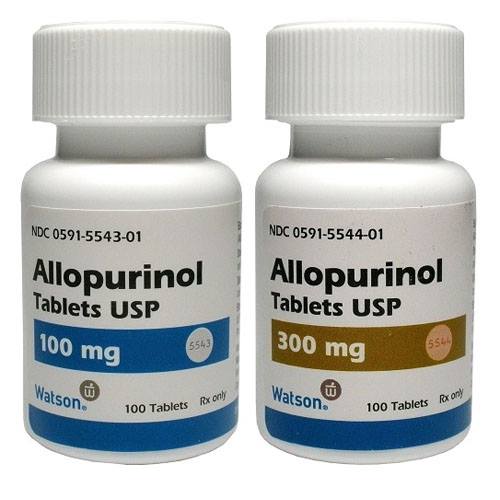
- Allopurinol: The most widely used XOI. It is available in various strengths and is generally well-tolerated.
- Febuxostat: A newer XOI that is also highly effective. It may be a good option for individuals who cannot tolerate allopurinol or in whom allopurinol is not sufficiently effective.
- Dosage and Administration: Doses are individualized based on uric acid levels and kidney function. Treatment is typically initiated at a low dose and gradually increased as needed. ULT is a lifelong therapy for most individuals. It is crucial to continue taking these medications even when feeling well to maintain target uric acid levels.
- Side Effects and Precautions:
- Allopurinol: Potential side effects include skin rash (which can, in rare cases, be severe, requiring immediate discontinuation), nausea, and diarrhea. A rare but serious side effect is allopurinol hypersensitivity syndrome, particularly in individuals with certain genetic predispositions (e.g., Han Chinese, Thai, Korean populations). Regular monitoring for rash is recommended.
- Febuxostat: Side effects can include liver enzyme elevations, nausea, and joint pain. It carries a black box warning regarding cardiovascular events, and its use should be carefully considered in patients with a history of cardiovascular disease.
Uricosuric Agents
Uricosuric agents work by increasing the kidneys’ ability to excrete uric acid, thereby lowering blood levels. They are generally used in individuals who cannot tolerate XOIs or when XOIs alone are not sufficient to reach target uric acid levels.
- Mechanism of Action: These medications block the reabsorption of uric acid in the renal tubules, leading to increased urinary excretion of uric acid.
- Commonly Prescribed Uricosuric Agents:
- Probenecid: The most common uricosuric agent.
- Lesinurad: A newer uricosuric agent that is often used in combination with an XOI.
- Dosage and Administration: Doses are adjusted to achieve the desired uric acid-lowering effect. It’s important to maintain adequate hydration when taking uricosuric agents to reduce the risk of kidney stones.
- Side Effects and Precautions: Side effects can include kidney stones (hence the importance of hydration), rash, and gastrointestinal upset. Uricosuric agents are generally not recommended for individuals with a history of kidney stones or impaired kidney function. They can also interact with other medications.
Pegloticase (Krystexxa)
Pegloticase is a more aggressive treatment reserved for severe, refractory gout that has not responded to other therapies. It is an enzyme that breaks down uric acid into a more water-soluble substance that can be easily excreted by the kidneys.
- Mechanism of Action: Pegloticase is a recombinant uricase enzyme. It catalyzes the oxidation of uric acid to allantoin, which is then readily excreted by the kidneys.
- Dosage and Administration: Administered intravenously, typically every two weeks.
- Side Effects and Precautions: The most significant concern with pegloticase is the potential for infusion reactions and the development of antibodies against the enzyme, which can reduce its effectiveness and increase the risk of allergic reactions. Patients are often premedicated with corticosteroids and antihistamines. Due to these risks, it is typically reserved for individuals with severe, chronic tophaceous gout.
Important Considerations in Gout Medication Management
Beyond understanding the individual medications, several overarching principles guide their effective use.
Combination Therapy and Treatment Strategy
In some cases, a combination of medications may be necessary to achieve optimal uric acid control. For instance, a uricosuric agent might be added to an XOI if target uric acid levels are not met. The treatment strategy is dynamic and often requires adjustments based on the patient’s response, uric acid levels, and the presence of other health conditions.
Lifestyle Modifications
It is crucial to emphasize that medications are not a sole solution for gout. Lifestyle modifications play a vital role in managing the condition and supporting medication effectiveness. These include:
- Dietary Changes: Limiting intake of purine-rich foods (e.g., red meat, organ meats, certain seafood) and alcohol, particularly beer.
- Hydration: Drinking plenty of water helps the kidneys flush out uric acid.
- Weight Management: Losing excess weight can significantly reduce uric acid levels.
- Avoiding Sugary Drinks: High-fructose corn syrup found in many sodas and juices can increase uric acid production.
Monitoring and Regular Check-ups
Regular monitoring of uric acid levels through blood tests is essential to assess the effectiveness of ULT and make necessary dosage adjustments. Your healthcare provider will also monitor for potential side effects and overall health status. Regular check-ups allow for a comprehensive assessment of gout management and timely intervention if needed.

Patient Education and Adherence
Understanding the prescribed medications, their purpose, dosage, potential side effects, and the importance of adherence is paramount. Patients who are well-informed and actively involved in their treatment are more likely to achieve better outcomes. Open communication with your doctor is key to addressing any concerns and ensuring the treatment plan remains effective.
In conclusion, the pharmaceutical approach to gout management is multifaceted, encompassing strategies for both acute symptom relief and long-term uric acid control. By understanding the different classes of medications, their mechanisms, and the importance of a comprehensive treatment plan that includes lifestyle modifications, individuals can effectively manage gout, reduce the frequency and severity of attacks, and preserve their joint health for years to come.
aViewFromTheCave is a participant in the Amazon Services LLC Associates Program, an affiliate advertising program designed to provide a means for sites to earn advertising fees by advertising and linking to Amazon.com. Amazon, the Amazon logo, AmazonSupply, and the AmazonSupply logo are trademarks of Amazon.com, Inc. or its affiliates. As an Amazon Associate we earn affiliate commissions from qualifying purchases.