
Dizziness, a common and often unsettling sensation, can manifest in various ways, from a fleeting lightheadedness to a more persistent spinning feeling known as vertigo. While often dismissed as a minor inconvenience, understanding its potential causes is crucial, especially as it can sometimes be an indicator of underlying health issues. This article delves into the multifaceted reasons behind dizziness, exploring its origins within the intricate systems of the human body and the external factors that can influence our sense of balance and spatial orientation. By dissecting the physiological, neurological, and environmental contributors, we aim to provide a comprehensive overview of what may cause dizziness, empowering individuals with knowledge to better understand and potentially address this pervasive symptom.
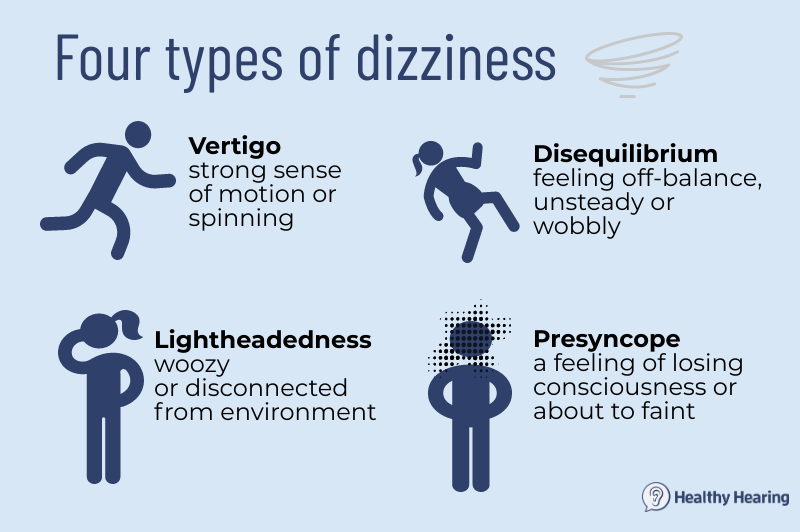
Vestibular System Disruptions: The Inner Ear’s Role in Balance
The vestibular system, primarily located within the inner ear, is the body’s sophisticated navigation center, responsible for maintaining balance and spatial awareness. When this delicate system is compromised, dizziness is often a primary consequence. Understanding the components of the vestibular system and how their malfunction can lead to dizziness is key to diagnosing and treating this symptom.
Benign Paroxysmal Positional Vertigo (BPPV)
One of the most common causes of vertigo, BPPV, arises from the displacement of tiny calcium carbonate crystals, known as otoconia, within the semicircular canals of the inner ear. These canals are filled with fluid and lined with sensory hair cells that detect head movements. When otoconia become dislodged and float into these canals, they can send false signals to the brain about the head’s position, particularly during changes in head orientation.
The Mechanics of Otoconia Displacement
The semicircular canals are arranged in three planes, mirroring the three dimensions of space. Each canal is responsible for detecting movement along its specific axis. In BPPV, the dislodged otoconia can move within a canal, causing the fluid within it to be displaced abnormally. This abnormal fluid movement stimulates the hair cells, leading to a sensation of spinning or vertigo that is typically brief but intense, and often triggered by specific head movements such as rolling over in bed, looking up, or bending down.
Diagnostic Maneuvers and Treatment Approaches
Diagnosing BPPV often involves specific positional tests, such as the Dix-Hallpike maneuver, where the physician rapidly moves the patient from a sitting position to lying down with the head extended and turned to one side. The presence of nystagmus, involuntary rapid eye movements, during this maneuver confirms the diagnosis. Treatment for BPPV primarily involves canalith repositioning procedures, such as the Epley maneuver, which are designed to guide the dislodged otoconia back into their proper location within the inner ear, thereby resolving the dizziness.
Labyrinthitis and Vestibular Neuritis
Labyrinthitis and vestibular neuritis are inflammatory conditions affecting the inner ear and vestibular nerve, respectively. While both can cause significant dizziness and vertigo, labyrinthitis also involves the auditory system, potentially leading to hearing loss and tinnitus.
Viral Infections as Primary Triggers
These conditions are often triggered by viral infections, though bacterial infections can also be implicated. Inflammation of the labyrinth (labyrinthitis) or the vestibular nerve (vestibular neuritis) disrupts the normal transmission of balance signals to the brain. The symptoms can be sudden and severe, including intense vertigo, nausea, vomiting, and a feeling of imbalance that can persist for days or even weeks.
Management and Recovery
Treatment typically focuses on managing symptoms, which may include anti-vertigo medications, anti-nausea drugs, and vestibular rehabilitation therapy to help the brain adapt to the altered balance signals. In many cases, symptoms gradually improve over time as the inflammation subsides and the vestibular system compensates.
Meniere’s Disease
Meniere’s disease is a chronic inner ear disorder characterized by a triad of symptoms: recurrent episodes of vertigo, fluctuating hearing loss, and tinnitus (ringing in the ears). The exact cause of Meniere’s disease is not fully understood, but it is thought to be related to an imbalance of fluid (endolymph) within the inner ear.
The Role of Endolymphatic Hydrops
The prevailing theory suggests that Meniere’s disease is caused by endolymphatic hydrops, an abnormal buildup of fluid in the labyrinth. This excess fluid can lead to increased pressure within the inner ear, disrupting the function of both the vestibular and auditory systems. Episodes of vertigo in Meniere’s disease can be severe and last for minutes to hours, often accompanied by a feeling of fullness in the ear and a temporary worsening of hearing.
Lifestyle Modifications and Medical Interventions
Management of Meniere’s disease often involves a combination of lifestyle modifications, such as dietary changes (low sodium intake) and stress management, along with medications to alleviate symptoms during attacks. In more severe cases, surgical interventions or injections into the middle ear may be considered.
Neurological and Cardiovascular Influences on Dizziness
Beyond the inner ear, the intricate network of the brain and the circulatory system plays a pivotal role in maintaining our sense of balance. Disruptions in these systems can also manifest as dizziness.
Migraine-Associated Vertigo
Migraines are not solely characterized by headaches; a significant percentage of individuals experience vestibular symptoms, including dizziness and vertigo, as part of their migraine episodes. This condition, known as vestibular migraine, can occur with or without a headache, making diagnosis challenging.
Vestibular Migraine: A Complex Phenomenon
The exact mechanisms linking migraines and vestibular symptoms are still being researched, but it is believed that similar pathways in the brain that trigger migraine pain may also influence the vestibular system. Triggers for vestibular migraines can include those common to regular migraines, such as certain foods, stress, or hormonal changes. The vertigo associated with vestibular migraine can range from mild unsteadiness to severe spinning sensations.
Treatment Strategies for Vestibular Migraine
Treatment for vestibular migraine often involves a multi-pronged approach, including acute medications to manage vertigo during an episode and preventive medications to reduce the frequency and severity of attacks. Lifestyle adjustments and trigger avoidance are also important components of management.
Stroke and Transient Ischemic Attack (TIA)
Dizziness, especially when accompanied by other neurological symptoms, can be a warning sign of a stroke or a transient ischemic attack (TIA). These conditions occur when blood flow to the brain is interrupted, affecting its ability to function properly, including maintaining balance.
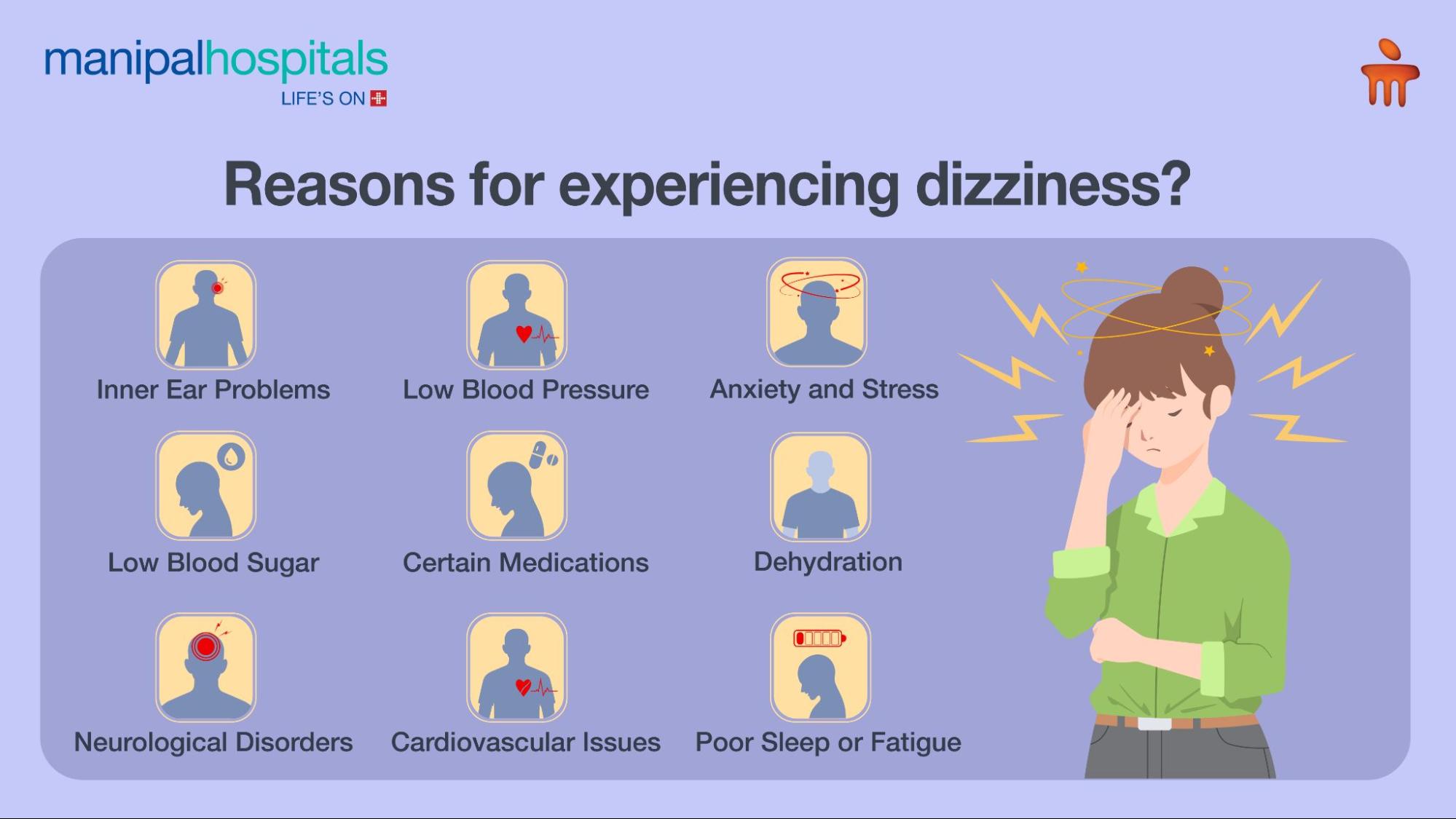
Identifying Red Flags for Stroke-Related Dizziness
Sudden onset of dizziness, particularly when combined with weakness or numbness on one side of the body, difficulty speaking, vision problems, or severe headache, warrants immediate medical attention. Unlike the spinning sensation of vertigo, dizziness from a stroke may feel more like unsteadiness or a feeling of being off-balance.
The Urgency of Medical Evaluation
Prompt medical evaluation is critical for stroke and TIA. Recognizing these symptoms and seeking emergency care can significantly improve outcomes and prevent long-term disability.
Cardiovascular Issues: Heart Conditions and Blood Pressure Fluctuations
The cardiovascular system is fundamental to delivering oxygenated blood to the brain, and any compromise in its function can lead to dizziness. Issues with heart rhythm, heart rate, and blood pressure can all impact the brain’s ability to receive adequate blood supply, resulting in lightheadedness.
Orthostatic Hypotension: Dizziness Upon Standing
Orthostatic hypotension, a sudden drop in blood pressure upon standing, is a common cause of dizziness, particularly in older adults. When transitioning from a seated or lying position to standing, gravity pulls blood towards the lower extremities. In individuals with orthostatic hypotension, the body’s normal compensatory mechanisms fail to adequately constrict blood vessels and increase heart rate to maintain blood pressure, leading to reduced blood flow to the brain and subsequent dizziness.
Arrhythmias and Other Heart Conditions
Irregular heart rhythms (arrhythmias) can also cause dizziness by affecting the heart’s ability to pump blood efficiently. Conditions such as atrial fibrillation or bradycardia (slow heart rate) can lead to periods of reduced cardiac output, resulting in a temporary lack of oxygen to the brain and dizziness.
Psychological and Environmental Factors Contributing to Dizziness
While often perceived as purely physical, dizziness can also be influenced by psychological states and external environmental factors, highlighting the complex interplay between mind and body.
Anxiety, Panic Attacks, and Stress
Psychological factors, particularly anxiety, panic attacks, and chronic stress, can significantly contribute to or even trigger sensations of dizziness. During periods of heightened anxiety, the body’s “fight or flight” response is activated, leading to physiological changes such as rapid breathing (hyperventilation), increased heart rate, and changes in blood flow.
Hyperventilation and Its Dizziness Effect
Hyperventilation, or breathing too rapidly and deeply, can lead to a decrease in carbon dioxide levels in the blood. This imbalance can cause a range of symptoms, including lightheadedness, tingling sensations, and even a feeling of unsteadiness. For individuals prone to anxiety, these physical sensations can then fuel further anxiety, creating a vicious cycle.
The Role of Somatization
In some cases, psychological distress can manifest as physical symptoms, a phenomenon known as somatization. Dizziness can be one of these somatized symptoms, where the individual experiences genuine physical sensations without an identifiable underlying organic cause.
Medications and Substance Use
A wide array of medications, as well as the use of alcohol and certain recreational drugs, can have dizziness as a side effect. This is because many substances can affect the central nervous system, the vestibular system, or blood pressure regulation.
Pharmaceutical Side Effects
Many prescription and over-the-counter medications, including those for high blood pressure, depression, epilepsy, and pain relief, can list dizziness as a common side effect. This is often due to their impact on neurotransmitters, blood vessel tone, or overall brain function. It is crucial for individuals experiencing dizziness after starting a new medication to consult their healthcare provider.
Alcohol and Drug-Induced Dizziness
Alcohol, in particular, is a well-known cause of dizziness due to its depressant effects on the central nervous system and its impact on the cerebellum, a brain region critical for coordination and balance. Similarly, the use of illicit drugs can also lead to significant dizziness and disorientation.
Environmental Factors and Lifestyle Choices
Certain environmental conditions and lifestyle choices can also predispose individuals to dizziness. These can include dehydration, lack of sleep, exposure to extreme temperatures, and prolonged periods in certain positions.
Dehydration and Blood Volume
When the body is dehydrated, blood volume decreases. This reduction in blood volume can lead to a drop in blood pressure and insufficient blood flow to the brain, resulting in lightheadedness. Ensuring adequate fluid intake, especially in hot weather or during physical exertion, is essential for maintaining proper hydration.
Postural Changes and Sensory Overload
Sudden changes in posture, as discussed with orthostatic hypotension, can induce dizziness. Additionally, prolonged exposure to certain environments, such as dimly lit or cluttered spaces, or engaging in activities that involve rapid visual scanning, can sometimes trigger a sense of disorientation or dizziness in susceptible individuals.

Conclusion: Navigating the Causes of Dizziness
Dizziness is a complex symptom with a broad spectrum of potential causes, ranging from easily treatable inner ear issues to more serious neurological or cardiovascular conditions. It is imperative to approach any persistent or concerning episodes of dizziness with a proactive mindset. Understanding the intricate interplay between the vestibular system, neurological pathways, cardiovascular health, and even psychological and environmental factors is crucial for accurate diagnosis and effective management.
The information presented here serves as a guide to the common origins of dizziness, emphasizing the importance of consulting with a healthcare professional for personalized assessment and care. By working collaboratively with medical experts, individuals can effectively navigate the complexities of dizziness, identify its root cause, and implement appropriate strategies to regain their sense of stability and well-being. Early detection and a thorough understanding of one’s health are the cornerstones of addressing dizziness and ensuring a higher quality of life.
aViewFromTheCave is a participant in the Amazon Services LLC Associates Program, an affiliate advertising program designed to provide a means for sites to earn advertising fees by advertising and linking to Amazon.com. Amazon, the Amazon logo, AmazonSupply, and the AmazonSupply logo are trademarks of Amazon.com, Inc. or its affiliates. As an Amazon Associate we earn affiliate commissions from qualifying purchases.