
In the modern corporate landscape, the question “what does diversity mean in the workplace?” has evolved far beyond a human resources checklist or a compliance requirement. For the contemporary brand, diversity represents a fundamental shift in identity, strategy, and market positioning. It is no longer just about who is sitting in the office chairs; it is about how those varied perspectives shape the brand’s voice, its creative output, and its resonance with a global audience.
When we examine diversity through the lens of brand strategy, we see that it is the bedrock of authenticity. In an era where consumers are more informed and socially conscious than ever, a brand’s internal commitment to diversity serves as a litmus test for its external integrity. This article explores how diversity functions as a cornerstone of corporate identity, a catalyst for creative marketing, and a shield for long-term reputation management.
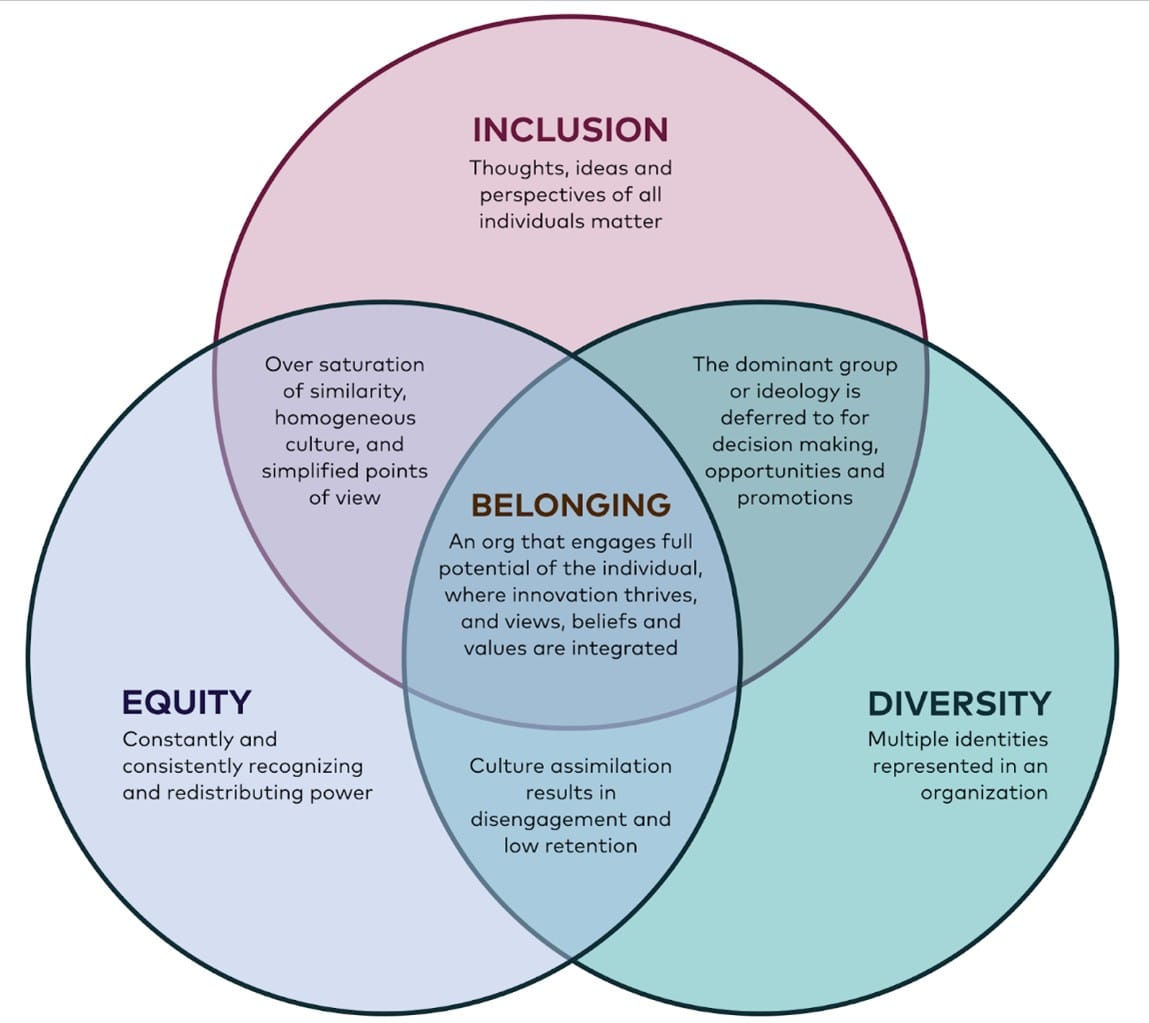
Diversity as the Foundation of Modern Brand Identity
For decades, brand identity was often a top-down construction—a set of logos, colors, and slogans designed to project a specific image. Today, however, a brand is defined by its values and its people. Diversity in the workplace is the most visible manifestation of a brand’s values, acting as a bridge between a company’s internal culture and its external reputation.
Shifting from Corporate Statements to Authentic Representation
In the past, many brands felt that a generic statement supporting equality was sufficient to satisfy the public’s expectations. However, the rise of the “authentic brand” has made such platitudes obsolete. Today’s consumers can see through performative diversity. If a brand’s marketing materials feature a diverse cast of models while its executive leadership team remains monolithic, the brand risks a “disconnect” that can lead to a loss of trust.
Authentic representation means that the diversity seen in the marketplace is a direct reflection of the diversity within the company’s walls. When a workplace is truly diverse, the brand identity is built on a foundation of genuine experience rather than curated optics. This internal reality informs everything from the tone of voice in social media posts to the way a company handles crisis communication, ensuring that the brand’s “personality” feels consistent and real.
The Intersection of Employer Branding and Internal Culture
Employer branding—the way a company markets itself to potential talent—is now inextricably linked to its consumer brand. Top-tier talent, particularly from younger generations, seeks out workplaces where diversity is prioritized. By fostering an inclusive environment, a brand attracts a wider pool of innovators, thinkers, and creators.
This internal culture then becomes a powerful marketing tool. When employees feel that their unique backgrounds are valued, they become natural brand advocates. A workplace that understands diversity as a strategy for empowerment creates a ripple effect: happy, diverse employees lead to innovative products, which lead to a brand that resonates with a wider variety of customers. In this way, diversity is not just an ethical choice; it is a strategic investment in the brand’s human capital.
The Strategic Advantage of Diverse Perspectives in Creative Marketing
From a brand strategy perspective, diversity is a powerful engine for innovation. The “groupthink” that often plagues homogeneous teams is the enemy of breakthrough marketing. When a team is composed of individuals with different cultural backgrounds, life experiences, and viewpoints, the creative output is inherently more robust and nuanced.
Avoiding Cultural Blind Spots in Brand Campaigns
The history of marketing is littered with brands that have faced massive backlash due to “tone-deaf” advertising. These blunders—ranging from culturally insensitive imagery to misunderstood historical references—almost always occur when the room where decisions are made lacks diversity.
What diversity means in the workplace, practically speaking, is having a “built-in” system of checks and balances. A diverse creative team can identify potential pitfalls long before a campaign goes live. They bring a level of cultural intelligence that cannot be replicated by data alone. By integrating diverse perspectives into the strategy phase, brands can avoid costly PR disasters and instead create content that feels respectful and inclusive to all segments of their audience.
Tapping into Global Markets through Localized Insights
As brands look to expand internationally, diversity becomes a vital component of market entry strategy. A brand cannot successfully move into a new geographical or demographic market by simply translating its existing message. It requires a deep understanding of local nuances, traditions, and consumer psychology.
Diverse workplaces provide companies with a wealth of “insider” knowledge. Whether it is understanding the nuances of a specific holiday or the subtle connotations of certain colors and symbols, diverse teams allow brands to localize their identity effectively. This creates a brand that feels like a “neighbor” rather than a “foreigner,” fostering deeper loyalty and higher conversion rates across different global segments.
Measuring the Brand Impact of Diversity and Inclusion
In the world of brand strategy, what gets measured gets managed. Increasingly, the success of a brand is being measured by its Social and Governance (ESG) scores, of which diversity and inclusion are primary components. Investors, partners, and consumers are now looking at diversity metrics as indicators of a brand’s long-term health and stability.
The Rise of the Socially Conscious Consumer
We are currently witnessing the greatest transfer of wealth in history to Millennials and Gen Z—generations that prioritize social responsibility when making purchasing decisions. For these consumers, a brand’s stance on diversity is a key differentiator. They are not just buying a product; they are “voting” with their wallets for the kind of world they want to live in.
Brands that fail to prioritize diversity in the workplace risk alienating this massive and growing demographic. Conversely, brands that lead with inclusivity often see a “brand lift” that translates into higher customer lifetime value. Diversity, therefore, becomes a key performance indicator (KPI) for brand relevance. If a brand does not reflect the diversity of the world it inhabits, it risks becoming obsolete in the eyes of the modern consumer.
Long-term Reputation Management and Crisis Prevention
Reputation is a brand’s most valuable intangible asset. In the age of social media, a brand’s reputation can be dismantled in hours. Companies that lack a diverse workforce are often slower to respond to social shifts and more likely to make errors that lead to “cancel culture” scenarios.
By embedding diversity into the corporate identity, a brand builds “reputational equity.” When a company is known for its genuine commitment to inclusivity, it earns a level of goodwill that can act as a buffer during challenging times. Furthermore, a diverse leadership team provides a broader range of solutions during a crisis, allowing the brand to navigate complex social issues with empathy and intelligence rather than defensiveness.
Implementing a Diversity-First Brand Strategy
Understanding what diversity means in the workplace is the first step; the second is integrating that understanding into the very fabric of the brand strategy. This requires a move away from “siloed” diversity initiatives and toward a holistic approach where inclusivity informs every touchpoint of the brand experience.
Beyond the HR Checklist: Integrating Diversity into Brand Voice
To truly leverage diversity as a brand asset, it must be integrated into the brand’s “Voice and Tone” guidelines. This involves more than just using inclusive language; it involves ensuring that the brand’s storytelling is inclusive by design.
A diversity-first brand strategy asks: Whose stories are we telling? Who is the “hero” of our brand narrative? When a brand consistently highlights diverse voices—whether through its own employees, its influencers, or its customer success stories—it creates a brand voice that is multifaceted and welcoming. This inclusivity becomes a signature part of the brand’s identity, making it stand out in a crowded marketplace of “one-size-fits-all” messaging.
Fostering Brand Advocacy through Inclusive Leadership
Finally, the most successful brand strategies are those that are led from the top. When executive leadership reflects diversity, it sends a powerful message to both the workforce and the market. It demonstrates that the brand is committed to progress at every level.
Inclusive leadership ensures that diversity is not just a “project” but a permanent part of the brand’s DNA. These leaders are better equipped to mentor a diverse workforce, foster an environment of psychological safety, and drive a brand strategy that is both innovative and ethical. Ultimately, a brand that embraces diversity in its workplace is a brand that is better prepared for the future—a brand that is more creative, more resilient, and more deeply connected to the people it serves.
aViewFromTheCave is a participant in the Amazon Services LLC Associates Program, an affiliate advertising program designed to provide a means for sites to earn advertising fees by advertising and linking to Amazon.com. Amazon, the Amazon logo, AmazonSupply, and the AmazonSupply logo are trademarks of Amazon.com, Inc. or its affiliates. As an Amazon Associate we earn affiliate commissions from qualifying purchases.