
In the world of corporate identity and brand strategy, a “square” is rarely just a four-sided polygon with equal angles. When we ask, “What makes a square a square?” in a professional context, we are peeling back the layers of one of the most successful brand evolutions in the 21st century. Whether referring to the physical card reader that revolutionized small business payments or the broader philosophy of stability, equality, and simplicity, the “Square” identity represents a masterclass in brand positioning.
To understand what makes this identity resonate, we must look beyond the geometry and into the strategic decisions that transform a simple shape into a global symbol of trust, innovation, and community. A brand is not merely a logo; it is a promise kept. In the case of Square—now pivoting into the broader ecosystem of Block—the “squareness” of the brand is defined by its commitment to accessibility and its relentless pursuit of design-led problem solving.
The Geometry of Trust: Why Visual Consistency Defines a Brand
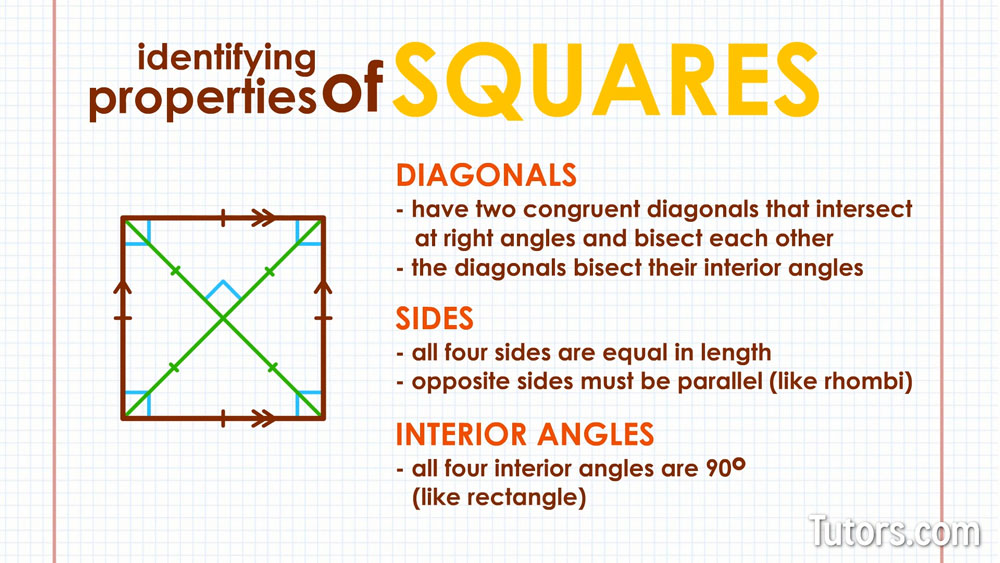
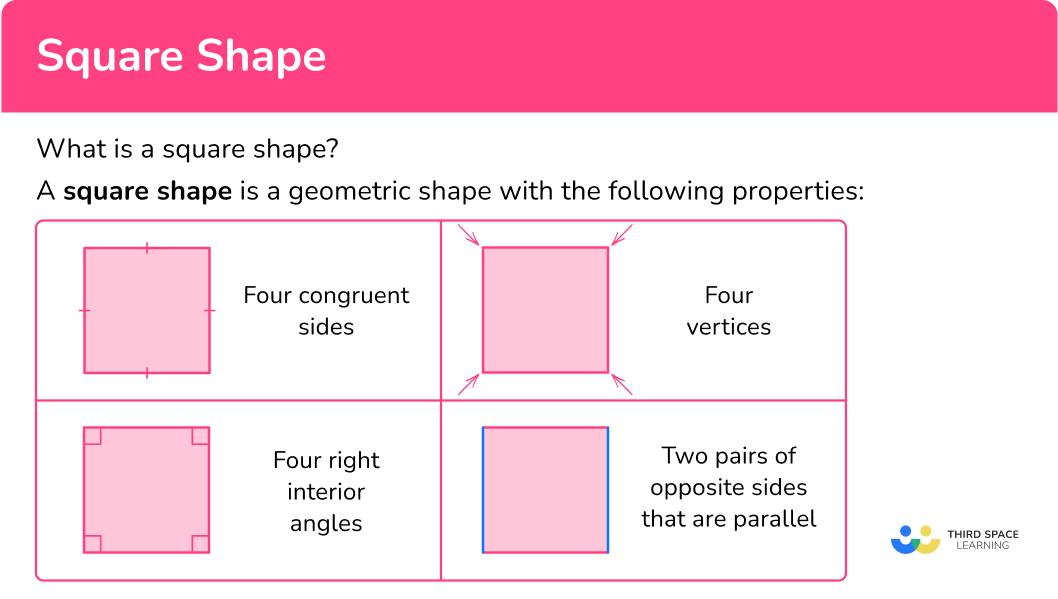
The foundation of any powerful brand is its visual language. For Square, the choice of the shape was not accidental. In design psychology, the square represents stability, balance, and reliability. Unlike the circle, which suggests movement and infinity, or the triangle, which suggests direction and tension, the square provides a sense of “groundedness.”
The Psychology of the Square Shape
In the realm of brand strategy, shapes communicate subconsciously with the consumer. A square communicates that a company is professional and organized. For a fintech company handling people’s hard-earned money, this sense of stability is paramount. By naming the company after a shape that denotes fairness—as in a “square deal”—the brand immediately aligned itself with the values of transparency and equity. This psychological anchoring is what allowed the brand to gain rapid adoption among small business owners who felt overlooked by traditional, “round” or “sharp-edged” banking institutions.
From Logo to Product: The Physical Manifestation of Brand
What truly makes Square “a square” is the perfect alignment between the brand name, the logo, and the physical product. When Jack Dorsey and his team launched the original white credit card reader, it was a literal square that plugged into a mobile headphone jack. This was a revolutionary moment in brand design: the product was the logo.
This physical manifestation created a tactile brand experience. Every time a vendor plugged that little white square into their phone, they were reinforcing the brand’s identity. In brand strategy, this is known as “congruence.” When the name, the visual, and the physical utility of a product all point to the same concept, the brand becomes unforgettable. It ceases to be a service and becomes a category-defining icon.
Beyond the Four Corners: The Evolution of Square into Block
As companies grow, their initial “square” identity often becomes too small for their ambitions. This leads to the most challenging phase of brand strategy: the corporate rebrand. In 2021, the parent company Square, Inc. rebranded to Block, Inc., while keeping the Square name for its seller ecosystem. This move was a strategic masterstroke in maintaining brand equity while allowing for horizontal expansion.
Case Study: Navigating a Corporate Rebrand
What makes a brand successful during a transition is how it handles its legacy. By renaming the parent company “Block,” the organization acknowledged that it was now composed of many “squares” (Square, Cash App, TIDAL, TBD). The “Block” name suggests a building block—a fundamental unit of a larger structure.
This transition illustrates a key principle in brand strategy: your identity must be flexible enough to encompass future growth without alienating your core audience. The “square” identity was preserved for the merchants who loved it, while the “Block” identity provided a playground for new technologies like blockchain and decentralized finance. The strategic “squareness” here was the commitment to the modular, clean, and interconnected nature of the business units.
Maintaining Core Identity Amidst Diversification
Diversification often leads to brand dilution. However, Square avoided this by ensuring that every new venture shared the same DNA. Whether it is the sleek interface of the Cash App or the artist-centric focus of TIDAL, the brand ethos remains rooted in the “Square” philosophy: removing friction. What makes the brand remain “a square” even as it becomes a “Block” is the consistent focus on the user experience. If a product is easy to use, visually minimalist, and empowers the underdog, it fits within the brand’s established perimeter.
The Ecosystem of Experience: Brand Strategy as a Tool for Market Dominance
A brand becomes a “square” through its ecosystem. It is not enough to have a good logo; you must have a network of services that reinforce the brand’s value proposition at every touchpoint. For Square, this meant moving from a simple hardware provider to a full-stack financial services ecosystem.
Simplification as a Value Proposition
In branding, simplicity is the ultimate sophistication. The “square” identity is synonymous with the removal of complexity. Before Square, small businesses had to jump through hoops to accept credit card payments, dealing with opaque fee structures and bulky hardware. Square’s brand strategy was built on the “Power of Simple.”
The brand became “the square” because it squared away the mess of traditional banking. This simplification is a deliberate marketing choice. By positioning themselves as the antidote to complexity, they didn’t just sell a product; they sold a feeling of relief. Every marketing campaign, every landing page, and every customer support interaction is designed to feel as clean and straightforward as the shape itself.
The Role of Personal Branding in Corporate Success
The identity of Square is also inextricably linked to the personal brand of its co-founder, Jack Dorsey. His public persona—minimalist, tech-forward, and often contrarian—mirrors the brand’s identity. In modern brand strategy, the “Founder Effect” can act as a catalyst for brand authenticity. Dorsey’s focus on design and “craft” has permeated the company’s culture. This internal culture is what ultimately makes the brand “a square.” When employees are aligned with the brand’s visual and philosophical minimalism, the output is consistently high-quality, reinforcing the external brand perception.
Future-Proofing the Square: Digital-First Brand Identity
As we move further into a digital-first economy, the physical “square” reader is becoming less central to the company’s revenue. However, the brand identity remains more relevant than ever. What makes a square a square in the age of the metaverse and invisible payments?
Adapting to the Creator Economy
The modern brand must cater to the “Solopreneur” and the creator. Square’s brand strategy has shifted from just “small business” to the “individual creator.” By broadening the definition of who their “square” is for, they have future-proofed their identity. They have positioned the brand as a tool for economic empowerment, regardless of whether the transaction happens in a physical coffee shop or via a digital link on social media. The “square” is no longer a piece of plastic; it is a digital gateway to commerce.

The Lasting Impact of Minimalism
Finally, the longevity of the Square brand is a testament to the power of minimalism in design. Trends come and go—skeuomorphism, gradients, bold maximalism—but the square remains timeless. By choosing a fundamental geometric shape and a monochromatic color palette (primarily white and black with subtle accents), the brand avoided becoming a relic of the 2010s.
A “square” is a square because it refuses to be distracted by the ornamental. It is functional, it is direct, and it is honest. In an era of “brand noise,” where companies are constantly shouting for attention with complex visuals, the quiet, disciplined “square” stands out. It represents a brand that knows exactly who it is and who it serves.
In conclusion, what makes a square a square in the world of brand strategy is the intersection of psychological stability, product congruence, and an unwavering commitment to simplicity. It is a reminder that the most powerful brands are often those that take the most basic concepts and execute them with unparalleled precision. Square (and now Block) didn’t just choose a name; they built a fortress of identity around a shape, proving that in branding, the right angles are often the most direct path to the consumer’s heart.
aViewFromTheCave is a participant in the Amazon Services LLC Associates Program, an affiliate advertising program designed to provide a means for sites to earn advertising fees by advertising and linking to Amazon.com. Amazon, the Amazon logo, AmazonSupply, and the AmazonSupply logo are trademarks of Amazon.com, Inc. or its affiliates. As an Amazon Associate we earn affiliate commissions from qualifying purchases.