
In the rapidly evolving landscape of the global wellness industry, few botanical ingredients have captured the attention of venture capitalists and retail investors quite like Boswellia serrata. While traditionally known as Indian Frankincense, in the modern financial context, Boswellia serrata represents a cornerstone of the multi-billion dollar nutraceutical market. For the savvy investor or business strategist, understanding “what is Boswellia serrata” is less about botany and more about identifying a high-margin commodity that sits at the intersection of aging demographics, preventative healthcare trends, and sustainable supply chain management.
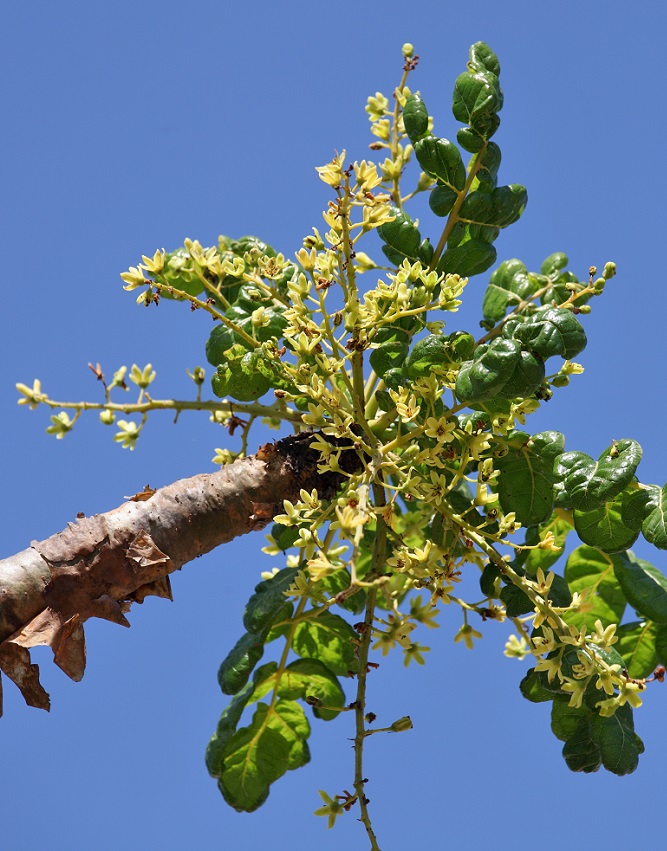
As the global dietary supplements market approaches a projected valuation of over $300 billion by 2030, Boswellia serrata has emerged as a premium raw material. This article explores the economic drivers, market dynamics, and investment potential of this ancient resin turned modern financial asset.
The Market Value and Consumer Demand of Boswellia Serrata
To understand the financial footprint of Boswellia serrata, one must first look at the massive shift in consumer spending. Post-pandemic, there has been a significant reallocation of household budgets toward “proactive health.” Boswellia, primarily used for its anti-inflammatory properties, has become a leading alternative to over-the-counter synthetic drugs, driving a surge in market demand.
The Global Boom in Botanical Nutraceuticals
The demand for Boswellia serrata is fueled by the “clean label” movement. Consumers are increasingly willing to pay a premium for plant-based solutions over synthetic pharmaceuticals. From a market perspective, this translates to higher price elasticity. Companies that incorporate high-quality Boswellia extracts into their product lines are seeing significant growth in their “Top Line” revenue, as the ingredient appeals to the affluent “silver economy”—the aging Baby Boomer generation looking for joint health solutions.
Analyzing the Compound Annual Growth Rate (CAGR)
Market research indicates that the herbal extract market, where Boswellia is a star performer, is growing at a CAGR of approximately 7.5% to 9%. When we isolate Boswellia serrata, the growth is often higher due to its clinical backing. For investors, this represents a stable, long-term growth play. Unlike “fad” ingredients that see a spike and a crash, Boswellia has a “sticky” consumer base, leading to high lifetime value (LTV) for brands that successfully market it.
Supply Chain Economics and Global Trade Dynamics
The financial viability of any commodity depends heavily on its supply chain. Boswellia serrata is unique because it is harvested from the resin of the Boswellia tree, primarily found in dry, mountainous regions of India. This geographic concentration creates a fascinating economic profile involving scarcity, specialized labor, and international trade logistics.
Sourcing Strategy: From Indian Forests to International Markets
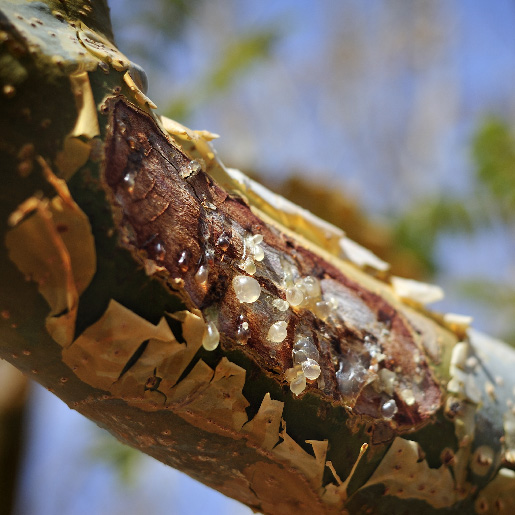
The extraction of Boswellia resin is a labor-intensive process that cannot be easily mechanized. This creates a “moat” around the industry but also introduces risks. Investors must look at companies that have mastered vertical integration—those that control the sourcing from the forests of Madhya Pradesh or Chhattisgarh all the way to the encapsulated product in North American or European pharmacies. Strategic sourcing reduces the “Cost of Goods Sold” (COGS) and protects against the price gouging often seen in the middleman-heavy botanical trade.
Rare Commodity Status and Price Volatility
Because the Boswellia tree takes years to mature and resin production is sensitive to climate changes, it is considered a rare commodity. This rarity drives price volatility. In the financial world, volatility can be a risk, but it also offers an opportunity for companies with large inventories to capitalize on price swings. The “Boswellia market” is currently seeing a shift toward standardized extracts (containing specific percentages of Boswellic acids), which command a much higher price point than raw resin, allowing for significant value-add during the manufacturing process.
Investment Avenues in the Natural Medicine Sector
For those looking to capitalize on the rise of Boswellia serrata, there are several distinct financial paths. Whether through public markets, private equity, or direct-to-consumer (DTC) entrepreneurship, the “Boswellia boom” offers diverse entry points.
Publicly Traded Nutraceutical and Biotech Firms
Many large-scale pharmaceutical and consumer goods companies are acquiring smaller, specialized nutraceutical firms that hold patents on specific Boswellia formulations. Investing in these parent companies provides exposure to the botanical market with the safety of a diversified portfolio. Analysts often look for “earnings beats” driven by the high-margin health and wellness divisions of these conglomerates, where Boswellia-based products often outperform traditional supplements.
Private Equity and the Rise of Premium Health Brands
The most significant “alpha” in the Boswellia space is currently found in private equity. Small, agile brands that focus exclusively on high-potency, clinically studied Boswellia extracts are becoming prime targets for acquisition. These brands often operate with a Direct-to-Consumer (DTC) model, which allows for better data collection and higher profit margins. For a private investor, the “exit strategy” usually involves selling these specialized brands to a global health giant like Nestlé Health Science or Unilever.
The “White Label” and Manufacturing Opportunity
Beyond the brands themselves lies the opportunity in contract manufacturing. The technical process of turning a sticky resin into a free-flowing, standardized powder is complex. Companies that own the intellectual property (IP) for extraction technologies (such as those increasing the bioavailability of Boswellic acids) hold a powerful position in the market. Investing in the “picks and shovels” of the industry—the extraction labs and processing plants—is often a more stable way to profit from the trend than betting on a single consumer brand.
Risk Management and Regulatory Financial Impacts
Every high-reward investment comes with risks. In the world of Boswellia serrata, these risks are primarily regulatory and environmental. Understanding these factors is crucial for accurate valuation and long-term financial planning.
FDA and EMA Compliance and Its Impact on Valuation
The regulatory landscape for dietary supplements is tightening. In the United States, the FDA monitors health claims closely, while in Europe, the EMA has strict guidelines on botanical safety. A company’s ability to navigate these regulations directly impacts its market cap. A sudden “warning letter” from a regulatory body can erase millions in brand value overnight. Therefore, institutional investors prioritize companies that invest heavily in R&D and third-party testing, viewing these costs not as expenses, but as “insurance” for their investment.
Sustainability as a Financial Metric (ESG)
Environmental, Social, and Governance (ESG) criteria are no longer optional for modern investors. The over-harvesting of Boswellia trees is a real threat to the industry’s longevity. Companies that implement sustainable harvesting practices and fair-trade agreements with local harvesters are more likely to secure long-term contracts and institutional funding. From a financial perspective, a “sustainable” supply chain is a “de-risked” supply chain. Investors are increasingly looking at “Ethical Sourcing Certificates” as a leading indicator of a company’s future stability.

Conclusion: The Financial Outlook for Boswellia Serrata
When asking “what is Boswellia serrata,” the answer from a financial perspective is clear: it is a high-growth, high-margin botanical asset that is central to the future of the wellness economy. Its unique position as a clinically backed alternative to traditional pharmaceuticals ensures steady demand, while its complex supply chain offers opportunities for vertical integration and value-added processing.
As the “proactive health” trend continues to dominate consumer spending, the companies and investors who understand the nuances of the Boswellia market—from the forests of India to the regulatory halls of Washington and Brussels—will be the ones to reap the financial rewards. In a world where “wellness is the new wealth,” Boswellia serrata is proving to be one of the most valuable currencies in the natural health sector.
aViewFromTheCave is a participant in the Amazon Services LLC Associates Program, an affiliate advertising program designed to provide a means for sites to earn advertising fees by advertising and linking to Amazon.com. Amazon, the Amazon logo, AmazonSupply, and the AmazonSupply logo are trademarks of Amazon.com, Inc. or its affiliates. As an Amazon Associate we earn affiliate commissions from qualifying purchases.