
In the competitive landscape of global tourism and regional economic development, few entities have mastered the art of brand differentiation as effectively as the state of Louisiana. While many geographic locations struggle to define a cohesive identity, Louisiana has cultivated a robust, multi-sensory brand that resonates on a global scale. What Louisiana is famous for, from a strategic branding perspective, is not merely a collection of historical facts or geographical features, but a masterfully executed identity built on the pillars of sensory marketing, emotional resonance, and cultural authenticity.
To understand Louisiana’s market position, one must look past the surface-level attractions and analyze the underlying brand architecture. The state has successfully leveraged its “Silicon Bayou” tech initiatives, its “Hollywood South” cinematic presence, and its legendary culinary and musical heritage to create a brand equity that is both high-value and inimitable.
The Power of Sensory Branding: Taste, Sound, and Spectacle
The most potent brands are those that engage multiple senses, creating a “360-degree experience” for the consumer. Louisiana is perhaps the premier example of sensory branding in the United States. Its fame is rooted in a specific aesthetic and experiential palette that functions as a corporate identity for the entire region.
The Culinary Trademark: Cajun and Creole Identity
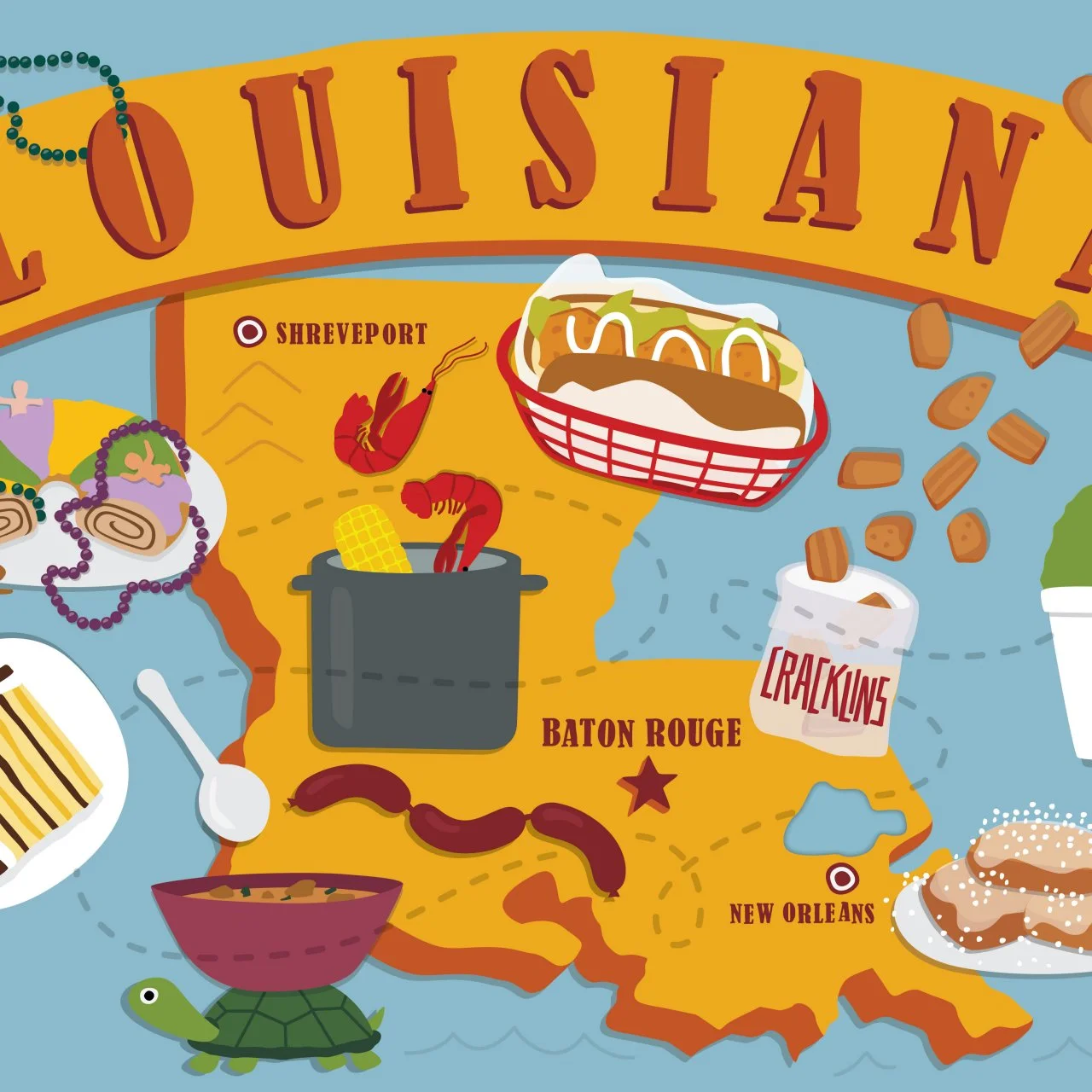
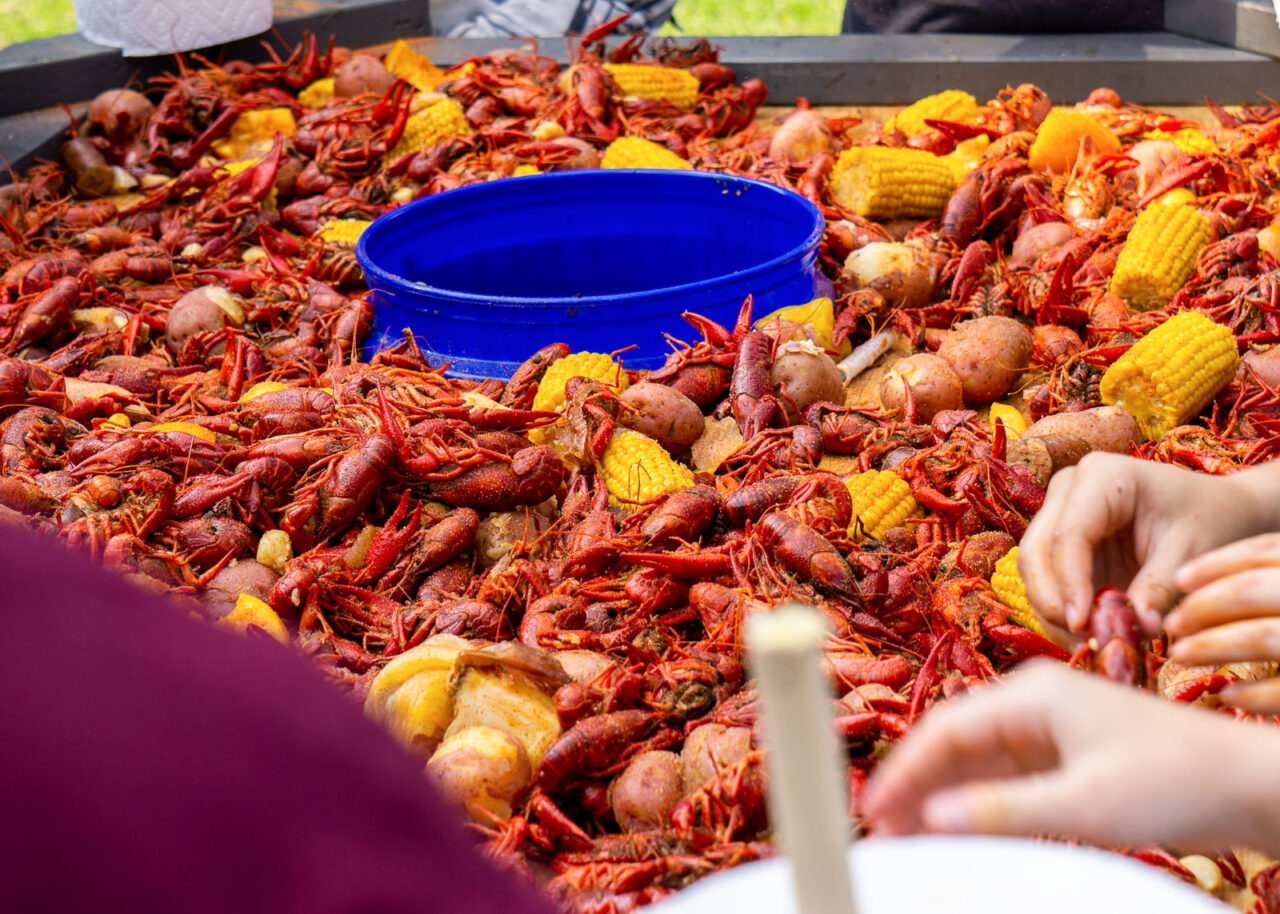
Food is Louisiana’s primary brand ambassador. In marketing terms, the state has achieved “category ownership” of Cajun and Creole flavors. When a consumer thinks of spicy, bold, and communal dining, the Louisiana brand is the immediate mental association. This is not accidental; it is the result of decades of culinary storytelling and the strategic export of food-related products.
From the global distribution of Tabasco sauce—a brand inextricably linked to Avery Island—to the international ubiquity of “Cajun-style” seasoning, the state uses its flavor profile to maintain brand awareness even among those who have never visited. This culinary brand equity serves as a powerful “hook,” driving high-value culinary tourism and establishing a unique selling proposition (USP) that no other state can replicate.
Sonic Branding: The Global Export of Jazz and Zydeco
In the realm of branding, “sonic identity” refers to the specific sounds associated with a brand. Louisiana possesses a sonic identity that is recognized worldwide. New Orleans is globally synonymous with Jazz, while the rural regions own the Zydeco and Cajun music niches.
By positioning itself as the “Birthplace of Jazz,” Louisiana leverages a prestige brand narrative. This historical claim acts as a “heritage brand” strategy, lending the state an aura of authenticity and creative authority. This musical identity is integrated into every touchpoint of the visitor experience, from street performers in the French Quarter to international jazz festivals, ensuring that the brand’s “voice” is consistent and recognizable.
Strategic Event Marketing: The Mardi Gras Blueprint
Mardi Gras is more than a festival; it is Louisiana’s most successful annual brand activation. It serves as a flagship event that reinforces the state’s brand promise: a place of unbridled celebration, inclusivity, and “Joie de Vivre” (joy of living).
Scarcity and Seasonality in Destination Branding
One of the key principles of high-end branding is the use of scarcity and seasonality. Mardi Gras creates a “limited-time offer” atmosphere that drives massive demand. By anchoring its global identity to a specific season (Carnival), Louisiana creates a cyclical peak in brand engagement. The “Purple, Green, and Gold” color palette serves as a temporary but powerful visual identity that unifies the state’s marketing efforts across digital and physical platforms.
Community-Led Brand Advocacy
The true strength of the Mardi Gras brand lies in its decentralized nature. Unlike a corporate-sponsored event, Mardi Gras is fueled by “Krewes”—local organizations that act as brand advocates. In marketing terms, this is the ultimate form of organic growth. The residents themselves are the creators of the brand content, ensuring that the experience remains authentic and deeply rooted in local culture. This organic advocacy protects the brand from the “manufactured” feel that often plagues other major tourist destinations.
The “Sportsman’s Paradise” Positioning: Niche Market Alignment
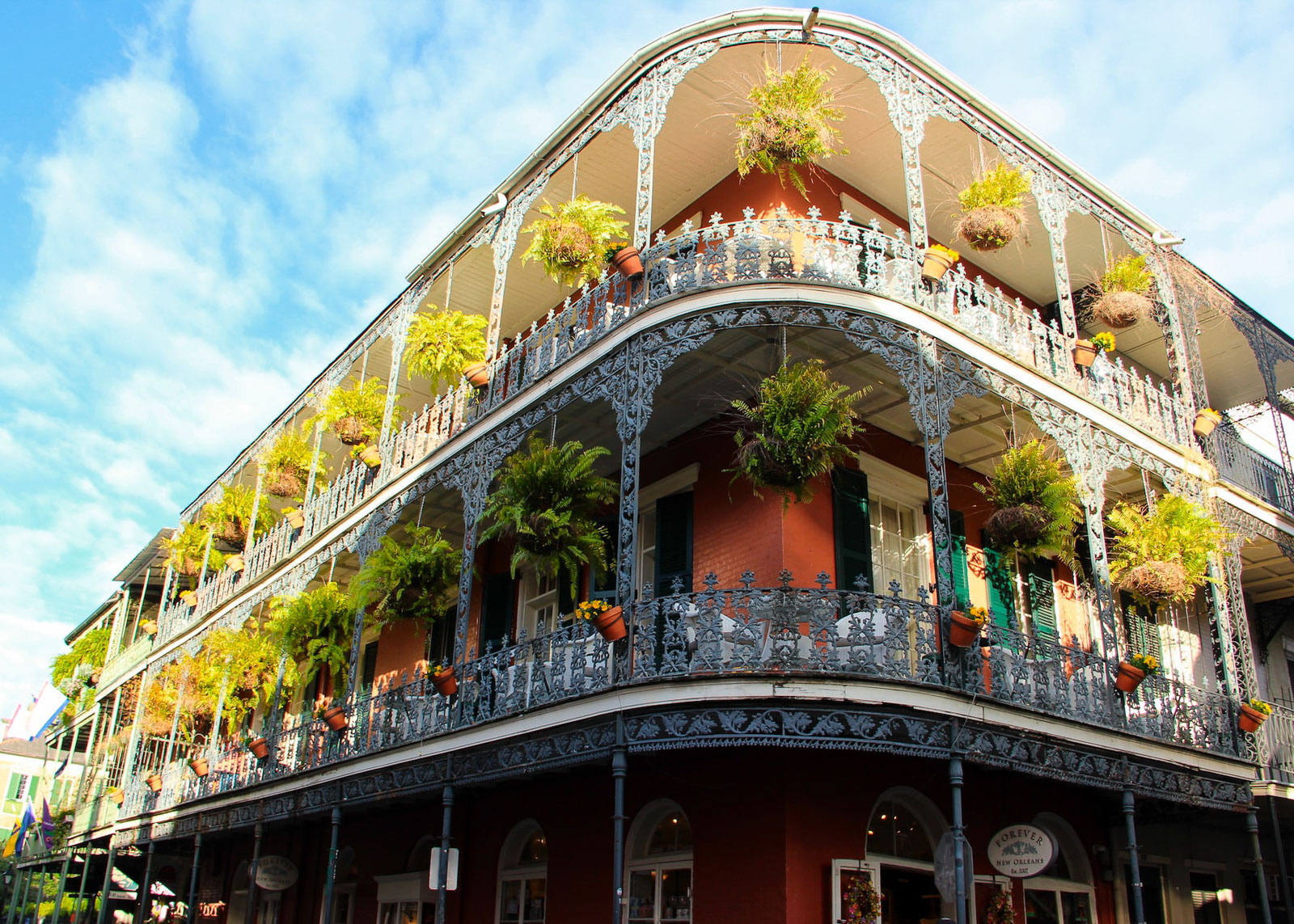
Beyond the neon lights of Bourbon Street, Louisiana has strategically branded its natural environment to appeal to a specific, high-spending demographic: the outdoor enthusiast. The moniker “Sportsman’s Paradise” is a textbook example of effective brand positioning.
Visual Identity and Taglines
The phrase “Sportsman’s Paradise” has been featured on Louisiana license plates for decades, functioning as a persistent mobile advertisement for the state’s natural assets. This tagline communicates a clear value proposition: if you value fishing, hunting, and outdoor adventure, this is the premium destination.
Leveraging Natural Capital for High-Value Tourism
By branding its vast wetlands, bayous, and coastal waters, Louisiana has created a “Nature Brand” that complements its “Culture Brand.” This dual-track strategy allows the state to diversify its market reach. While the urban centers attract cultural tourists, the rural areas attract “eco-tourists” and sportsmen. This geographic brand segmentation ensures economic stability across the state’s various parishes, proving that a cohesive brand can have multiple sub-brands that appeal to different personas.
Media, Film, and the “Hollywood South” Narrative
In the digital age, a brand’s visibility is heavily dependent on its presence in popular media. Louisiana’s “Hollywood South” initiative is a sophisticated strategy to use the film and television industry as a vehicle for brand placement.
Place Placement and Narrative Associations
Just as a luxury watch brand pays for product placement in a blockbuster movie, Louisiana’s aggressive film tax credits are a strategic investment in “place placement.” When audiences see the iconic oak trees, historic plantations, or unique skylines of Louisiana on screen, the state’s brand equity grows.
Movies and television shows filmed in the state serve as long-form commercials for the “Louisiana lifestyle.” This cinematic exposure builds a narrative around the state—portraying it as mysterious, romantic, and resilient—which in turn drives travel interest and relocation.
Building Brand Authority through Cinematic Exposure
By becoming a hub for production, Louisiana has transitioned from a passive setting to an active player in the creative economy. This shift has rebranded the state as a modern, pro-business environment that is welcoming to high-tech industries. The “Hollywood South” moniker effectively bridges the gap between the state’s historic roots and its future-oriented economic goals.
Future-Proofing the Louisiana Brand: Resilience and Rebranding
A brand’s true test is its ability to withstand crisis and adapt to changing market conditions. Louisiana has demonstrated remarkable brand resilience, particularly in the wake of natural and economic challenges.
Balancing Tradition with Modern Innovation
The modern Louisiana brand is currently undergoing a strategic evolution. While it continues to lean into its traditional strengths—food, music, and festivals—there is a concerted effort to integrate technology and innovation into the narrative. The “Silicon Bayou” movement is a branding masterstroke, taking the existing “Bayou” brand (associated with nature and heritage) and pairing it with “Silicon” (associated with technology and the future). This linguistic blend helps the state appeal to a younger, tech-savvy workforce while maintaining its unique identity.
Lessons in Resilience and Brand Recovery
In the aftermath of events like Hurricane Katrina or the BP oil spill, the Louisiana brand had to manage significant “reputational risk.” The state’s recovery was not just physical, but psychological and brand-focused. The “Louisiana Feed Your Soul” campaign is a prime example of post-crisis rebranding. It moved the conversation away from tragedy and back toward the state’s core brand value: a deep, soulful experience that satisfies the traveler’s desire for authenticity.
Conclusion: The Enduring Equity of Louisiana
What Louisiana is famous for is its ability to maintain a singular, unmistakable identity in an increasingly homogenized world. Through the strategic use of sensory branding, flagship events, niche positioning, and media exposure, Louisiana has built a brand that is globally recognized and emotionally resonant.
The state serves as a powerful case study for any organization or region looking to build a lasting brand. It proves that when you lean into your unique cultural assets—your “soul”—and package them with professional marketing precision, you create a brand that is not just famous, but legendary. Louisiana isn’t just a location on a map; it is a high-equity brand that continues to deliver a consistent, compelling, and highly profitable narrative to the world.
aViewFromTheCave is a participant in the Amazon Services LLC Associates Program, an affiliate advertising program designed to provide a means for sites to earn advertising fees by advertising and linking to Amazon.com. Amazon, the Amazon logo, AmazonSupply, and the AmazonSupply logo are trademarks of Amazon.com, Inc. or its affiliates. As an Amazon Associate we earn affiliate commissions from qualifying purchases.