
The United Kingdom, a nation with a rich history of trade, industry, and financial innovation, operates a sophisticated and dynamic economic system. Far from a simplistic categorization, the UK’s economy is best understood as a highly developed, mixed, and open-market economy, heavily reliant on its robust services sector, deeply integrated into global financial systems, and currently navigating a period of significant structural change. This article delves into the core characteristics, key drivers, policy frameworks, and future trajectory that define the contemporary British economic landscape, offering an insightful perspective for anyone seeking to understand its financial intricacies.
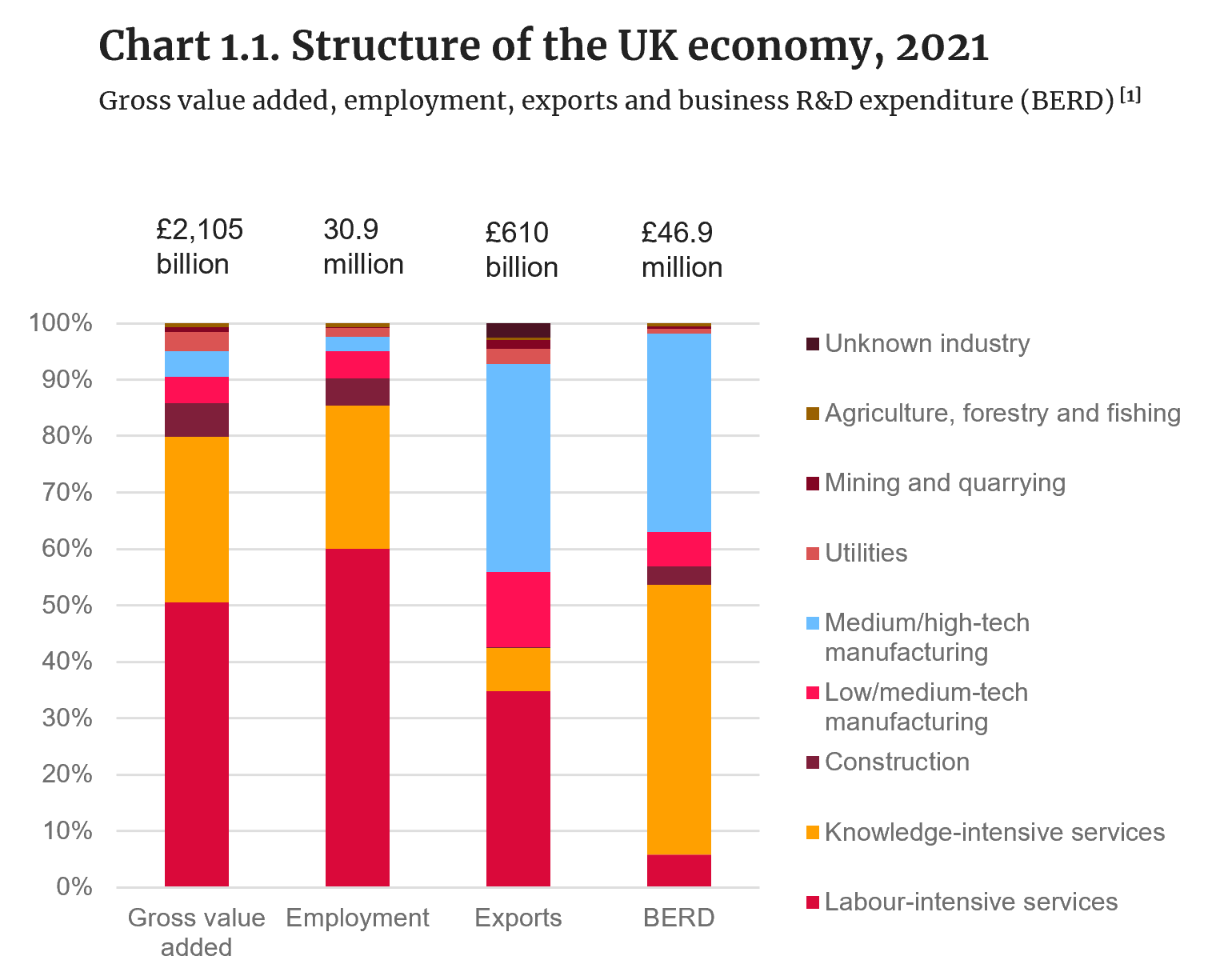
A Mixed, Open-Market Economy: Balancing Capitalism with Social Provision
At its heart, the UK economy embodies a pragmatic blend of free-market capitalism and state intervention, positioning it firmly within the ‘mixed economy’ framework. This approach acknowledges the efficiency and innovation driven by competitive markets while recognizing the critical role of the government in ensuring social welfare, regulating industries, and providing essential public services.
The Blend of Capitalism and State Intervention
The UK’s economic model allows for significant private ownership of businesses, fostering competition and encouraging entrepreneurship. Industries ranging from finance and technology to retail and manufacturing are predominantly privately run, competing for market share and driving economic growth. This capitalistic ethos is underpinned by strong legal frameworks protecting property rights and enforcing contracts, creating a predictable environment for investment and commerce.
However, this free-market orientation is tempered by a substantial degree of state involvement. Key sectors such as healthcare (via the National Health Service, NHS), education, and social welfare are largely funded and managed by the government. These public services represent a significant portion of public expenditure and are financed through taxation, reflecting a societal commitment to a social safety net and universal access to fundamental provisions. Government regulatory bodies also play a crucial role in overseeing markets, protecting consumers, ensuring fair competition, and addressing market failures in areas like environmental protection and financial stability. This delicate balance aims to harness the dynamism of the private sector while mitigating its potential inequalities and failures.
Global Integration and Trade Reliance
The UK’s economy is inherently outward-looking, demonstrating a profound reliance on international trade and capital flows. For centuries, Britain has been a maritime trading nation, a legacy that continues to define its economic strategy. It is one of the world’s largest trading nations, with exports and imports forming a substantial share of its Gross Domestic Product (GDP). Goods and services are exchanged globally, with key partners across Europe, North America, and Asia, reflecting the interconnectedness of modern supply chains and consumer markets.
This global integration extends to capital markets, with London serving as one of the world’s foremost financial centres, attracting vast amounts of foreign direct investment (FDI) and facilitating international financial transactions. UK companies are significant global investors, and conversely, foreign investment is a vital source of capital, technology, and employment within the UK.
The UK’s departure from the European Union (Brexit) has ushered in a new chapter for its trade relationships and regulatory alignment. While the long-term economic impacts are still unfolding, the move has necessitated recalibrating trade agreements, adjusting to new customs procedures, and re-evaluating the UK’s position within the global economic order. Despite these adjustments, the fundamental characteristic of an open, globally connected economy remains central to the UK’s financial identity, underscoring its vulnerability and resilience to international economic shifts.
Dominance of the Services Sector: A Post-Industrial Powerhouse
A defining feature of the modern UK economy is the overwhelming dominance of its services sector. Following a significant de-industrialisation trend in the latter half of the 20th century, the UK transitioned from an economy heavily reliant on manufacturing and mining to one where services account for approximately 80% of its GDP and employment. This shift reflects a broader trend among advanced economies but is particularly pronounced in the UK.
Financial Services Hub
London stands as a pre-eminent global financial capital, rivalled only by New York. This status is built upon a dense ecosystem of banking, insurance, asset management, foreign exchange trading, and capital markets. The City of London and Canary Wharf host numerous international banks, investment firms, hedge funds, and insurance companies, facilitating trillions of pounds in transactions annually. The UK’s financial services sector is not merely domestic-facing; it acts as a global intermediary, connecting investors and businesses from around the world.
Beyond traditional finance, the UK has emerged as a leader in Financial Technology (FinTech). Its regulatory environment, talent pool, and access to capital have fostered a vibrant ecosystem of startups and established firms innovating in areas like digital payments, blockchain, artificial intelligence in finance, and challenger banks. This sector not only contributes significantly to GDP but also drives innovation that ripples through other parts of the economy, enhancing efficiency and accessibility of financial tools.
Business and Professional Services
Complementing financial services, the broader category of business and professional services forms another bedrock of the UK economy. This encompasses a wide array of high-value activities, including management consulting, legal services, accounting, marketing, advertising, architecture, and scientific research and development (R&D). UK firms in these areas are highly regarded globally, exporting their expertise and knowledge worldwide.
The strength of this sector lies in its skilled workforce, often graduates from the UK’s world-class universities, and its capacity for innovation. These services are crucial inputs for other industries, helping businesses to optimize operations, navigate complex legal and regulatory landscapes, and develop new products and strategies. The creative industries – including film, music, design, and gaming – also fall into this category, generating substantial revenue and cultural influence globally.
Retail and Tourism
While less globally dominant than financial services, retail and tourism are vital components of the UK’s domestic services sector, significantly contributing to employment and consumer spending. The retail sector, encompassing everything from large supermarket chains to independent boutiques and booming e-commerce platforms, is a key indicator of consumer confidence and economic health. It adapts continuously to changing consumer habits, including the rapid shift towards online shopping and sustainable consumption.
Tourism, both domestic and international, is another major revenue generator. Iconic landmarks, rich history, vibrant cultural scenes, and diverse landscapes attract millions of visitors annually, supporting a vast network of hotels, restaurants, transportation services, and leisure businesses. While susceptible to global travel restrictions and economic downturns, its recovery is crucial for many regional economies across the UK.
Key Economic Drivers and Challenges: Navigating Growth and Headwinds
The UK economy is propelled by several intrinsic strengths but also grapples with persistent challenges that influence its growth trajectory and financial stability. Understanding these drivers and headwinds is essential for a comprehensive view of its economic health.
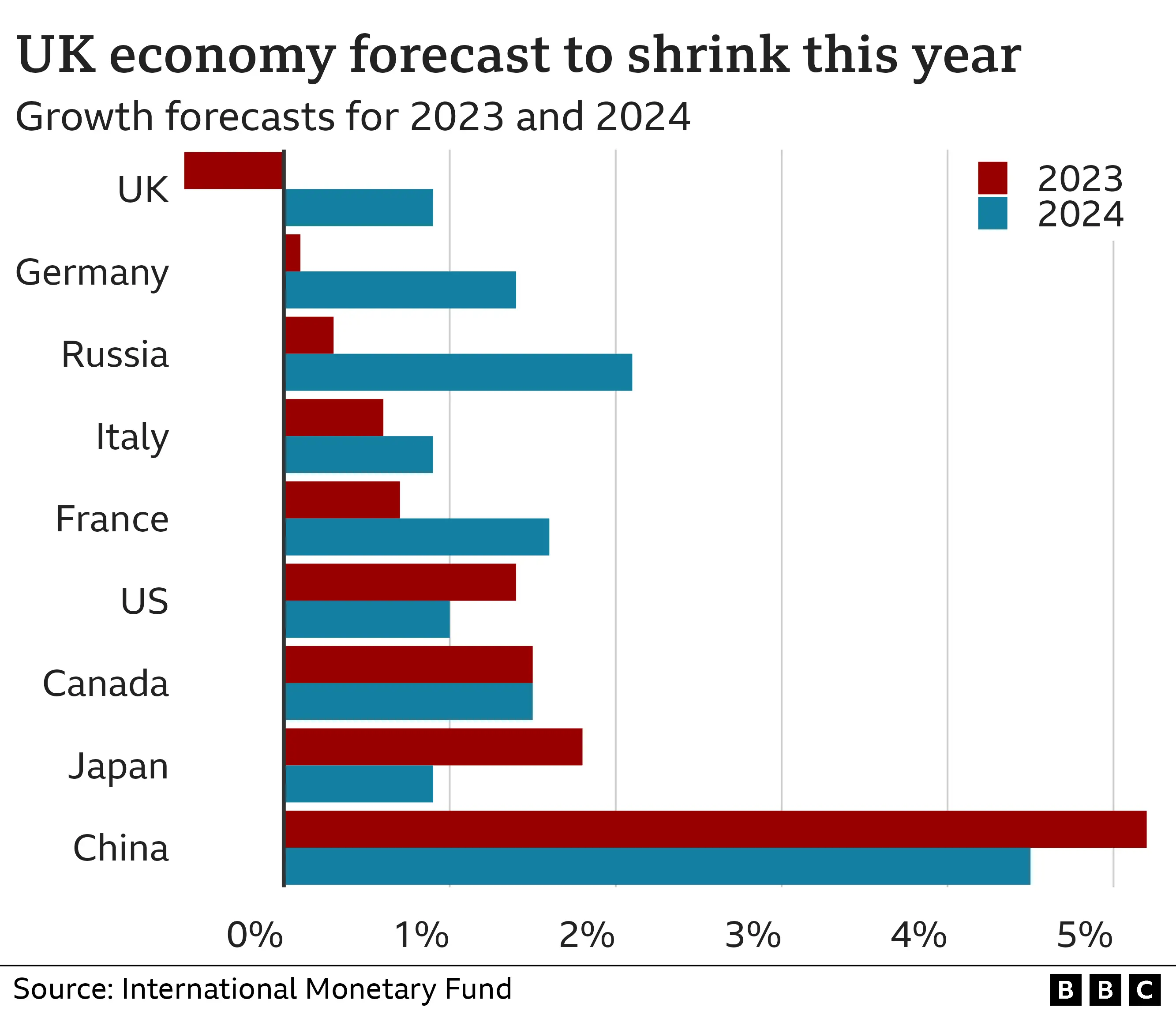
Innovation and Technology
The UK has a strong heritage in scientific discovery and technological innovation. Its world-leading universities are powerhouses of R&D, attracting talent and investment. Sectors like life sciences, pharmaceuticals, advanced engineering, and digital technology are areas of significant strength. The government actively promotes innovation through R&D tax credits, investment funds, and initiatives aimed at fostering a dynamic startup ecosystem, particularly in tech hubs like London, Cambridge, and Oxford. The ambition to become a “science and technology superpower” underpins much of the long-term economic strategy, seeking to drive productivity growth and create high-value jobs.
Labour Market Dynamics
The UK’s labour market is generally flexible, characterised by relatively low unemployment rates and high participation. However, it faces challenges such as skills gaps in critical areas (e.g., digital, engineering), regional disparities in employment opportunities, and ongoing debates around wage growth and living standards. The availability of skilled labour, both domestic and international, is a crucial determinant of economic capacity and business expansion. Demographic shifts, including an aging population, also present long-term pressures on pension systems and healthcare, requiring careful financial planning.
Inflation and Cost of Living
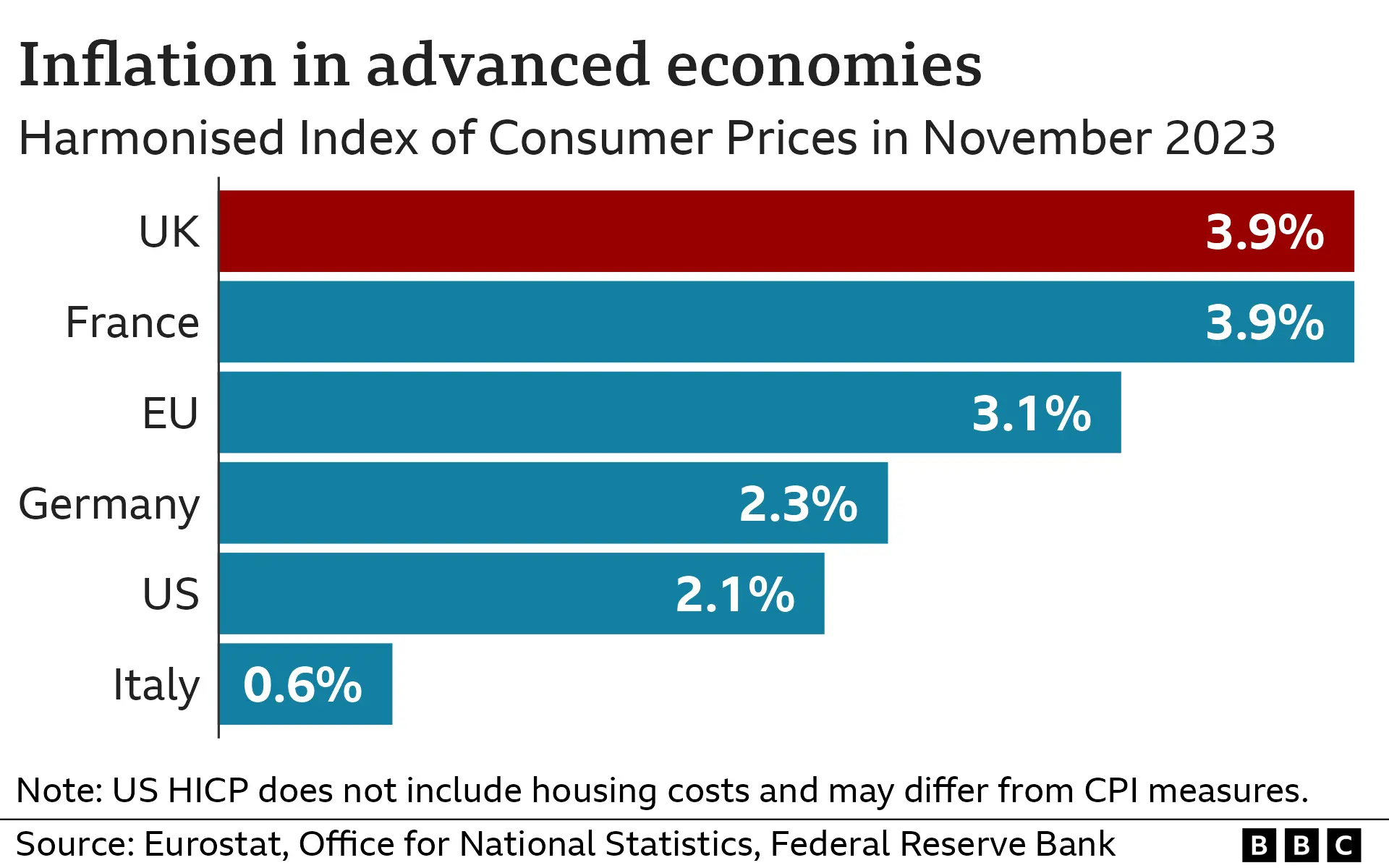
Recent years have seen the UK, along with many other global economies, grapple with elevated inflation rates. Factors such as global supply chain disruptions, energy price spikes (exacerbated by geopolitical events), and tight labour markets have pushed up the cost of living for households and operational costs for businesses. Managing inflation and its impact on real wages and consumer purchasing power is a central challenge for monetary and fiscal policymakers, directly impacting personal finance and business profitability.
Productivity Puzzle
A persistent issue for the UK economy has been its relatively lower productivity growth compared to some other G7 nations. This “productivity puzzle” refers to the slower rate at which the economy produces output for a given amount of input (labour or capital). Addressing this involves multifaceted solutions, including increased investment in infrastructure, technology adoption, skills development, and fostering a more competitive business environment. Improving productivity is key to sustainable wage growth and enhancing overall economic prosperity.
Monetary and Fiscal Policy Frameworks: Guardians of Stability
The stability and direction of the UK economy are heavily influenced by the interplay of monetary policy, managed by an independent central bank, and fiscal policy, set by the government. These frameworks are crucial for steering the economy through cycles of expansion and contraction.
The Role of the Bank of England
The Bank of England (BoE) is the UK’s central bank, operating with operational independence from the government. Its primary mandate is to maintain price stability, typically targeting a 2% inflation rate. The BoE achieves this primarily through setting the official bank rate (interest rates), which influences borrowing costs across the economy. In times of economic stress or to stimulate growth, it has also employed unconventional monetary policies like quantitative easing (QE), involving large-scale asset purchases, and conversely, quantitative tightening (QT) to reduce its balance sheet when inflation becomes a concern. The BoE’s decisions have a direct impact on mortgages, savings rates, and the cost of capital for businesses, making it a critical player in personal and business finance.
Government Fiscal Strategy
Fiscal policy, determined by His Majesty’s Treasury and the Chancellor of the Exchequer, involves decisions on government spending and taxation. The government uses these levers to influence aggregate demand, redistribute wealth, and fund public services. Key objectives typically include achieving sustainable public finances, promoting economic growth, and managing the national debt.
Taxation policy – encompassing income tax, corporation tax, VAT, and other levies – directly affects household disposable income and business investment decisions. Government spending priorities, from infrastructure projects to welfare benefits, stimulate certain sectors of the economy and provide a social safety net. Balancing these aims is a perpetual challenge, particularly in the face of economic shocks or long-term commitments like net-zero transitions and an aging population, which place demands on public funds and influence the overall financial health of the nation.
Future Outlook and Adaptations: A Resilient Path Forward
The UK economy is in a continuous state of evolution, shaped by global forces, policy decisions, and technological advancements. Its future trajectory will depend on its ability to adapt to emerging challenges and capitalize on new opportunities.
Navigating Post-Brexit Realities
The full implications of Brexit continue to unfold, with ongoing adjustments to new trade relationships, regulatory divergence, and evolving supply chains. The UK government is focused on forging new trade deals globally and leveraging its regulatory freedoms, while businesses continue to adapt to new operating environments. The ability to effectively navigate these realities will be crucial for maintaining competitiveness and attracting investment.
Green Economy Transition
The UK has made a legally binding commitment to achieve net-zero carbon emissions by 2050. This ambitious goal is driving significant investment in renewable energy (offshore wind, solar), electric vehicle infrastructure, carbon capture technologies, and sustainable finance. The transition to a green economy presents both substantial investment opportunities and challenges, requiring vast capital allocation and the re-skilling of the workforce. This shift will fundamentally reshape many industries and create new financial products and services.
Addressing Regional Disparities
A long-standing challenge for the UK economy is the significant economic disparity between different regions. London and the South East have historically outperformed other areas, leading to calls for “levelling up” – a government initiative aimed at reducing these inequalities by investing in infrastructure, education, and innovation in other parts of the country. Successful implementation of such strategies could unlock latent economic potential, spread prosperity more evenly, and enhance overall national economic resilience.
In conclusion, the UK economy is a complex, mixed, and highly open system, predominantly driven by its world-class services sector, particularly financial services. While strong in innovation and globally integrated, it continually grapples with issues like productivity, inflation, and regional imbalances. Guided by an independent central bank and a proactive fiscal policy, the UK is striving to adapt to post-Brexit realities, embrace the green transition, and foster more equitable growth. Its resilience and capacity for reinvention remain key attributes as it navigates the evolving global financial landscape.
aViewFromTheCave is a participant in the Amazon Services LLC Associates Program, an affiliate advertising program designed to provide a means for sites to earn advertising fees by advertising and linking to Amazon.com. Amazon, the Amazon logo, AmazonSupply, and the AmazonSupply logo are trademarks of Amazon.com, Inc. or its affiliates. As an Amazon Associate we earn affiliate commissions from qualifying purchases.