
Multiple myeloma is a formidable foe, a complex and challenging cancer that originates in the plasma cells, a type of white blood cell found primarily in the bone marrow. While its medical intricacies are vast, for patients and their families, a diagnosis often ushers in not only a battle for health but also a daunting financial struggle. Understanding the nature of this cancer is the first step, but comprehending its economic footprint is crucial for strategic financial planning and resilience. This article will delve briefly into what multiple myeloma is, before thoroughly dissecting the immense financial burden it imposes and exploring strategies for navigating these monetary challenges within the realm of personal and business finance.

Understanding Multiple Myeloma: A Brief Medical Overview
To appreciate the financial complexities, it’s essential to grasp the basics of multiple myeloma. It’s not just a disease; it’s a chronic condition requiring ongoing management, which translates directly into sustained financial outlay.
The Nature of This Blood Cancer
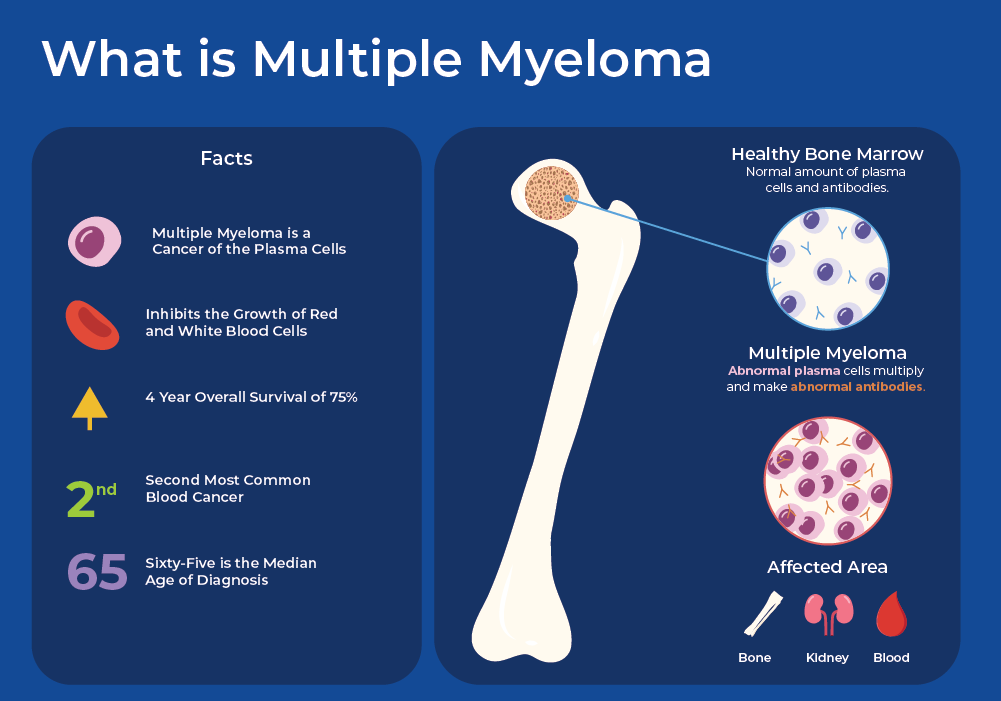
Multiple myeloma is characterized by the uncontrolled proliferation of abnormal plasma cells in the bone marrow. These malignant cells, called myeloma cells, disrupt the production of normal blood cells and produce abnormal antibodies (M proteins) that can damage organs. Unlike many cancers that form solid tumors, multiple myeloma is a disseminated disease, affecting various parts of the body where bone marrow is present, such as the spine, ribs, pelvis, and skull. The accumulation of myeloma cells can lead to bone lesions, kidney failure, anemia, and hypercalcemia (high calcium levels in the blood), each requiring specific and often costly medical interventions. While not curable in most cases, significant advancements in treatment have transformed it into a manageable chronic illness for many, extending lifespans but also prolonging the period of necessary financial provision.
Diagnosis and Treatment Modalities
The diagnostic process for multiple myeloma often involves blood tests (looking for M proteins and other markers), urine tests, bone marrow biopsy, and imaging scans (X-rays, MRI, PET scan). Each of these steps contributes to the initial financial burden. Once diagnosed, treatment typically involves a multi-pronged approach tailored to the individual. Common therapies include chemotherapy, targeted drugs, immunomodulatory drugs, proteasome inhibitors, steroids, and increasingly, CAR T-cell therapy or bispecific antibodies. For eligible patients, high-dose chemotherapy followed by an autologous stem cell transplant (using the patient’s own stem cells) can be a crucial part of treatment. Each of these modalities, from novel oral medications to complex transplant procedures, comes with a substantial price tag, creating an immediate and ongoing financial challenge for patients and their insurers.
The Staggering Financial Burden of a Myeloma Diagnosis
A diagnosis of multiple myeloma is often accompanied by an immediate and profound financial shockwave. This burden extends far beyond direct medical bills, encompassing a wide array of expenses that can quickly deplete savings and impact long-term financial stability.
Direct Medical Costs: From Chemotherapy to Transplants
The most apparent financial strain comes from the direct costs of medical care. Chemotherapy cycles, oral medications (some of which can cost thousands of dollars per month), radiation therapy, and novel immunotherapies represent significant expenditures. A stem cell transplant, a complex procedure requiring extensive hospitalization and follow-up care, can easily run into hundreds of thousands of dollars, even with insurance. Beyond the headline costs of major treatments, there are continuous expenses for supportive care: growth factors to combat low blood counts, pain management, antibiotics, and regular monitoring tests. Even with robust health insurance, deductibles, co-pays, and co-insurance for these persistent, high-cost treatments accumulate rapidly, often reaching or exceeding annual out-of-pocket maximums year after year.
Indirect Costs: Lost Income and Productivity
The financial impact of multiple myeloma isn’t limited to medical bills; indirect costs often prove equally devastating. A cancer diagnosis frequently leads to a reduction or cessation of work, either for the patient or a primary caregiver. Patients may experience fatigue, side effects from treatment, or require frequent medical appointments, making full-time employment untenable. Caregivers, often family members, may need to take time off work, switch to part-time, or leave their jobs entirely to provide necessary support. This loss of income, coupled with the increased expenses, creates a severe financial squeeze. For self-employed individuals or those without robust sick leave or disability benefits, the immediate loss of income can be catastrophic, impacting mortgage payments, daily living expenses, and the ability to save for the future.
The Hidden Expenses: Travel, Caregiving, and Lifestyle Adjustments
Beyond the obvious, a myriad of hidden expenses emerges. Patients may need to travel long distances for specialized care, incurring costs for fuel, accommodation, and meals. Adapting the home environment for comfort and accessibility, purchasing specialized equipment, or hiring in-home help can add up. Caregiving, even if unpaid, carries a significant economic burden in terms of time, opportunity cost, and emotional strain. Furthermore, lifestyle adjustments, such as dietary changes or stress-reduction activities, while beneficial for health, often involve additional financial commitments. These “non-medical” expenses are typically not covered by insurance but are essential for managing the disease and maintaining a reasonable quality of life, further eroding personal finances.
Navigating Healthcare Costs: Insurance, Assistance, and Advocacy
Proactively managing the financial aspects of multiple myeloma requires a strategic approach, encompassing a thorough understanding of insurance, leveraging available assistance programs, and engaging in personal advocacy.
Deciphering Health Insurance: Coverage Gaps and Out-of-Pocket Maxima
Health insurance is the primary line of defense against exorbitant medical costs, but it’s rarely a complete shield. Patients must become adept at understanding their policy’s intricacies: deductibles, co-pays, co-insurance, and crucially, annual out-of-pocket maximums. While these maximums cap what an individual or family must pay in a calendar year, they reset annually, meaning chronic conditions like multiple myeloma can lead to hitting this maximum year after year. Furthermore, not all services or medications may be covered, or they might require prior authorization. Patients frequently encounter “step therapy” requirements, where less expensive drugs must be tried before more effective, costly ones are approved. Navigating these complexities often requires detailed record-keeping, persistent communication with insurers, and careful financial planning to absorb these recurring costs.
Government Programs and Non-Profit Support
For many, especially those with limited income or extensive treatment needs, government programs and non-profit organizations become vital financial lifelines. Medicare and Medicaid offer significant support for eligible individuals, covering a substantial portion of cancer treatment costs. For those with private insurance, foundations and non-profit organizations often provide co-pay assistance programs for expensive medications, travel grants, and even direct financial aid for living expenses. Disease-specific organizations, such as the Multiple Myeloma Research Foundation (MMRF) or the International Myeloma Foundation (IMF), offer patient resources, financial guidance, and direct assistance programs designed specifically for myeloma patients. Tapping into these resources requires research and often diligent application processes, but they can significantly alleviate financial pressure.
The Role of Financial Counseling in Cancer Care
The complexity of cancer-related finances often necessitates professional guidance. Many cancer centers employ financial navigators or social workers who can help patients understand their insurance benefits, identify assistance programs, and even negotiate payment plans with hospitals. Outside of the medical system, personal financial advisors specializing in healthcare or chronic illness can offer invaluable support, helping patients restructure budgets, manage debt, explore asset protection strategies, and plan for long-term financial stability in the face of ongoing medical needs. Their expertise can help demystify the financial landscape and empower patients to make informed decisions during a highly stressful time.
Strategic Financial Planning for Chronic Illness
A diagnosis of multiple myeloma transforms financial planning from a general aspiration into an immediate and critical necessity. Proactive strategies are essential to mitigate the long-term impact of a chronic illness on personal wealth and security.
Building an Emergency Fund and Managing Debt
One of the cornerstones of financial resilience is a robust emergency fund. For chronic illness, this fund needs to be more substantial than the typical 3-6 months of living expenses, potentially covering 1-2 years of anticipated out-of-pocket medical costs and lost income. Aggressively building this fund, even before a diagnosis, is paramount. Simultaneously, managing existing debt becomes critical. High-interest debts should be prioritized for repayment, as added interest costs can exacerbate financial strain. Consolidating debt or negotiating lower interest rates can free up cash flow for medical expenses and daily living. Avoiding new debt, especially high-interest credit card debt, is crucial, as it can quickly spiral out of control during an income disruption.
Long-Term Financial Projections and Estate Planning
For a chronic condition like multiple myeloma, financial planning extends beyond immediate needs to long-term projections. This involves reassessing retirement goals, investment strategies, and potential future care needs. Patients may need to adjust their investment portfolios to be more conservative, ensuring liquidity for future medical expenses. Estate planning also gains renewed importance. Reviewing wills, designating beneficiaries, establishing powers of attorney for financial and medical decisions, and potentially setting up trusts can ensure assets are protected and wishes are honored, providing peace of mind amidst uncertainty. This proactive approach helps secure the financial well-being of the patient and their family for the long haul.
Protecting Assets and Income: Disability and Life Insurance
Insurance products play a crucial role in safeguarding finances against the unpredictability of chronic illness. Disability insurance (both short-term and long-term) can replace a portion of lost income if the patient or a primary caregiver is unable to work. Reviewing existing policies and understanding their coverage limits and waiting periods is vital. Life insurance, while difficult to obtain after a diagnosis, should be reviewed if already in place. It can provide a financial safety net for dependents, ensuring their financial stability even in the worst-case scenario. Additionally, exploring critical illness insurance (if available and affordable before diagnosis) or specific riders on existing policies can offer lump-sum payouts that can be used to cover non-medical expenses or supplement lost income.
The Broader Economic Impact of Multiple Myeloma
Beyond the individual and family, multiple myeloma exerts a significant economic ripple effect across healthcare systems, research, and the wider society, highlighting its complex role within the “Money” landscape.
Healthcare System Strain and Innovation Funding
The high cost of treating multiple myeloma places a considerable strain on healthcare systems globally. The development of innovative, often expensive, targeted therapies and immunotherapies, while life-saving, contributes to rising healthcare expenditures. This prompts ongoing debates about drug pricing, healthcare affordability, and sustainable funding models. Governments and private insurers continually grapple with balancing patient access to cutting-edge treatments with the financial viability of their systems. Consequently, there is an ongoing economic imperative to fund research not just for new treatments, but also for more cost-effective diagnostic methods and therapies, ultimately impacting the return on investment for pharmaceutical companies and research institutions.
Impact on Families and Communities
The economic impact of multiple myeloma extends into the fabric of families and communities. The financial hardship faced by patients can lead to intergenerational poverty, as resources are diverted from education or other investments. Communities may experience reduced workforce participation and productivity due to illness and caregiving demands. Local economies can be affected by decreased discretionary spending from afflicted families. Recognizing these broader impacts underscores the need for comprehensive social and financial support systems, including employment protection laws, affordable housing initiatives, and community-based financial literacy programs, to mitigate the economic fallout from chronic diseases.

The Economic Value of Early Detection and Effective Treatment
From an economic perspective, investing in early detection and effective treatment for multiple myeloma yields significant long-term value. Earlier diagnosis can lead to less aggressive and potentially less costly treatments, better patient outcomes, and a higher likelihood of maintaining productivity. Effective treatments that extend life and improve quality of life have a substantial economic benefit, allowing individuals to continue contributing to the economy, supporting their families, and paying taxes. This underscores the economic argument for continued investment in medical research, public health awareness campaigns, and equitable access to advanced care—not just as a moral imperative, but as a sound financial investment in human capital and societal well-being.
In conclusion, while “What Kind of Cancer Is Multiple Myeloma?” directly addresses a medical query, its answer unveils a profound and pervasive financial narrative. From the individual patient navigating insurance and lost wages to the broader economic implications for healthcare systems and society, multiple myeloma is undeniably a topic deeply intertwined with money. Understanding and strategizing around these financial facets is as crucial as understanding the disease itself, enabling patients and their support networks to navigate not only their health journey but also their financial future with greater resilience and foresight.
aViewFromTheCave is a participant in the Amazon Services LLC Associates Program, an affiliate advertising program designed to provide a means for sites to earn advertising fees by advertising and linking to Amazon.com. Amazon, the Amazon logo, AmazonSupply, and the AmazonSupply logo are trademarks of Amazon.com, Inc. or its affiliates. As an Amazon Associate we earn affiliate commissions from qualifying purchases.