
The term “Asian race” is a complex and often problematic construct, particularly when viewed through the lens of brand identity, marketing, and corporate strategy. Far from being a monolithic entity, Asia is a vast continent encompassing an extraordinary diversity of cultures, ethnicities, languages, and histories. Yet, in the global marketplace, a simplistic and often inaccurate categorization of “Asian” has frequently been employed, leading to both opportunities and significant missteps in how brands connect with consumers and how individuals perceive themselves and are perceived by others. This article will explore the multifaceted nature of “Asian race” as a brand concept, examining its historical evolution, its impact on marketing and consumer perception, and the critical importance of nuanced representation in contemporary branding.

The Historical Evolution of “Asian Race” as a Brand Category
The very notion of “race” is a social construct, not a biological one, and its definition has shifted dramatically throughout history. In the context of global interactions, particularly colonialism and early trade, European powers often created broad racial categories to simplify and control diverse populations. The designation of “Asian” became a convenient, albeit reductive, label applied to peoples from a vast geographical expanse. This imposed identity was not organic but rather an external categorization that profoundly influenced how “Asians” were perceived and, subsequently, how brands sought to engage with this perceived market segment.
Early Colonial and Commercial Categorizations
During the colonial era, the economic and political interests of European empires necessitated a simplified understanding of the world’s populations. The “Orient,” a term itself laden with colonialist baggage, was often treated as a singular entity. This translated into marketing and trade practices that, while not always explicitly race-based, relied on broad generalizations about cultural practices and consumer desires associated with these regions. Think of the exoticization of goods from the “Far East,” where the origin was less about specific cultural authenticity and more about a romanticized, generalized notion of Asia. This laid the groundwork for a superficial understanding of “Asian” identity that would carry over into modern branding.
Post-War Globalization and the Rise of Pan-Asian Marketing
The latter half of the 20th century saw increased globalization and a surge in international trade. As economies in East Asia, Southeast Asia, and South Asia began to develop and gain prominence, Western marketers and businesses turned their attention to these burgeoning markets. This period saw the emergence of “Pan-Asian” marketing strategies, attempting to create campaigns that would resonate across multiple Asian countries. While seemingly efficient, these strategies often relied on broad cultural tropes and stereotypes, failing to acknowledge the immense differences in consumer behavior, language, and cultural nuances within each nation. This continued a trend of generalization, where the marketing department of a global brand might treat “Asian consumers” as a single, homogenous group, leading to campaigns that were either blandly generic or, worse, culturally insensitive.
“Asian Race” in Contemporary Branding: Stereotypes, Opportunities, and Challenges
In the 21st century, the concept of “Asian race” continues to be a significant, albeit evolving, factor in branding and marketing. The rise of diverse Asian diasporas in Western countries, coupled with the growing economic power of Asian nations, has created a more complex landscape. Brands face the challenge of navigating a history of simplification while striving for authentic representation and effective market penetration.
The Peril of Stereotypical Representation
One of the most significant challenges for brands is the pervasive influence of stereotypes associated with “Asian race.” These can range from the “model minority” myth, which can lead to the underrepresentation of certain Asian groups and their unique struggles, to stereotypical portrayals in media and advertising that reinforce simplistic and often offensive tropes. For instance, a brand might inadvertently rely on outdated imagery of traditional Asian attire or martial arts in an attempt to signal “Asianness,” failing to recognize that modern Asian identity is multifaceted and contemporary. Such missteps can alienate consumers, damage brand reputation, and perpetuate harmful biases. The damage is not just ethical; it’s a strategic failure to connect with a diverse audience on a meaningful level.
Opportunities for Nuanced and Inclusive Branding
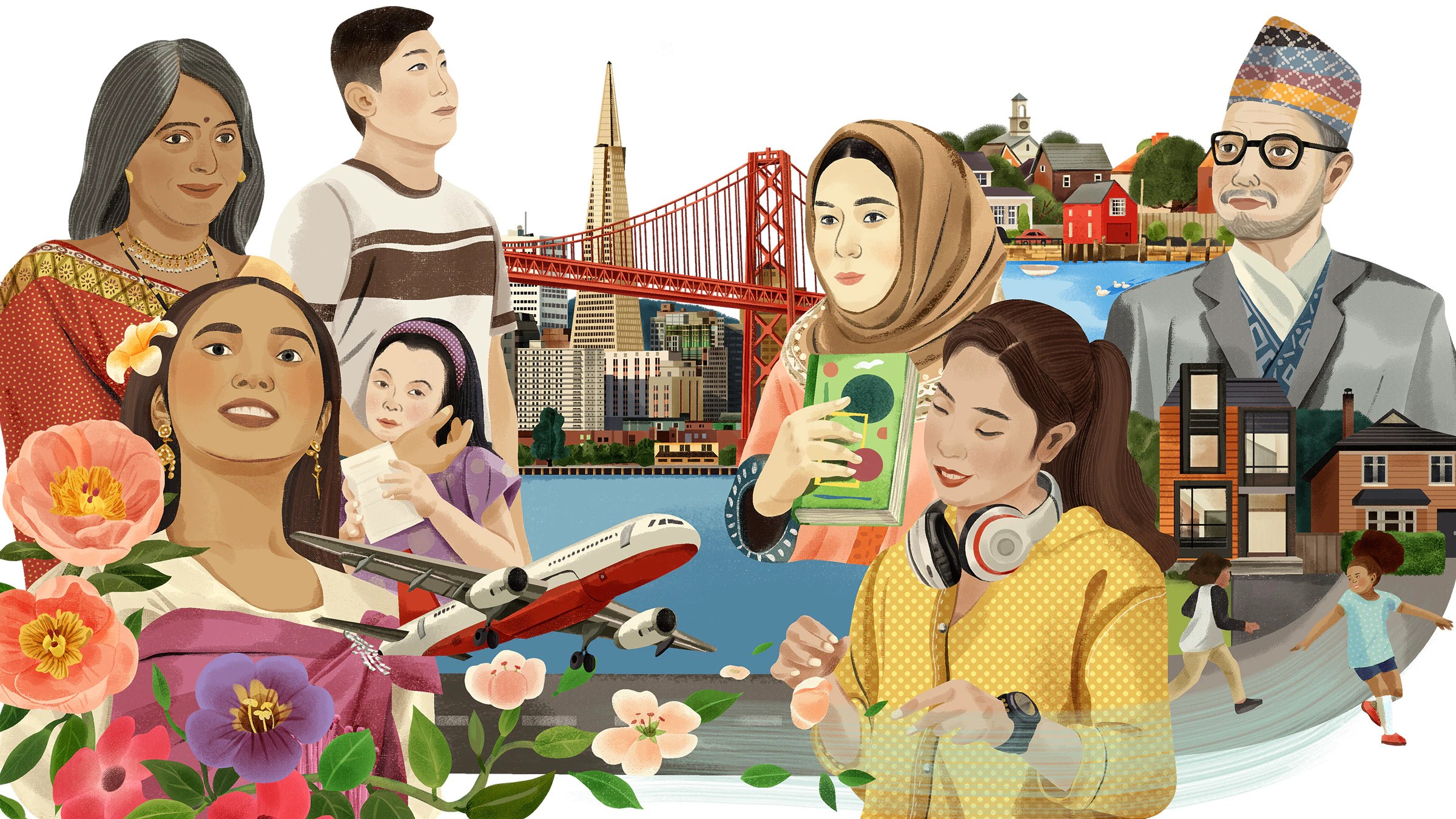
Conversely, a nuanced understanding of “Asian race” can open up significant opportunities for brands. As awareness of diversity grows, consumers increasingly expect to see authentic and inclusive representation. Brands that invest in understanding the specific cultural contexts, linguistic nuances, and consumer preferences within different Asian communities – both in Asia and in the diaspora – can build stronger connections. This involves moving beyond superficial markers of identity to celebrate the richness and complexity of various Asian cultures. It means employing diverse cast members in advertising, collaborating with creators from different Asian backgrounds, and tailoring marketing messages to resonate with specific ethnic and cultural groups, rather than a generalized “Asian” audience.
Navigating the Diaspora: Bridging Cultural Divides
The Asian diaspora presents a unique branding challenge and opportunity. Individuals of Asian descent living outside of their ancestral homelands often navigate a hybrid identity, influenced by both their heritage and their adopted cultures. Brands that can effectively bridge these cultural divides, acknowledging and celebrating this dual identity, are likely to resonate more deeply. This might involve campaigns that speak to shared cultural values while also recognizing the specific lived experiences of diaspora communities. It requires a level of cultural intelligence that goes beyond surface-level recognition, understanding the subtle ways in which identity is performed and expressed across different contexts.
The Strategic Imperative: Rethinking “Asian Race” in Brand Strategy
For brands to succeed in an increasingly globalized and diverse world, a fundamental rethinking of how they approach the concept of “Asian race” is not just advisable, but strategically imperative. This means moving away from generalizations and towards a deep, informed understanding of the myriad identities that fall under this broad umbrella.
Embracing Diversity within the “Asian” Identity
The first step is to acknowledge that “Asian race” is not a singular category. Brands must recognize the vast differences between, for example, East Asian, South Asian, Southeast Asian, and Central Asian cultures. Within these broad regions, there are further layers of ethnic, linguistic, and religious diversity. A successful brand strategy will move beyond a one-size-fits-all approach and instead seek to understand and cater to specific segments. This could involve localized marketing campaigns, culturally relevant product development, and partnerships with diverse influencers and community leaders. The goal is to treat each group with the respect and recognition they deserve, rather than lumping them into an undifferentiated mass.
Authenticity in Representation and Communication
Authenticity is paramount. Consumers, particularly younger generations, are increasingly discerning and can quickly spot inauthentic portrayals. Brands must strive for genuine representation in their advertising, their internal teams, and their product offerings. This means hiring diverse talent, consulting with cultural experts, and actively listening to feedback from the communities they aim to serve. When a brand genuinely understands and respects the nuances of different Asian identities, its communication will feel more genuine, fostering trust and loyalty. This extends beyond mere visual representation to the messaging, tone, and overall narrative that a brand employs.

The Role of Data and Cultural Intelligence
Leveraging data and cultivating cultural intelligence are crucial for effective branding related to diverse populations. This involves more than just demographic data; it requires a deep dive into consumer behavior, cultural values, media consumption habits, and socio-political contexts within specific Asian communities. Brands should invest in market research that is culturally sensitive and designed to uncover these deeper insights. Furthermore, fostering cultural intelligence within marketing teams, through training and diverse hiring, ensures that strategies are developed with a nuanced understanding of the target audience. This proactive approach helps avoid costly missteps and builds a foundation for meaningful and lasting consumer engagement.
In conclusion, the concept of “Asian race” is a potent, yet often misleading, label in the world of branding. For companies seeking to connect with the diverse tapestry of global consumers, a superficial understanding is a recipe for failure. By embracing complexity, committing to authentic representation, and investing in cultural intelligence, brands can transform the challenge of “Asian race” into a powerful opportunity to build genuine connections, foster inclusivity, and achieve sustainable market success. The future of effective branding lies in recognizing and celebrating the rich, diverse identities that make up the vast and dynamic Asian world.
aViewFromTheCave is a participant in the Amazon Services LLC Associates Program, an affiliate advertising program designed to provide a means for sites to earn advertising fees by advertising and linking to Amazon.com. Amazon, the Amazon logo, AmazonSupply, and the AmazonSupply logo are trademarks of Amazon.com, Inc. or its affiliates. As an Amazon Associate we earn affiliate commissions from qualifying purchases.