
In the landscape of global consumer packaged goods (CPG), few products have undergone as significant a strategic transformation as Coca-Cola Zero Sugar. While the casual consumer may simply ask “what is Zero Coke sweetened with,” the answer lies at the intersection of high-level brand strategy, sensory marketing, and a calculated response to shifting global health narratives. The sweeteners—primarily Aspartame and Acesulfame Potassium (Ace-K)—are not merely ingredients; they are the foundational pillars of a multi-billion dollar brand pivot that saved a legacy giant from the “anti-sugar” movement.
To understand why Coca-Cola chose this specific chemical profile, one must look past the nutrition label and into the corporate identity shifts that have defined the last two decades of the beverage industry.
The Evolution of the “Zero” Identity: A Masterclass in Brand Positioning
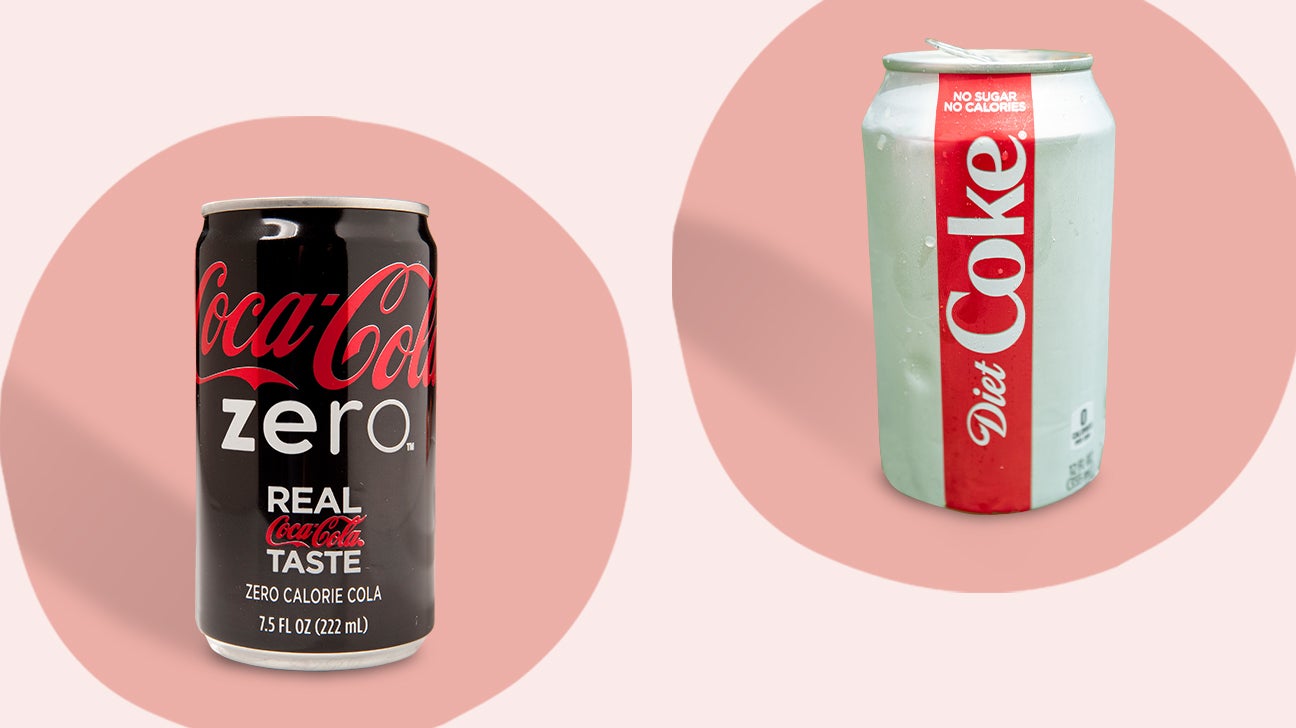
The birth of Coca-Cola Zero in 2005 was not an accident of flavor chemistry; it was a response to a glaring gap in the brand’s portfolio. For decades, Diet Coke had served as the primary sugar-free alternative. However, from a brand strategy perspective, Diet Coke suffered from a “gendered” perception. It was marketed heavily toward women, with a distinct flavor profile that didn’t attempt to mimic the original Coca-Cola Classic.
Moving Beyond the “Diet” Stigma
For many male consumers and younger demographics, the word “diet” carried a specific sociocultural weight that didn’t align with their self-image. Coca-Cola recognized that to maintain market share, they needed a product that promised the “masculine” or “universal” appeal of the original red can without the caloric baggage. The brand strategy for Zero was built on the promise of “Real Taste, Zero Sugar.” By utilizing a specific blend of sweeteners that more closely mimicked the flavor curve of sucrose, the company created a bridge for consumers who loved the flagship brand but were wary of sugar.
The Psychology of “Zero” vs. “Diet”
In branding, nomenclature is everything. “Zero” implies a void—the absence of the “bad” stuff—while “Diet” implies a restrictive lifestyle choice. This subtle shift in branding allowed Coca-Cola to reposition its sugar-free offering as a performance-based or lifestyle-neutral choice. The sweeteners used in Zero Coke were selected specifically to support this claim of “identical” taste, a claim Diet Coke never made.
Decoding the Chemical Composition as a Brand Asset
When we look at what Zero Coke is sweetened with, we are looking at a proprietary balance of Aspartame and Acesulfame Potassium (Ace-K). From a brand management perspective, these ingredients are strategic assets that allow for global consistency—a hallmark of the Coca-Cola corporate identity.
Aspartame and Ace-K: The Science of Taste Consistency
Aspartame provides a clean, sweet taste but lacks the immediate “hit” and lingering mouthfeel of real sugar. To solve this, Coca-Cola brand engineers added Acesulfame Potassium. Ace-K has a faster onset of sweetness and, when blended with Aspartame, creates a synergistic effect that masks the metallic aftertaste often associated with single-sweetener diet sodas.
This specific blend is crucial for the brand’s “taste equity.” Because Coca-Cola is a global brand, the consistency of this flavor profile ensures that a Zero Sugar Coke in Tokyo tastes identical to one in New York. This level of sensory reliability is what builds long-term brand loyalty.
The “New Taste” Controversy and Strategic Pivot
In 2017 and again in 2021, Coca-Cola reformulated Zero Sugar, updating the sweetener ratios and the “natural flavors” used. From a brand strategy lens, this was a high-risk, high-reward move. The 2021 “Best Coke Ever?” campaign was a bold marketing maneuver designed to spark conversation. By tweaking the sweetener delivery system, they weren’t just changing a recipe; they were refreshing the brand’s relevance in a crowded market where competitors like Pepsi Zero Sugar were gaining ground.

Strategic Positioning in a Health-Conscious Economy
The choice of sweeteners in Zero Coke is also a defensive brand strategy against regulatory and social pressures. As governments worldwide implement “sugar taxes” and health organizations label high-fructose corn syrup as a primary driver of metabolic syndrome, Coca-Cola’s corporate identity was at risk of being labeled “unhealthy.”
Targeting the Male Demographic and the “Bro-Zero” Phenomenon
Historically, the “Zero” branding was a calculated move to capture male consumers who shied away from the silver cans of Diet Coke. By using a black label and emphasizing a “no-compromise” flavor, the brand successfully created a new category. This strategic segmentation allowed the company to own two different segments of the sugar-free market simultaneously: the “lifestyle/weight-loss” segment (Diet Coke) and the “flavor-first/sugar-avoidant” segment (Zero Sugar).
Navigating Global Regulatory Pressures
The use of intense sweeteners allows the Coca-Cola Company to navigate the complex landscape of international food laws. By having a robust, popular sugar-free flagship, the brand protects its bottom line against tax hikes on sugary beverages. The sweeteners are the “technology” that enables the brand to remain profitable in markets like the UK and Mexico, where sugar levies have fundamentally changed the economics of the soft drink industry.
The Marketing Masterstroke: Consistency vs. Innovation
One of the greatest challenges in brand strategy is maintaining a legacy while appearing innovative. Coca-Cola Zero Sugar manages this paradox through its visual and sensory identity.
Visual Branding and the Red Disc
Initially, Coke Zero featured a predominantly black label to differentiate it from the Red (Classic) and Silver (Diet). However, in a recent strategic shift toward a “One Brand” strategy, the company moved Zero Sugar closer to the original red aesthetic. The current packaging features the iconic red disc prominently, with black lettering to denote “Zero Sugar.” This is a visual cue to the consumer: This is not a different drink; this is Coca-Cola, just without the sugar. The sweeteners are the silent partners in this visual promise, ensuring the taste doesn’t betray the eyes.
Future-Proofing the Formula
As consumer sentiment fluctuates regarding synthetic sweeteners like Aspartame, the Coca-Cola brand is already looking at “next-gen” sweeteners. The brand strategy is not wedded to a specific chemical, but to the result. Whether it is Stevia blends, Monk Fruit, or new lab-grown compounds, the brand’s identity is built on the ability to replicate the “Coke Experience” without the caloric load. This flexibility is a core component of their long-term corporate strategy.

Conclusion: More Than Just a Recipe
To ask “what is Zero Coke sweetened with” is to ask how a century-old brand survives in a modern, health-obsessed world. The combination of Aspartame and Acesulfame Potassium is the engine, but the brand strategy is the vehicle.
Coca-Cola Zero Sugar represents a masterful execution of brand repositioning. It took a potentially existential threat—the global decline of sugar consumption—and turned it into a growth engine. By focusing on taste parity, aggressive gender-neutral marketing, and a sleek visual identity, Coca-Cola has ensured that “Zero” is not just a nutritional fact, but a powerful sub-brand that commands a massive share of the global beverage market.
In the end, the sweeteners are a testament to the power of the brand. They allow Coca-Cola to remain the “Real Thing,” even when the “thing” itself has been scientifically reinvented for a new generation of consumers. The success of Zero Sugar proves that in the world of global branding, it is not just what you are made of, but how you tell the story of your ingredients that determines your place on the shelf.
aViewFromTheCave is a participant in the Amazon Services LLC Associates Program, an affiliate advertising program designed to provide a means for sites to earn advertising fees by advertising and linking to Amazon.com. Amazon, the Amazon logo, AmazonSupply, and the AmazonSupply logo are trademarks of Amazon.com, Inc. or its affiliates. As an Amazon Associate we earn affiliate commissions from qualifying purchases.