
Generation Z, often hailed as the true digital natives, represents a demographic cohort that has fundamentally reshaped the landscape of consumer behavior, brand perception, and market dynamics. For any brand aiming to establish relevance, foster loyalty, and achieve sustainable growth in the contemporary market, a precise understanding of who Gen Z is—starting with their birth years—is not merely academic; it is strategically imperative. This article delves into the definitive timeline of Generation Z, exploring not just their chronological boundaries but also the defining characteristics that make them a unique and powerful force in the world of branding and commerce.
Defining the Digital Natives: The Birth Years of Generation Z
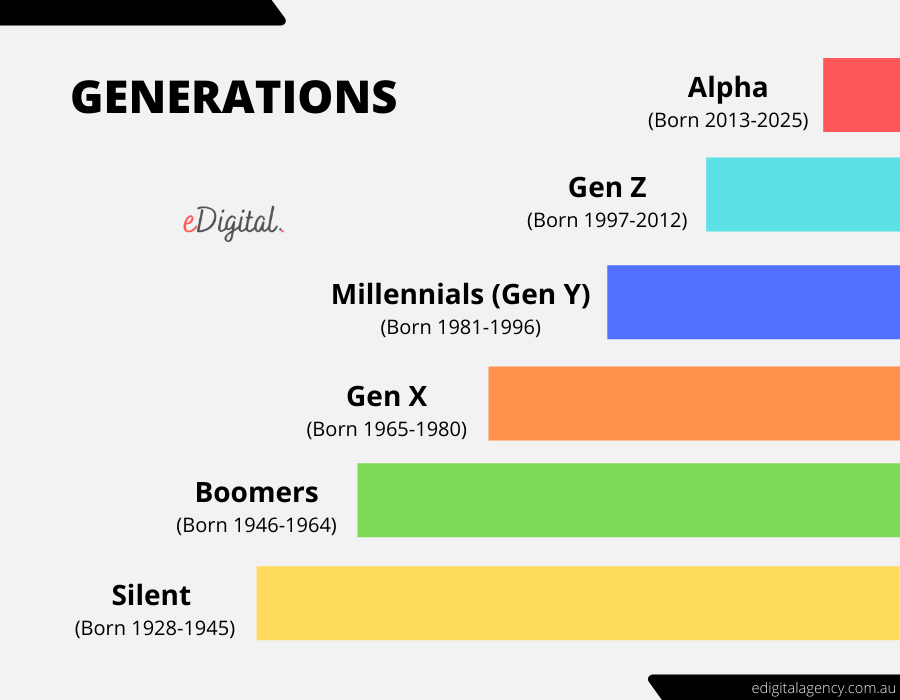
Pinpointing the exact start and end dates for any generation can be fluid, often subject to academic debate and cultural interpretation. However, a strong consensus has emerged regarding the timeframe for Generation Z, providing brands with a crucial framework for demographic targeting and strategic planning.
The Accepted Timeframe: A Global Perspective
While minor variations exist, the widely accepted timeframe for Generation Z typically spans from the mid-to-late 1990s to the early 2010s.
- Start Date: Most demographers and research institutions, including the Pew Research Center, often place the beginning of Gen Z around 1997. Some might push it back to 1995 or forward to 1998, but the general consensus firmly anchors it in the late 1990s.
- End Date: The end point for Gen Z is less rigidly defined but commonly falls around 2012 or 2015. Children born after this period are generally considered part of Generation Alpha.
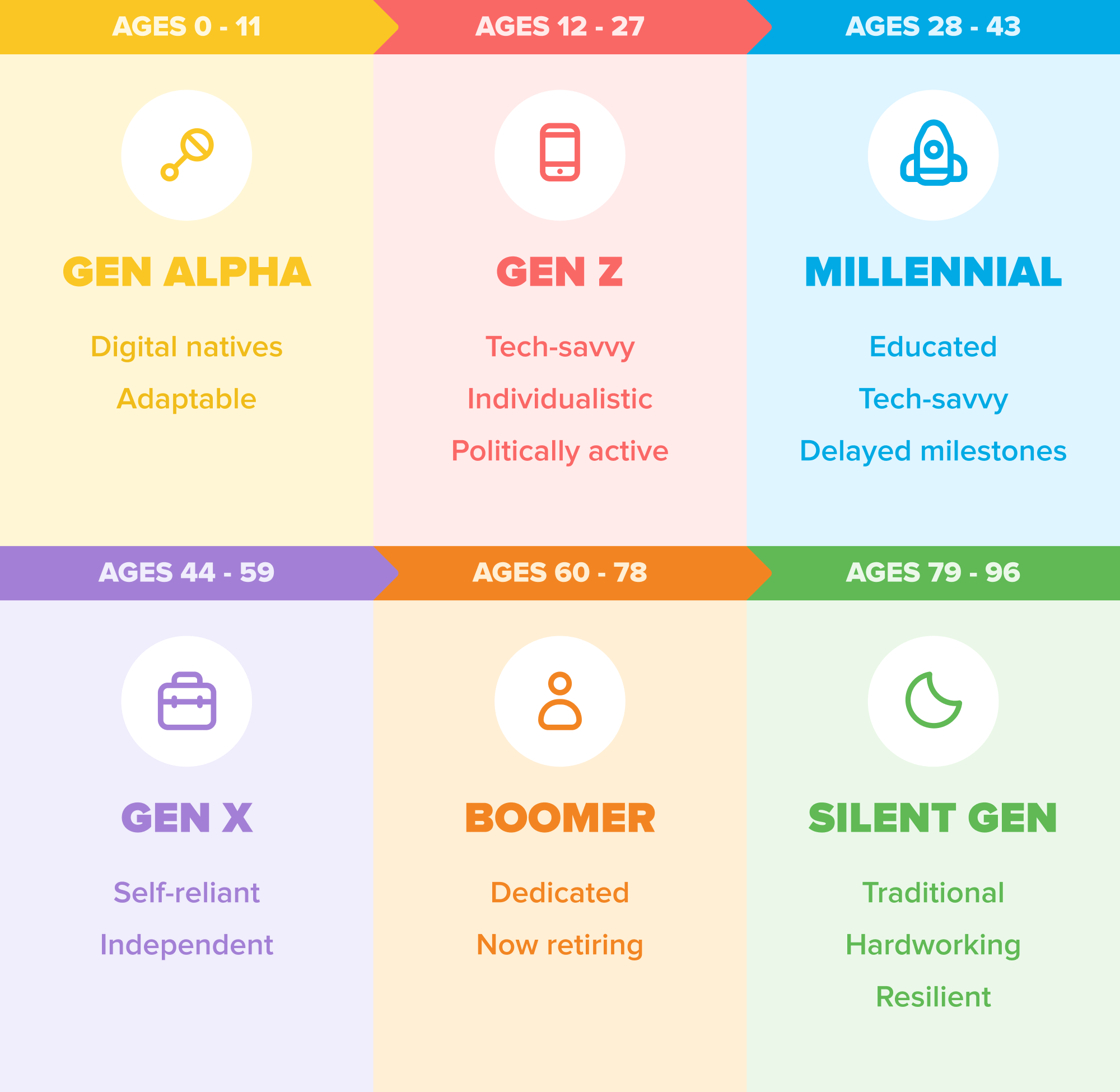
This means that today, the oldest members of Gen Z are in their mid-to-late twenties, entering their prime earning and spending years, while the youngest are still pre-teens or early teenagers, representing the consumers of tomorrow. This broad age range necessitates nuanced brand approaches, acknowledging internal sub-segments within Gen Z itself.
Why the Boundaries Matter for Brands
Understanding these specific birth years is critical for several brand-related reasons:
- Market Segmentation: It allows brands to segment their target audience more accurately, ensuring that marketing messages and product development efforts resonate with the unique life stages and experiences of Gen Z.
- Historical Context and Shared Experiences: The birth years define a shared socio-historical context. Gen Z grew up entirely in the internet age, post-9/11, and during significant global economic shifts. These shared experiences shape their worldview, values, and, consequently, their consumer behavior. Brands can tap into this collective memory and current reality to forge deeper connections.
- Forecasting Consumer Trends: By knowing the age range, brands can predict future purchasing power, evolving needs, and lifestyle trends as this generation matures, enabling proactive product innovation and marketing strategies.
Beyond Birth Years: The Experiential Definition
While birth years provide a numerical boundary, the true essence of Generation Z lies in their lived experience. They are the first generation to never know a world without the internet, smartphones, and social media. This “digital native” status is arguably more defining than their birth certificate year, profoundly influencing their expectations of brands. They are accustomed to instant information, personalized experiences, and constant connectivity, setting a new benchmark for brand engagement.
The Core Characteristics of Generation Z and Their Impact on Branding
Understanding the defining years of Generation Z is merely the first step. To effectively engage this powerful demographic, brands must deeply comprehend the characteristics forged by their unique upbringing and integrate these insights into their core strategies.
Digital Fluency and Hyper-Connectivity: Marketing in the Scroll-First Era
Gen Z’s innate digital fluency transcends mere usage; it’s a fundamental mode of interaction and information consumption. They navigate multiple platforms simultaneously, are adept at filtering information, and possess a high BS-detector for inauthentic content.
- Implications for Brands: Brands must prioritize mobile-first experiences, produce highly engaging and visual content (short-form videos, memes, interactive stories), and maintain a consistent, authentic presence across diverse social media channels (TikTok, Instagram, YouTube, Snapchat). The expectation is instant gratification and seamless digital journeys. Storytelling must be concise, impactful, and designed for immediate capture within a rapidly scrolling feed.
Value-Driven Consumers: Purpose Over Profit
Unlike previous generations, Gen Z shows a pronounced preference for brands that align with their personal values, particularly concerning social justice, environmental sustainability, and ethical business practices. They are not merely interested in a product’s utility but also its provenance and the brand’s broader impact on the world.
- Implications for Brands: Authenticity and transparency are paramount. Brands cannot merely pay lip service to causes; they must demonstrate genuine commitment through their operations, supply chains, and corporate social responsibility initiatives. Purpose-driven marketing resonates deeply, but only if backed by verifiable action. Brands that fail to reflect diverse perspectives or address societal concerns risk alienating this generation entirely.
Diversity and Inclusivity: Representing the Modern World
Gen Z is arguably the most diverse generation in history, both ethnically and in terms of their views on gender identity and sexual orientation. They expect brands to reflect this diversity authentically in their marketing, product offerings, and internal practices.
- Implications for Brands: Tokenism is easily spotted and rejected. Brands need to genuinely embrace inclusivity, not just in their ad campaigns but in who they hire, who they partner with, and how they contribute to a more equitable society. Personalization that caters to individual identities and experiences, rather than broad demographics, becomes increasingly vital.
Pragmatism and Financial Savvy
Despite their youth, many Gen Z individuals exhibit a pragmatic and financially conscious outlook, often influenced by growing up during economic recessions and the rise of student debt. They are savvy researchers, comparing prices, seeking value, and less susceptible to overt consumerism than previous generations.
- Implications for Brands: Brands need to justify their value proposition clearly. Transparent pricing, durable products, and clear benefits outweigh flashy advertising. Subscription models, flexible payment options, and accessible entry points can appeal to their financial prudence. Educational content that empowers them to make informed decisions can also build trust.
Crafting Authentic Brand Strategies for Gen Z Engagement
Given the distinctive characteristics of Generation Z, traditional marketing playbooks often fall short. Brands must adopt innovative and genuine strategies to capture the attention and loyalty of this influential demographic.
Embracing Multi-Platform Presence: Beyond Traditional Channels
Gen Z inhabits a fragmented media landscape. While they may still consume traditional media, their primary engagement happens across a multitude of digital platforms, each with its own nuances and community expectations.
- Strategic Approach: Brands must move beyond a “one-size-fits-all” approach. This means developing platform-specific content strategies for TikTok (short, humorous, viral challenges), Instagram (visual aesthetics, stories, Reels), YouTube (longer-form content, tutorials, vlogs), and even gaming platforms (in-game advertising, brand integrations, esports sponsorships). Presence isn’t enough; active, authentic participation is key.
Content that Connects: Interactive, Immersive, and Ephemeral
Gen Z demands content that is not only informative but also entertaining, interactive, and often ephemeral. They are creators as much as consumers, valuing content that invites participation.
- Strategic Approach: Brands should lean into user-generated content (UGC), encouraging challenges, contests, and co-creation opportunities. Live streams, Q&As, augmented reality (AR) filters, and virtual reality (VR) experiences can offer immersive engagement. The transient nature of stories and short-form videos aligns with their consumption habits, creating a sense of urgency and exclusivity.
The Power of Personalization: One-to-One Marketing at Scale
Having grown up with algorithms curating their digital feeds, Gen Z expects personalized experiences across all brand touchpoints, from product recommendations to communication.
- Strategic Approach: Leveraging data ethically to offer tailored product suggestions, personalized marketing emails, and customized website experiences is crucial. Brands that can create a sense of being “seen” and understood by each individual Gen Zer will build stronger connections. This extends to allowing customization of products and services wherever possible.
Building Community, Not Just Customers
Gen Z values community and belonging. They are drawn to brands that foster a sense of shared identity and purpose, transforming transactional relationships into something more meaningful.
- Strategic Approach: Brands can cultivate online communities around shared interests, values, or passions related to their products. This involves active engagement in social groups, hosting virtual events, and creating spaces where Gen Zers can connect with each other and the brand. Empowering brand advocates and micro-influencers to lead these communities can significantly amplify reach and authenticity.
The Evolution of Brand Loyalty in the Gen Z Landscape
Brand loyalty, a cornerstone of sustainable business, has undergone a significant transformation with the rise of Generation Z. Their unique values and digital habits have redefined what it means for a brand to earn and retain customer allegiance.
Transactional vs. Relational Loyalty: What Drives Repeat Business?
For Gen Z, loyalty is less about habit or convenience and more about an ongoing relationship built on shared values and consistent positive experiences. They are willing to switch brands if their current choice fails to meet their evolving expectations or ethical standards.
- Brand Implications: Loyalty programs need to offer more than just discounts. They should provide exclusive access to communities, unique experiences, early product releases, or opportunities to contribute to causes the brand supports. Building a strong brand narrative and consistent value delivery is paramount to fostering relational loyalty.
The Influence of Peers and Micro-Influencers
Gen Z places a high degree of trust in authentic voices – their peers, friends, and micro-influencers who share similar interests and lifestyles. They are skeptical of celebrity endorsements and overly polished corporate messaging.
- Brand Implications: Brands must strategically partner with micro-influencers whose followers genuinely align with the brand’s values and products. Encouraging user-generated content and creating opportunities for organic advocacy among their customer base is more effective than traditional advertising. Authenticity in endorsements is key; paid partnerships must still feel genuine.
Brand Switching and Adaptability: The Challenge of Retention
The sheer volume of choice, coupled with easy access to information and peer reviews, means Gen Z has a lower barrier to switching brands. If a brand disappoints, fails to innovate, or falls out of alignment with their values, they will quickly move on.
- Brand Implications: Constant innovation, active listening to customer feedback, and continuous adaptation are essential for retention. Brands need to stay agile, monitor trends, and proactively address any potential missteps. Furthermore, focusing on exceptional customer service and creating seamless, positive experiences at every touchpoint can significantly enhance retention.
Preparing for the Future: Gen Z as Economic Powerhouses and Brand Architects
As the youngest members of Gen Z mature and the older ones solidify their careers, their collective economic power will continue to swell, making them an increasingly dominant force in consumer markets. Their influence extends beyond mere purchasing decisions; they are also shaping the future of brand engagement.
Emerging Purchasing Power and Market Dominance
The oldest Gen Zers are already in positions of influence and have substantial disposable income, and this trend will only accelerate. They are not just consumers; they are future leaders, innovators, and decision-makers in their own right.
- Brand Implications: Investing in understanding and engaging Gen Z now is an investment in the future viability and relevance of a brand. Those who build strong relationships early will reap significant long-term rewards as this generation moves into its prime spending years and leadership roles.
Gen Z as Brand Advocates and Critics
Gen Z is vocal and empowered. They are quick to praise brands that impress them and equally quick to call out those that fall short, leveraging their digital platforms to amplify their voices.
- Brand Implications: Brands must be prepared for both viral advocacy and potential backlash. This necessitates robust social listening strategies, proactive crisis management plans, and a genuine commitment to transparent communication. Empowering positive advocates and responding constructively to criticism can turn challenges into opportunities for growth and deeper connection.

Adaptability and Continuous Learning for Brands
The digital landscape and cultural values are in constant flux, and Gen Z is at the forefront of these changes. What works today may not work tomorrow.
- Brand Implications: Brands must cultivate a culture of continuous learning and experimentation. Staying informed about emerging platforms, evolving Gen Z values, and new communication styles is non-negotiable. Agility, humility, and a willingness to adapt are the ultimate keys to navigating the complex, dynamic world shaped by Generation Z.
By understanding that Generation Z’s years span primarily from the late 1990s to the early 2010s, and by deeply engaging with the characteristics born from that timeline, brands can move beyond generic marketing to forge meaningful, authentic, and lasting connections with this transformative generation.
aViewFromTheCave is a participant in the Amazon Services LLC Associates Program, an affiliate advertising program designed to provide a means for sites to earn advertising fees by advertising and linking to Amazon.com. Amazon, the Amazon logo, AmazonSupply, and the AmazonSupply logo are trademarks of Amazon.com, Inc. or its affiliates. As an Amazon Associate we earn affiliate commissions from qualifying purchases.