
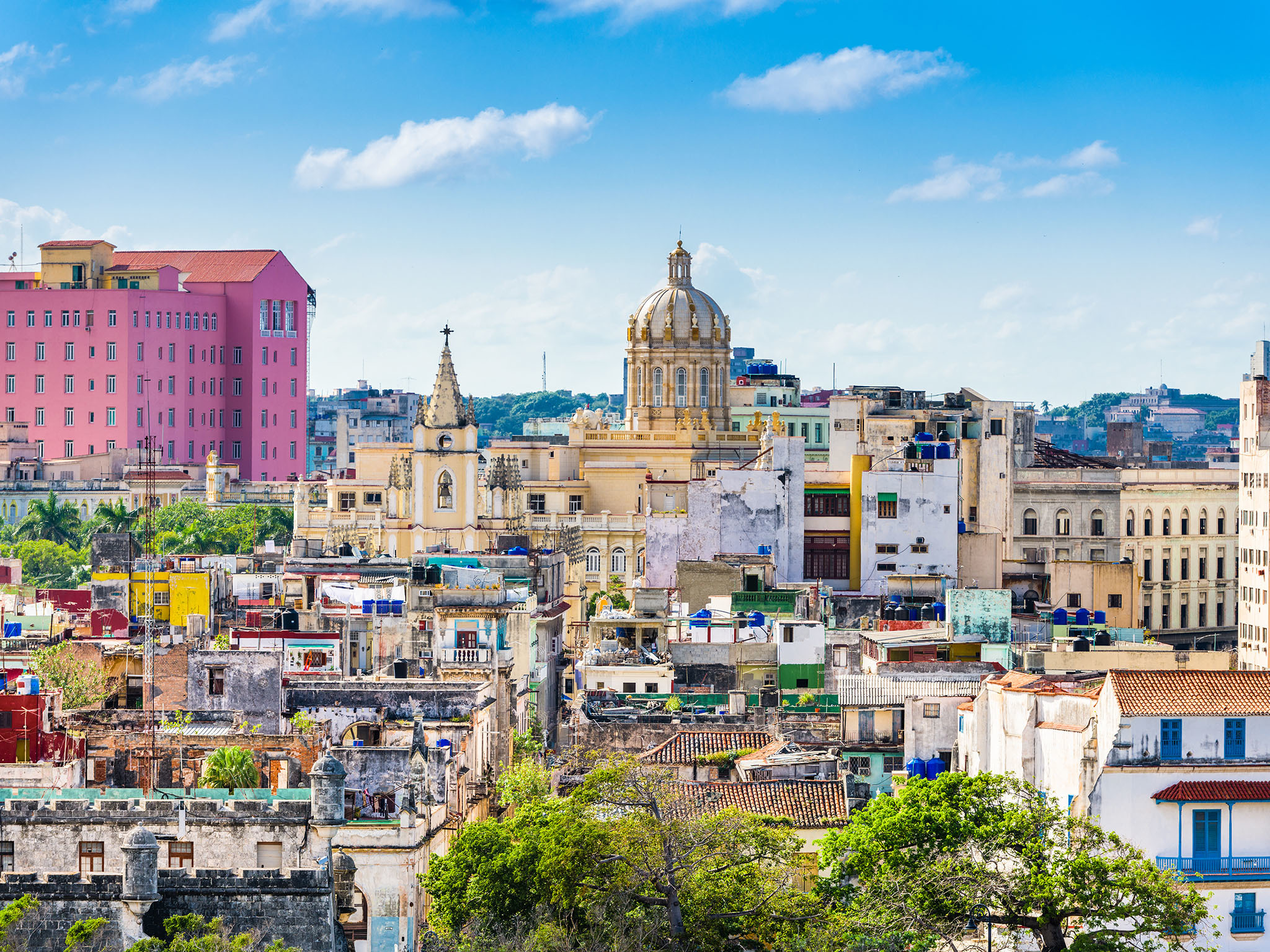
When most people consider what to see and do in Cuba, their minds immediately drift toward the vibrant streets of Old Havana or the pristine sands of Varadero. However, for the astute financial professional, investor, or entrepreneur, the real “attraction” in Cuba lies in its uniquely complex and rapidly evolving economic landscape. Cuba represents one of the final frontiers of emerging markets—a nation in the midst of a historic transition from a centralized state economy to a more diversified model that incorporates private enterprise and foreign capital.
Navigating the financial ecosystem of Cuba requires more than just a passing interest in economics; it requires an understanding of a system where traditional Western banking rules often do not apply, and where “value” is often determined by a mix of official policy and informal market demand.
Navigating the Complexities of the Cuban Monetary System
To understand the “money” side of Cuba, one must first master the intricacies of its currency. For decades, Cuba operated under a dual-currency system that baffled tourists and economists alike. While the unification process began in 2021, the current financial environment remains multi-layered and volatile.
The Transition from the CUC/CUP Dual System
Historically, Cuba utilized the Cuban Convertible Peso (CUC), pegged to the US dollar, and the Cuban Peso (CUP), used by locals for state-subsidized goods. The “Tarea Ordenamiento” (Ordering Task) launched in early 2021 sought to eliminate the CUC, leaving the CUP as the sole national currency. From a financial planning perspective, this move was intended to make the economy more transparent and efficient. However, the timing—coinciding with the global pandemic—led to significant inflationary pressures. Investors must recognize that while the official exchange rate exists, the real-world value of the CUP is dictated by the informal market, which often deviates sharply from state-mandated figures.
The Rise of MLC and Digital Currency Liquidity
In response to a shortage of hard foreign currency, the Cuban government introduced the MLC (Moneda Libremente Convertible). This is a virtual currency, essentially a dollar-pegged credit used via magnetic cards to purchase imported goods in specialized state stores. For those looking to do business or live in Cuba, understanding the MLC is vital. It represents the primary bridge between the domestic economy and global markets. Because cash USD or Euros cannot always be deposited directly into Cuban banks without significant fees or restrictions, the MLC has become a critical unit of account for the burgeoning private sector.
Emerging Opportunities in the Private Sector (MSMEs)
Perhaps the most significant “sight” for a business-minded visitor in Cuba is the explosion of MIPYMES (Micro, Small, and Medium-sized Enterprises). In late 2021, the Cuban government legalized private companies for the first time in over six decades, fundamentally changing the nation’s financial DNA.
The Growth of Pymes and Entrepreneurial Dynamics
Since the legalization of MSMEs, thousands of private businesses have been registered, covering everything from food production and construction to software development and logistics. For an observer of market trends, this represents a massive shift in how capital flows within the country. These entities are now allowed to import goods directly (through state intermediaries) and set their own prices based on supply and demand. This “new” money is creating a middle class of entrepreneurs who are hungry for efficiency-boosting tools, financial consulting, and supply chain solutions.
Foreign Investment Laws: Risks and Potential Rewards
Cuba’s Law 118 on Foreign Investment is the primary framework for international capital entering the island. While the state remains a majority partner in many sectors—particularly those involving natural resources—there are increasing avenues for 100% foreign-owned entities in specific zones like the Mariel Special Development Zone (ZEDM). The financial draw here is the tax holiday and the strategic geographic location of Cuba as a Caribbean logistics hub. However, the savvy investor must weigh these benefits against the “country risk,” which includes regulatory shifts and the ongoing impact of international sanctions.
The Cost of Doing Business and Living in Cuba
For digital nomads, consultants, or foreign executives, “what to see and do” in Cuba involves managing a unique set of operational costs. The island does not operate on a standard credit-card-driven economy, and financial logistics can be a full-time job.
Real Estate and Property Rights for Foreigners
Property in Cuba is a nuanced topic. While the 2019 Constitution recognized private property, the market for foreigners is largely restricted to “Real Estate for Foreigners,” which typically involves specific apartment complexes in Havana (like the Monte Carlo or Atlantic buildings). For those looking at commercial real estate, long-term leases and joint ventures are the standard. Understanding the legal distinctions between “usufruct” (the right to use land) and “ownership” is essential for anyone looking to sink significant capital into Cuban brick and mortar.
Operational Costs for Digital Nomads and Expats
Living in Cuba as a foreign professional requires a high degree of financial agility. Because of the disconnect between official and informal exchange rates, the cost of living can fluctuate wildly. A “professional” lifestyle—including reliable internet (via 4G or fiber in specific hubs), private transport, and imported goods—is often priced in foreign currency or its MLC equivalent. Budgeting for a venture in Cuba means accounting for “hidden” costs, such as the need for backup power systems and the premium paid for logistics in a high-scarcity environment.
Strategic Sectors for Future Financial Growth
Beyond the immediate bustle of small businesses, there are macro-level sectors where “big money” is looking to find a foothold. Identifying these sectors is key to understanding the long-term economic trajectory of the island.
Tourism Infrastructure and Service Innovation
Tourism remains the locomotive of the Cuban economy. However, the focus is shifting from state-run all-inclusive resorts to high-end boutique experiences and specialized services. There is a massive financial gap in the “service layer” of tourism—transportation apps, high-quality food supply chains, and digital booking platforms that can navigate the specific regulatory hurdles of the island. Capitalizing on this requires an understanding of how to blend international hospitality standards with local operational realities.
The Export Potential of Cuban Biotechnology
One of Cuba’s most valuable intellectual assets is its biotechnology sector. For decades, the country has invested heavily in R&D, producing world-class vaccines and lung cancer treatments. From a venture capital or partnership perspective, this is a sector with immense untapped potential. The challenge—and the opportunity—lies in bridging the gap between Cuban scientific innovation and global pharmaceutical markets. Investors who can facilitate clinical trials, international patenting, and global distribution stand to gain from a sector that is largely decoupled from the traditional tourism-based economy.
Risk Management and Financial Planning
No analysis of Cuba’s money landscape would be complete without a sobering look at the risks involved. Financial success in Cuba is as much about risk mitigation as it is about identifying opportunity.
Navigating Regulatory Frameworks and Sanctions
The primary hurdle for any financial engagement in Cuba is the complex web of international sanctions, particularly the U.S. embargo. This creates “over-compliance” issues where international banks are hesitant to process any transaction involving Cuba. For a business to survive, it must have robust legal counsel and a clear understanding of OFAC (Office of Foreign Assets Control) regulations. Successful financial actors in Cuba often utilize complex payment gateways and third-country intermediaries to maintain liquidity and compliance.
Long-term Economic Outlook and Portfolio Diversification
Is Cuba a “buy” or a “hold”? The answer depends on your time horizon. In the short term, the economy faces significant hurdles: high inflation, energy shortages, and a liquidity crisis. However, from a long-term diversification perspective, Cuba offers something few other places do: a highly educated workforce, a strategic location, and an economy that is “under-banked” and “under-teched.” For the patient investor, the “value” in Cuba is found in the foundational build-out of a modern economy.
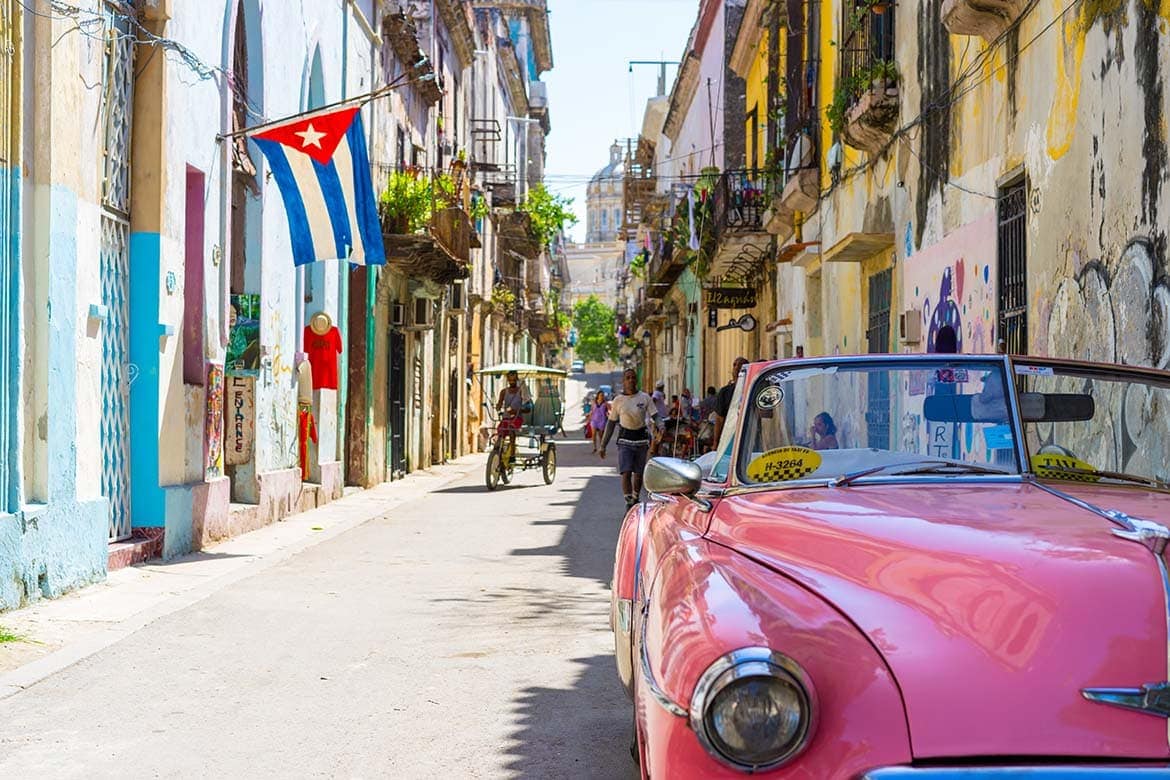
In conclusion, “what to see and do in Cuba” from a financial perspective is to witness the birth of a new market. It is an environment that rewards those who can look past the vintage cars and see the emerging MSME, the biotech patent, and the digital currency shift. While the risks are undeniable, the potential for those who understand the unique mechanics of Cuban “money” is equally significant. Navigating this island requires a blend of macroeconomic theory and street-level financial pragmatism—a combination that defines the next generation of global emerging market specialists.
aViewFromTheCave is a participant in the Amazon Services LLC Associates Program, an affiliate advertising program designed to provide a means for sites to earn advertising fees by advertising and linking to Amazon.com. Amazon, the Amazon logo, AmazonSupply, and the AmazonSupply logo are trademarks of Amazon.com, Inc. or its affiliates. As an Amazon Associate we earn affiliate commissions from qualifying purchases.