
The Zenger trial, a pivotal legal battle from 1735, stands not merely as a historical footnote but as a foundational case study in the evolution of communication, reputation management, and the very underpinnings of brand strategy. While centuries removed from digital marketing and corporate identity, the principles at stake during the trial of John Peter Zenger—a German immigrant printer in colonial New York—laid crucial groundwork for how brands communicate, how public figures manage their image, and the essential role of transparency and accountability in shaping public perception. At its core, the Zenger trial was a high-stakes conflict over the control of public narrative, a struggle for the “brand” of truth and the freedom to challenge authority without fear of arbitrary reprisal.
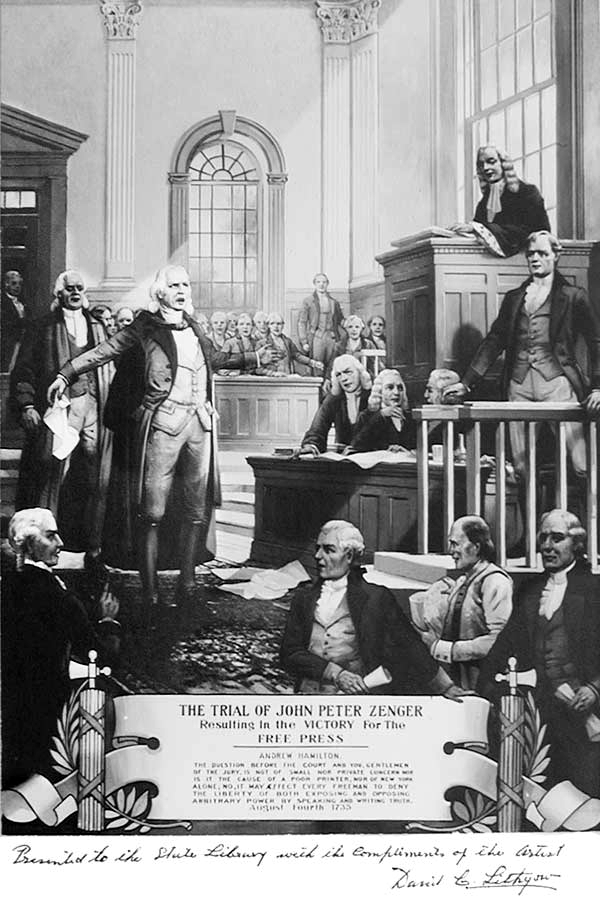
The Genesis of a Reputation Battle: Zenger, Cosby, and the Colonial Press
The saga began with William Cosby, the notoriously corrupt and autocratic British colonial governor of New York. Cosby’s administration was marked by avarice, favoritism, and a blatant disregard for colonial liberties, rapidly eroding public trust and severely damaging his personal and governmental “brand.” In an era long before social media and 24/7 news cycles, the primary conduit for public discourse and the shaping of opinion was the printing press. Recognizing the power of the printed word to influence public sentiment, a faction of New York’s elite, opposed to Cosby, sought a platform to voice their grievances.
A Governor’s Authority Challenged
Cosby’s brand of governance was one of absolute power, intolerant of dissent. His actions, including attempts to manipulate the judiciary and demand exorbitant fees, created widespread discontent. However, openly criticizing a governor carried immense risks, primarily charges of seditious libel—a severe offense designed to protect the authority and reputation of the crown’s representatives, irrespective of the truth of the statements. This legal framework essentially granted public figures an unassailable “brand” that could not be questioned, regardless of their conduct.
The opposition recognized that to counter Cosby’s power, they needed to dismantle his public image and expose the truth of his misdeeds. This required a medium that could bypass official censorship and directly engage the populace. In this context, the newspaper became a powerful tool for brand advocacy and counter-messaging.
The Role of the Printer as a Public Voice
Enter John Peter Zenger, a relatively obscure printer. In 1733, Zenger began publishing The New York Weekly Journal, a newspaper founded by Cosby’s political opponents, notably James Alexander and William Smith. Unlike the official government gazette, Zenger’s Journal fearlessly published satirical articles and critical reports detailing Cosby’s abuses of power, his financial improprieties, and the perceived corruption of his appointed officials.
From a brand perspective, Zenger’s Journal served as an early form of independent media, providing a critical counter-narrative to the carefully curated image Cosby attempted to project. It challenged the governor’s personal brand by exposing discrepancies between his claims of legitimate authority and the reality of his actions. Zenger’s press became a crucial platform for shaping public opinion, transforming abstract political discontent into tangible, widely distributed critiques that resonated with the populace. This act of publishing, daring to print the “unvarnished truth” as perceived by many colonists, directly threatened Cosby’s authority and his meticulously guarded reputation.
Crafting Public Opinion: Early Marketing and the Power of the Printed Word
The charges of seditious libel brought against Zenger by Governor Cosby were a desperate attempt to silence dissent and reassert control over the narrative. Cosby sought to protect his damaged brand by prosecuting Zenger for “falsely, maliciously, seditiously, and scandalously” printing criticisms that tended to “bring into contempt His Majesty’s Government.” This legal challenge was not just about Zenger; it was about defining the boundaries of public discourse and the acceptable limits of challenging a public figure’s brand.
The “Truth Defense” and Its Brand Implications
The prevailing legal doctrine at the time held that the truth was no defense against libel. In fact, a truthful statement that damaged a reputation was considered more libelous because it was more likely to incite unrest. This legal framework was a shield for unchecked power, allowing public figures to maintain an artificial brand image regardless of their actual conduct.
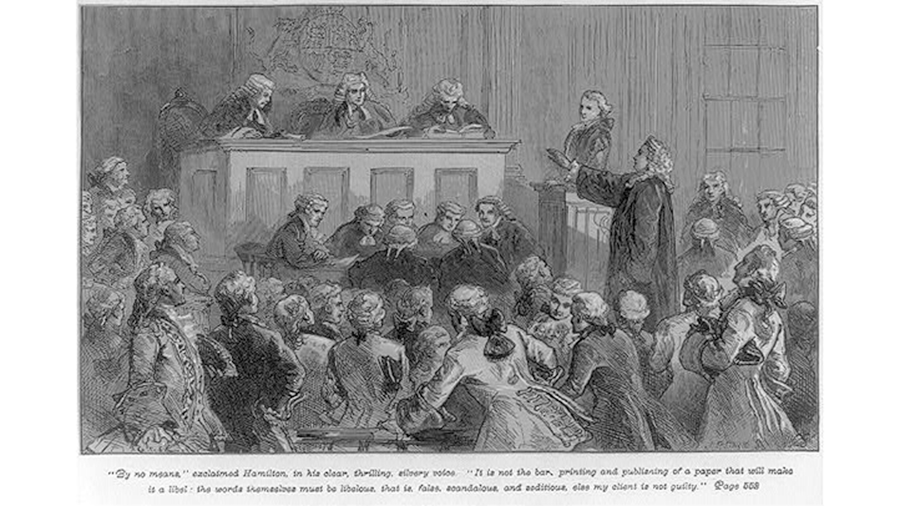
However, Zenger’s defense attorney, Andrew Hamilton, a renowned lawyer from Philadelphia, dramatically challenged this established precedent. Hamilton argued that “the loss of liberty to the people of New York” was the greater threat and that Zenger should be acquitted if the statements he published were true. Hamilton’s argument was revolutionary for its time, asserting that the truth should be a legitimate defense. This wasn’t merely a legal maneuver; it was a profound statement about brand authenticity and the right of the public to be informed.
This “truth defense” fundamentally shifted the conversation from whether Zenger damaged Cosby’s reputation to whether Cosby deserved his reputation. It implied that a brand (personal or corporate) built on falsehoods or corrupt practices had no inherent right to protection from exposure. Hamilton’s defense laid the groundwork for the idea that for a brand to maintain credibility, its communication must align with its reality.
Shifting Perceptions: From Libel to Liberty
The jury, composed of local citizens, ultimately sided with Zenger, delivering a verdict of “not guilty.” This acquittal was a landmark decision that sent shockwaves throughout the colonies. It signaled a profound shift in public perception and legal interpretation. The jury’s decision essentially validated the idea that the press had a right, and perhaps even a duty, to criticize government officials, provided those criticisms were factual.
From a brand perspective, the Zenger verdict underscored the power of authentic communication over manufactured perception. It demonstrated that attempts to suppress truth, even in the service of protecting an official’s brand, could backfire spectacularly. Cosby’s actions to silence Zenger ultimately amplified the criticisms and exposed the very corruption he sought to conceal, further tarnishing his brand beyond repair. The trial itself became a massive public relations event, with Zenger, initially a target, emerging as a hero of free expression.
Establishing a Precedent for Brand Communication: Transparency and Accountability
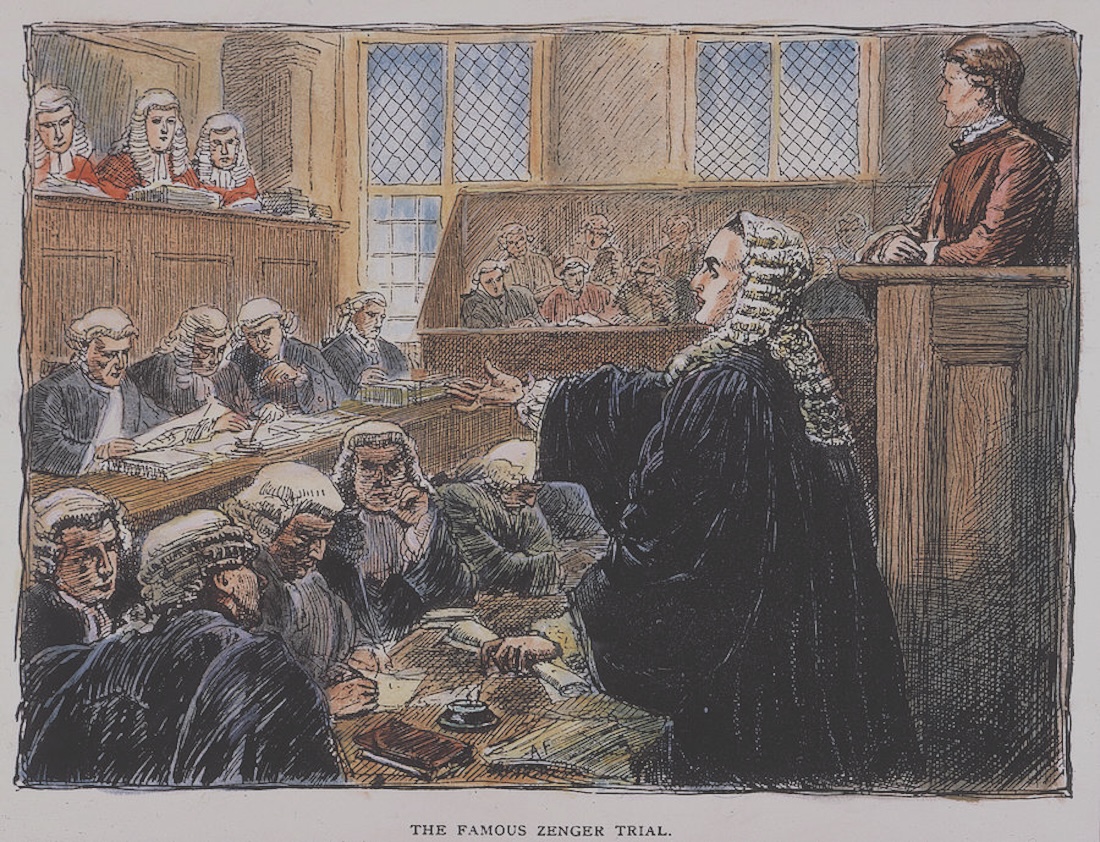
The Zenger trial’s impact resonated far beyond colonial New York, directly influencing the development of press freedom and, by extension, the principles of ethical brand communication that we recognize today. Its legacy is deeply intertwined with the concepts of transparency, accountability, and the role of independent scrutiny in maintaining public trust.
The Foundation for Ethical Public Relations
The notion that truth could be a defense against libel was a radical departure that established an early framework for ethical public relations. It suggested that a public figure or an organization (a “brand”) could no longer simply dictate its narrative through unchallenged official pronouncements. Instead, its reputation would, to a greater extent, be judged on the factual accuracy of its communications and the verifiable reality of its actions.
This was a nascent form of the ethical imperative that modern brand strategists now champion: be transparent, be authentic, and let your actions speak louder than your words. The Zenger verdict essentially told power holders: “If you want to maintain a positive brand image, you must conduct yourselves in a manner that withstands public scrutiny and truthful reporting.”
Protecting the “Brand” of Free Expression
More broadly, the Zenger trial became a symbol for the “brand” of free expression itself. It championed the right of the press to serve as a watchdog, an independent entity capable of holding power accountable. This role is crucial for a healthy marketplace of ideas, where diverse viewpoints can be aired, and informed decisions can be made. For any brand operating in a democratic society, this means navigating a media landscape where scrutiny is not just possible but expected.
The trial reinforced the idea that an informed public is essential for self-governance, and that suppressing truthful information, even if it damages a public figure’s or institution’s brand, is ultimately detrimental to society. This principle underpins the trust consumers place in media and, by extension, the trust they place in brands that are transparent and responsive to public inquiry.
The Zenger Legacy: Modern Branding, Media Scrutiny, and Corporate Responsibility
The ripples of the Zenger trial are profoundly felt in contemporary brand strategy and corporate communications. The freedom of the press and the establishment of truth as a defense against libel have created an environment where brands cannot exist in a vacuum, dictating their own narrative unchallenged.
Navigating Reputation in the Digital Age
In the digital age, where information spreads instantaneously and globally, the lessons of Zenger are more pertinent than ever. Social media platforms act as thousands of mini-newspapers, where individuals and groups can scrutinize, praise, or condemn brands in real-time. A single truthful (or perceived as truthful) negative post can quickly erode a carefully cultivated brand image.
Modern brands operate under constant media scrutiny, not just from professional journalists but from consumers themselves. The Zenger trial established the foundational principle that if a brand is misleading, unethical, or fails to live up to its promises, its reputation is vulnerable to exposure. The “truth defense” has evolved into a societal expectation of authenticity and transparency from all organizations. Brands that attempt to suppress criticism or distort facts often face severe backlashes, much like Governor Cosby’s brand suffered.
The Enduring Value of Credibility and Trust
The Zenger trial solidified the understanding that credibility and trust are the most valuable assets for any brand, be it a public official, a corporation, or an individual. When Zenger’s Journal published factual accounts of Cosby’s misdeeds, it earned the trust of its readers, distinguishing itself from the government’s controlled narrative.
Today, brands invest heavily in building and maintaining trust through consistent, honest communication, ethical practices, and demonstrable corporate responsibility. They understand that their “brand promise” must align with their actual performance. The Zenger case demonstrated that the court of public opinion, when armed with truth, can be a more powerful arbiter of reputation than legal statutes designed to protect power.
Lessons for Today’s Brand Strategists
The Zenger trial offers enduring lessons for anyone involved in brand strategy, marketing, and public relations. It underscores the profound impact of truth, transparency, and the free flow of information on reputation.
Truth as a Cornerstone of Brand Integrity
The most significant takeaway is that truth is not just an ethical ideal but a strategic imperative for brand integrity. Brands that operate with transparency, acknowledge their shortcomings, and base their communications on verifiable facts are more likely to build lasting trust with their audience. Attempts to obfuscate, mislead, or silence critics, reminiscent of Governor Cosby’s actions, are ultimately unsustainable and detrimental to long-term brand equity. In an age of unprecedented access to information, authenticity trumps artifice every time.
The Power of Independent Media in Shaping Brand Narratives
The Zenger trial highlighted the critical role of independent media in shaping and holding accountable the narratives of powerful entities. For modern brands, this translates into understanding and respecting the power of diverse media channels—from traditional news outlets to social media influencers and consumer review platforms. Brands must engage with these channels proactively, transparently, and respectfully, recognizing that external voices often carry more weight than internal pronouncements. The ability to engage constructively with scrutiny, rather than trying to suppress it, is a hallmark of strong, resilient brands in the post-Zenger world. The trial fundamentally demonstrated that in the battle for public opinion, the ability to communicate truth freely is the ultimate arbiter of a brand’s legitimacy and enduring appeal.
aViewFromTheCave is a participant in the Amazon Services LLC Associates Program, an affiliate advertising program designed to provide a means for sites to earn advertising fees by advertising and linking to Amazon.com. Amazon, the Amazon logo, AmazonSupply, and the AmazonSupply logo are trademarks of Amazon.com, Inc. or its affiliates. As an Amazon Associate we earn affiliate commissions from qualifying purchases.