
In the landscape of personal finance, few skills are as foundational and transformative as the ability to set and adhere to a budget plan. Often perceived as restrictive or daunting, budgeting is, in reality, a powerful tool for financial empowerment. It’s not about depriving yourself, but rather about understanding where your money goes, making conscious choices aligned with your values and goals, and ultimately, building a more secure and prosperous future. Without a clear budget, financial resources can dissipate without a trace, leaving individuals feeling adrift and constantly playing catch-up. This comprehensive guide will demystify the process, providing a practical framework for creating a budget plan that works for you, fostering a sense of control and clarity over your financial life.
Understanding the ‘Why’ Behind Your Budget
Before diving into the mechanics of numbers and spreadsheets, it’s crucial to first establish the underlying motivation for budgeting. A budget is more than just a ledger; it’s a strategic roadmap that helps you navigate towards specific financial destinations. By clearly defining your objectives, you imbue your budget with purpose, making it a powerful ally rather than a burdensome task.
Identifying Your Financial Goals
The cornerstone of any effective budget is a clear understanding of what you’re trying to achieve. These goals can span various timeframes and levels of ambition, but all benefit from being specific, measurable, achievable, relevant, and time-bound (SMART).
- Short-term Goals (1-3 years): These might include building an emergency fund (typically 3-6 months of living expenses), paying off a high-interest credit card, saving for a down payment on a car, or funding a much-anticipated vacation. Having tangible, near-term goals provides immediate motivation and a sense of progress.
- Long-term Goals (3+ years): This category often encompasses larger aspirations like saving for a home down payment, funding a child’s education, planning for retirement, starting a business, or achieving financial independence. While further off, these goals provide a guiding star for consistent saving and disciplined spending over many years.
By articulating these goals, you shift budgeting from a reactive chore to a proactive strategy. Each decision about spending or saving can then be weighed against its contribution to these desired outcomes, making the process inherently more meaningful.
The Psychology of Spending and Saving
Our relationship with money is deeply intertwined with our psychology. Understanding the emotional triggers behind our spending habits is just as important as tracking the numbers. Are you an impulse buyer? Do you spend more when stressed or celebrating? Is there a fear of missing out (FOMO) that drives certain purchases? Recognizing these patterns allows you to develop strategies to mitigate their impact. Similarly, cultivating a positive psychology around saving – viewing it as an act of self-care and future empowerment, rather than deprivation – can significantly enhance your budgeting success. Financial literacy extends beyond arithmetic; it involves a deep self-awareness of your monetary mindset.
The Core Components of a Budget Plan
Once your ‘why’ is firmly established, it’s time to gather the essential ingredients for constructing your budget. This involves a systematic approach to understanding your financial inflows and outflows.
Tracking Your Income: The Foundation
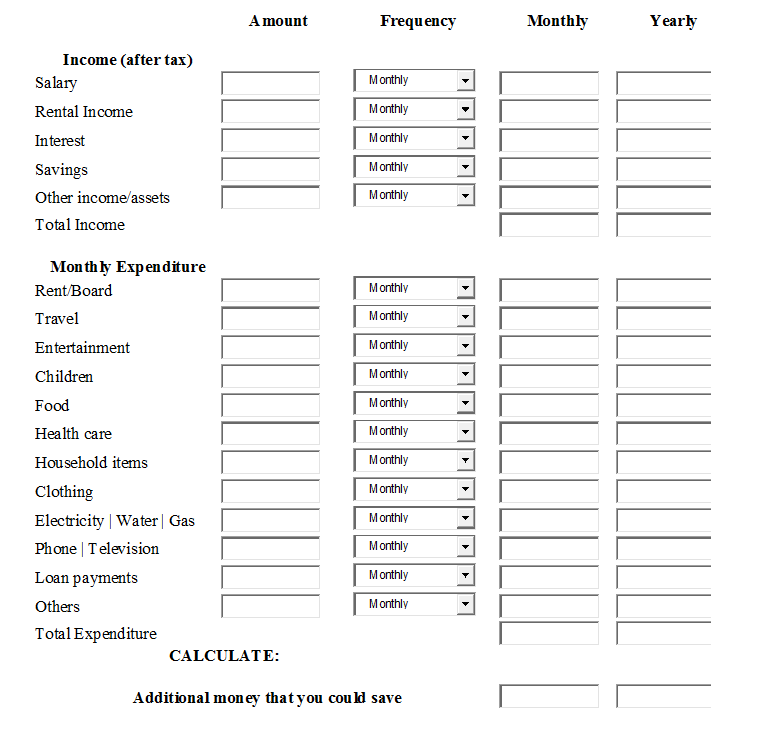
The starting point for any budget is an accurate assessment of your income. This includes all money you receive regularly.
- Fixed Income: This is typically your net pay (after taxes, deductions, and contributions) from your primary employment. If you receive a consistent salary, this is straightforward.
- Variable Income: For those with freelance work, commissions, bonuses, or multiple income streams, accurately projecting variable income can be more challenging. In such cases, it’s often prudent to budget based on your lowest consistent income or an average over several months, ensuring you don’t over-allocate funds you might not receive.
Be meticulous in accounting for all sources of income. This figure will serve as the ceiling for your total expenses and savings.
Categorizing Your Expenses: Fixed vs. Variable
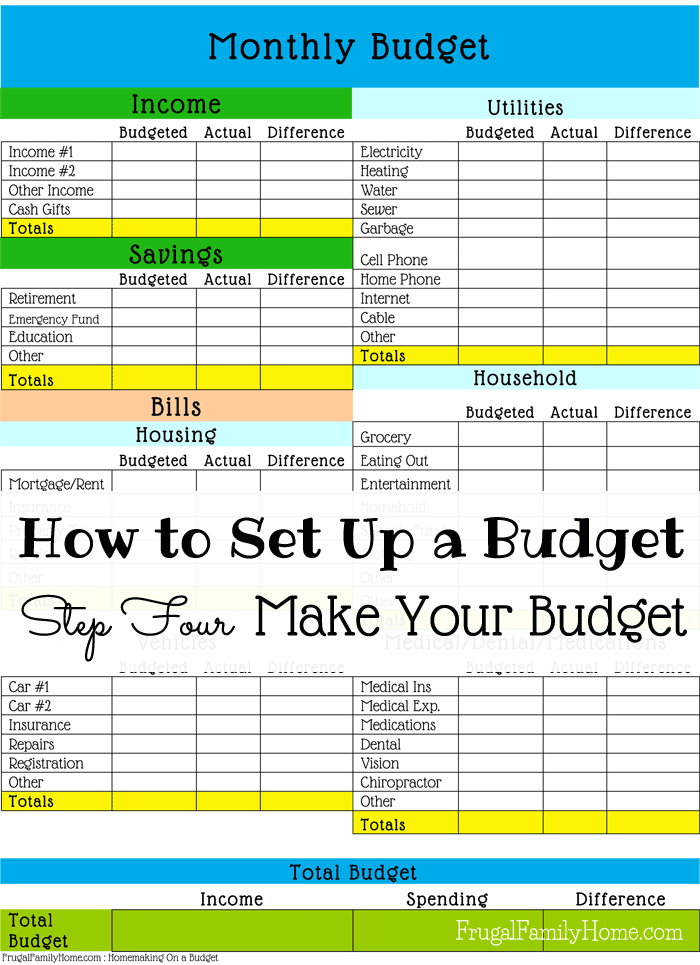
The next critical step is to identify and categorize every dollar that leaves your bank account. This requires a period of diligent tracking – typically one to three months – to get a realistic picture of your spending habits. You can use bank statements, credit card statements, or even a simple notebook.
- Fixed Expenses: These are costs that generally remain the same each month and are difficult to change in the short term. Examples include rent/mortgage payments, loan payments (car, student), insurance premiums, and subscriptions. These are your non-negotiables.
- Variable Expenses: These costs fluctuate month-to-month and offer the most flexibility for adjustment. Examples include groceries, dining out, entertainment, transportation (gas, public transit), utilities (which can have a variable component), and personal care. This category is where you have the most direct control over your spending.
It’s helpful to break down variable expenses into more granular sub-categories (e.g., “groceries,” “restaurant meals,” “coffee”) to pinpoint specific areas where adjustments might be most effective.
Differentiating Needs vs. Wants
A cornerstone of mindful spending within a budget is the ability to distinguish between needs and wants.
- Needs: These are essential for survival and basic functioning – shelter, food, utilities, essential transportation, and basic healthcare. These are expenses you cannot reasonably eliminate without significant detriment to your well-being.
- Wants: These are discretionary expenses that enhance your quality of life but are not strictly necessary – dining out, premium streaming services, new gadgets, designer clothes, elaborate vacations, and most entertainment.
While wants contribute to enjoyment, they are also the primary area where spending can be reduced or eliminated to free up funds for savings or debt repayment. This distinction doesn’t mean eliminating all wants, but rather making conscious decisions about which wants align with your financial goals and which can be deferred or cut back.
Choosing Your Budgeting Method
There isn’t a one-size-fits-all approach to budgeting. The best method is the one you can consistently stick to. Here are several popular approaches, each with its own merits:
The 50/30/20 Rule
This is one of the most straightforward and popular budgeting frameworks. It suggests allocating your after-tax income as follows:
- 50% to Needs: This covers essential expenses like housing, utilities, groceries, transportation, and minimum loan payments.
- 30% to Wants: This includes discretionary spending like dining out, entertainment, hobbies, and shopping for non-essentials.
- 20% to Savings & Debt Repayment: This portion goes towards building an emergency fund, retirement savings, investing, and paying down debt beyond minimum payments.
The 50/30/20 rule is excellent for its simplicity and flexibility, providing a broad guideline rather than rigid categories.
Zero-Based Budgeting
With zero-based budgeting, every dollar of your income is assigned a specific job – whether it’s an expense, a saving goal, or debt repayment – until your income minus your expenses and savings equals zero. The idea is to avoid having “unassigned” money that can be spent thoughtlessly. This method requires meticulous planning at the beginning of each month but provides a high level of control and ensures intentionality with every dollar. It’s particularly effective for those who want to be very precise about their financial allocations.
Envelope System/Cash Budgeting
This traditional method is ideal for those who struggle with overspending on variable expenses using credit or debit cards. You withdraw cash for specific variable categories (e.g., groceries, entertainment, dining out) at the beginning of the month and place it into physical envelopes. Once the money in an envelope is gone, you stop spending in that category until the next budgeting cycle. This tangibility makes spending more conscious and provides an immediate visual cue for limits.
Paycheck-to-Paycheck Budgeting (Calendar Method)
This method is useful for individuals who get paid bi-weekly or semi-monthly and need to ensure their bills are covered throughout the month. Instead of budgeting for the entire month, you plan what each paycheck will cover until your next one arrives. You list all income and expenses on a calendar, mapping out when money comes in and when bills are due, ensuring sufficient funds are available for each obligation. This provides clarity and reduces stress for those with irregular pay cycles or tight financial margins.
Implementing and Maintaining Your Budget
Creating the budget is only half the battle; the real success comes from consistent implementation and regular maintenance.
Tools and Technology for Budgeting
While you can budget with pen and paper or a simple spreadsheet, various financial tools can streamline the process. Budgeting apps (many free, some paid) can link to your bank accounts, automatically categorize transactions, and provide real-time updates on your spending. Spreadsheets offer greater customization and control for those who prefer a hands-on approach. The key is to choose a tool that you find intuitive and engaging, as consistent interaction is vital. These tools save time and offer insights, making tracking more efficient.
Regular Review and Adjustment
A budget is not a static document; it’s a living financial plan. Life happens – income changes, expenses shift, and goals evolve. It’s crucial to review your budget at least once a month, ideally before your next income cycle, to assess its effectiveness.
- Track Actual vs. Budgeted: Compare what you actually spent against what you budgeted for each category.
- Identify Discrepancies: Where did you overspend? Where did you underspend?
- Adjust Categories: If certain categories consistently go over budget, adjust them to be more realistic, or find ways to cut back in those areas. Conversely, if you consistently have leftover funds, allocate them to savings or debt repayment.
Regular adjustments ensure your budget remains relevant and effective, reflecting your current financial reality.
Handling Unexpected Expenses and Building an Emergency Fund
One of the primary benefits of budgeting is the ability to prepare for the unforeseen. Life is unpredictable, and emergencies (car repairs, medical bills, job loss) are inevitable. A robust budget incorporates a plan for these eventualities, with building an emergency fund being a top priority. This fund, typically held in a separate, easily accessible savings account, acts as a financial safety net, preventing you from derailing your budget or going into debt when crises arise. Aim for 3-6 months of living expenses initially, and adjust based on your personal risk tolerance.
Celebrating Small Wins and Staying Motivated
Budgeting can be a marathon, not a sprint. Acknowledge and celebrate your progress along the way. Did you stick to your grocery budget for the month? Did you hit a savings milestone? Reward yourself in small, non-budget-breaking ways. This positive reinforcement can significantly boost morale and maintain motivation, turning a potentially tedious task into a rewarding journey towards financial freedom.
Common Budgeting Pitfalls and How to Avoid Them
Even with the best intentions, pitfalls can emerge. Being aware of these common mistakes can help you navigate around them.
Unrealistic Expectations
One of the biggest reasons budgets fail is setting overly ambitious or restrictive goals from the outset. Cutting out all discretionary spending overnight is rarely sustainable. Start with small, manageable changes. If you typically spend $500 on dining out, don’t suddenly budget $50. Aim for $400 initially, then gradually reduce it. Realistic expectations foster long-term adherence and prevent burnout.
Neglecting Small Expenses
The “latte factor” is a classic example: small, seemingly insignificant daily purchases can add up to substantial amounts over time. These “phantom expenses” often go untracked and can silently derail your budget. Be diligent in tracking every single expense, no matter how minor. This awareness is the first step to making conscious choices about these small outflows.
Lack of Flexibility
A rigid budget that doesn’t account for life’s variations is destined to break. If your budget is so tight that any minor deviation causes it to unravel, it’s not serving its purpose. Build in a “miscellaneous” or “buffer” category for unexpected small expenses that don’t fit neatly elsewhere. This flexibility prevents frustration and encourages adaptation rather than abandonment. Remember, a budget is a guide, not a straitjacket.

Conclusion
Setting a budget plan is not merely an exercise in financial accounting; it is an act of intentional living. It empowers you to make deliberate choices about your money, aligning your spending with your values and propelling you towards your most cherished financial goals. While it requires discipline and consistent effort, the rewards—reduced financial stress, increased savings, accelerated debt repayment, and ultimately, greater financial freedom—are immeasurable. By understanding your income and expenses, choosing a method that suits your lifestyle, diligently tracking your progress, and making regular adjustments, you transform your financial landscape. Embrace the journey of budgeting, for it is the surest path to taking control of your financial destiny and building the future you envision.
aViewFromTheCave is a participant in the Amazon Services LLC Associates Program, an affiliate advertising program designed to provide a means for sites to earn advertising fees by advertising and linking to Amazon.com. Amazon, the Amazon logo, AmazonSupply, and the AmazonSupply logo are trademarks of Amazon.com, Inc. or its affiliates. As an Amazon Associate we earn affiliate commissions from qualifying purchases.