
Defining the “best” airline in America is a quest that often leads to spirited debate, reflecting the diverse priorities and experiences of millions of travelers. What constitutes “best” is rarely a universal truth; instead, it is a fluid concept, deeply rooted in individual expectations, travel needs, and, most critically, the powerful and pervasive influence of an airline’s brand. In the fiercely competitive American aviation landscape, airlines don’t just sell seats; they sell experiences, trust, and a promise of reliable passage, all encapsulated within their unique brand identity. This article delves into how airline brands are built, perceived, and maintained, and how these branding efforts ultimately shape our answer to the question of who truly stands out as the “best.”
The Elusive Definition of “Best”: A Brand Perspective
The notion of “best” in the airline industry transcends simple operational metrics like on-time performance or baggage handling rates. While these are certainly crucial components of service delivery, they are ultimately instrumental in forming a deeper, more enduring brand perception. An airline’s brand is its promise to the customer, its reputation, and the emotional connection it fosters. It’s the sum total of every interaction, every marketing message, and every story shared by those who have flown with it.
Beyond Metrics: The Emotional Connection of a Brand
At its core, a strong airline brand is built on trust and an emotional resonance with its passengers. Travelers often choose an airline not just for its price or route, but because they feel good about flying with it. This feeling stems from consistent positive experiences, a sense of reliability, and a perception of care. Airlines cultivate this emotional connection through a myriad of brand-building activities: from the tone of voice in their customer service to the comfort of their cabins, and the aspirational imagery used in their advertising. A brand like Southwest, for example, has successfully carved out a niche with its “fun-loving” and “customer-friendly” persona, turning what could be a transactional experience into something more personable and enjoyable. This emotional connection transforms a mere service provider into a preferred brand.
Segmenting the Market: “Best” for Whom?
The American airline market is far from monolithic, comprising legacy carriers, low-cost giants, and regional specialists. Each segment strives to be “best” within its specific niche, meticulously crafting a brand identity tailored to its target demographic. For instance, a budget airline like Spirit aims to be “best” for travelers prioritizing the lowest possible fare, branding itself around affordability and no-frills travel. Conversely, a premium carrier might position itself as “best” for business travelers or those seeking luxury, emphasizing comfort, service, and exclusive amenities.
Legacy carriers such as Delta, American, and United often attempt to strike a balance, offering tiered services that cater to both budget-conscious leisure travelers and high-spending business customers. Their branding challenge is to maintain a cohesive corporate identity while also differentiating their various product offerings (e.g., Basic Economy vs. Delta One). This segmentation highlights that “best” is intrinsically tied to meeting specific customer needs, and an airline’s brand strategy must clearly communicate who it serves and how it serves them uniquely.
Crafting Brand Excellence Through Customer Experience
In the airline industry, the customer experience is the brand. Every touchpoint, from the moment a traveler considers booking a flight to the retrieval of their baggage, contributes to the overarching perception of an airline’s brand quality and reliability. Consistent, positive experiences are the bedrock upon which a strong brand reputation is built.
The Journey as the Brand: Touchpoints and Consistency
An airline journey is a complex sequence of interactions, each presenting an opportunity to reinforce or detract from the brand. The ease of navigating an airline’s website or mobile app for booking and managing flights sets the initial tone. A seamless digital experience signals efficiency and customer-centricity. Upon arrival at the airport, the efficiency of check-in, the clarity of signage, and the demeanor of ground staff further shape perception. Onboard, the comfort of the seat, the quality of in-flight entertainment, the availability of Wi-Fi, and, most critically, the professionalism and empathy of the cabin crew are all powerful brand ambassadors.
A truly “best” airline brand understands that consistency across all these touchpoints is paramount. A single negative experience, such as a rude gate agent or a prolonged delay handled poorly, can quickly erode carefully cultivated brand equity. Therefore, investment in staff training, robust operational systems, and intuitive technology are not merely operational expenses but strategic brand-building imperatives.
Innovation as a Brand Differentiator
In an industry where basic service can feel commoditized, innovation serves as a crucial brand differentiator. Airlines that invest in cutting-edge technology and enhanced passenger comfort signal a commitment to customer satisfaction and forward-thinking excellence. This can manifest in various ways: state-of-the-art in-flight entertainment systems offering a vast library of content, faster and more reliable Wi-Fi, personalized journey updates via mobile apps, or even biometric boarding processes.
Beyond digital innovation, airlines also differentiate through physical improvements – new, fuel-efficient aircraft with quieter cabins, ergonomically designed seats, and refreshed cabin aesthetics that reflect a modern and inviting brand image. For example, Delta’s consistent investment in fleet modernization and cabin upgrades has been a key part of its strategy to position itself as a premium, customer-focused brand, justifying its higher price points through a superior travel experience. Such innovations are not just about convenience; they are tangible expressions of an airline’s brand promise to deliver a superior product.
Crisis Management and Brand Resilience
Even the most meticulously crafted brand can face unforeseen challenges – severe weather disruptions, technical glitches, or global events like pandemics. How an airline responds to these crises is a defining moment for its brand resilience. Transparency, proactive communication, and swift, customer-centric solutions become paramount. Airlines that handle disruptions with empathy, clear instructions, and tangible support (e.g., rebooking assistance, meal vouchers) reinforce their brand as reliable and caring, even when things go wrong.
Conversely, a poorly managed crisis with confusing communication, lack of support, or a perceived indifference to passenger plight can severely damage brand trust and loyalty, taking years to rebuild. A brand’s true character is often revealed during adversity, making effective crisis management an indispensable component of maintaining a “best-in-class” airline brand.
The Power of Brand Loyalty and Marketing
Beyond direct experience, an airline’s brand is continually shaped and reinforced through strategic loyalty programs and compelling marketing narratives. These tools are designed to foster long-term relationships and embed the brand firmly in the customer’s mind.
Loyalty Programs: More Than Just Miles
Airline loyalty programs, often misconstrued as simple points systems, are sophisticated brand-building instruments. Frequent flyer programs like Delta SkyMiles, American AAdvantage, or United MileagePlus are designed to cultivate deep customer relationships, incentivize repeat business, and create a sense of belonging among an airline’s most valuable passengers. Tiers of status (e.g., Platinum, Gold) offer exclusive benefits such as priority boarding, lounge access, upgrades, and dedicated customer service lines. These benefits don’t just reward loyalty; they elevate the brand experience for these privileged members, reinforcing the airline’s commitment to its most dedicated customers.
The psychological aspect is significant: members feel recognized and valued, which strengthens their emotional attachment to the brand. These programs transform transactional customers into brand advocates, who then contribute to positive word-of-mouth and reinforce the airline’s reputation as a “best” choice.
Storytelling and Advertising: Shaping Perception
Marketing and advertising play a vital role in articulating an airline’s brand values and aspirations. Through carefully crafted campaigns, airlines tell stories that go beyond mere flight schedules, evoking emotions, highlighting unique selling propositions, and painting pictures of aspirational travel experiences. Whether it’s showcasing breathtaking destinations, emphasizing friendly service, or illustrating technological advancements, advertising is key to shaping public perception.
Social media has further empowered airlines to engage directly with their audience, allowing for real-time interaction, customer support, and dynamic storytelling. A well-managed social media presence can humanize the brand, build a community, and swiftly address customer feedback, all contributing to a more responsive and relatable brand image. For instance, Southwest’s quirky and approachable social media persona mirrors its in-flight experience, creating a cohesive brand narrative.
Corporate Identity and Design: Visualizing the Brand
An airline’s corporate identity – its logo, livery (the paint scheme on its aircraft), cabin aesthetics, and uniform designs – are powerful visual cues that immediately communicate its brand message. These elements are not merely decorative; they are strategic assets designed to convey professionalism, safety, modernity, or even a sense of heritage.
A sleek, modern livery like Alaska Airlines’ updated design can signal forward-thinking progress, while a classic, elegant cabin interior might emphasize luxury and comfort. Uniforms that are both functional and stylish contribute to an image of competence and care among flight attendants and ground staff. Every visual element is an opportunity to reinforce the brand’s identity and differentiate it from competitors, making these design choices critical to establishing a “best-in-class” aesthetic.
Leading Contenders and Their Brand Strategies
While “best” is subjective, certain airlines consistently feature in discussions due to their robust brand strategies and strong customer loyalty.
Delta Air Lines: The Premium Reliability Brand
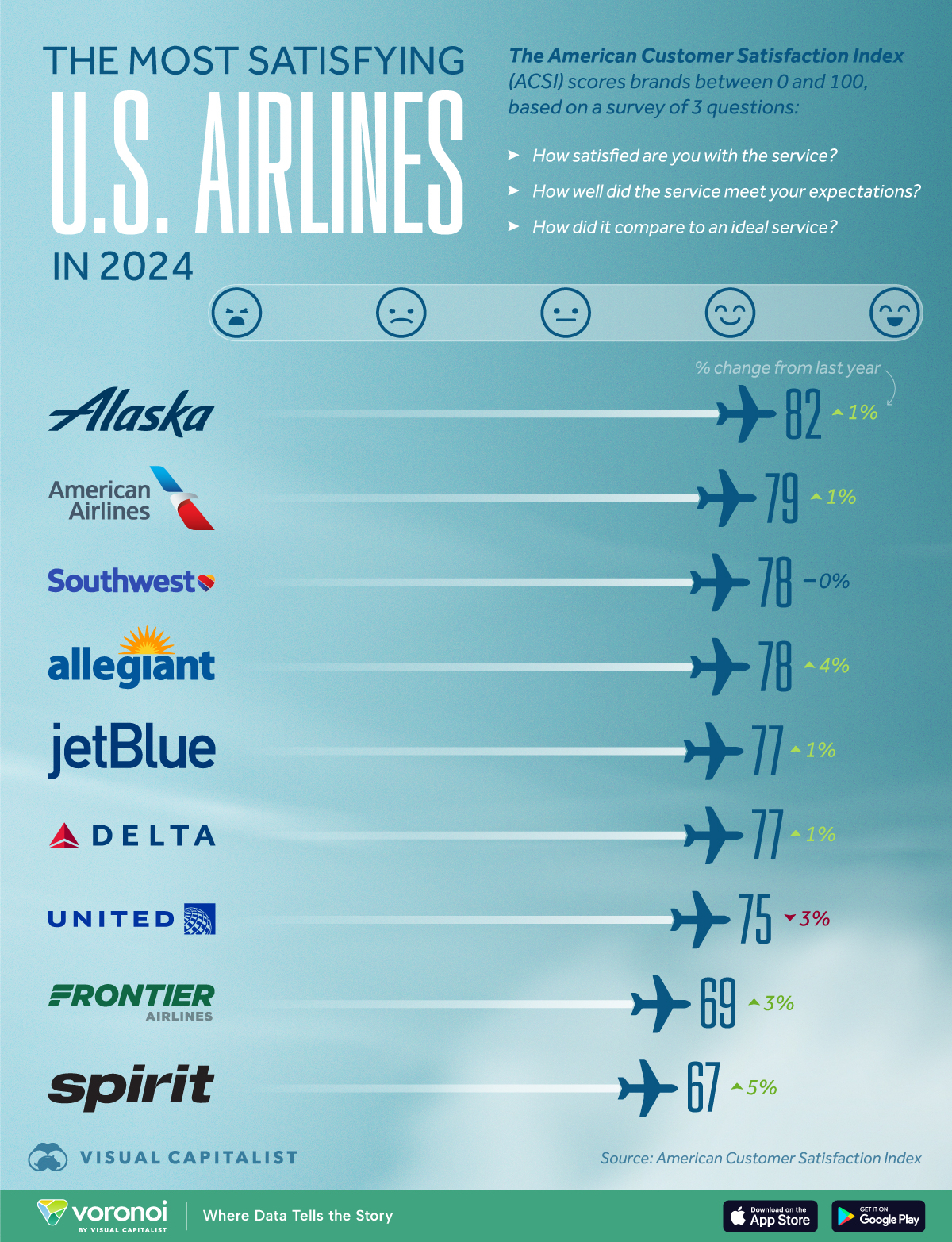
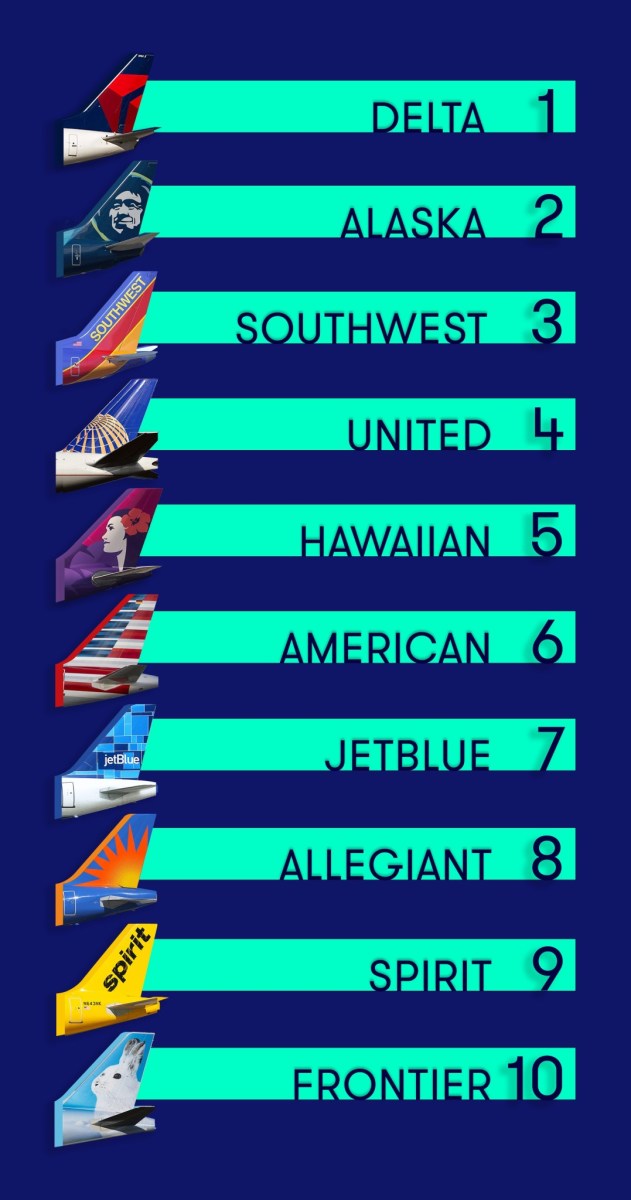
Delta has consistently invested in operational reliability and customer experience, strategically positioning itself as a premium legacy carrier. Its brand promise centers on consistency, operational excellence, and a high level of service. Delta’s brand identity is supported by investments in new aircraft, modernized airport facilities, extensive global routes, and a highly regarded loyalty program. They actively market themselves on their fewer cancellations and on-time performance, building a brand reputation as the reliable choice for discerning travelers, especially those for whom consistency is paramount.
Southwest Airlines: The Value-Driven, Fun Brand
Southwest stands apart with a unique brand ethos built on value, simplicity, and a fun, friendly culture. Its “bags fly free” policy, open seating, and personable flight attendants are cornerstones of its brand. Southwest’s marketing often emphasizes its low fares and hassle-free approach, appealing to leisure travelers and those seeking a straightforward, enjoyable journey. The airline’s consistent internal culture of employee satisfaction translates directly into its customer-facing brand, making it a favorite for many who prioritize a cheerful and transparent travel experience.
Alaska Airlines: The West Coast Champion with a Personal Touch
Alaska Airlines has cultivated a strong regional brand, particularly on the West Coast, built on excellent customer service, a strong loyalty program, and a commitment to its local communities. Its brand image is one of approachability, efficiency, and a personal touch often missing in larger carriers. Alaska’s focus on maintaining high customer satisfaction scores and a reputation for being easy to do business with has solidified its position as a “best” choice for many within its network, proving that a strong regional brand can compete effectively.
United/American (Legacy Carriers): Navigating Brand Transformation
Both United and American, as long-standing legacy carriers, face the continuous challenge of modernizing their brands while honoring their extensive histories. Their brand strategies involve substantial investments in fleet upgrades, technology, and service improvements to compete with more agile competitors and improve historically mixed customer perceptions. Their focus is often on leveraging vast global networks and catering to diverse traveler segments, working to unify disparate brand experiences under a refreshed, more positive corporate identity.

Conclusion
Ultimately, the question “what is the best airline in America?” has no single, definitive answer because “best” is inherently a function of individual priorities and how well an airline’s brand aligns with those priorities. However, what is clear is that achieving and maintaining “best” status is fundamentally a branding challenge. It’s about building a compelling corporate identity that resonates with a target audience, consistently delivering on a brand promise through superior customer experiences, strategically leveraging loyalty programs, and crafting engaging marketing narratives.
The truly “best” airline is not merely the one with the newest planes or the cheapest tickets. It is the one that most successfully cultivates a brand that inspires trust, fosters an emotional connection, and delivers a consistent, high-quality experience across every single touchpoint. It is the airline that earns not just market share, but genuine customer affection and unwavering loyalty, proving that in the skies above America, a strong brand is indeed the ultimate competitive advantage.
aViewFromTheCave is a participant in the Amazon Services LLC Associates Program, an affiliate advertising program designed to provide a means for sites to earn advertising fees by advertising and linking to Amazon.com. Amazon, the Amazon logo, AmazonSupply, and the AmazonSupply logo are trademarks of Amazon.com, Inc. or its affiliates. As an Amazon Associate we earn affiliate commissions from qualifying purchases.