
The term “wet lab” conjures images of bubbling beakers, intricate glassware, and scientists in lab coats meticulously handling samples. Far from a relic of the past, the wet lab remains the foundational crucible for discovery and innovation across a myriad of scientific and technological fields. At its core, a wet lab is a physical laboratory space where experiments are conducted using chemicals, biological materials, and other physical substances in a liquid state. This hands-on, empirical approach is indispensable for generating new data, validating hypotheses, and developing novel technologies that shape our world, from advanced pharmaceuticals to revolutionary materials.
Defining the Wet Lab Environment
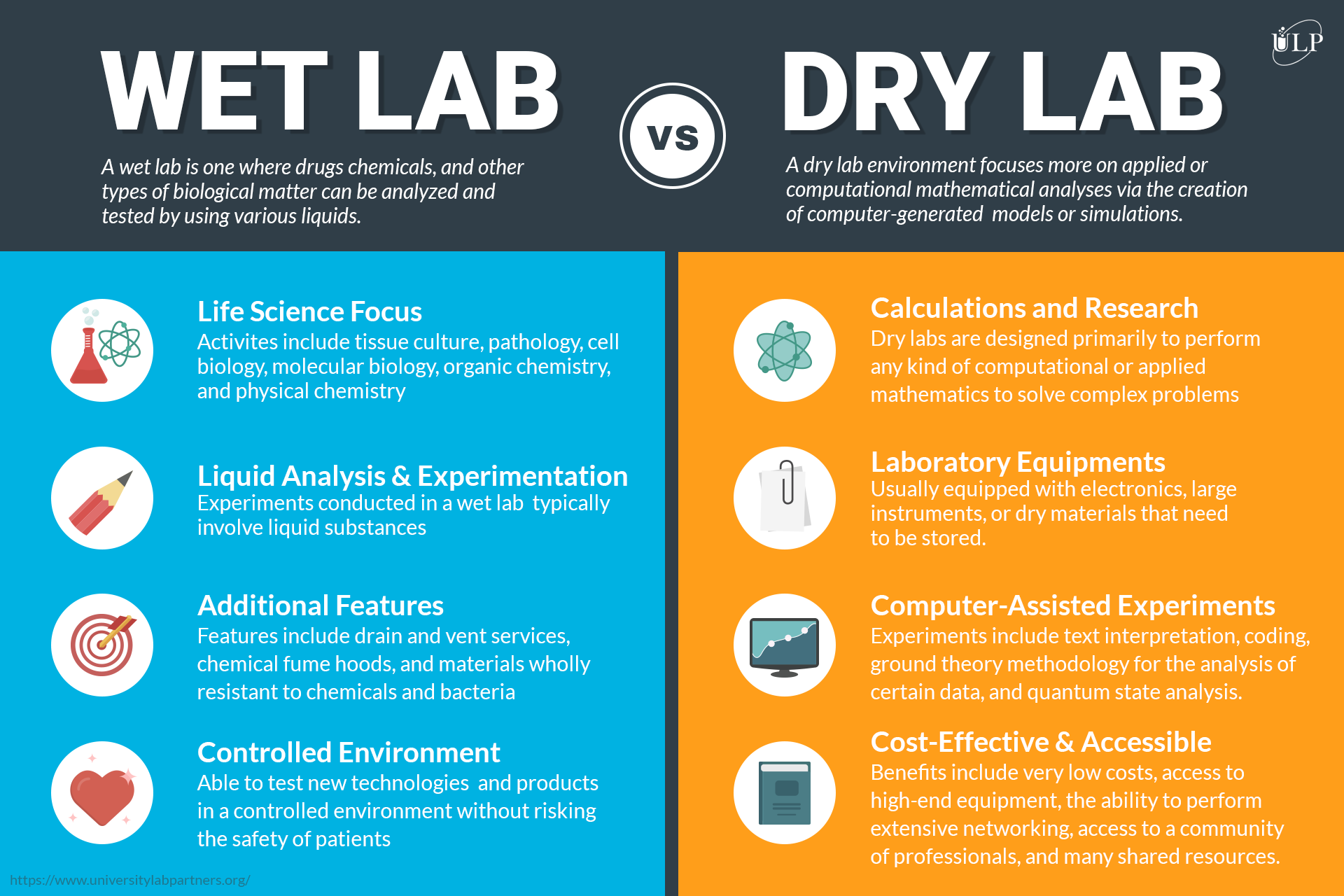
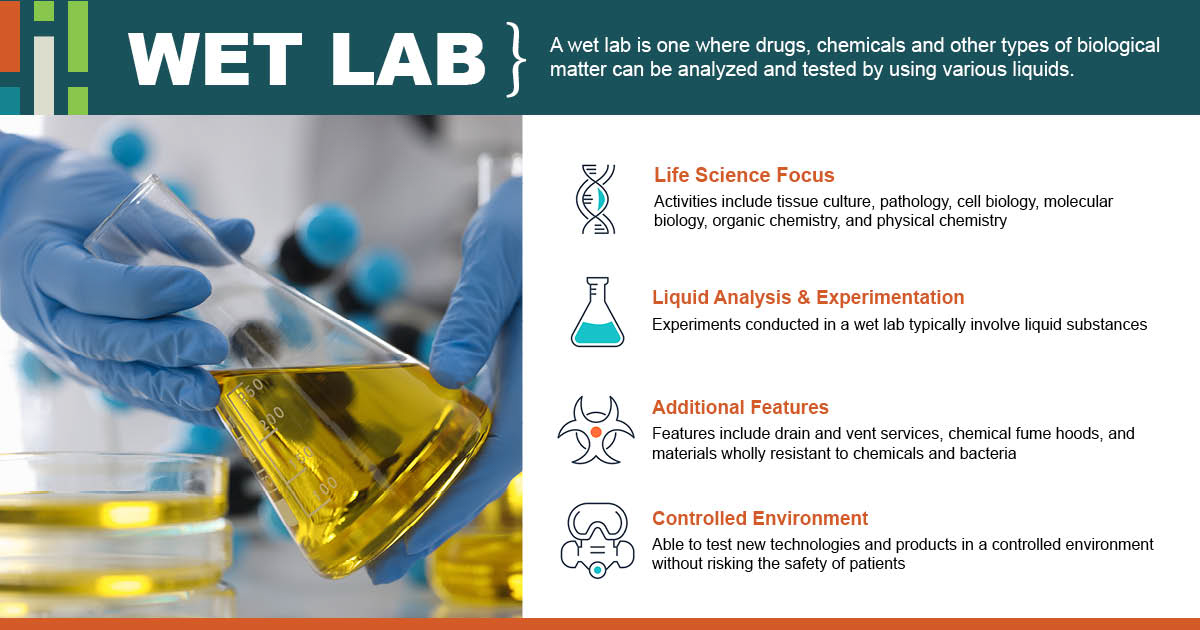
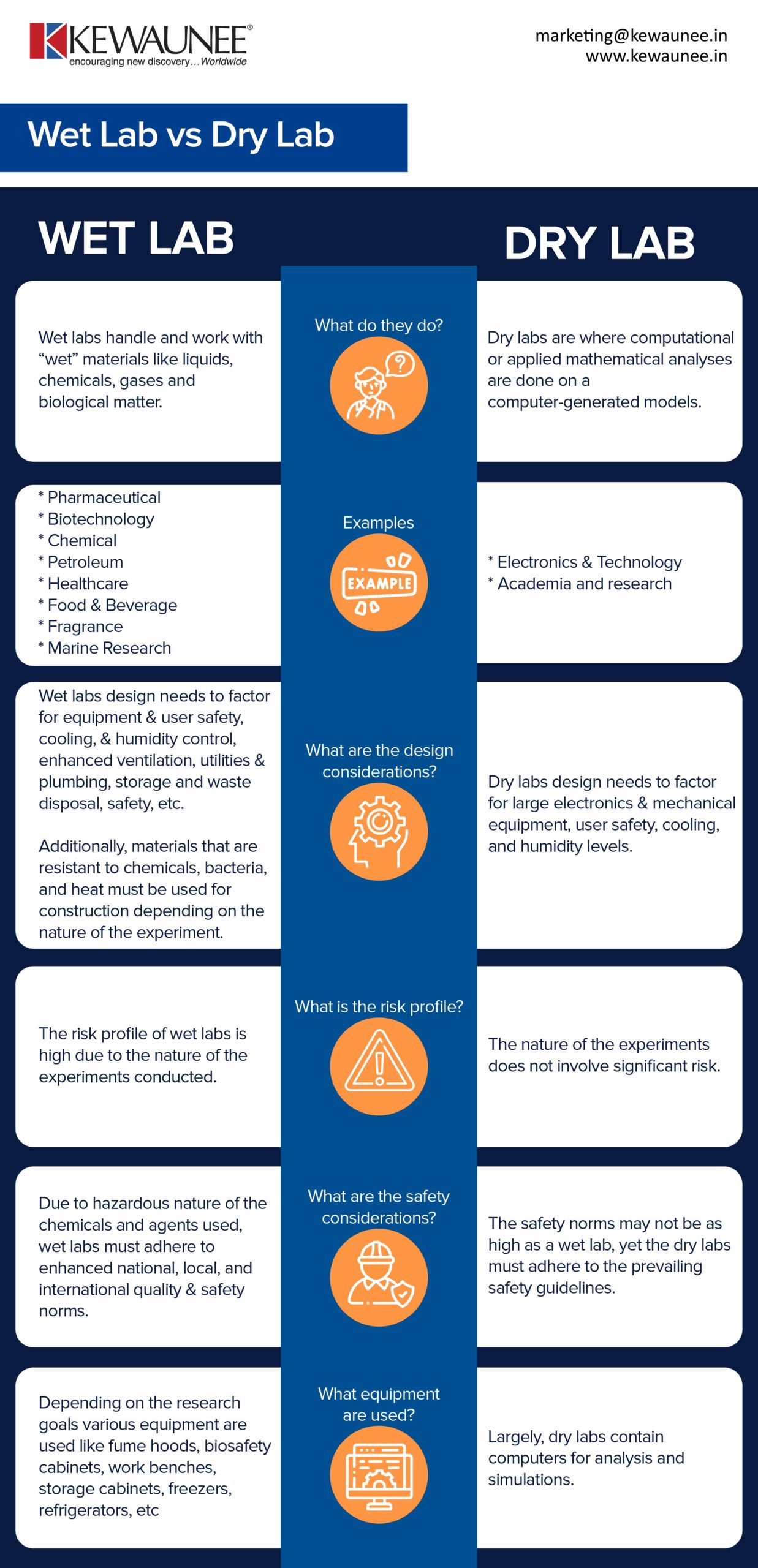
A wet lab is distinct from a “dry lab,” a complementary environment focused on computational or theoretical work. While a dry lab leverages powerful computers for data analysis, modeling, and simulations, a wet lab is characterized by direct manipulation of matter. This necessitates specialized infrastructure designed to ensure precision, safety, and reproducibility.
Wet lab environments are typically equipped with robust ventilation systems to handle chemical fumes, specialized sinks for waste disposal, and resilient surfaces resistant to spills and corrosives. Safety protocols are paramount, including the mandatory use of personal protective equipment (PPE) like lab coats, gloves, and eye protection. The very nature of working with liquids, reagents, and often hazardous or biologically active samples demands stringent controls and meticulous execution to prevent contamination, ensure worker safety, and uphold the integrity of experimental results.
The distinction between wet and dry labs is increasingly blurred in modern science. Data generated in a wet lab—be it genetic sequences, protein structures, or chemical reaction kinetics—is routinely processed, analyzed, and interpreted using sophisticated computational tools in a dry lab setting. Conversely, dry lab predictions often guide the design of new wet lab experiments, creating a powerful feedback loop that accelerates discovery. Understanding the wet lab, therefore, is understanding the very bedrock upon which much of contemporary technology and scientific advancement is built.
The Core Disciplines and Applications of Wet Labs
Wet lab work is the engine behind progress in countless scientific disciplines, driving technological breakthroughs in areas vital to human health, environmental sustainability, and industrial innovation. Its applications span from fundamental research to product development, making it an indispensable component of the global tech ecosystem.
- Biotechnology and Life Sciences: This is perhaps the most prominent domain for wet labs. Molecular biology, genetics, biochemistry, cell biology, and microbiology all rely heavily on wet lab techniques. Here, scientists manipulate DNA, RNA, proteins, and cells to understand biological processes, develop diagnostic tools, engineer new organisms, and create biopharmaceuticals. Techniques like PCR (polymerase chain reaction), gel electrophoresis, Western blotting, ELISA, and cell culture are quintessential wet lab activities that underpin advancements in gene editing (CRISPR), vaccine development, and personalized medicine.
- Pharmaceutical and Drug Discovery: The entire pipeline of drug development, from initial compound synthesis and screening to preclinical testing, is deeply rooted in wet lab research. Chemists synthesize novel molecules, biologists test their efficacy against disease targets, and toxicologists assess their safety. High-throughput screening (HTS) in wet labs allows researchers to rapidly test thousands of compounds for biological activity, significantly accelerating the drug discovery process.
- Chemistry and Materials Science: Wet labs are the birthplace of new chemical compounds and advanced materials. Organic chemists synthesize complex molecules for drug candidates or industrial applications, while analytical chemists use sophisticated instruments to identify and quantify substances. Materials scientists develop novel polymers, composites, and nanomaterials with specific properties (e.g., strength, conductivity, biocompatibility) through synthesis, characterization, and testing, all of which involve extensive wet lab procedures.
- Environmental Science: Wet labs are crucial for monitoring environmental pollutants, analyzing water and soil samples for contaminants, and studying microbial ecosystems. Techniques for chemical analysis, microbial culturing, and ecotoxicity testing are regularly employed to assess environmental health and develop remediation strategies.
- Food Science and Agriculture: Ensuring food safety, developing new food products, and improving crop yields all involve wet lab research. This includes nutrient analysis, pathogen detection, genetic modification of crops, and optimizing fermentation processes for food and beverage production.
These diverse applications underscore the versatility and critical importance of wet labs in driving technological progress across vast sectors, translating scientific understanding into tangible solutions and products.
Key Technologies and Tools in Modern Wet Labs
The modern wet lab is a nexus of sophisticated instrumentation and cutting-edge technology, far removed from the rudimentary setups of the past. These tools enhance precision, increase throughput, and enable experiments that were once impossible, pushing the boundaries of scientific discovery and technological development.
- Automated Liquid Handling Systems: Robotics has revolutionized repetitive tasks in wet labs. Automated liquid handlers can precisely dispense reagents, transfer samples between plates, and perform serial dilutions with high accuracy and speed. This automation minimizes human error, reduces manual labor, and is critical for high-throughput screening and large-scale experimental workflows common in drug discovery and genomics.
- Advanced Imaging and Microscopy: Beyond traditional optical microscopes, modern wet labs utilize electron microscopes (SEM, TEM), confocal microscopes, and fluorescence microscopes. These technologies provide ultra-high resolution images of cells, tissues, and even individual molecules, enabling detailed analysis of biological structures and processes, which is vital for disease diagnosis and understanding cellular mechanisms.
- Spectrometry and Chromatography: These analytical techniques are fundamental for identifying and quantifying substances. Mass spectrometers (MS) determine the molecular weight and structure of compounds, while various forms of chromatography (e.g., gas chromatography-mass spectrometry (GC-MS), high-performance liquid chromatography (HPLC)) separate mixtures into their individual components for detailed analysis. These are crucial for drug purity assessment, environmental monitoring, and metabolomics.
- Nucleic Acid Sequencers: From first-generation Sanger sequencing to next-generation sequencing (NGS) platforms, sequencers are central to genomics, transcriptomics, and epigenomics. They allow scientists to rapidly determine the order of nucleotides in DNA or RNA, providing insights into genetic diseases, evolutionary relationships, and gene expression patterns.
- Cell Culture and Bioreactors: Maintaining living cells and tissues in vitro (in glass) is a cornerstone of biotechnology. Incubators, laminar flow hoods, and specialized bioreactors provide controlled environments for growing cells, developing vaccines, producing therapeutic proteins, and studying disease models outside of living organisms.
- PCR and qPCR Machines: Polymerase Chain Reaction (PCR) machines amplify specific DNA sequences, while quantitative PCR (qPCR) allows for the quantification of DNA or RNA. These instruments are indispensable for gene cloning, pathogen detection, genetic testing, and gene expression analysis.
These technologies, often integrated and interconnected, form the backbone of modern wet lab operations, enabling scientists to perform complex experiments with unprecedented accuracy, efficiency, and scale.
The Interplay of Wet Labs and Digital Technologies
The digital revolution has profoundly transformed wet lab science, forging a powerful synergy between physical experimentation and computational analysis. This integration, often referred to as the “wet-dry lab interface,” is where data is born in the physical world and then meticulously refined, interpreted, and utilized in the digital realm, significantly enhancing the pace and scope of discovery.
- Data Acquisition and Management: Modern wet lab instruments are often fully automated and equipped with digital interfaces that stream data directly to computers. This eliminates manual data entry, reduces errors, and ensures real-time capture of experimental results. Laboratory Information Management Systems (LIMS) are crucial software tools that track samples, experiments, results, and instrumentation, ensuring data integrity, traceability, and regulatory compliance. LIMS systems digitize workflows, manage reagent inventories, and organize vast amounts of experimental data, making it readily accessible for analysis.
- Bioinformatics and Computational Biology: Once data is acquired, it moves to the dry lab for processing. Bioinformatics tools are essential for analyzing high-throughput data from genomics (e.g., sequence alignment, variant calling), proteomics (e.g., protein identification, quantification), and other omics fields. Software packages help in statistical analysis, data visualization, and the identification of significant patterns or correlations that would be impossible to discern manually.
- Automation and Robotics Integration: Beyond liquid handling, advanced robotics are increasingly performing entire experimental workflows, from sample preparation to final analysis. These robotic systems are programmed and controlled digitally, often integrating multiple instruments and steps. This level of automation is critical for tasks like drug screening, synthetic biology, and personalized diagnostics, where thousands or even millions of experiments need to be conducted efficiently.
- Cloud Computing and Data Sharing: The sheer volume of data generated in modern wet labs often exceeds local storage capabilities. Cloud computing platforms provide scalable storage and computational resources, enabling researchers to store, share, and analyze massive datasets collaboratively across institutions and geographical boundaries. This fosters open science and accelerates collective progress.
- Digital Security: With the increasing reliance on digital systems for data capture, storage, and analysis, digital security becomes paramount. Protecting sensitive research data, intellectual property, and patient information from cyber threats is a critical aspect of modern wet lab operations, requiring robust cybersecurity protocols and infrastructure.
This deep integration of wet lab work with digital technologies creates a highly efficient and data-driven research environment, turning raw experimental observations into actionable insights and paving the way for data-intensive scientific exploration.
Future Trends and Innovations in Wet Lab Science
The wet lab is far from static; it is a dynamic environment constantly evolving with technological advancements. The future promises even greater integration with artificial intelligence, enhanced automation, and miniaturized systems, pushing the boundaries of what’s possible in scientific discovery and technological development.
- Artificial Intelligence and Machine Learning in Experimental Design: AI is poised to revolutionize how experiments are conceived and executed. Machine learning algorithms can analyze vast datasets from previous experiments to predict optimal conditions, suggest new hypotheses, and even design novel molecules with desired properties. This “AI-driven experimentation” promises to significantly reduce trial-and-error, accelerate discovery, and lead to more efficient use of resources. AI can also interpret complex data patterns, identify subtle relationships, and generate insights that might be missed by human researchers.
- Enhanced Lab Automation and “Lights-Out” Labs: The trend towards automation will continue, leading to fully integrated, autonomous laboratories capable of operating with minimal human intervention. These “lights-out” labs will utilize advanced robotics, sophisticated sensors, and AI-powered decision-making to perform entire experimental pipelines, from sample preparation to data analysis, around the clock. This level of automation is crucial for accelerating research in areas like materials discovery, drug synthesis, and biological engineering.
- Miniaturization and Microfluidics: “Lab-on-a-chip” technology and microfluidic devices are miniaturizing wet lab experiments, allowing for analyses to be performed on incredibly small sample volumes and in compact, integrated systems. These devices offer advantages in terms of reduced reagent consumption, faster reaction times, and portability, opening new possibilities for point-of-care diagnostics, personalized medicine, and environmental monitoring.
- Personalized Medicine and High-Throughput Omics: Wet labs are at the forefront of personalized medicine, which tailors treatments to an individual’s unique genetic makeup. High-throughput omics technologies (genomics, proteomics, metabolomics, etc.) in wet labs generate massive amounts of patient-specific data, enabling the development of targeted therapies and more effective disease prevention strategies.
- Advanced Biosensors and Real-Time Monitoring: The development of highly sensitive biosensors is enabling real-time, continuous monitoring of biological and chemical processes, both in vitro and in vivo. These sensors can detect tiny changes in concentration, pH, temperature, or the presence of specific biomolecules, providing immediate feedback and deeper insights into dynamic systems.
These emerging trends highlight a future where wet labs are more intelligent, automated, and efficient, seamlessly integrated with digital technologies to tackle the most complex scientific challenges and drive unprecedented technological innovation across all sectors.
aViewFromTheCave is a participant in the Amazon Services LLC Associates Program, an affiliate advertising program designed to provide a means for sites to earn advertising fees by advertising and linking to Amazon.com. Amazon, the Amazon logo, AmazonSupply, and the AmazonSupply logo are trademarks of Amazon.com, Inc. or its affiliates. As an Amazon Associate we earn affiliate commissions from qualifying purchases.